
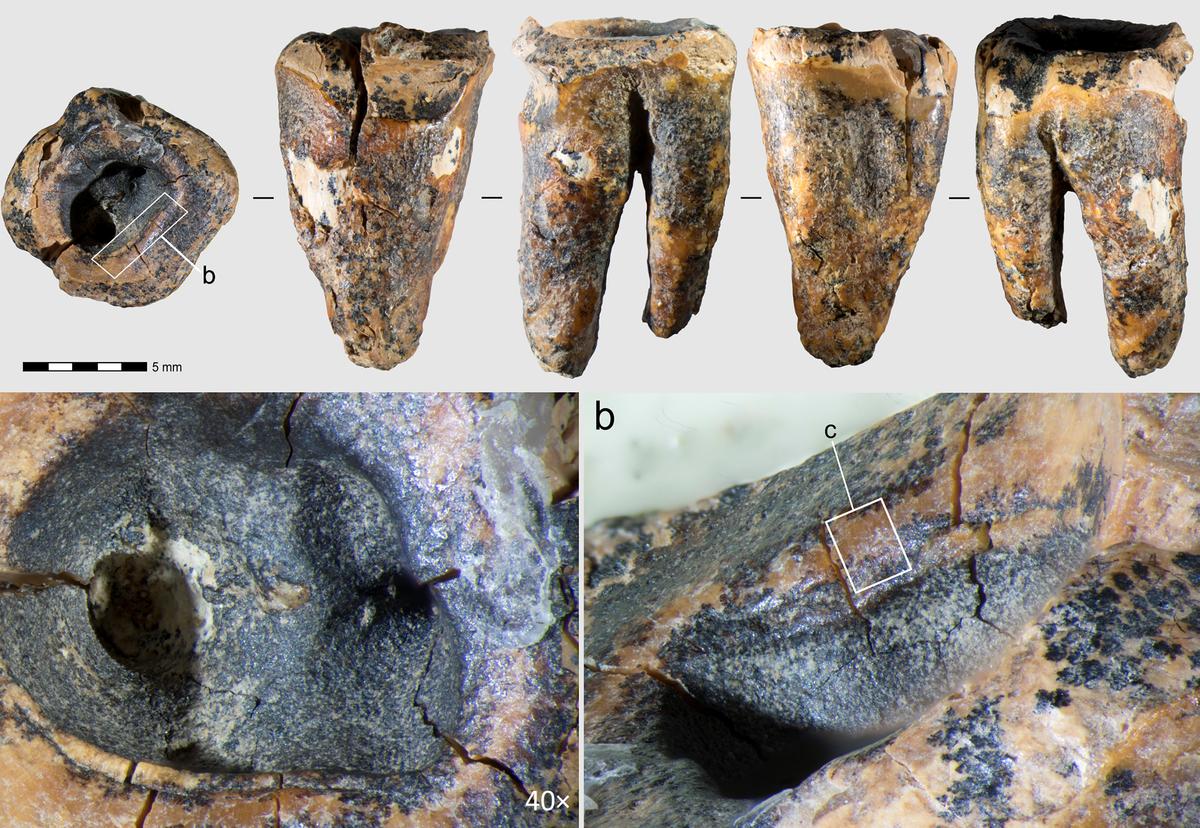
Scientists studying a Neanderthal tooth found in a Russian cave believe it may be the world's oldest example of dental work. The tooth, which is about 59,000 years old, shows signs of having been drilled to try to fix a cavity. The discovery suggests that Neanderthals were more advanced than scientists thought.
Published in “Science”
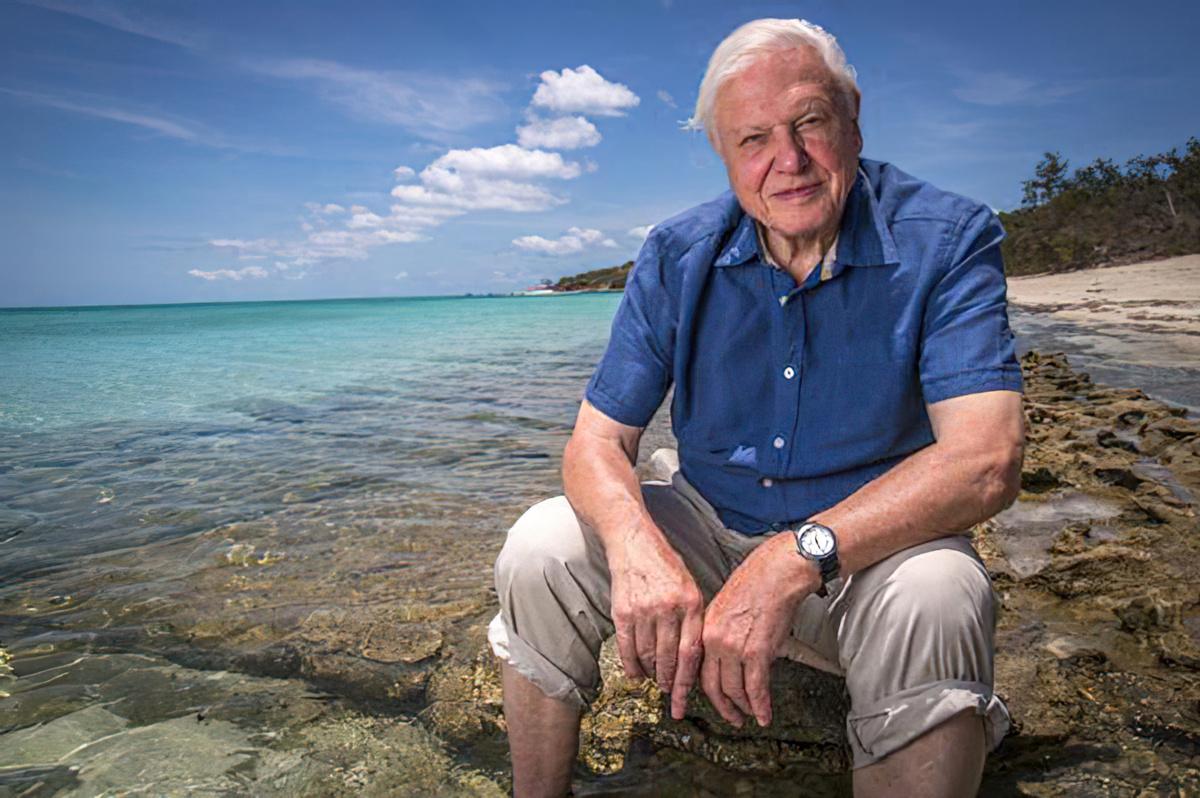
Last Friday, David Attenborough turned 100 years old. The man whose TV shows taught the world to love animals, plants, and the environment thought it might be a quiet day. But his fans, and those who wished him well, had other ideas.

On April 19, about 12,000 runners took part in a half marathon in Beijing, China. On a separate track, beside the human runners, over 300 humanoid (human-like) robots tackled the same challenge. In a similar race last year, humans won easily. This year, the robots not only won, they beat the human world record.
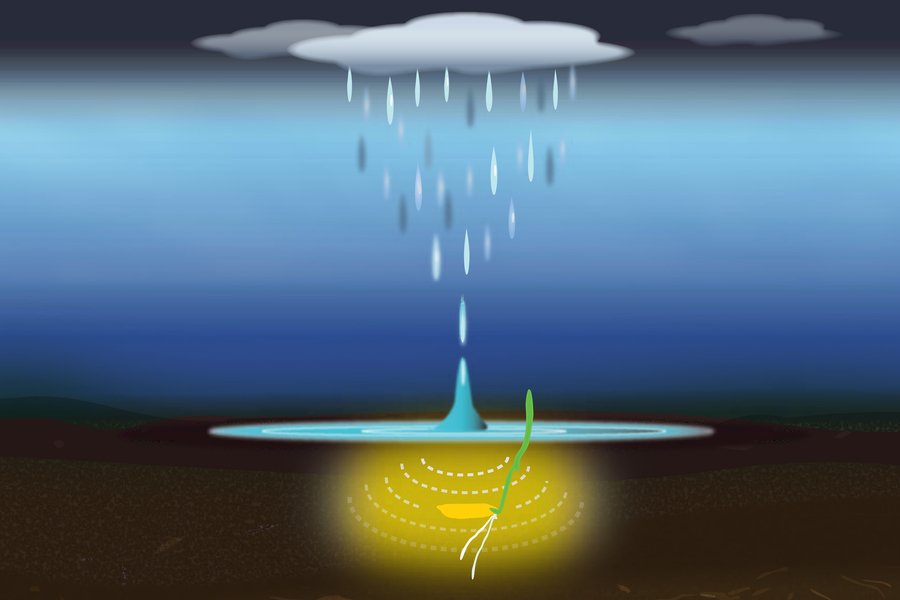
Scientists at the Massachusetts Institute of Technology (MIT) have discovered that rice seeds that "hear" the sound of raindrops seem to sprout faster than those that do not. The study is the first to suggest that seeds can sense sound, and use the information to help them "decide" when to sprout.
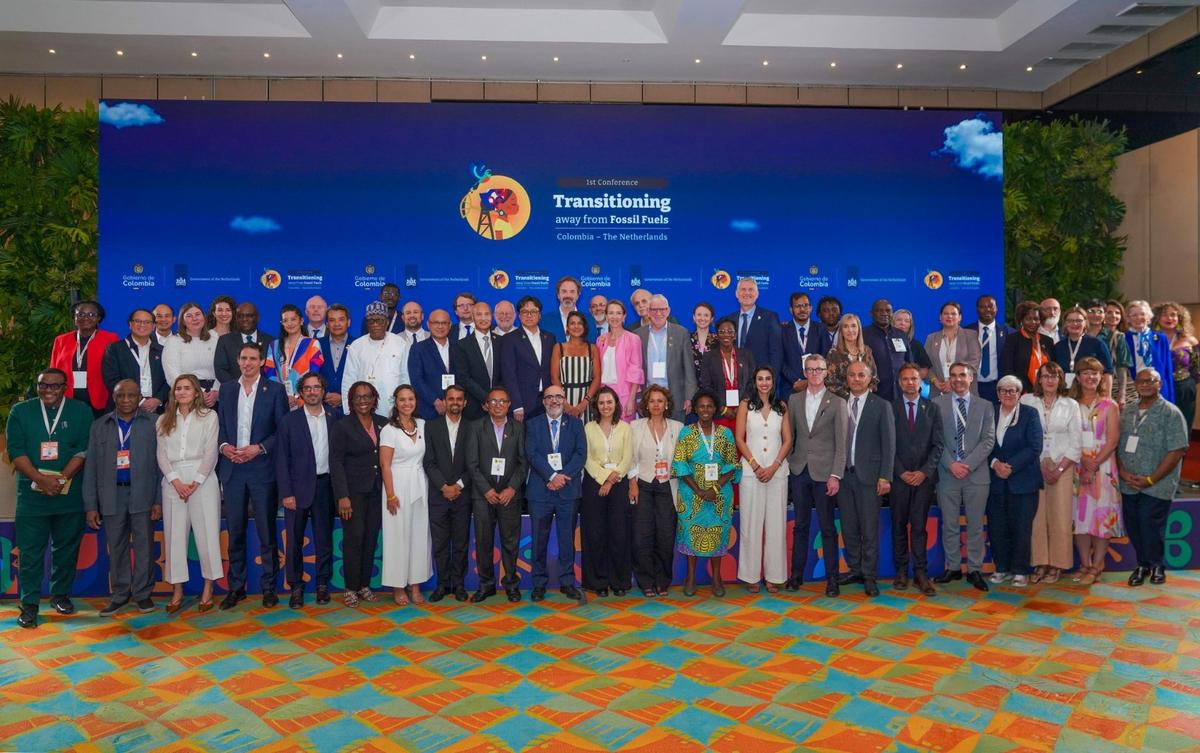
Today, NewsForKids.net looks at two important stories in the news. Last week, 56 countries met in Colombia to try to find a way to end fossil fuels. And struggles over control of the Strait of Hormuz may be challenging the fragile ceasefire between the US and Iran.
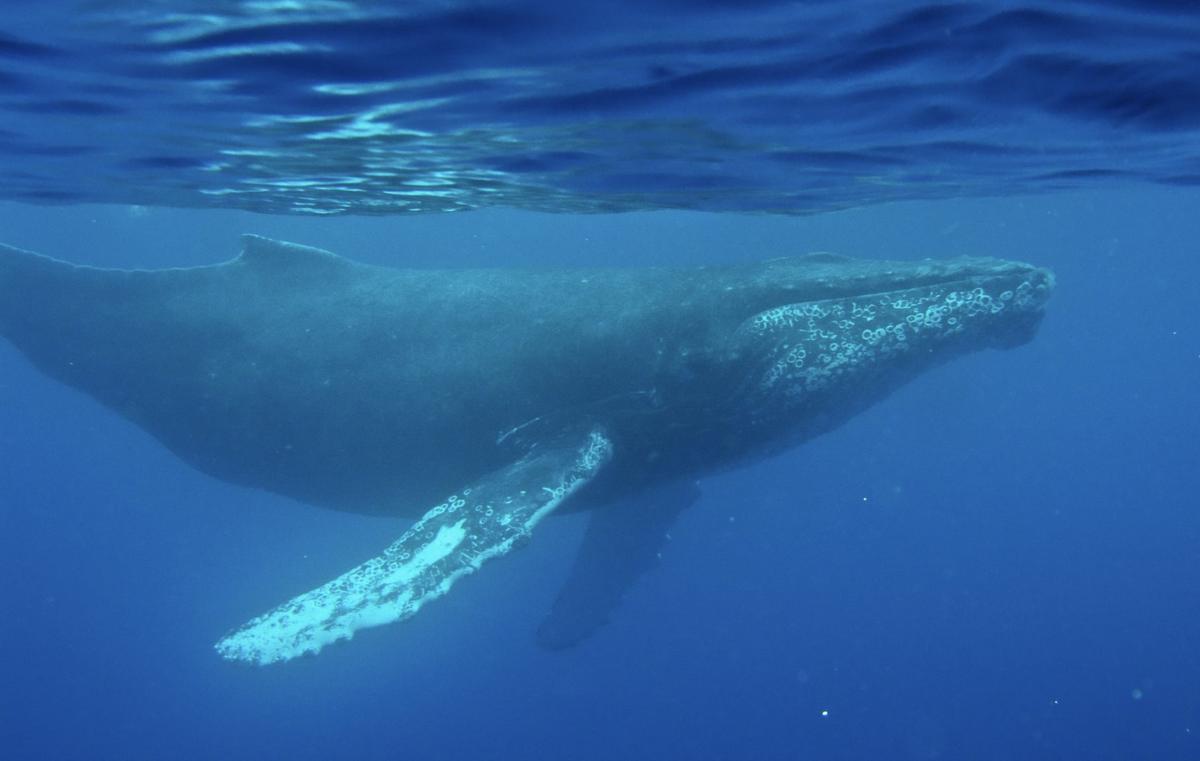
Scientists have found a recording of a whale song made in 1949. It may be the earliest recording of a whale song ever made. The discovery is important because it provides a record of how sounds in the ocean have changed over the last 75 years.

Every year, some of the top high school seniors in the United States compete in the Regeneron Science Talent Search. This year, forty students were chosen as finalists and traveled to Washington, DC. Together, these students earned more than $1.8 million in prizes for their hard work. The winners were announced in March.
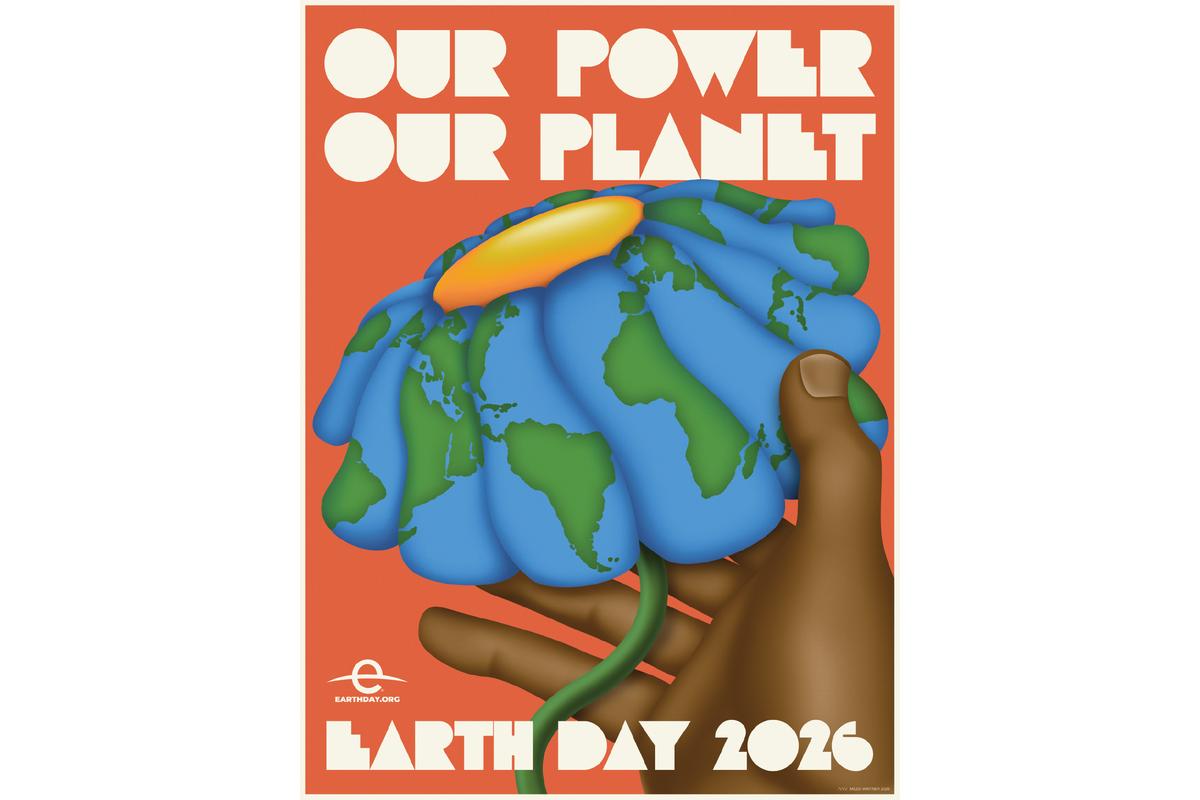
Today marks the 56th celebration of Earth Day, a day set aside to remind people to protect our planet. This year’s theme, like last year, is "Our Power, Our Planet". The theme focuses attention on clean energy, while also reminding people of the power they have to fight the climate crisis.
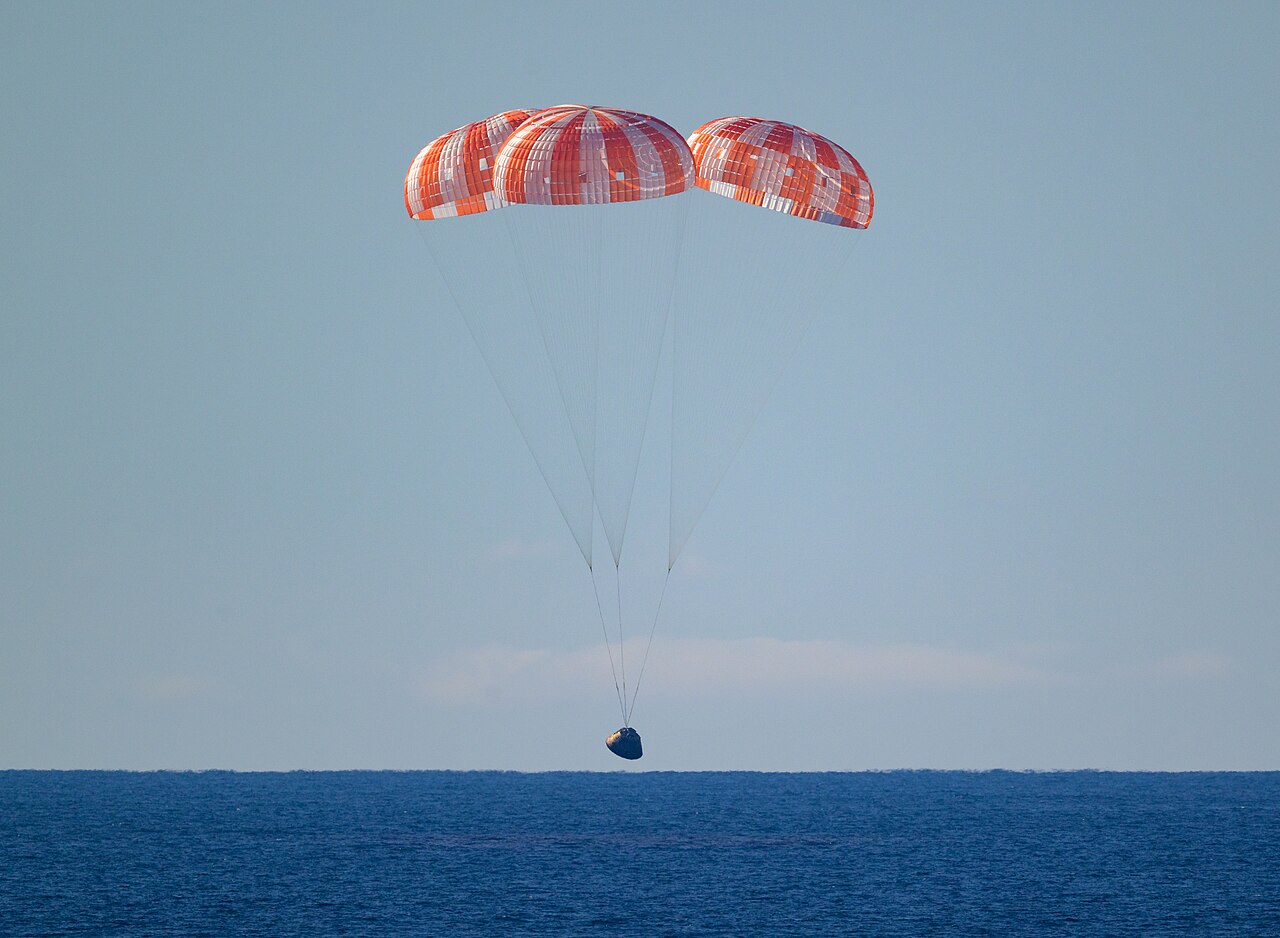
Last Friday evening, NASA's Artemis II mission came to an exciting end as the Orion spacecraft splashed down safely in the Pacific Ocean. The mission marked the first time in 53 years that astronauts have traveled around the moon. Its success brings NASA one step closer to its goal of sending humans to the moon again.
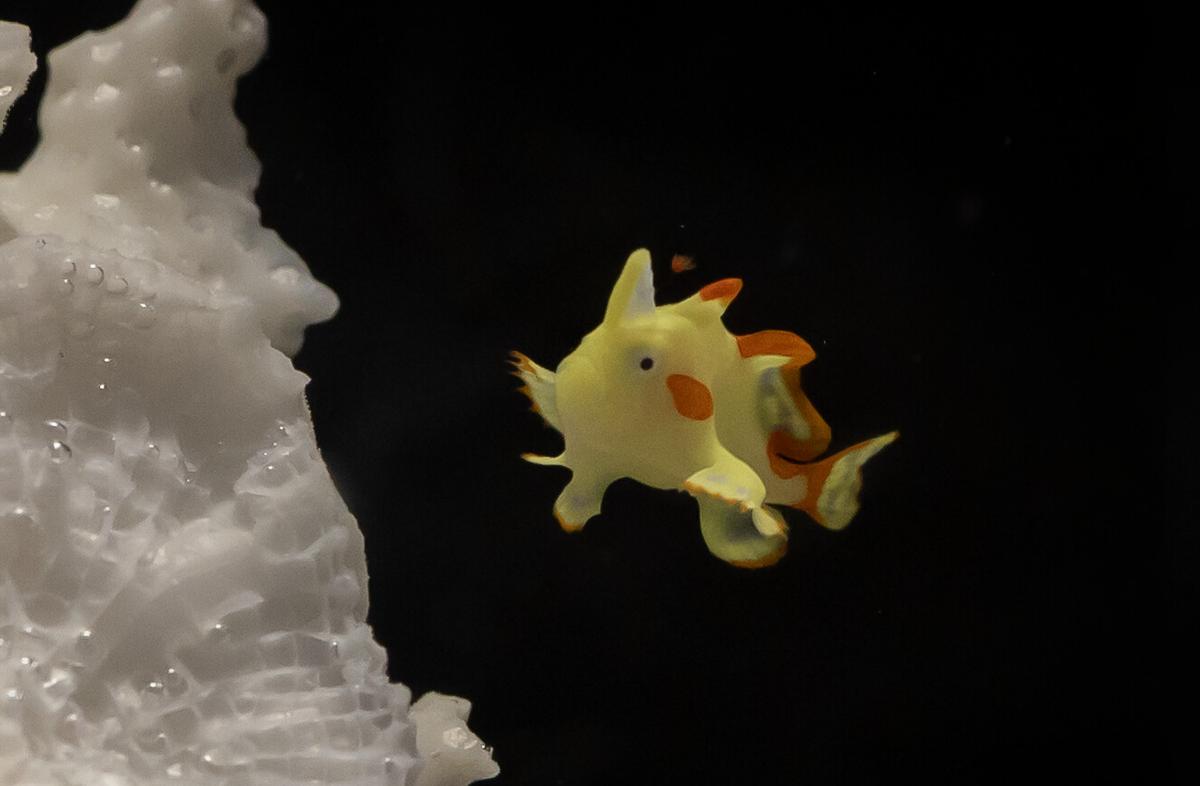
The Shedd Aquarium in Chicago has successfully raised a baby warty frogfish from an egg. This is the first time anyone has done this. The aquarium says their work could help with raising other sea creatures in the future.
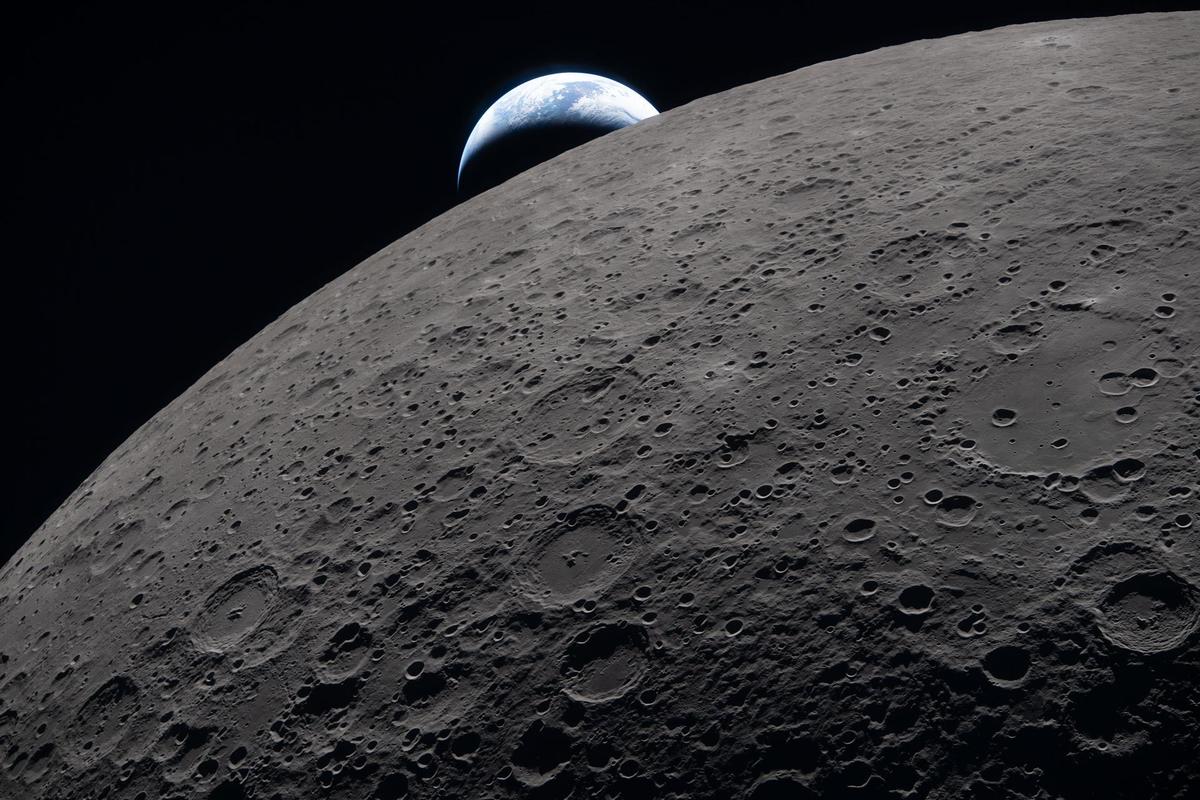
On Monday, the crew of NASA's Artemis II mission became the first humans to go behind the moon in over 50 years. The four astronauts on the mission are now on their way home, after traveling farther away from Earth than anyone ever has before. The spaceship is expected to splash down on Friday.