
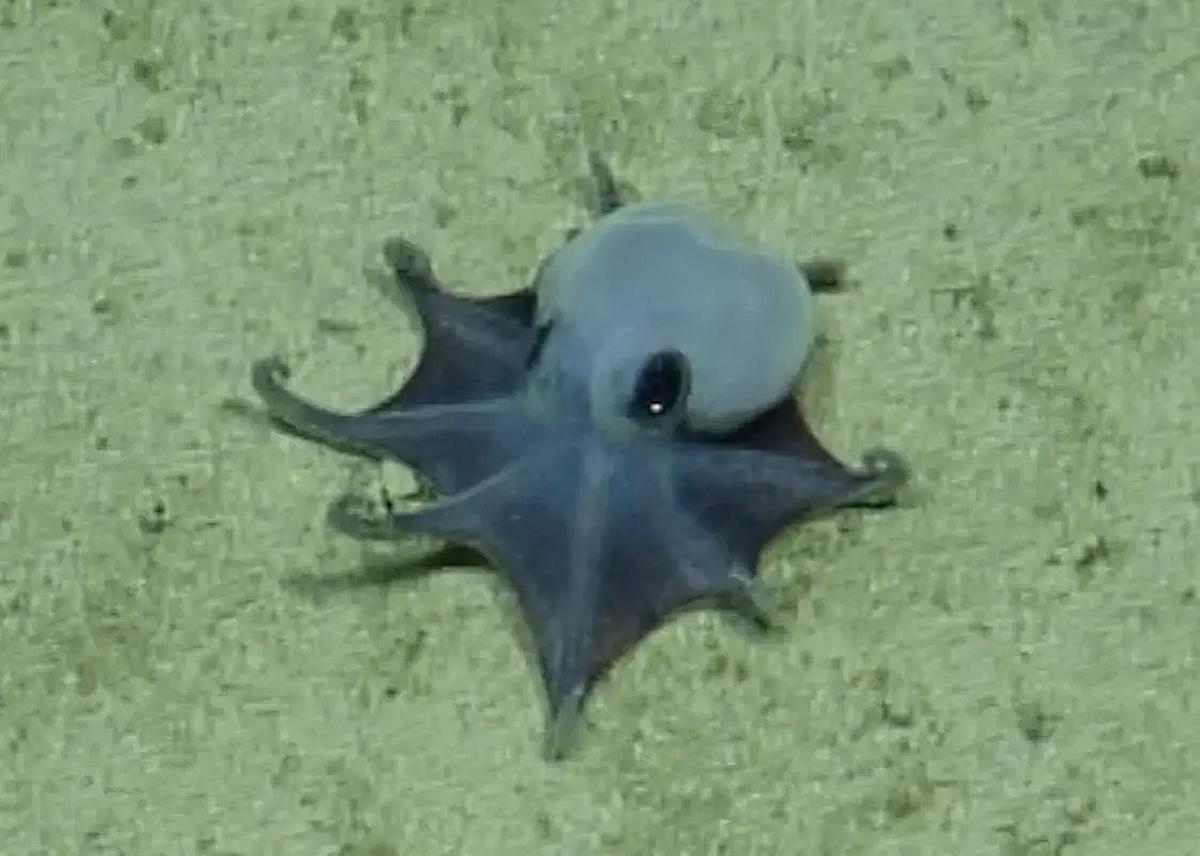
Scientists have officially identified a tiny blue octopus as a new species after more than ten years of study. The creature, which is small enough to fit in a person's hand, was first seen deep under the Pacific Ocean near the Galápagos Islands.
Published in “Environment”

Today, NewsForKids.net looks at the impact of earthquakes in Venezuela and at rising temperatures around the world. Rescue workers are racing to help people after two powerful earthquakes hit Venezuela. And record-breaking heat is affecting millions of people across three different continents.
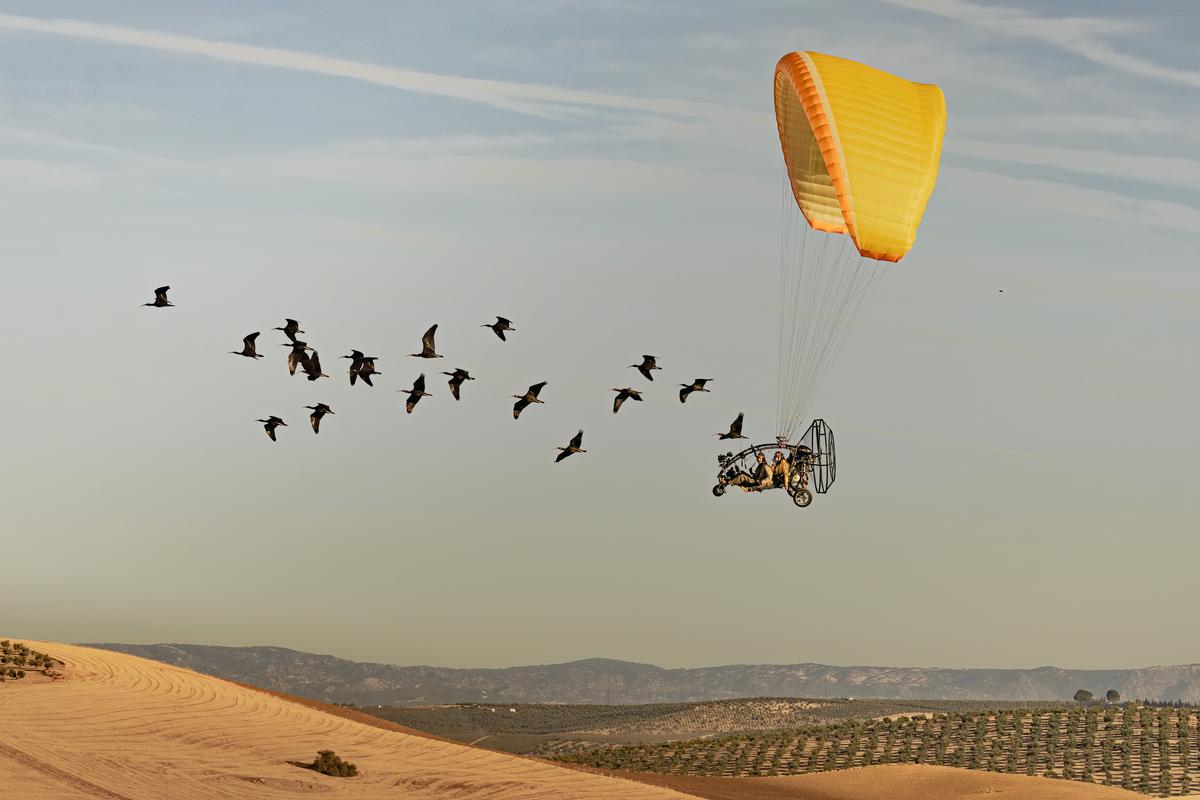
The science magazine "Nature" recently announced the winners of its 2026 "Scientists at Work" photography contest. The competition uses art to show the important research people do to help the planet and those who live on it. More than 220 people sent in their best pictures, all showing science in action.
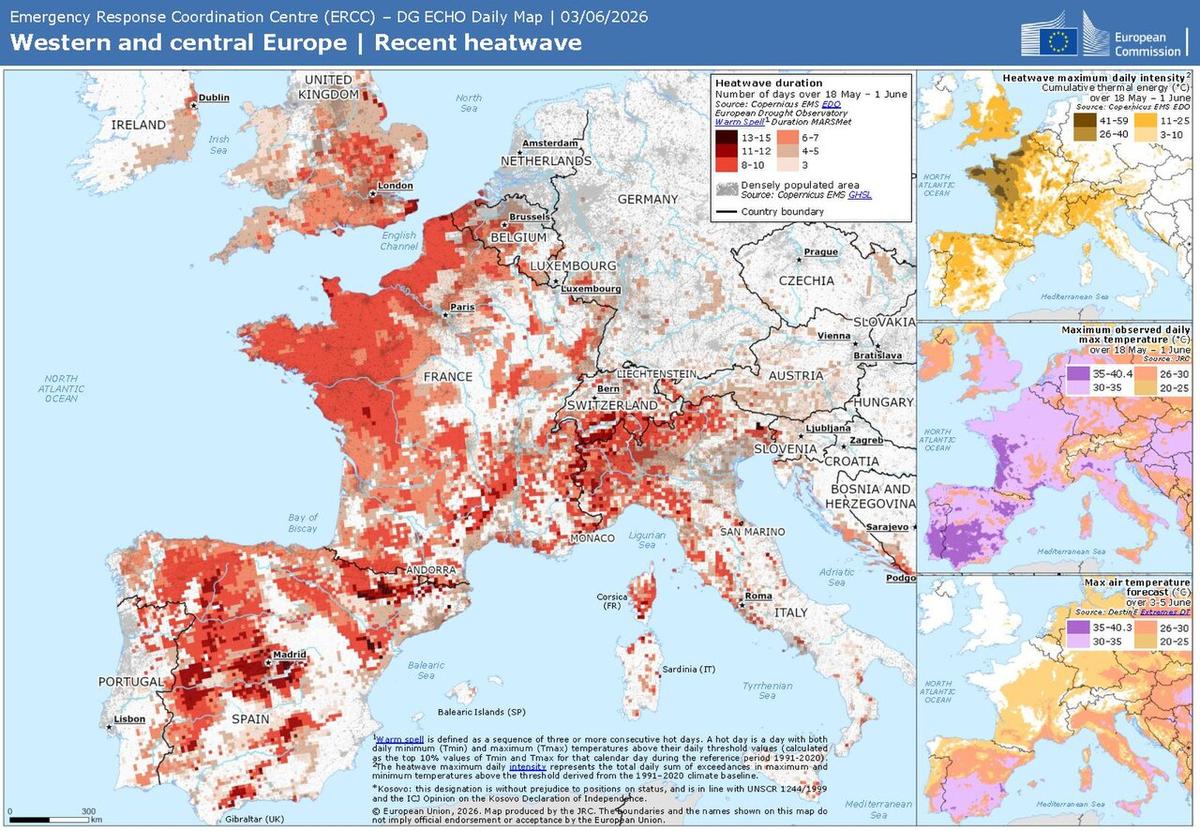
Today, NewsForKids.net looks at three important stories from around the world. Europe is facing its second heat wave of 2026. Keir Starmer says he's stepping down as prime minister of the United Kingdom. And far right candidate Abelardo de la Espriella appears to have won Colombia's election for president.
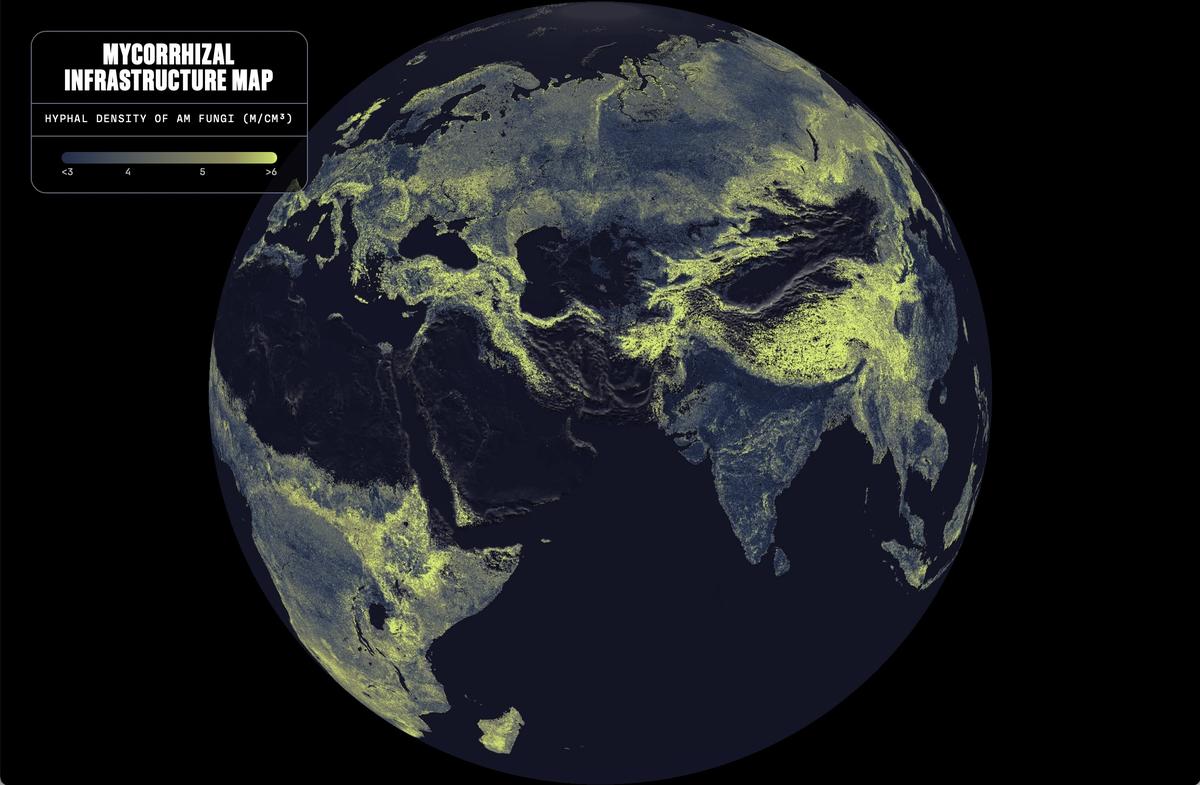
Scientists have long known that there are huge networks of fungi underground. Now, researchers have created a map of these fungal webs and how they are spread around the world. Their study reveals that if the threads of these fungi were laid out in a line, they could stretch to the sun about 730 million times.
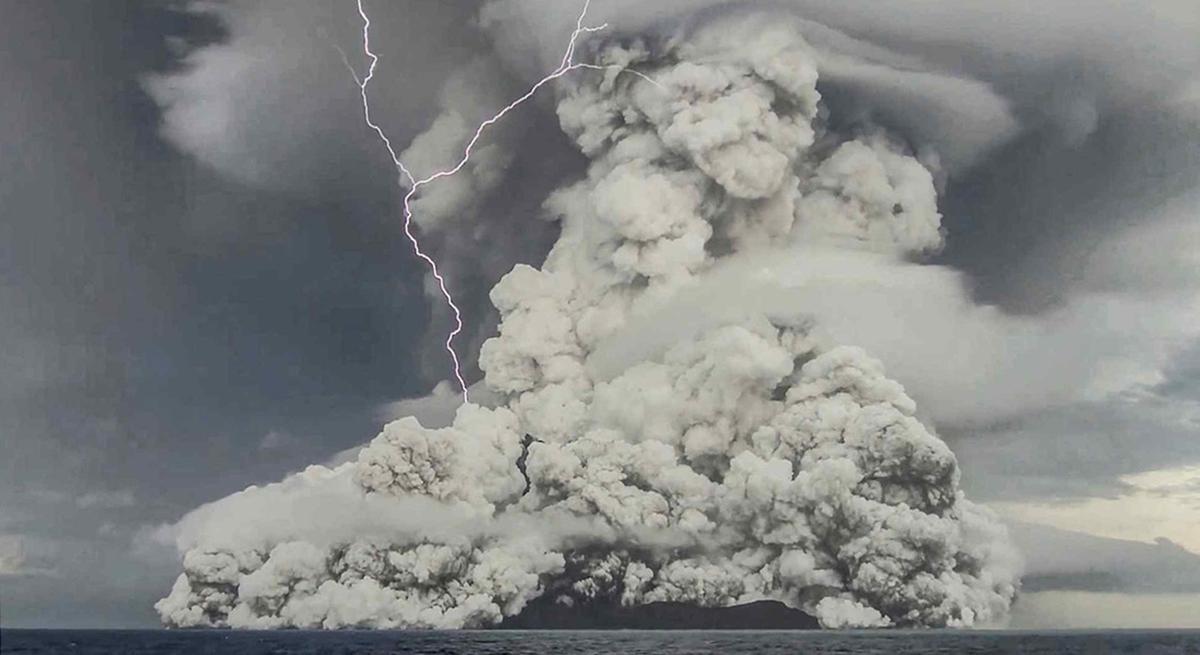
In January of 2022, a massive volcano erupted under the ocean near Tonga. The eruption released huge amounts of methane - a dangerous greenhouse gas. Now scientists have discovered that the volcano's ash cloud also removed a lot of methane. The discovery could lead to new ways to fight global warming.
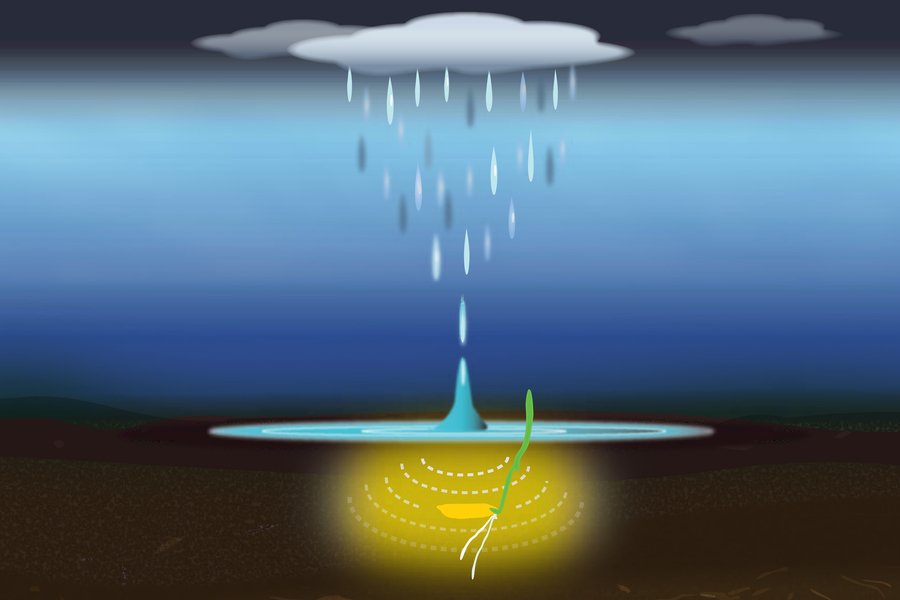
Scientists at the Massachusetts Institute of Technology (MIT) have discovered that rice seeds that "hear" the sound of raindrops seem to sprout faster than those that do not. The study is the first to suggest that seeds can sense sound, and use the information to help them "decide" when to sprout.
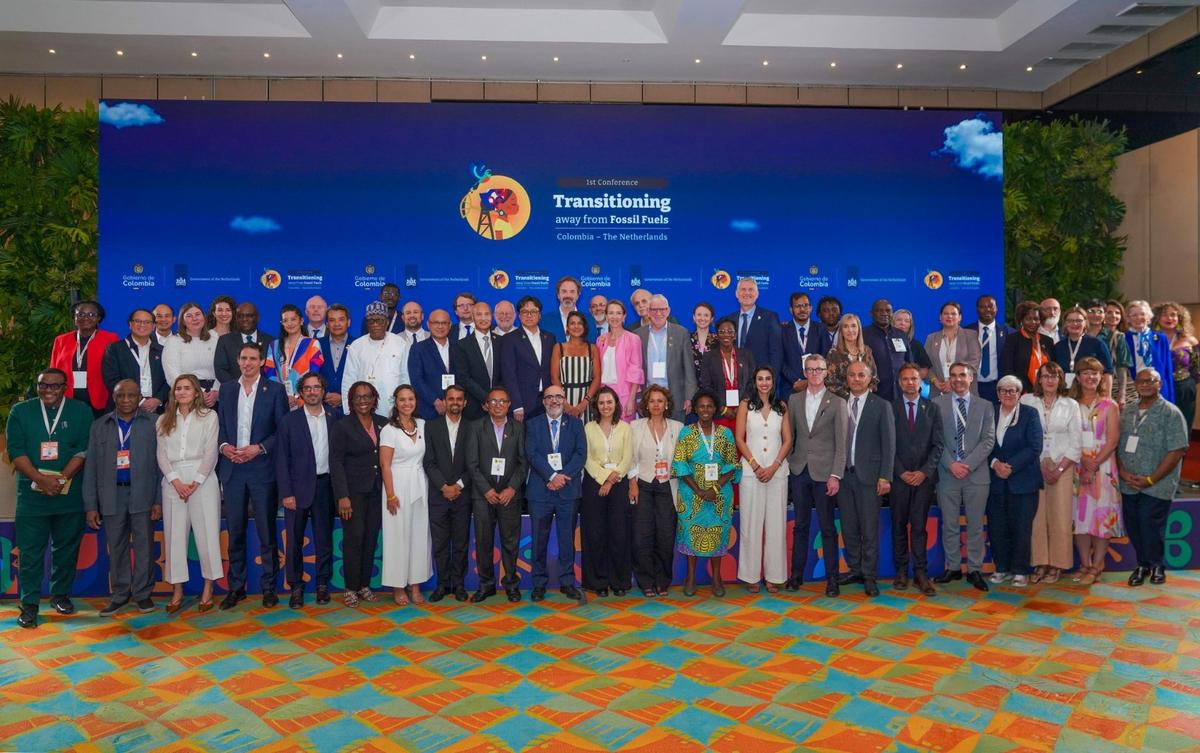
Today, NewsForKids.net looks at two important stories in the news. Last week, 56 countries met in Colombia to try to find a way to end fossil fuels. And struggles over control of the Strait of Hormuz may be challenging the fragile ceasefire between the US and Iran.
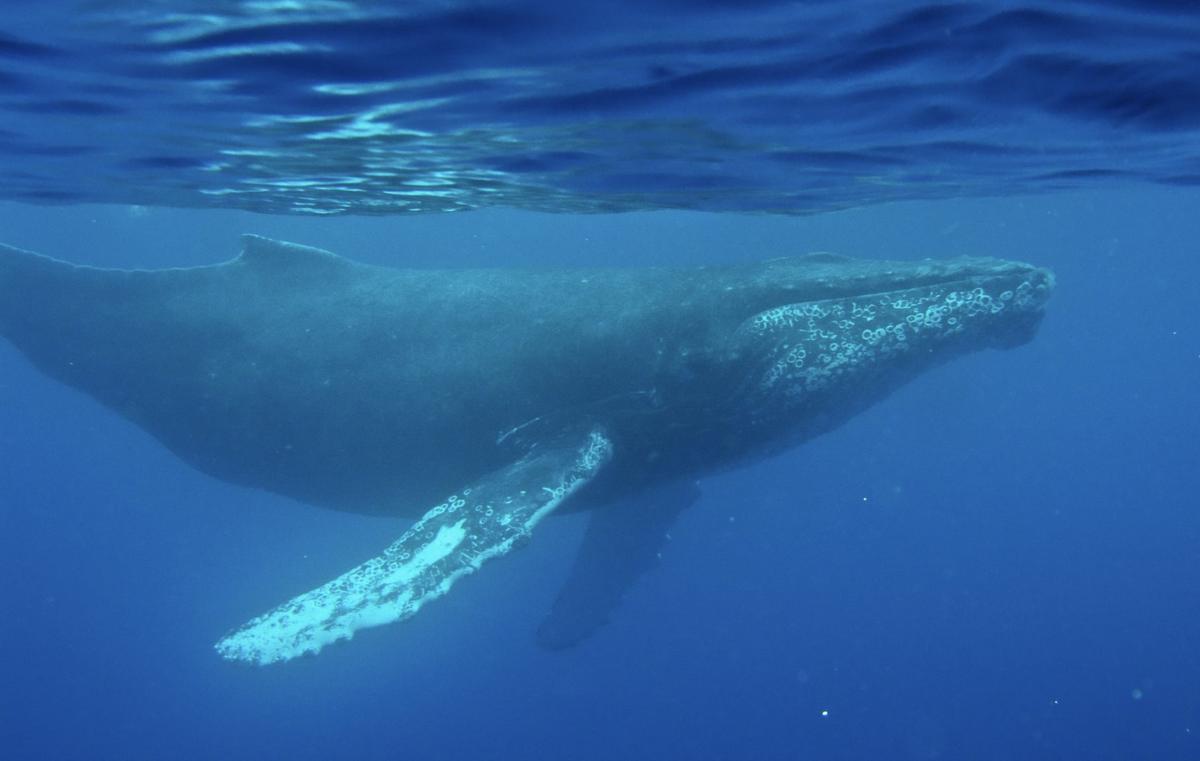
Scientists have found a recording of a whale song made in 1949. It may be the earliest recording of a whale song ever made. The discovery is important because it provides a record of how sounds in the ocean have changed over the last 75 years.
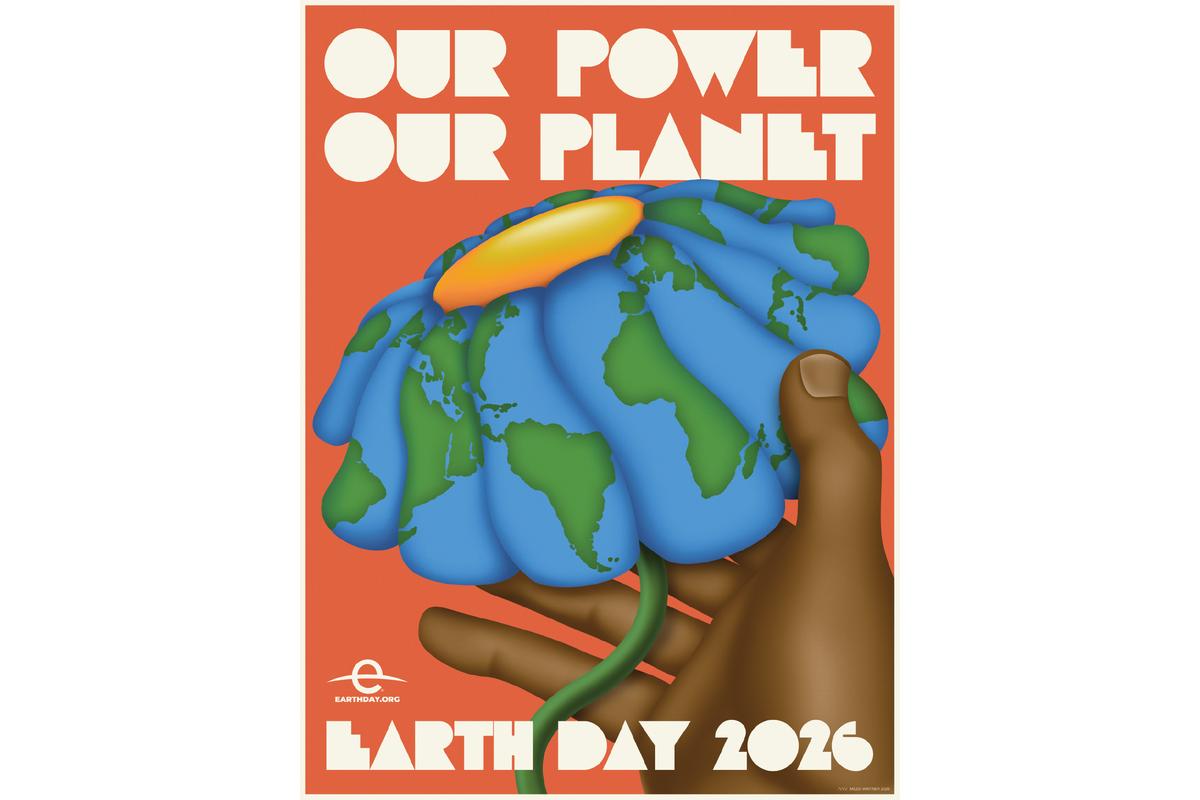
Today marks the 56th celebration of Earth Day, a day set aside to remind people to protect our planet. This year’s theme, like last year, is "Our Power, Our Planet". The theme focuses attention on clean energy, while also reminding people of the power they have to fight the climate crisis.
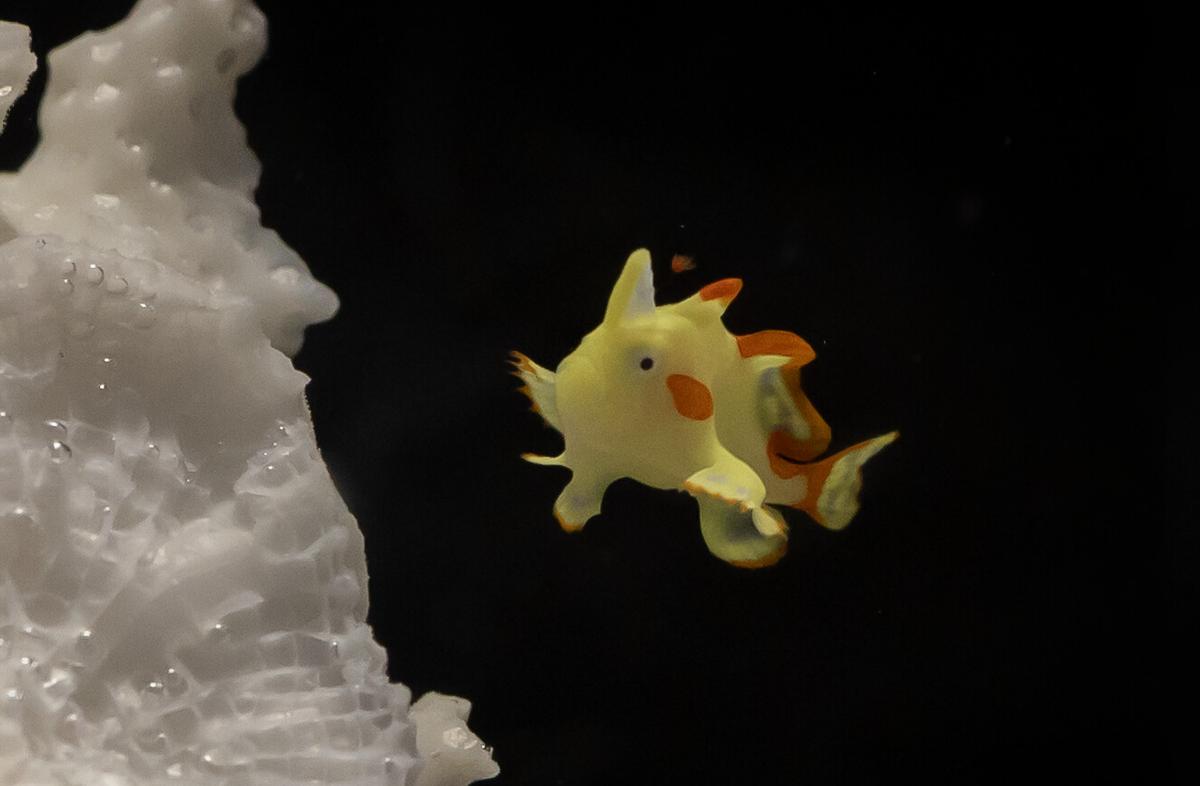
The Shedd Aquarium in Chicago has successfully raised a baby warty frogfish from an egg. This is the first time anyone has done this. The aquarium says their work could help with raising other sea creatures in the future.