
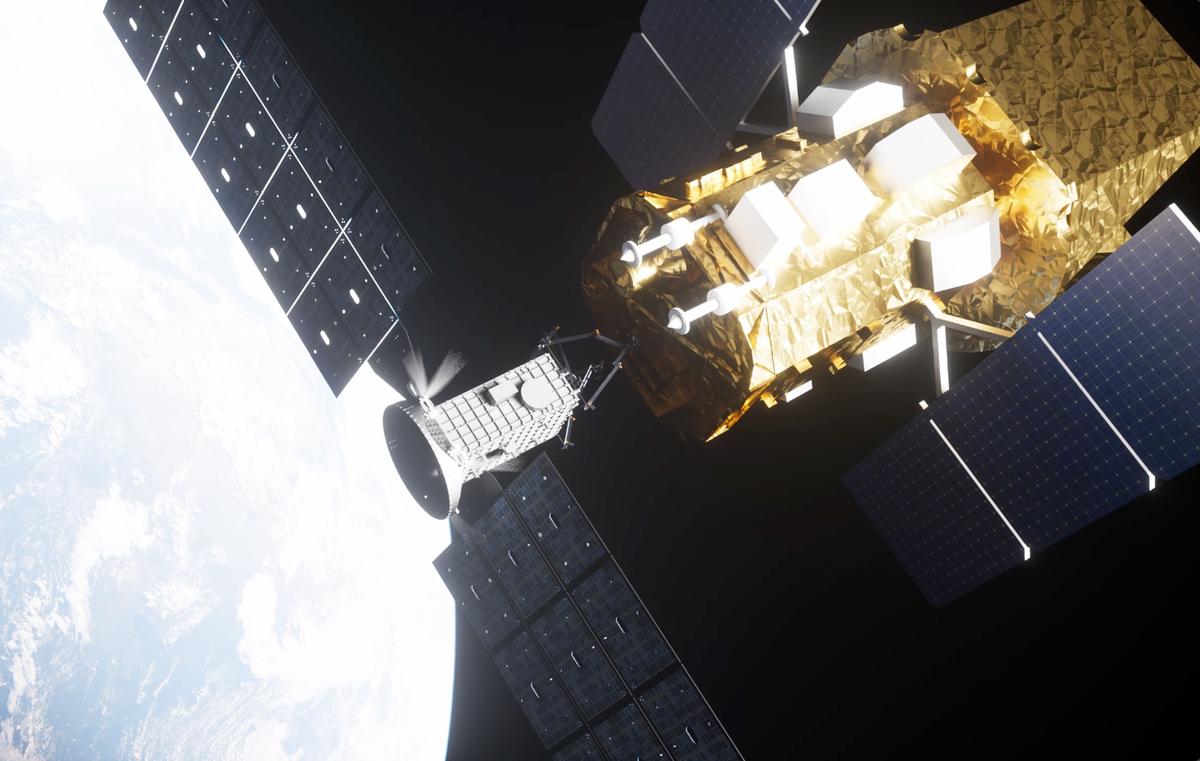
High in the sky over the Pacific Ocean, a special mission has begun to save a valuable space telescope. NASA is working with a company called Katalyst Space Technologies in a tricky effort to rescue its Swift satellite.
Published in “Technology”
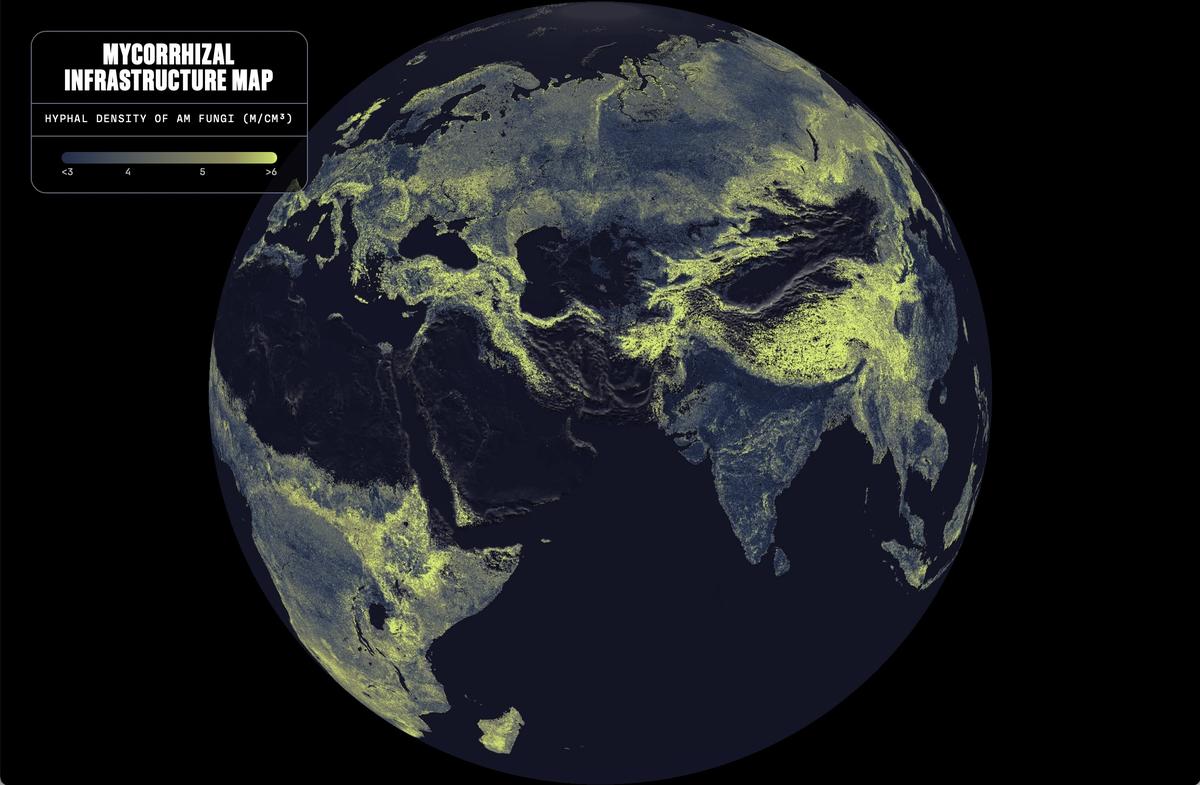
Scientists have long known that there are huge networks of fungi underground. Now, researchers have created a map of these fungal webs and how they are spread around the world. Their study reveals that if the threads of these fungi were laid out in a line, they could stretch to the sun about 730 million times.
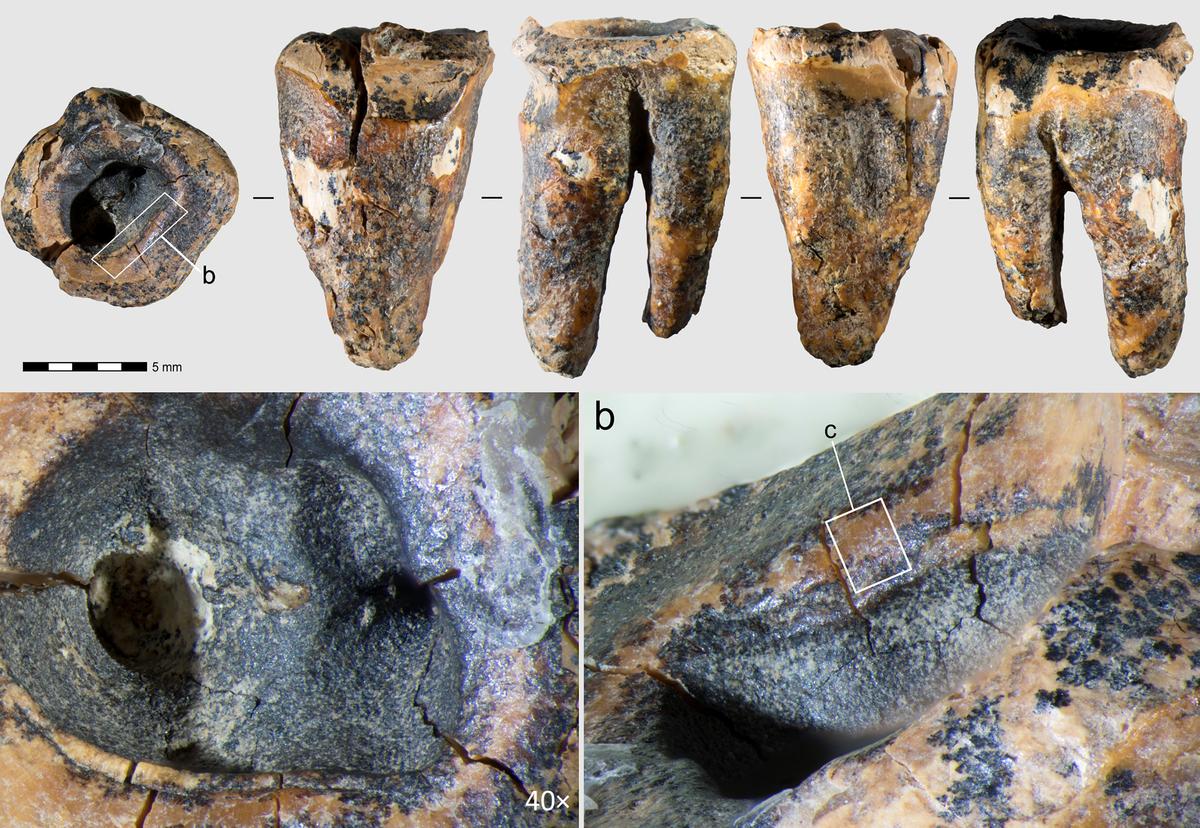
Scientists studying a Neanderthal tooth found in a Russian cave believe it may be the world's oldest example of dental work. The tooth, which is about 59,000 years old, shows signs of having been drilled to try to fix a cavity. The discovery suggests that Neanderthals were more advanced than scientists thought.

On April 19, about 12,000 runners took part in a half marathon in Beijing, China. On a separate track, beside the human runners, over 300 humanoid (human-like) robots tackled the same challenge. In a similar race last year, humans won easily. This year, the robots not only won, they beat the human world record.

Every year, some of the top high school seniors in the United States compete in the Regeneron Science Talent Search. This year, forty students were chosen as finalists and traveled to Washington, DC. Together, these students earned more than $1.8 million in prizes for their hard work. The winners were announced in March.
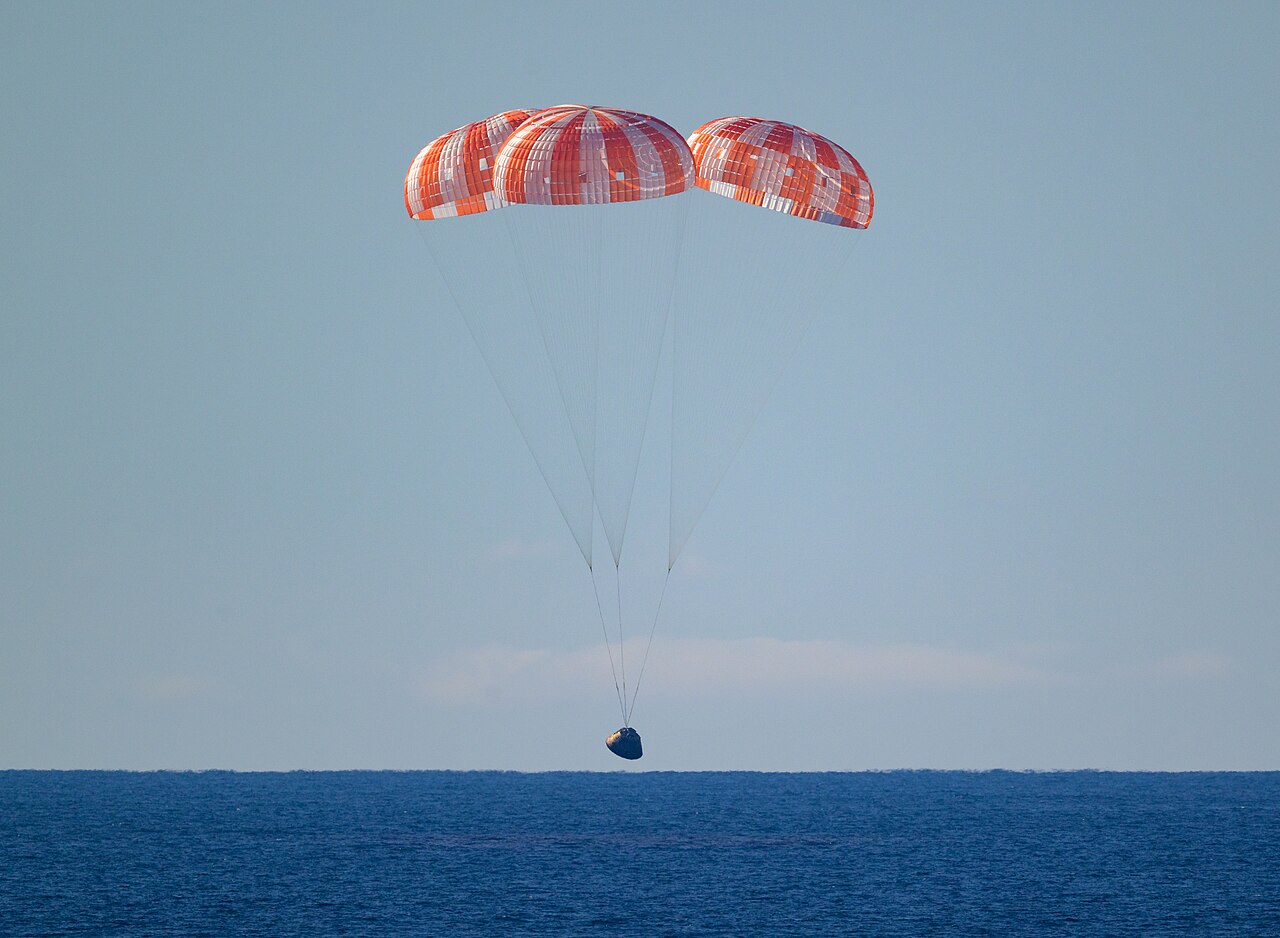
Last Friday evening, NASA's Artemis II mission came to an exciting end as the Orion spacecraft splashed down safely in the Pacific Ocean. The mission marked the first time in 53 years that astronauts have traveled around the moon. Its success brings NASA one step closer to its goal of sending humans to the moon again.
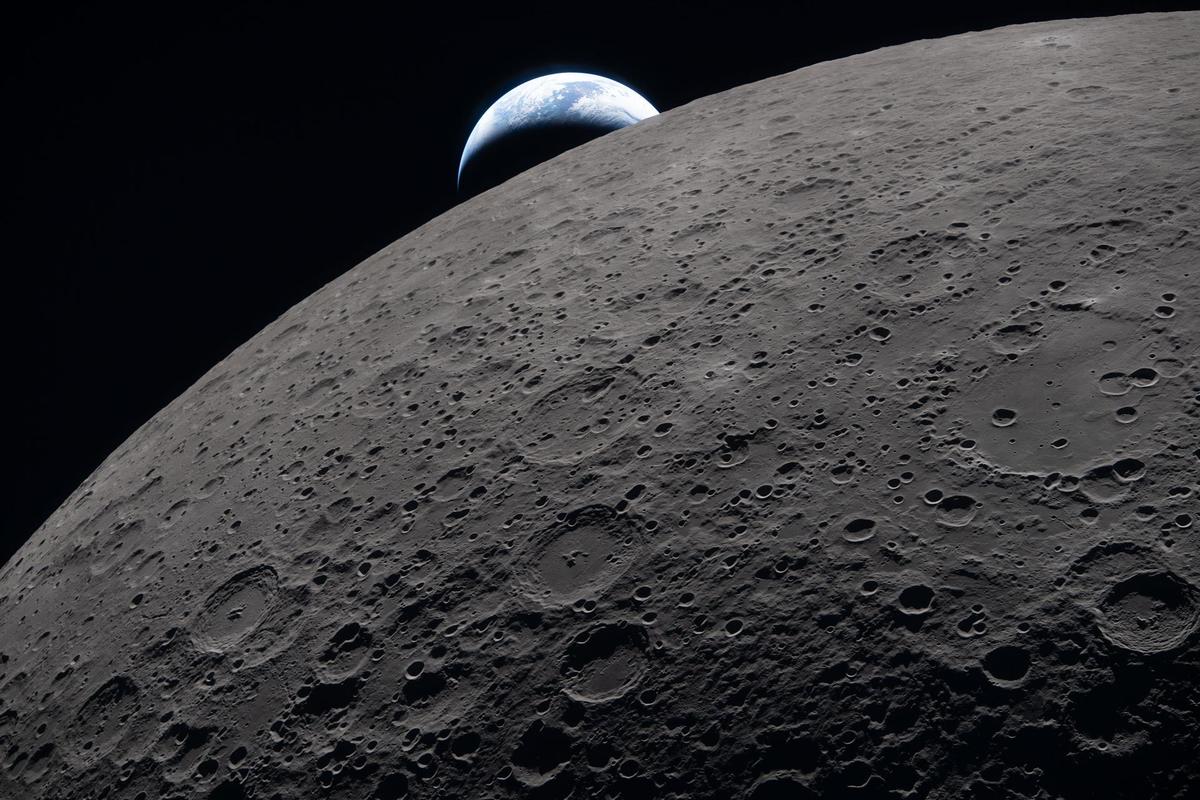
On Monday, the crew of NASA's Artemis II mission became the first humans to go behind the moon in over 50 years. The four astronauts on the mission are now on their way home, after traveling farther away from Earth than anyone ever has before. The spaceship is expected to splash down on Friday.

Last September, Albania introduced Diella, the world's first "government minister" powered by Artificial Intelligence. Diella was meant to help fight corruption. But now there are questions about Diella itself. And the woman whose face and voice are behind Diella is suing the government.
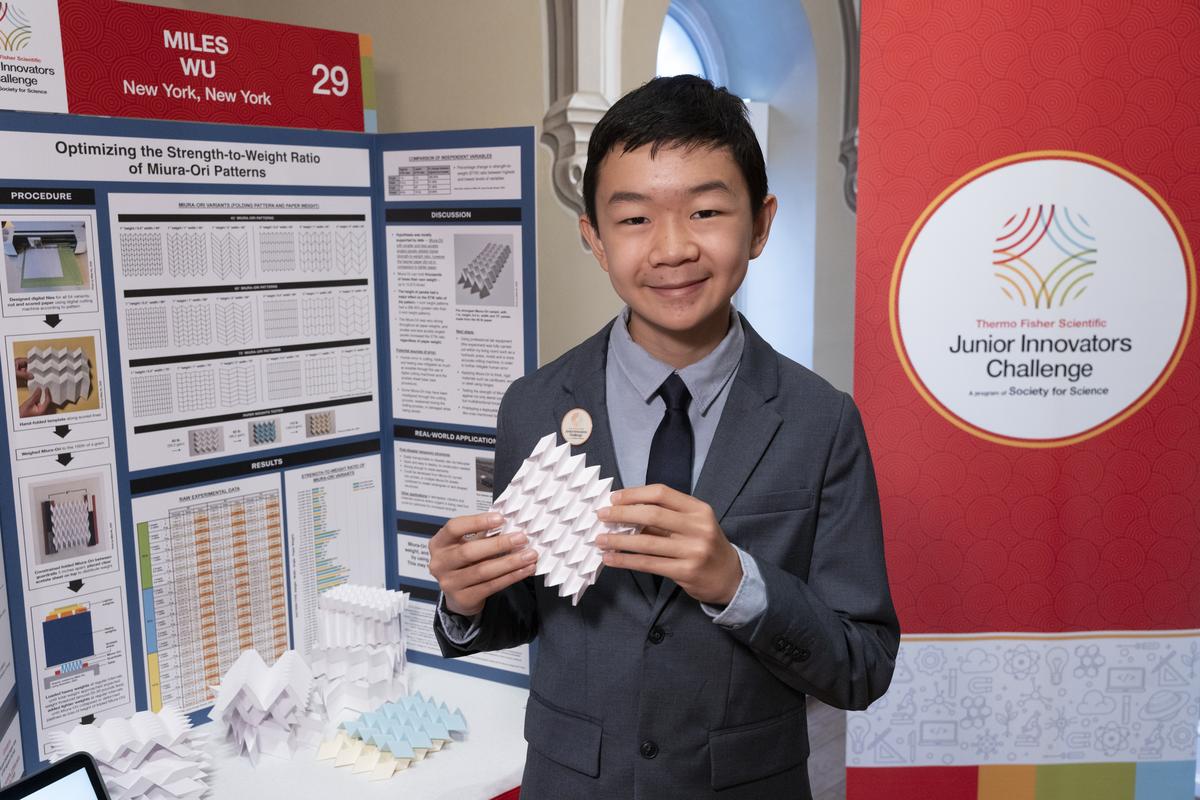
When he was just 8, Miles Wu discovered a love for origami – the Japanese art of folding paper. Last October, the 14-year-old's origami skills earned him the first prize in a national science competition - and proved that a simple sheet of paper can hold more than 10,000 times its own weight.

Scientists at the University of Pennsylvania have developed some of the world's smallest robots. The tiny, light-powered robots are smaller than a grain of salt. But they have a built-in computer and can control their own movements as they swim through water.

Gladys West, whose work helped lead to the creation of GPS, has died at age 95. Ms. West, a Black mathematician and computer programmer, grew up working on a farm in Virginia. Her efforts for the US Navy helped make GPS possible. But until recent years, very few people knew of her work.