
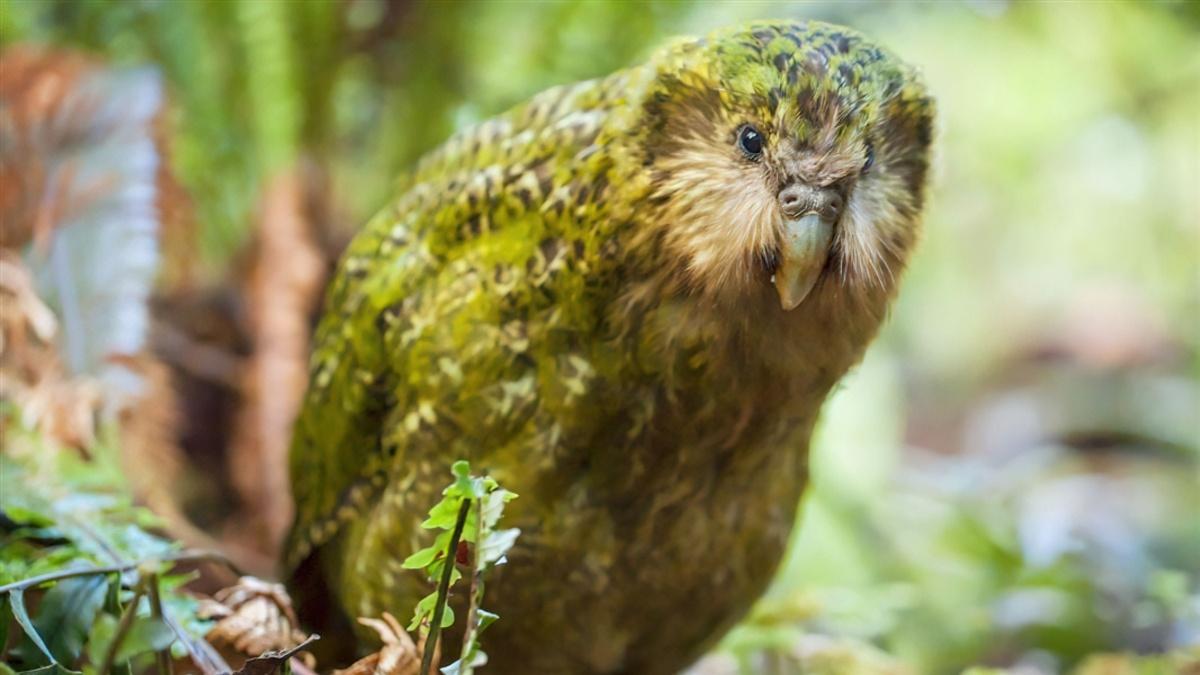
New Zealand's kakapos are some of the strangest birds in the world. They're heavy, flightless parrots that are only active at night. And they're endangered. Now, thanks to efforts to protect them, kakapos may be bouncing back. Scientists are expecting a record number of kakapo chicks to be born this year.
Published in “Environment”
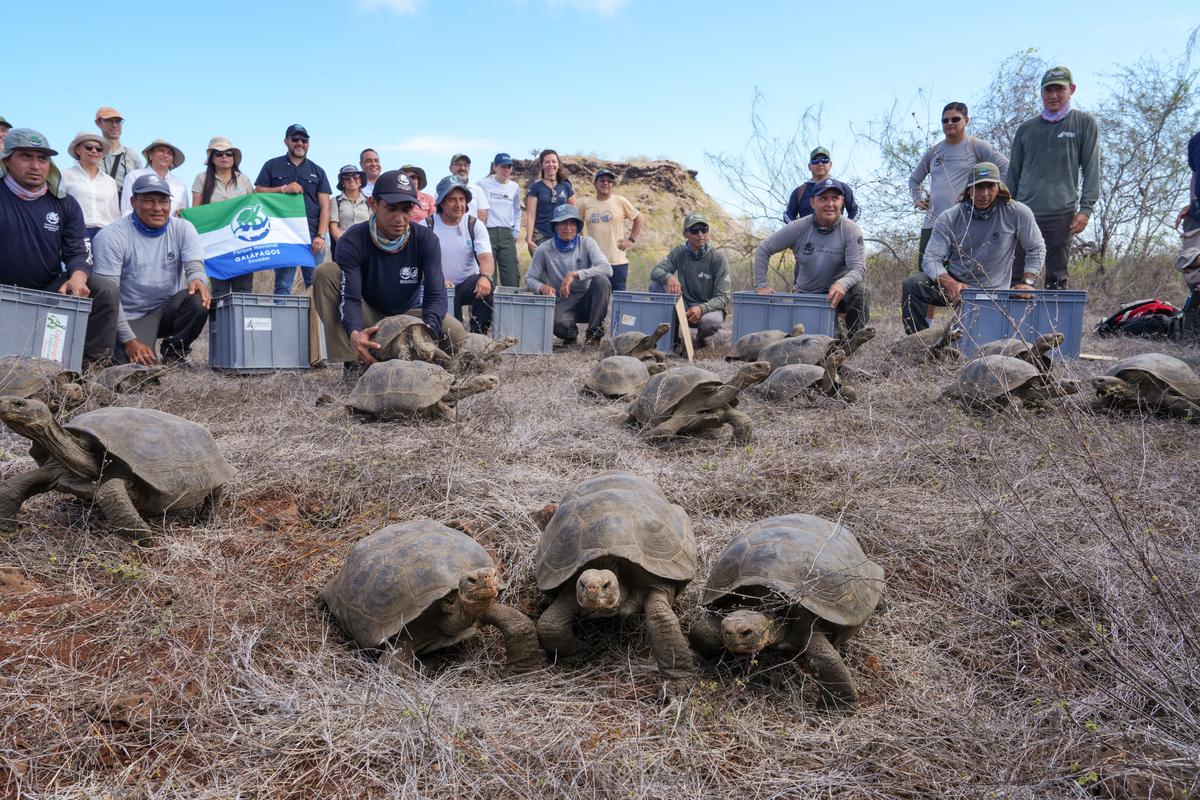
For the first time in roughly 150 years, giant tortoises have begun roaming Floreana Island in the Galapagos Islands again. The tortoises were released last Friday. It's a big step in restoring the island's natural environment, and is part of a larger project to return several other animals to the island.

Last Thursday, US President Donald Trump announced that his government has gotten rid of an important rule which says that the pollution causing global warming is dangerous. The change will make it much harder for the US government - now or in the future - to act on the climate crisis.
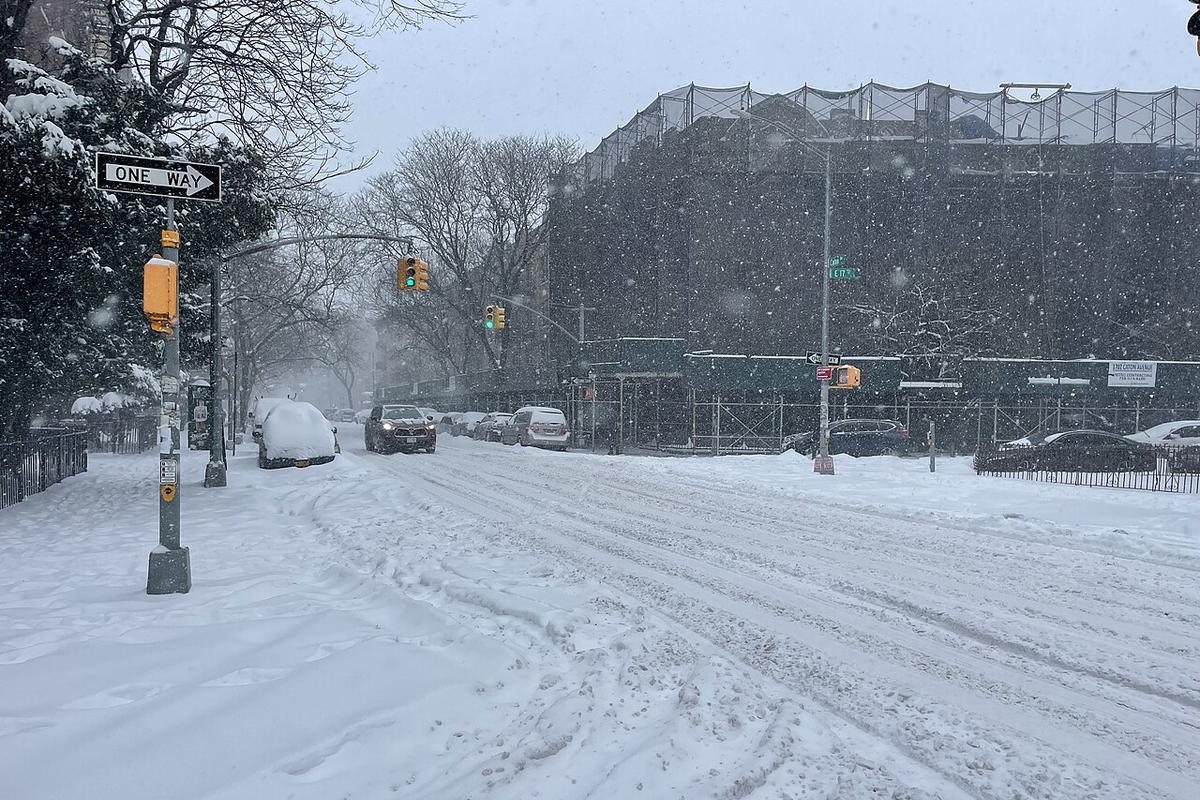
A massive winter storm has hit the US, bringing record-breaking low temperatures and huge amounts of snow and ice. The deadly storm left hundreds of thousands of people without power, and made travel nearly impossible in many areas. The storm's effects are being felt from the South all the way to the Northeast.
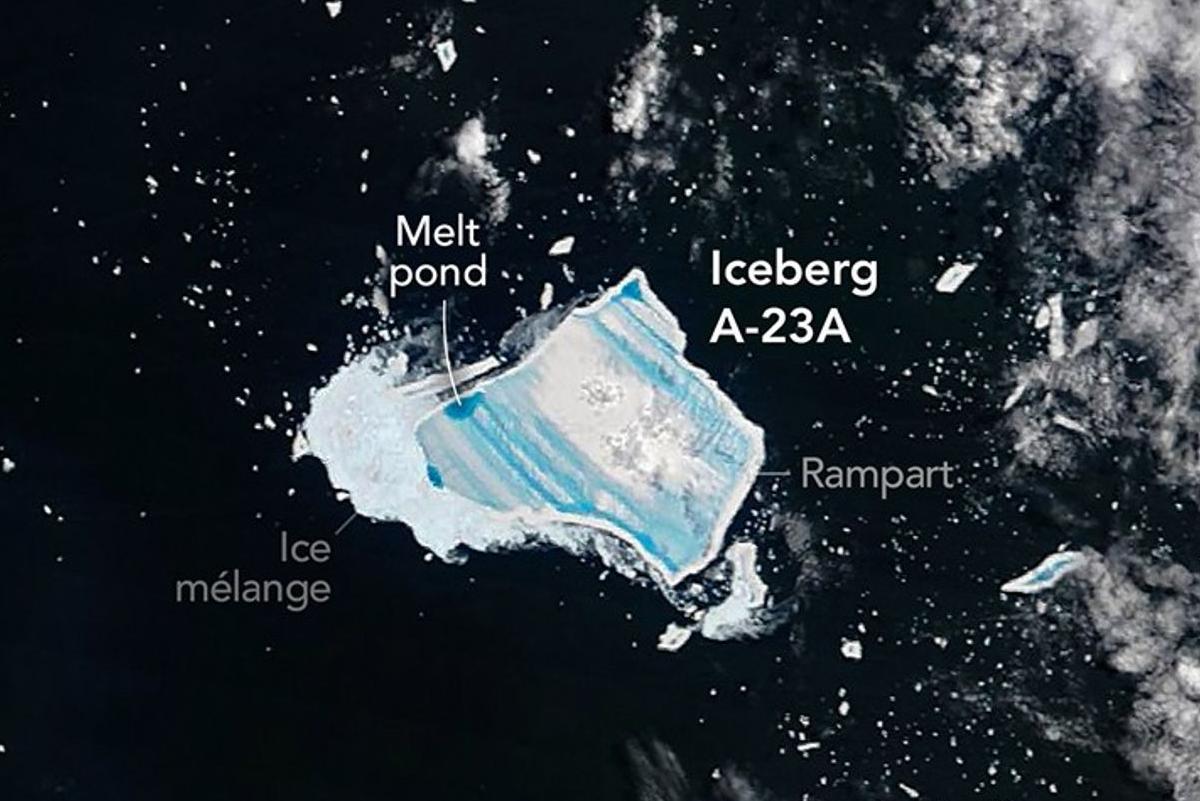
Scientists have been tracking the huge iceberg A23a for years. What was once the world's largest iceberg is rapidly shrinking in size, and is covered with blue water from melting ice. After 40 years, the massive iceberg is breaking up and is soon expected to disappear completely.
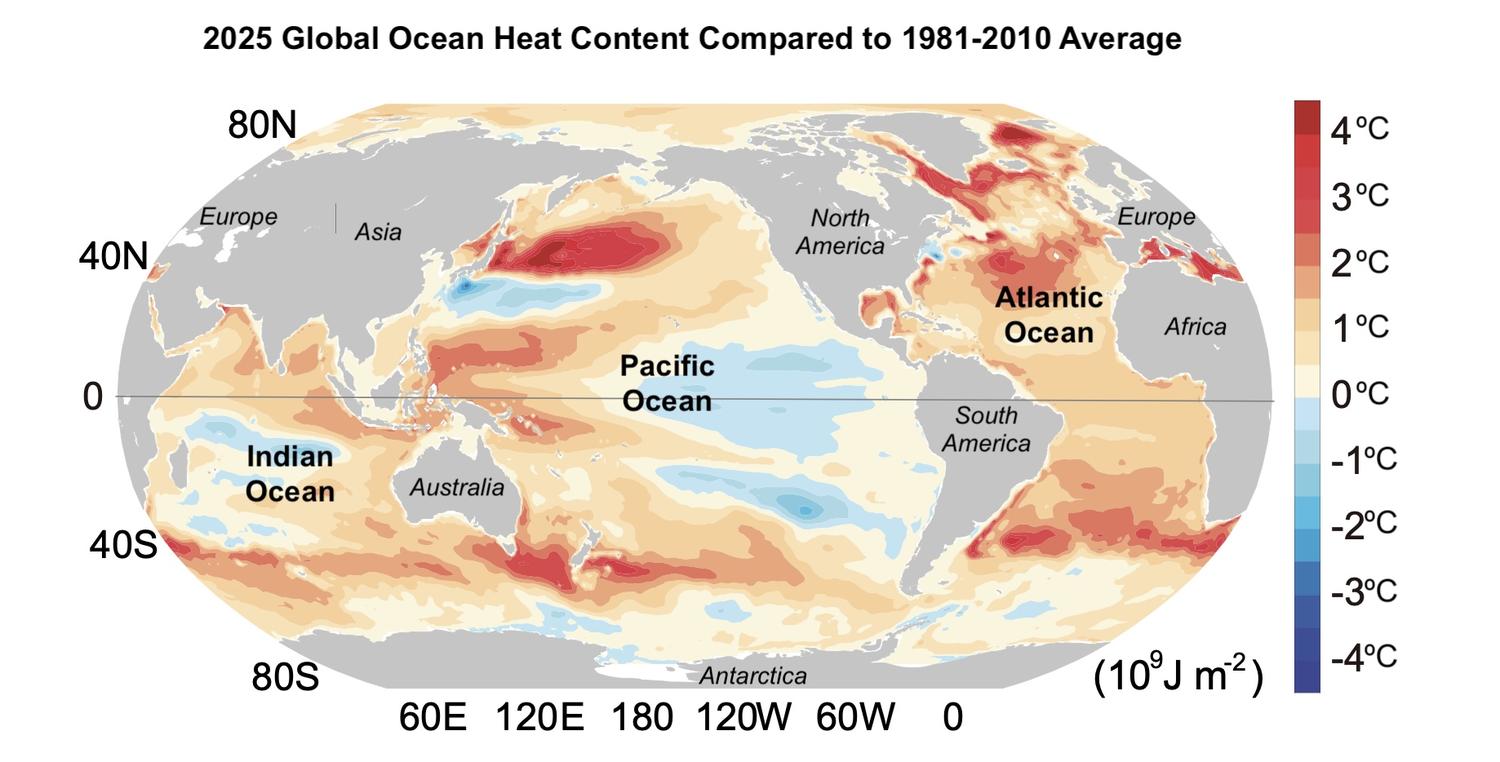
Scientists have released a new report showing that in 2025, the world's oceans heated up more than ever. The oceans have set new records for heating eight years in a row. The scientists say this is a clear sign that the planet is warming because of human actions. The effects will last for hundreds of years.
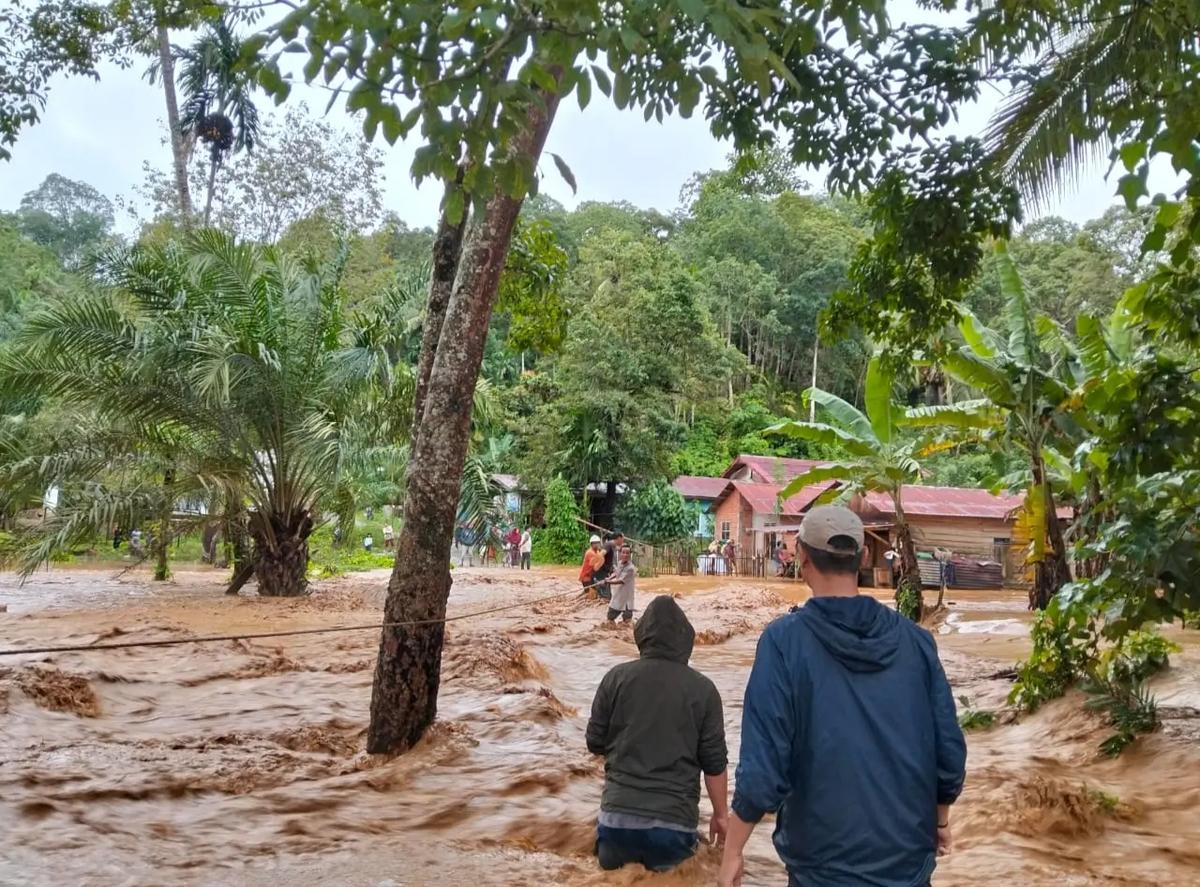
Strong storms and heavy rains have caused terrible flooding in several countries in southern Asia, including Indonesia, Sri Lanka, and Thailand. In all, over 1,100 people have died, and millions have been forced to leave their homes.

Hayli Gubbi, a volcano in northern Ethiopia, erupted on Sunday, sending a huge cloud of smoke and ash into the air. The volcano had not erupted in recent history, and the ash cloud has spread into nearby countries, causing some flight delays.

The COP30 climate talks in Belém, Brazil ended last Saturday with a deal that left many people disappointed. The meeting, organized by the United Nations, was marked by strong disagreements between countries. The talks resulted in a deal, but without any new agreements on fossil fuels.
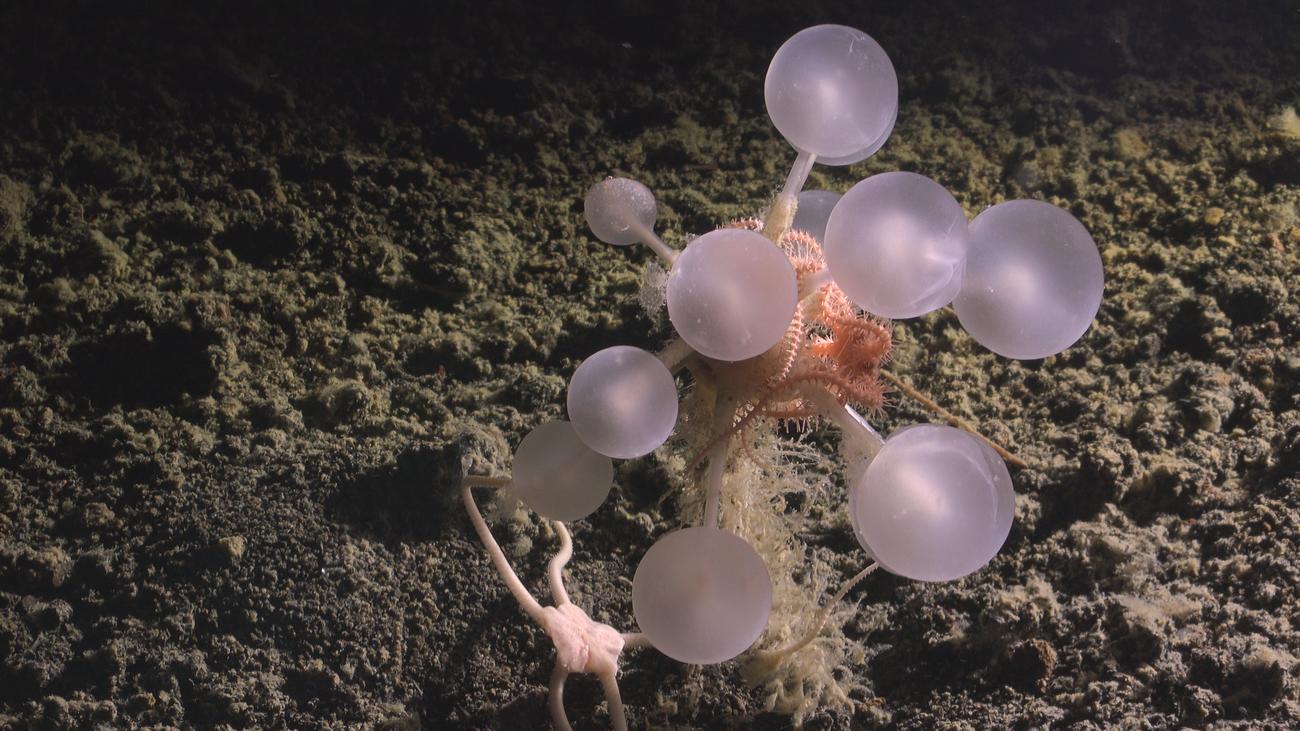
By exploring deep under the Southern Ocean, researchers have discovered 30 unusual species that are new to science. The species include a sponge that eats animals, worms that eat bones, and several news sea stars and sea worms.

Human history is sometimes recorded in unexpected ways. Scientists studying the ancient nests of bearded vultures in Spain have found over 200 human-made items built into the nests. One surprising item was a complete sandal woven from grass and small sticks. The sandal turned out to be over 650 years old.