

Gladys West, whose work helped lead to the creation of GPS, has died at age 95. Ms. West, a Black mathematician and computer programmer, grew up working on a farm in Virginia. Her efforts for the US Navy helped make GPS possible. But until recent years, very few people knew of her work.
Published in “Science”

A massive winter storm has hit the US, bringing record-breaking low temperatures and huge amounts of snow and ice. The deadly storm left hundreds of thousands of people without power, and made travel nearly impossible in many areas. The storm's effects are being felt from the South all the way to the Northeast.
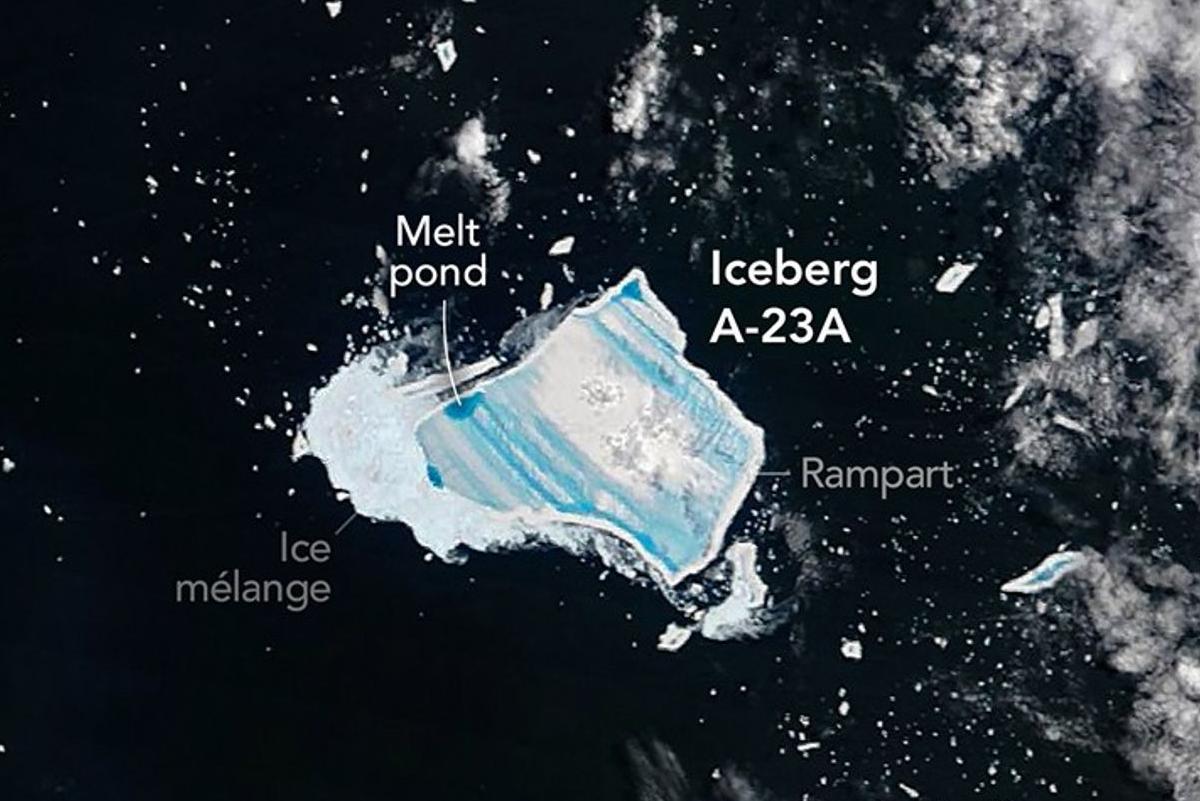
Scientists have been tracking the huge iceberg A23a for years. What was once the world's largest iceberg is rapidly shrinking in size, and is covered with blue water from melting ice. After 40 years, the massive iceberg is breaking up and is soon expected to disappear completely.
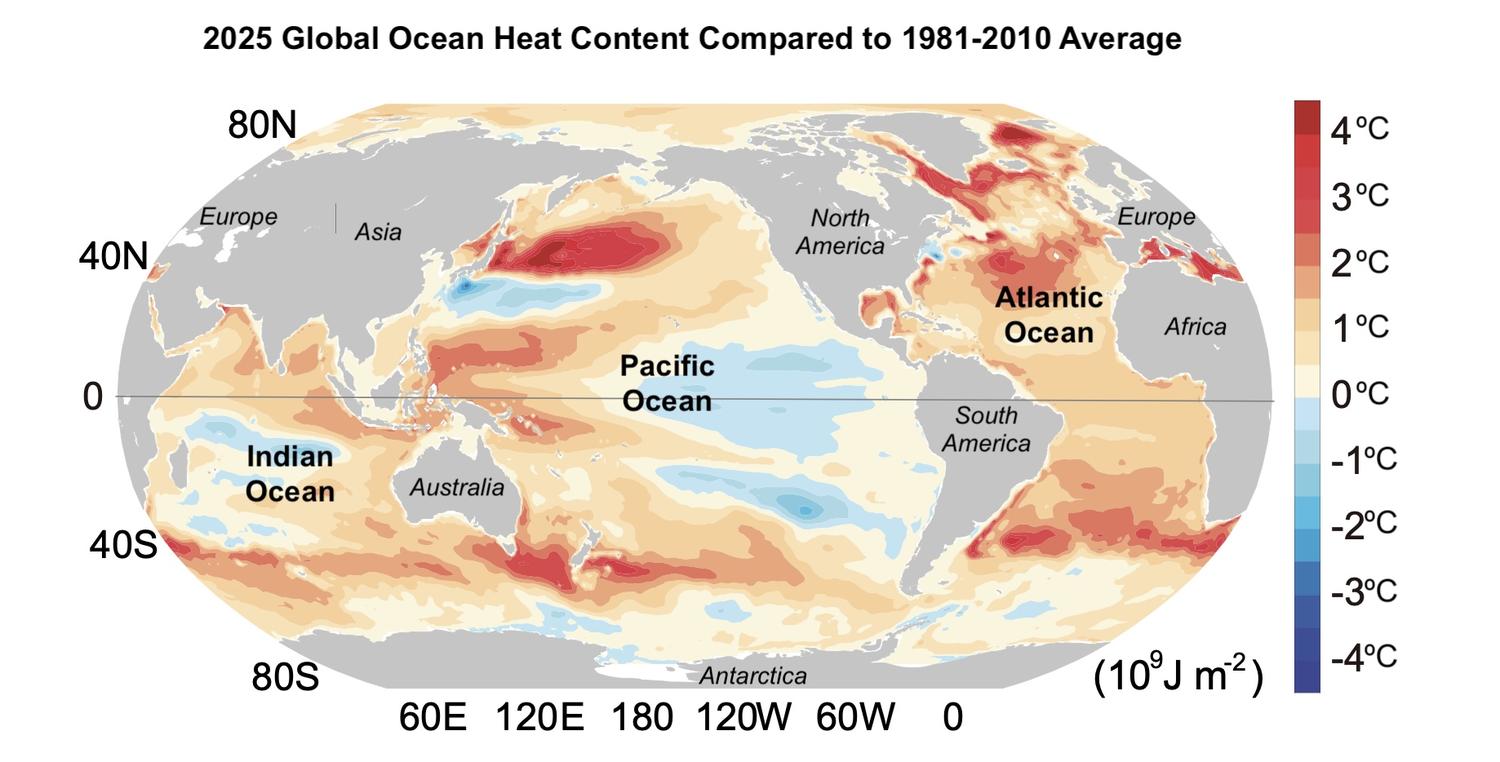
Scientists have released a new report showing that in 2025, the world's oceans heated up more than ever. The oceans have set new records for heating eight years in a row. The scientists say this is a clear sign that the planet is warming because of human actions. The effects will last for hundreds of years.

To recap 2025, NewsForKids.net is taking a look back at some of the most interesting stories we’ve covered this year. Today we’re looking at some incredible stories from the world of science.

Denmark's government-run postal service will stop carrying letters at the end of this year. The move is in response to a huge drop in the number of letters being sent. Many postal services around the world are struggling, and some people think Denmark won't be the only country to stop delivering letters.
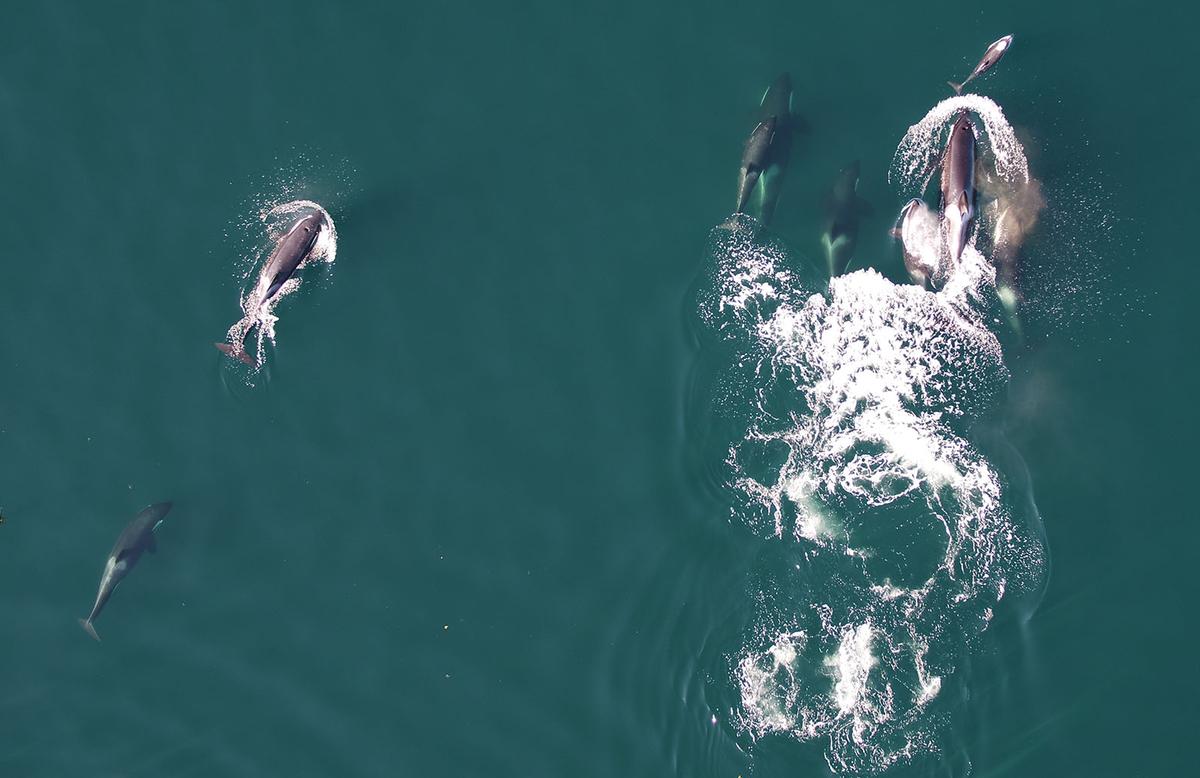
Scientists have discovered that two different kinds of sea animals – orcas and dolphins – may be working together to hunt for salmon. Orcas and dolphins are both clever, but it's unusual for two different kinds of animals to cooperate in this way.

Starting today, children under 16 in Australia will no longer be allowed to have accounts on many popular social media apps. Australia is the first country to take this step. The new law aims to protect children, but it has upset social media companies, as well as many teens.
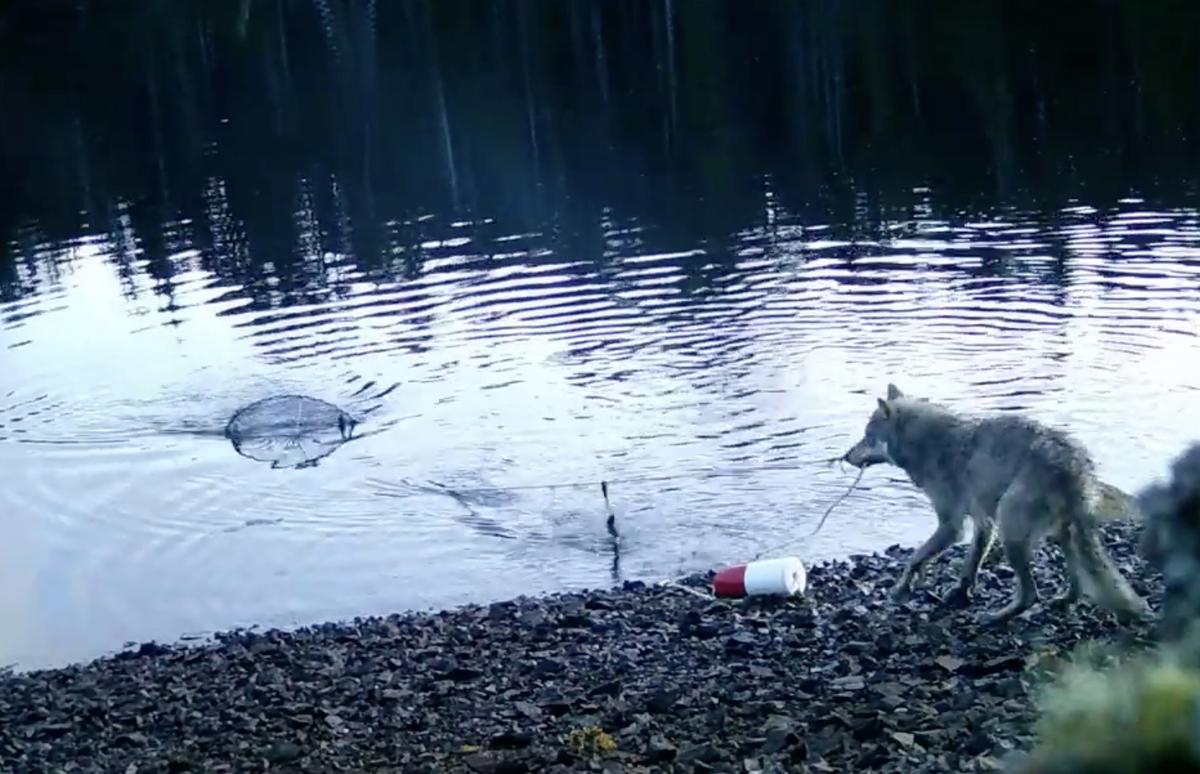
In 2021, the Heiltsuk Nation in Canada set traps to catch invasive European green crabs. The traps kept getting destroyed, and no one knew how. When scientists set up a camera to learn what was going on, they got a surprise: a clever wolf had used a series of complicated steps to get food from the trap.
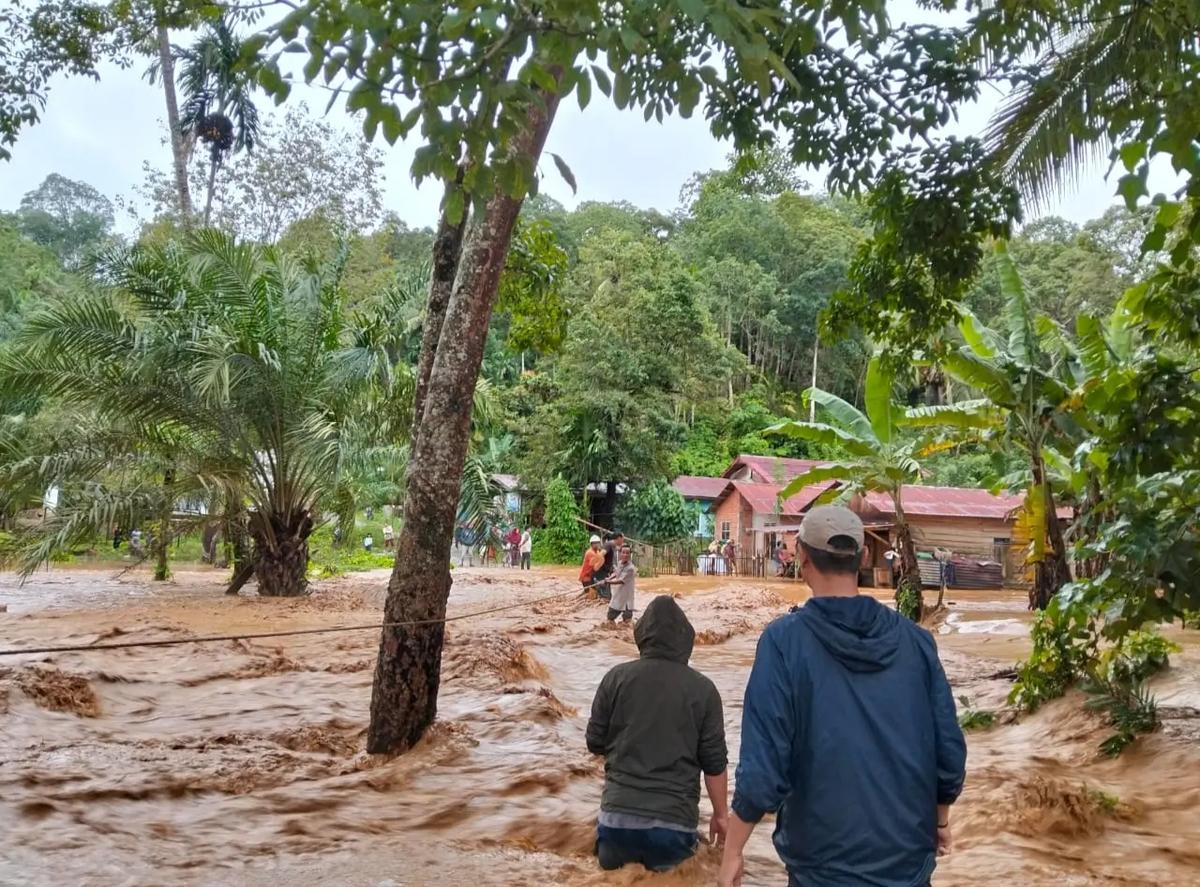
Strong storms and heavy rains have caused terrible flooding in several countries in southern Asia, including Indonesia, Sri Lanka, and Thailand. In all, over 1,100 people have died, and millions have been forced to leave their homes.

Hayli Gubbi, a volcano in northern Ethiopia, erupted on Sunday, sending a huge cloud of smoke and ash into the air. The volcano had not erupted in recent history, and the ash cloud has spread into nearby countries, causing some flight delays.