
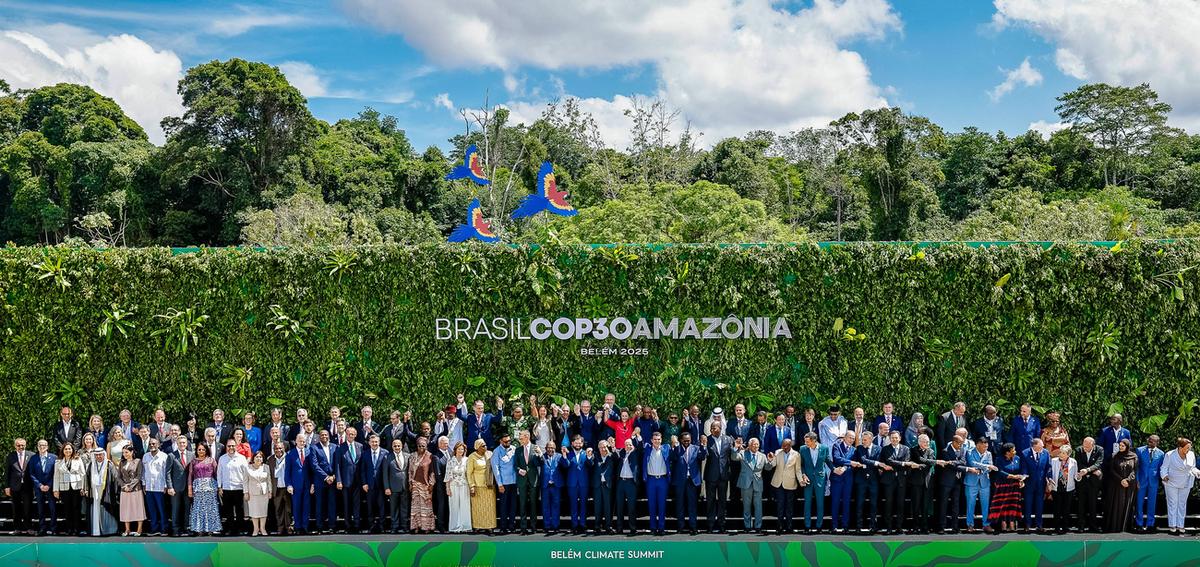
The COP30 climate talks in Belém, Brazil ended last Saturday with a deal that left many people disappointed. The meeting, organized by the United Nations, was marked by strong disagreements between countries. The talks resulted in a deal, but without any new agreements on fossil fuels.
Published in “Science”
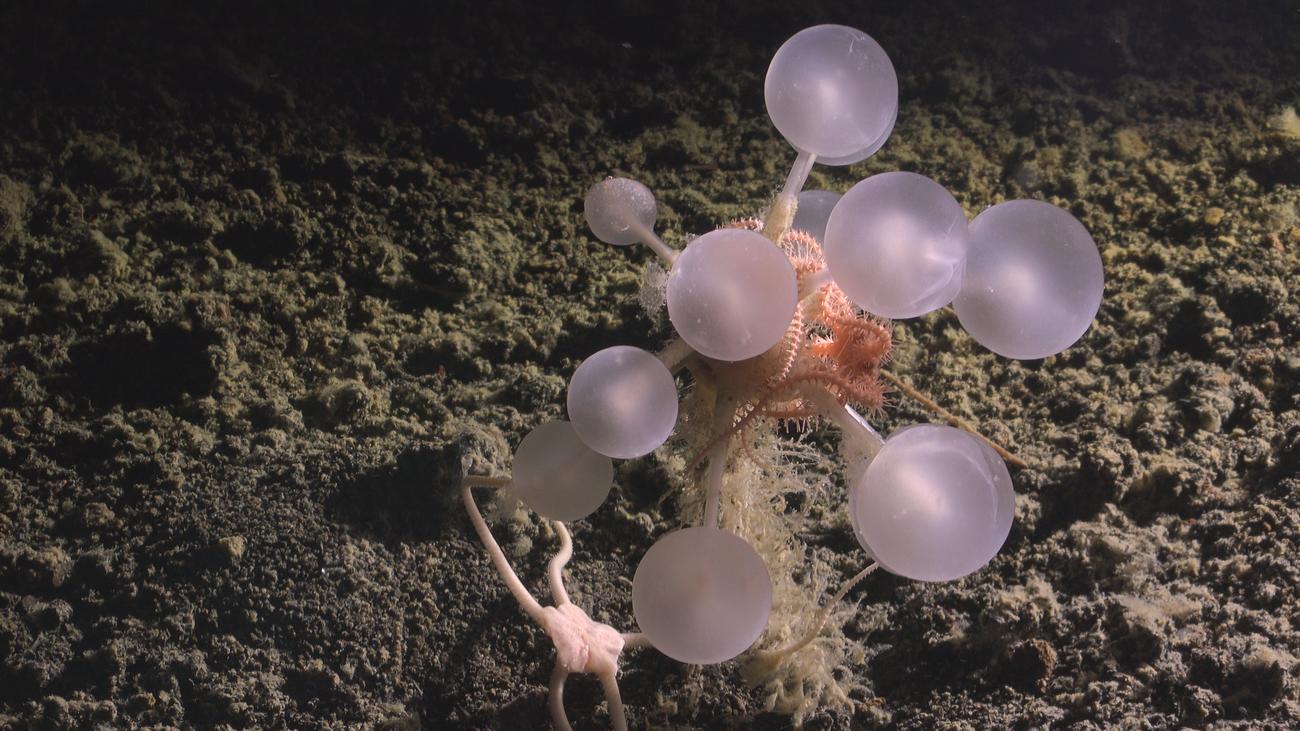
By exploring deep under the Southern Ocean, researchers have discovered 30 unusual species that are new to science. The species include a sponge that eats animals, worms that eat bones, and several news sea stars and sea worms.
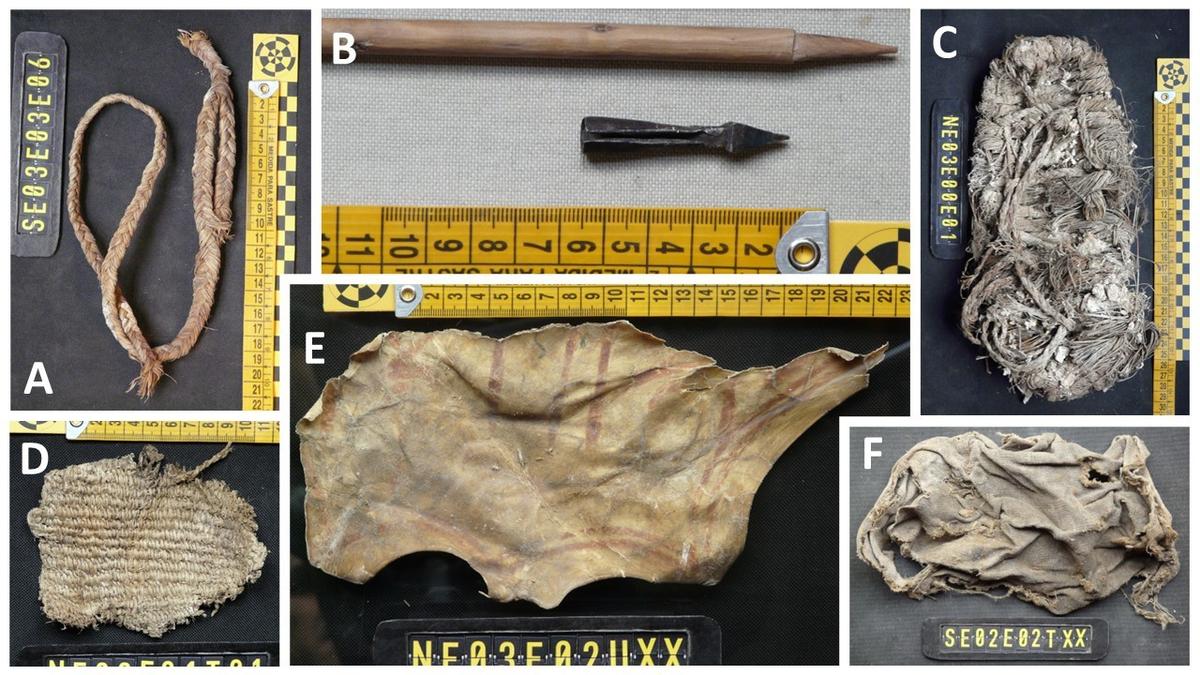
Human history is sometimes recorded in unexpected ways. Scientists studying the ancient nests of bearded vultures in Spain have found over 200 human-made items built into the nests. One surprising item was a complete sandal woven from grass and small sticks. The sandal turned out to be over 650 years old.

Doctors at a hospital in New York have begun a program that will test whether specially designed pig kidneys can be used to replace human kidneys. The results of the trial program could help thousands of people who are waiting for a new kidney.

On Monday, the important international climate meeting COP30 began in Belém, Brazil. The United States is skipping the meeting, but leaders from almost 200 other countries from around the world are working hard to try to reach agreements needed to tackle the climate crisis.
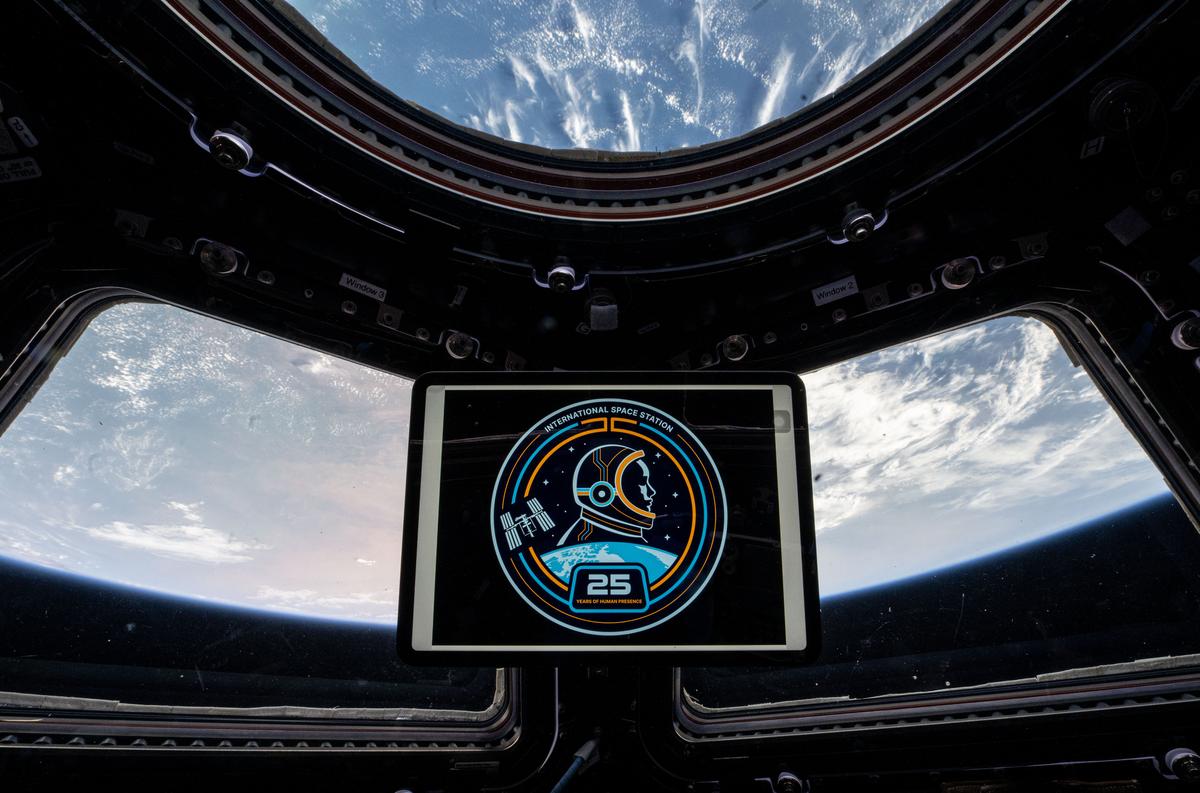
This week marks 25 years of humans living in space. On November 2, 2000, three astronauts became the first full-time workers at the International Space Station. Since then, the ISS has never been empty.
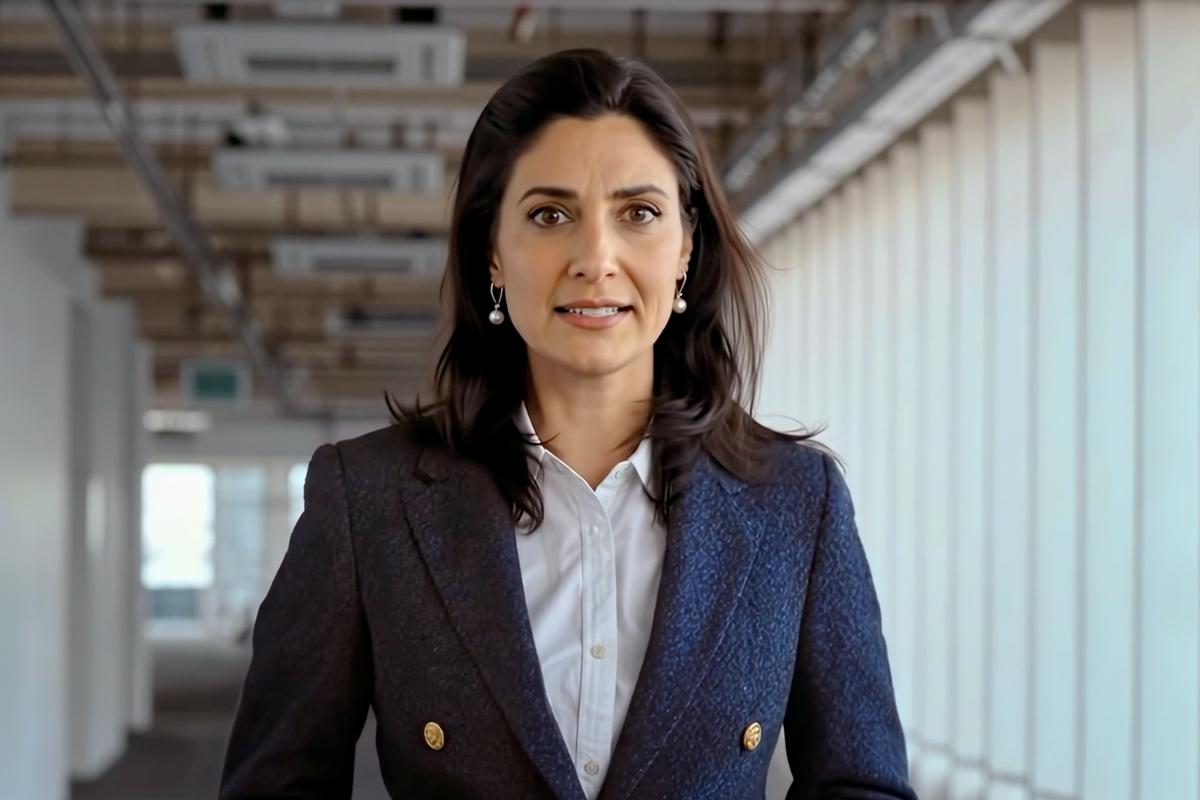
Over the last year or so, the quality of AI-generated videos has become so good that it's extremely difficult to tell whether a video is real or not. An English TV channel recently ran a show about AI. At the end of the episode, the "woman" presenting the show announced that she wasn't real.
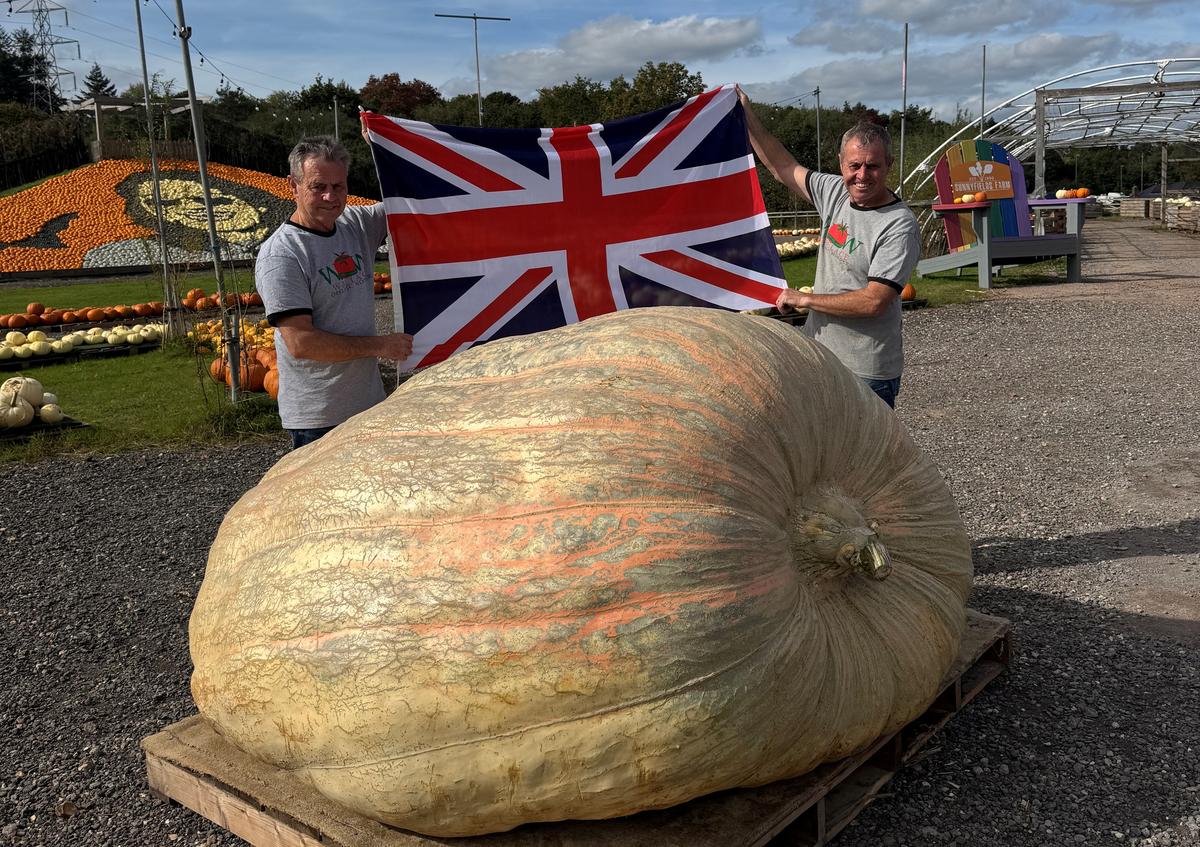
On October 6, two brothers - Ian and Stuart Paton - set a new world record for the heaviest pumpkin ever grown. The champion pumpkin beat the old world record by about 70 pounds (32 kilograms). It also set a new record for its size, measuring over 21 feet (6.4 meters) around.
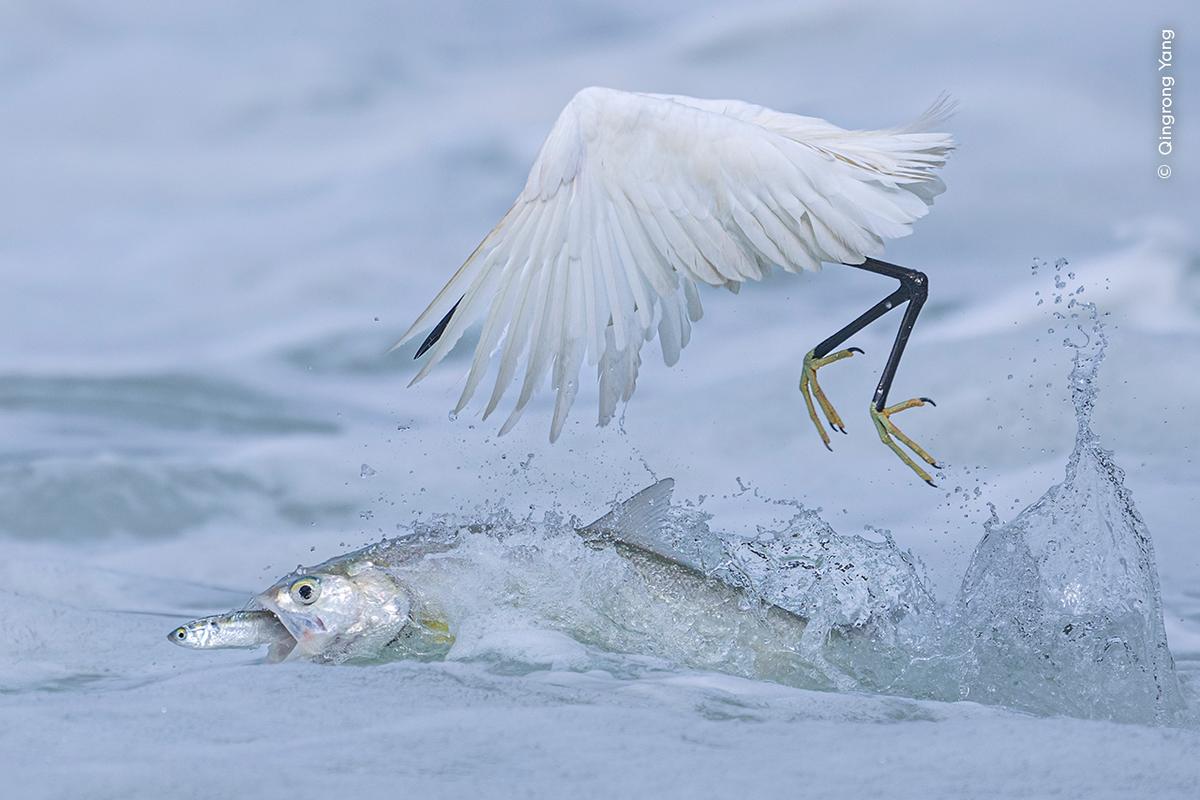
The Natural History Museum in London holds a yearly contest for the Wildlife Photographer of the Year. This year, the contest had a record 60,636 entries from around the world. Here are some of this year’s best pictures, and the stories behind them.
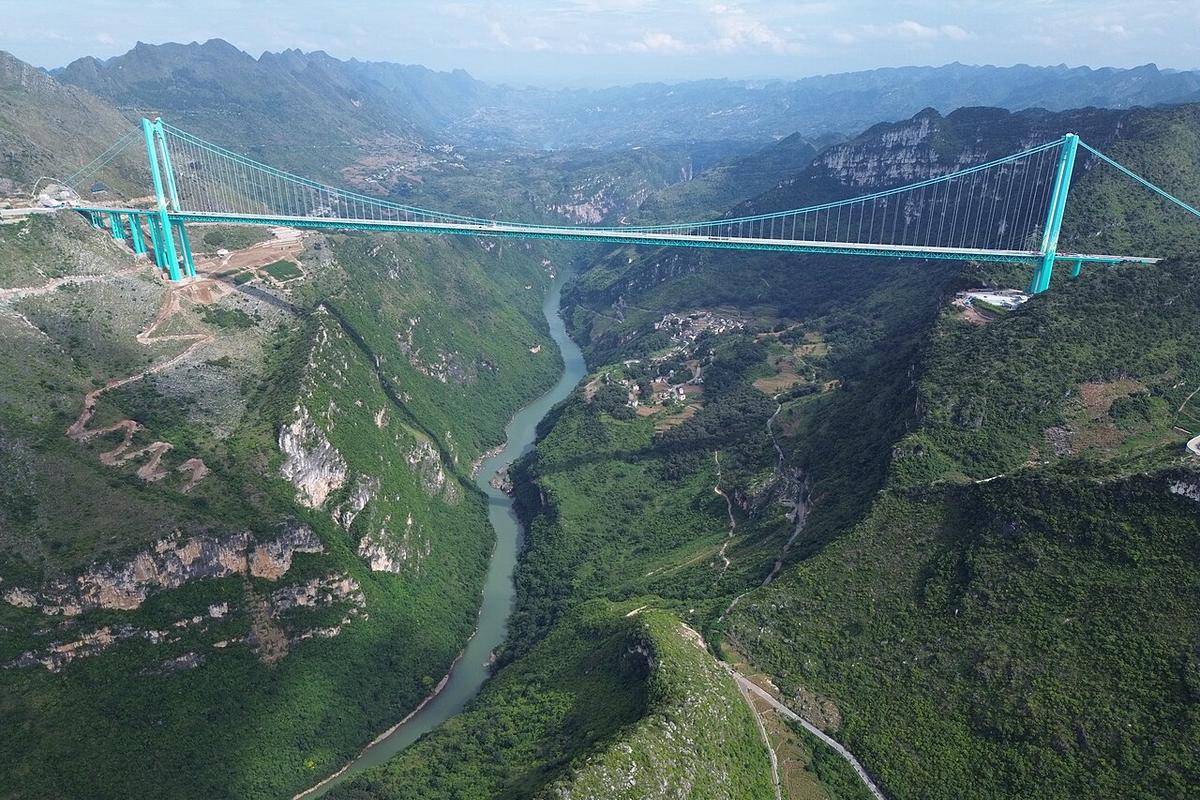
China already held the record for the world's tallest bridge. Now it has beaten its own record with an even higher bridge - one which crosses 2,051 feet (625 meters) above the Beipan River in Guizhou province. The bridge is expected to make travel much faster, and to bring tourists to the area.
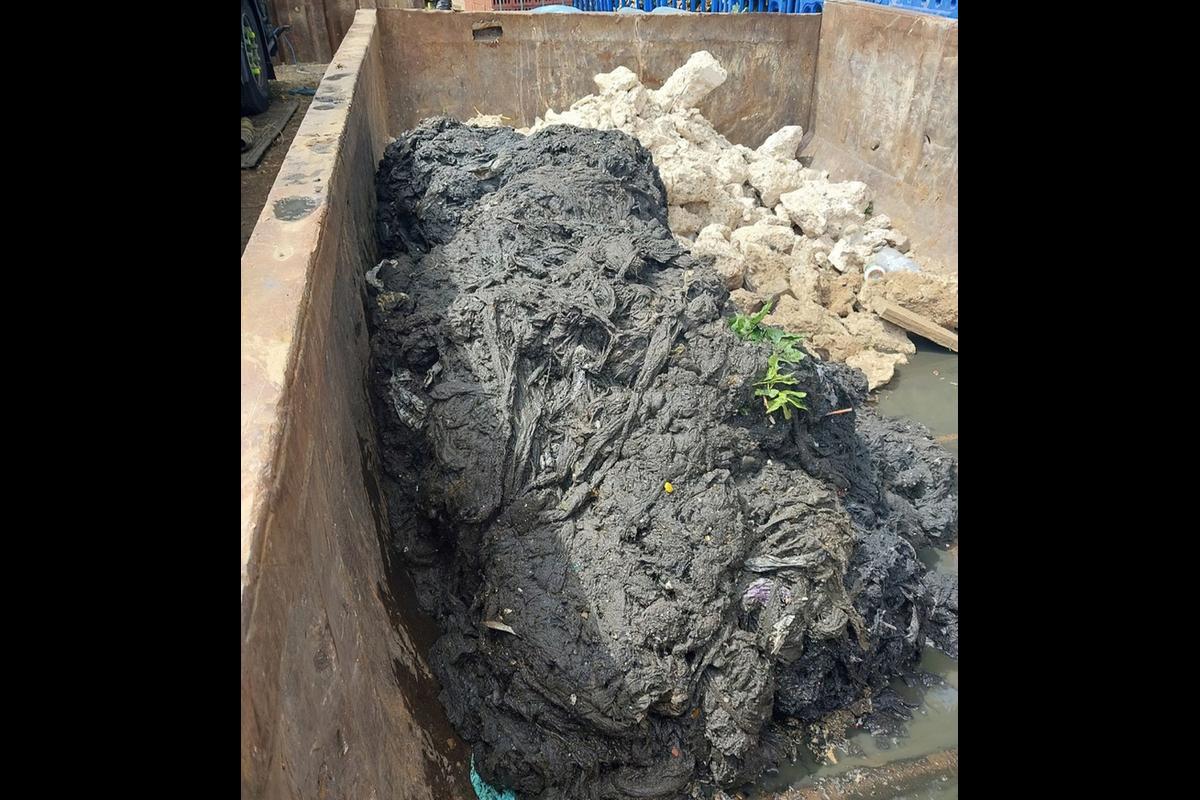
A water company in England has removed a massive "fatberg" which was blocking pipes in a London sewer. The fatberg was a hardened mess of grease, oil, wet wipes, and other items that had been put down toilets and sinks instead of into trash cans.