

Gladys West, whose work helped lead to the creation of GPS, has died at age 95. Ms. West, a Black mathematician and computer programmer, grew up working on a farm in Virginia. Her efforts for the US Navy helped make GPS possible. But until recent years, very few people knew of her work.
Published in “Technology”

Denmark's government-run postal service will stop carrying letters at the end of this year. The move is in response to a huge drop in the number of letters being sent. Many postal services around the world are struggling, and some people think Denmark won't be the only country to stop delivering letters.

Starting today, children under 16 in Australia will no longer be allowed to have accounts on many popular social media apps. Australia is the first country to take this step. The new law aims to protect children, but it has upset social media companies, as well as many teens.

By exploring deep under the Southern Ocean, researchers have discovered 30 unusual species that are new to science. The species include a sponge that eats animals, worms that eat bones, and several news sea stars and sea worms.

Doctors at a hospital in New York have begun a program that will test whether specially designed pig kidneys can be used to replace human kidneys. The results of the trial program could help thousands of people who are waiting for a new kidney.
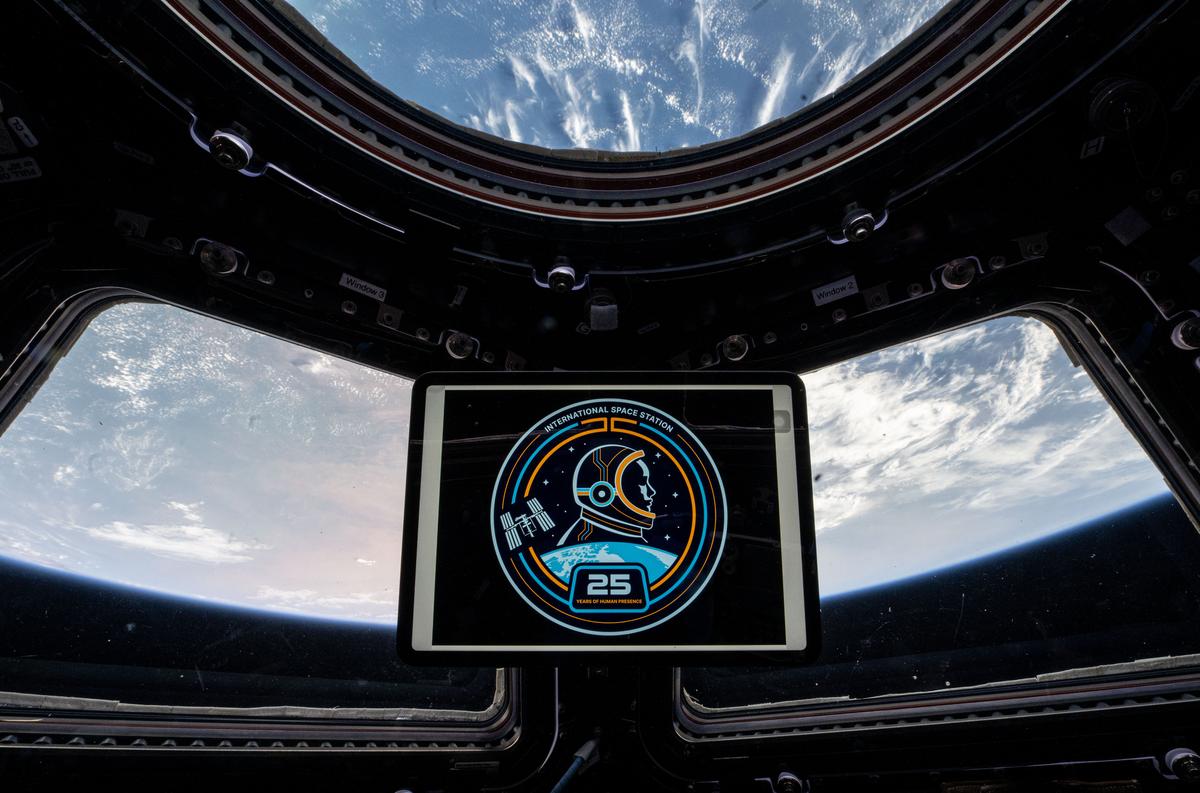
This week marks 25 years of humans living in space. On November 2, 2000, three astronauts became the first full-time workers at the International Space Station. Since then, the ISS has never been empty.

Over the last year or so, the quality of AI-generated videos has become so good that it's extremely difficult to tell whether a video is real or not. An English TV channel recently ran a show about AI. At the end of the episode, the "woman" presenting the show announced that she wasn't real.
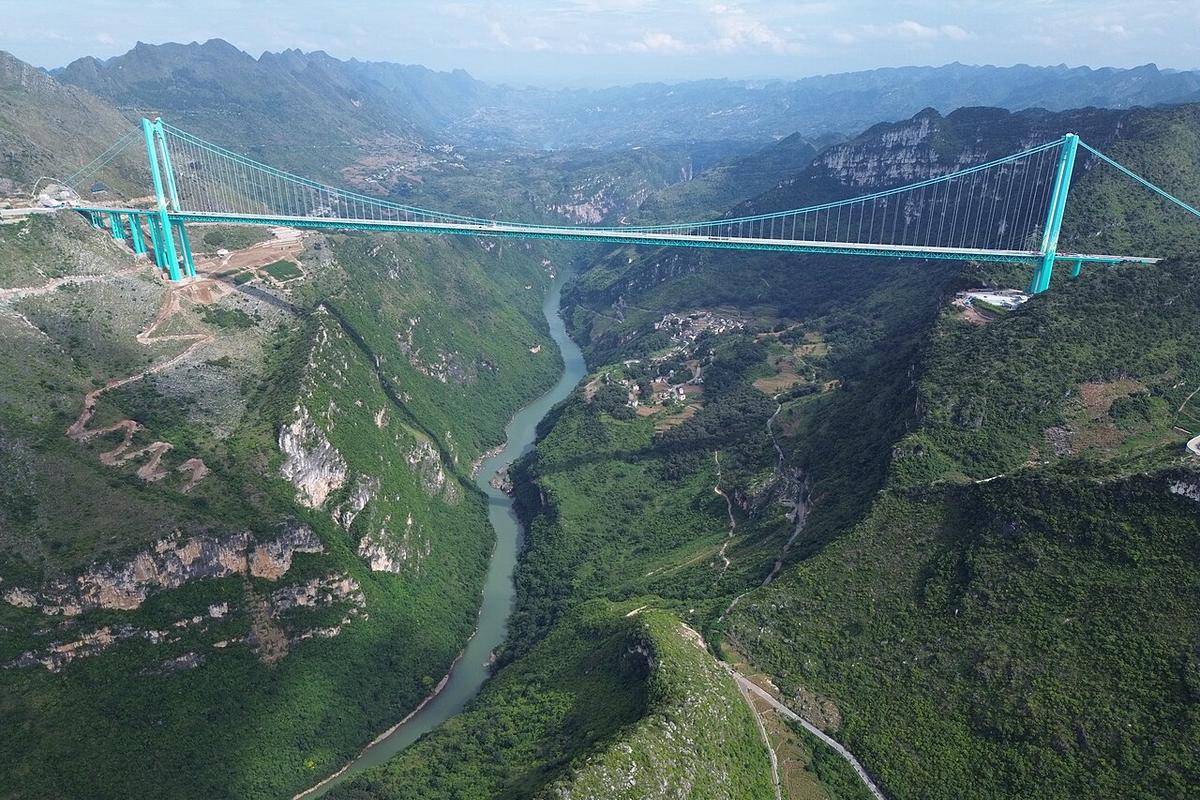
China already held the record for the world's tallest bridge. Now it has beaten its own record with an even higher bridge - one which crosses 2,051 feet (625 meters) above the Beipan River in Guizhou province. The bridge is expected to make travel much faster, and to bring tourists to the area.

The Free Software Foundation celebrated its 40th birthday last Saturday. First started in 1985, the FSF has helped shape the digital world we live in today. Its ideas about free software inspired the open‑source movement; now open‑source programs run on countless computers, phones, and devices around the globe.
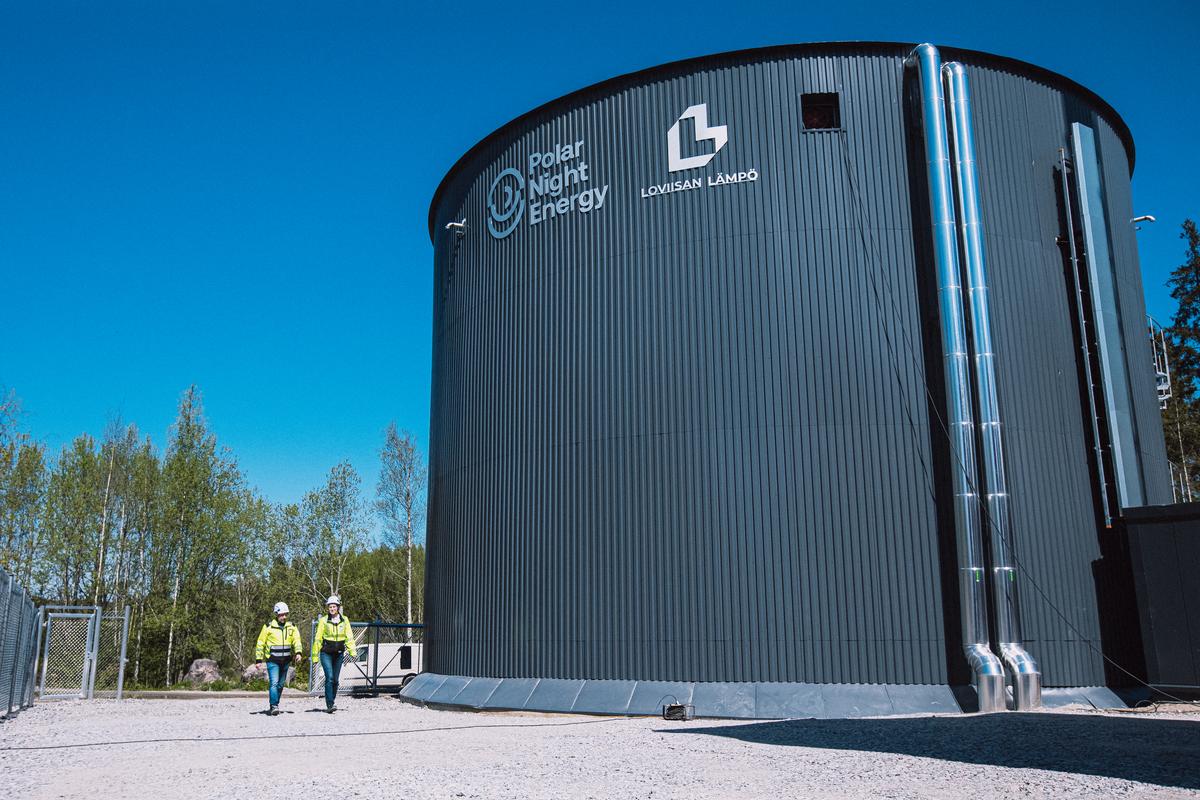
A town in Finland has begun using the world's largest "sand battery" to help provide heat. The unusual method of storing energy allows the town to create heat when electricity prices are cheap, and store it for long periods of time. The heat can then be used whenever it's needed.
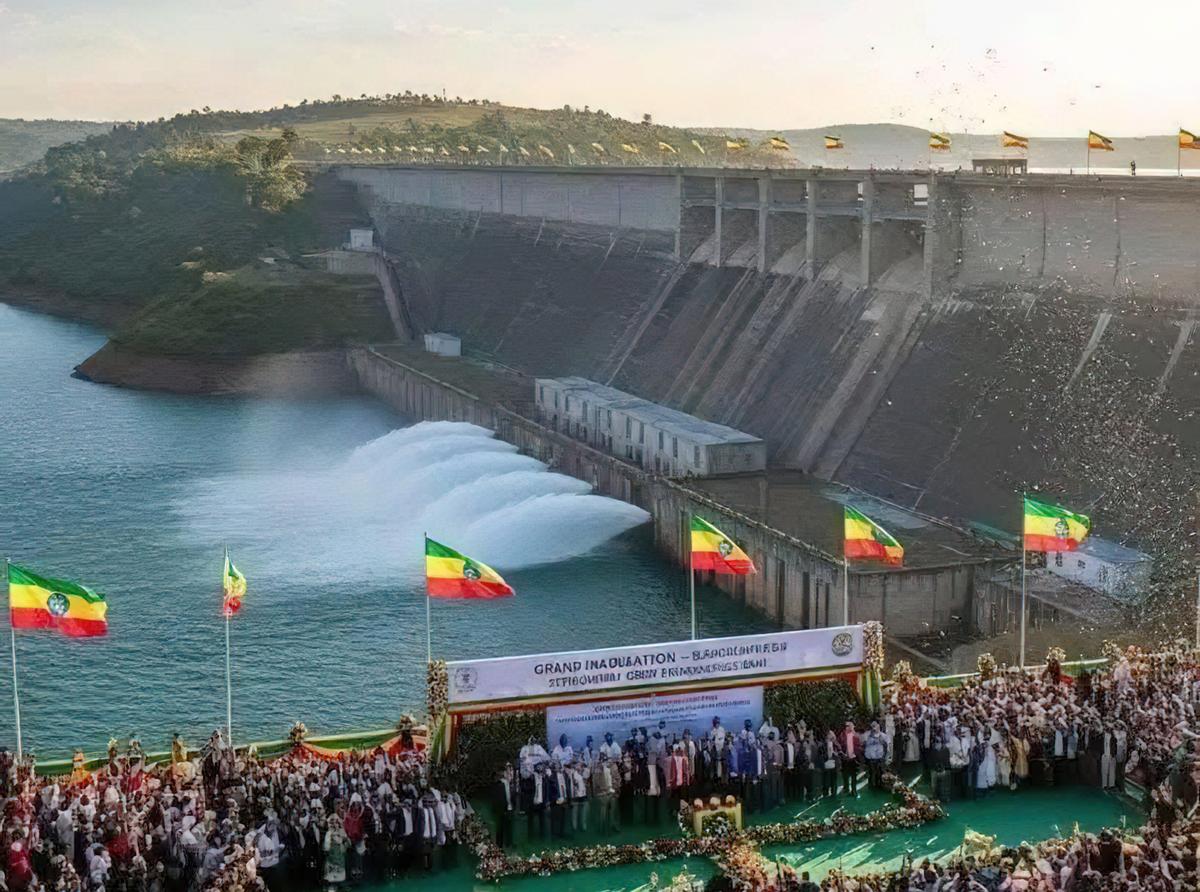
On Tuesday, Ethiopia held a special event to officially open Africa's largest dam. The $5 billion Grand Ethiopian Renaissance Dam is expected to bring electricity to millions of people in Ethiopia. But the dam has upset Egypt and Sudan, which rely heavily on the Nile River for its water.