
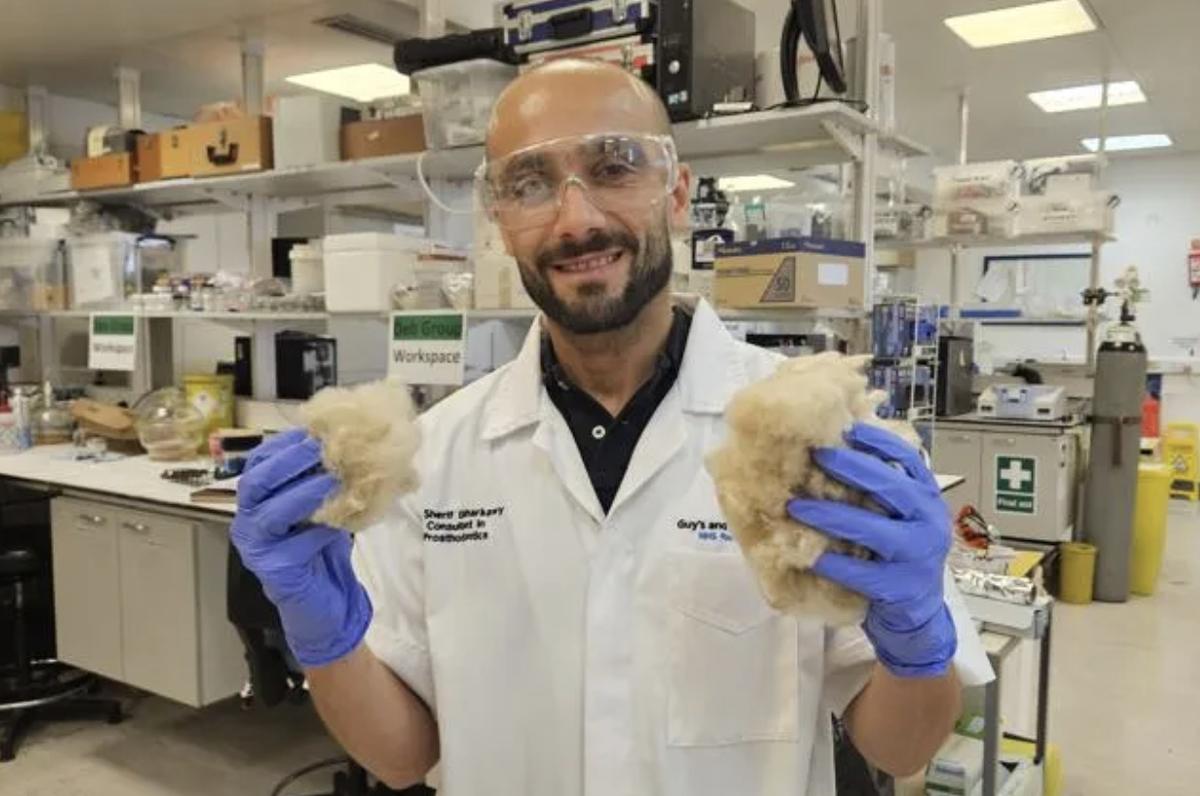
Scientists at Kings College London, have come up with a very unusual toothpaste - it was made using sheep's wool. The scientists say the toothpaste can not only protect teeth, but can also help repair damaged teeth.
Published in “Technology”
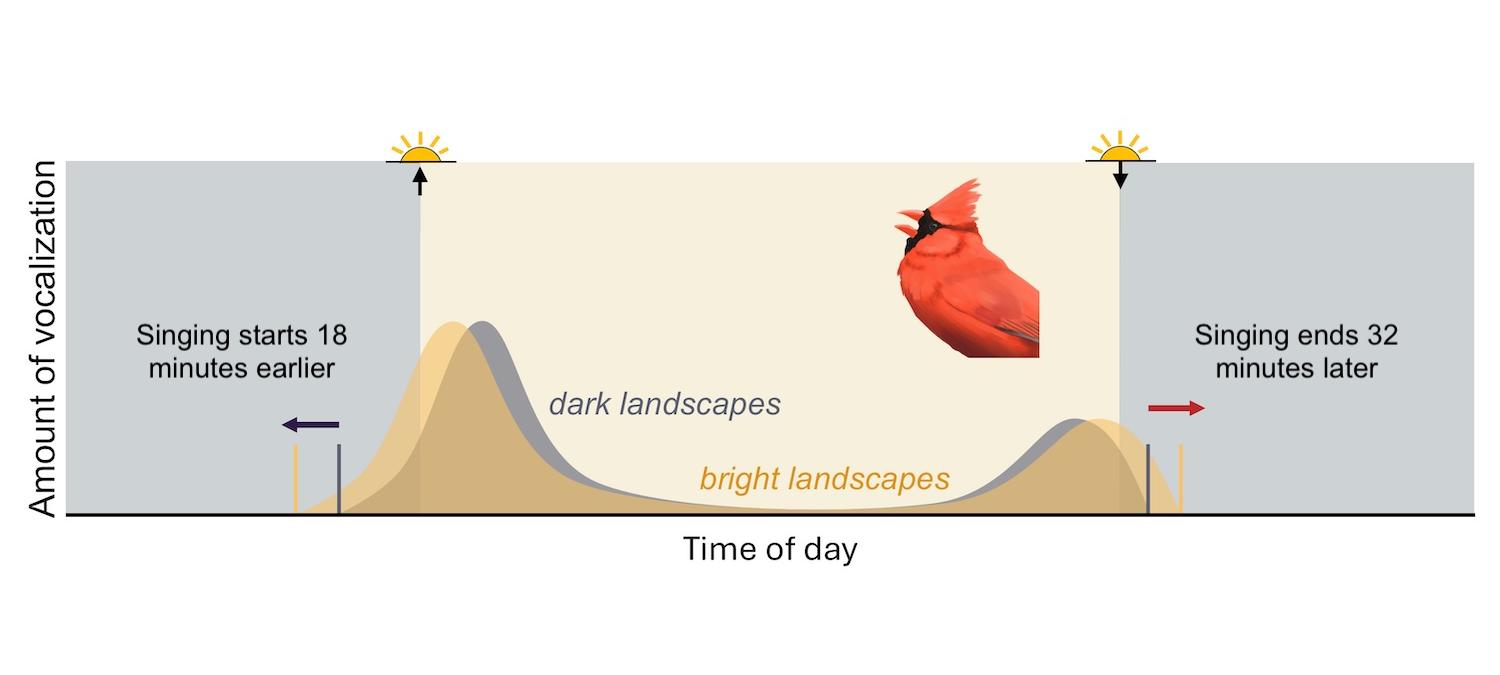
Birds are famous for waking up early. But in a recent study, scientists discovered that light pollution is leading birds to wake even earlier and go to sleep later. Bright lights are costing birds an average of 50 minutes of sleep each night.
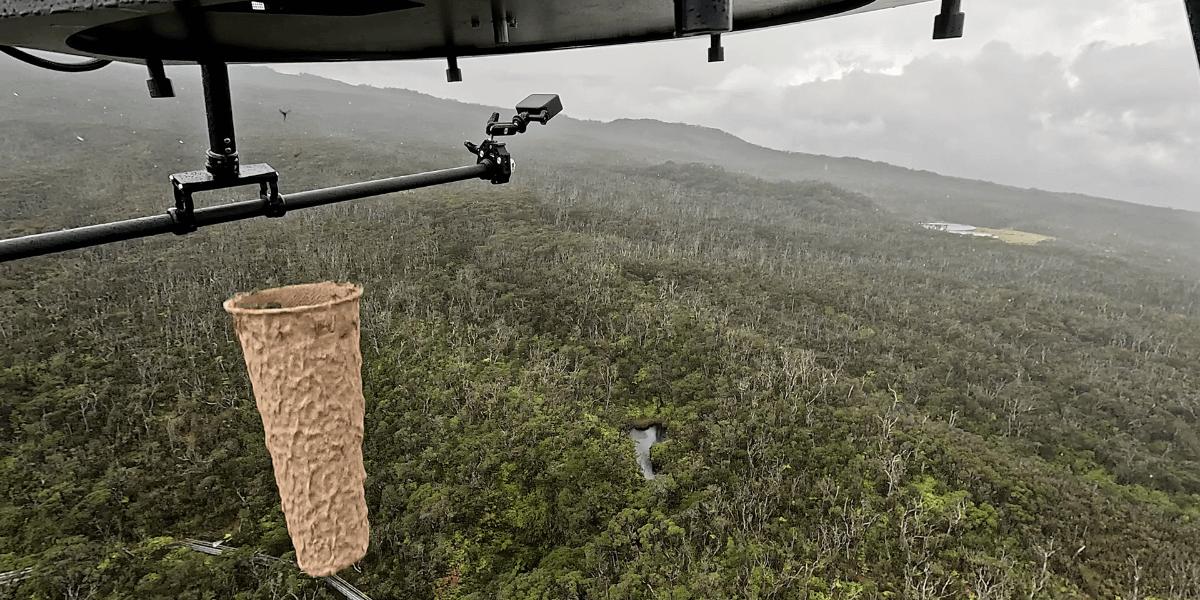
Birds, Not Mosquitoes is a collection of different groups working to protect Hawaii's native birds. The biggest concerns for these birds is avian malaria, which is spread by mosquitoes. Now BNM has started using drones to drop containers of specially treated male mosquitoes, hoping to lower the numbers of mosquitoes threatening the birds.

If you feel like yesterday just flew by, you're not wrong. Yesterday was the second shortest day this year - about a thousandth of a second faster than normal. For a number of reasons, the Earth will spin slightly faster on several days this summer.
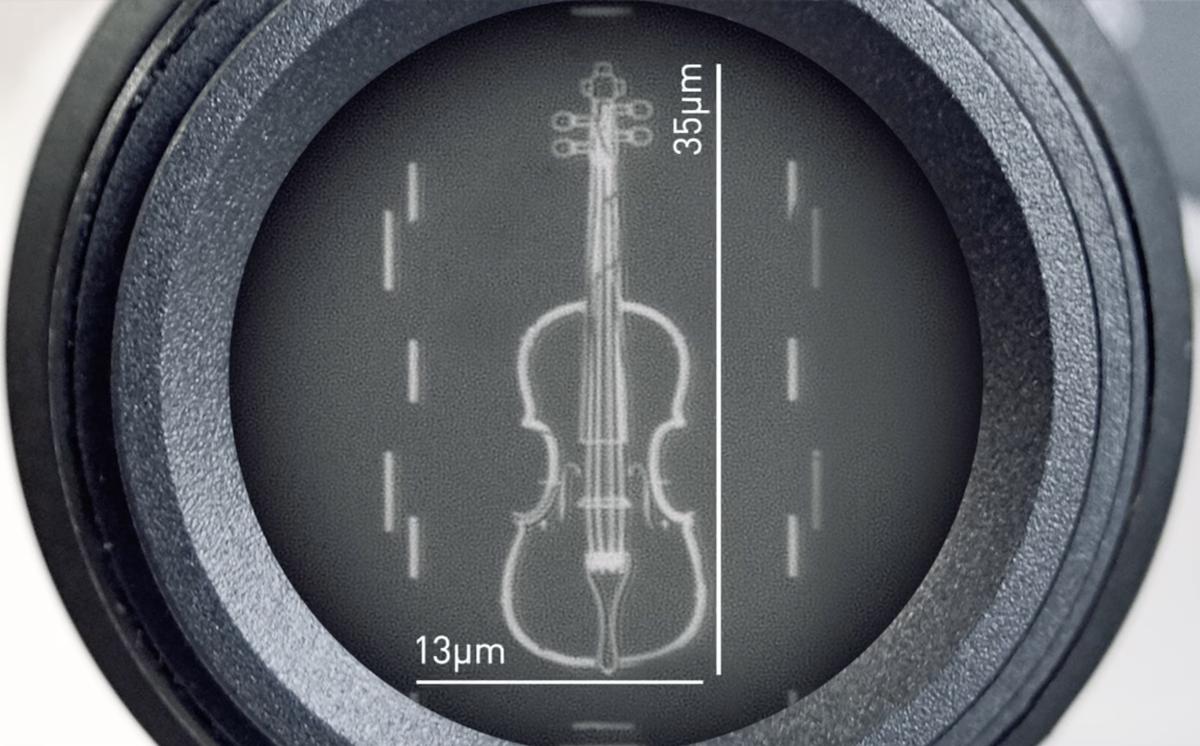
Scientists at Loughborough University in the United Kingdom have created what they call "the world's smallest violin". The violin is made of metal and is so tiny that it can only be seen with a powerful microscope. The project was designed to test new technology for building extremely small things.
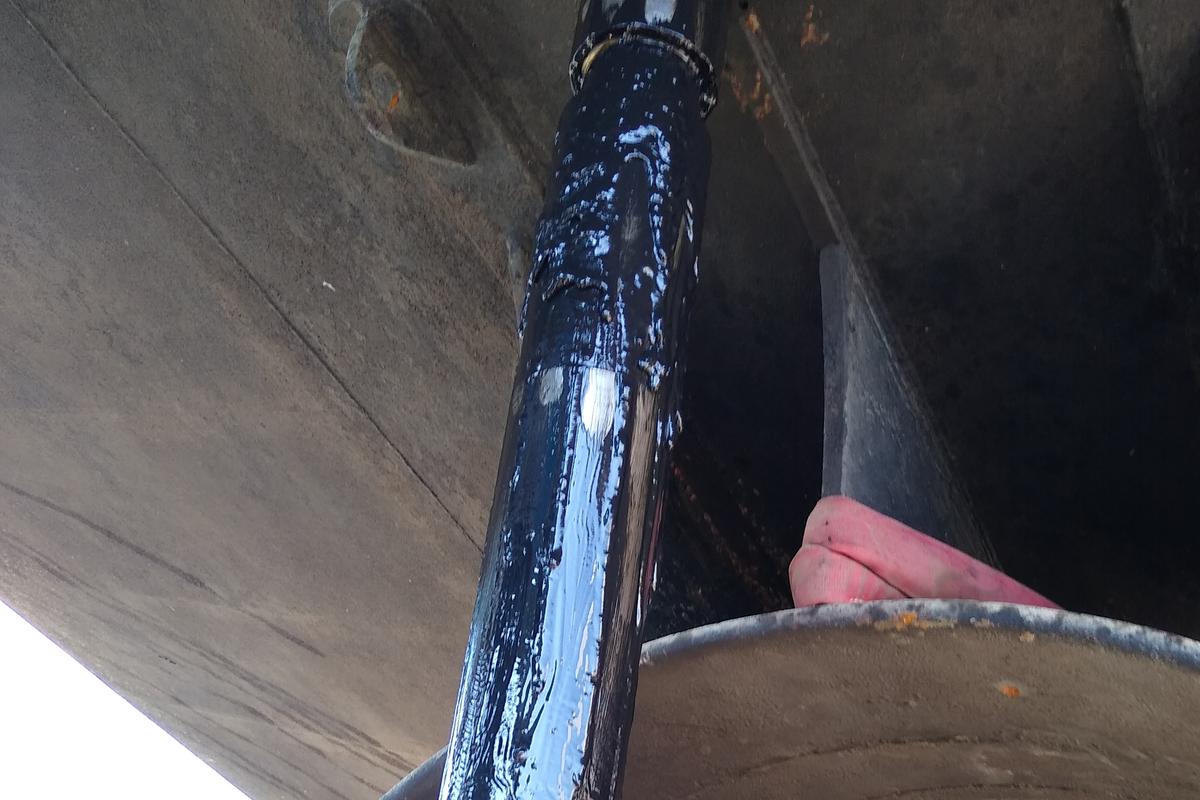
Scientists studying a black "goo" found on a research ship in the Great Lakes have learned that the goo wasn't just unusual - it actually contained a life form never heard of before. The slime still has scientists puzzling over several mysteries.
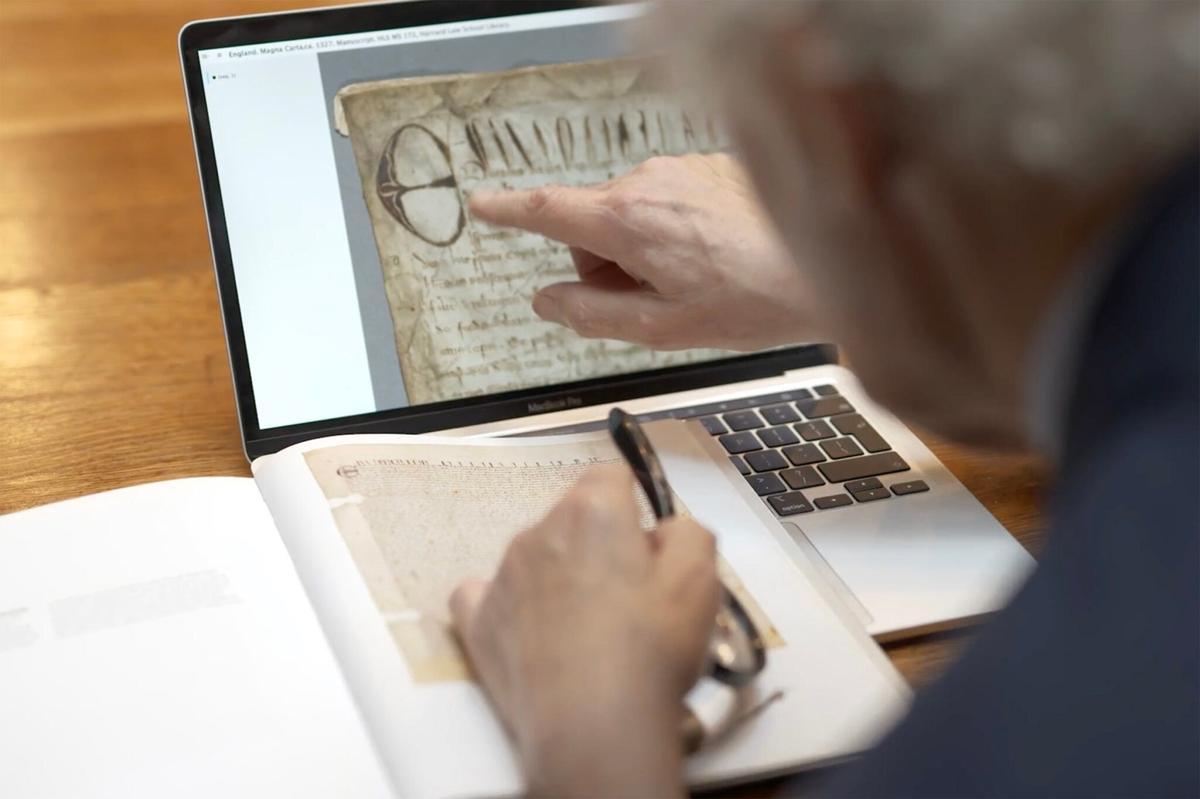
Librarians at Harvard Law School have learned that they own an original version of one of the world's most important documents – the Magna Carta. Until recently, Harvard thought that the document, which it bought for just $27.50, was a copy. Instead, It's a valuable historical document worth millions of dollars.
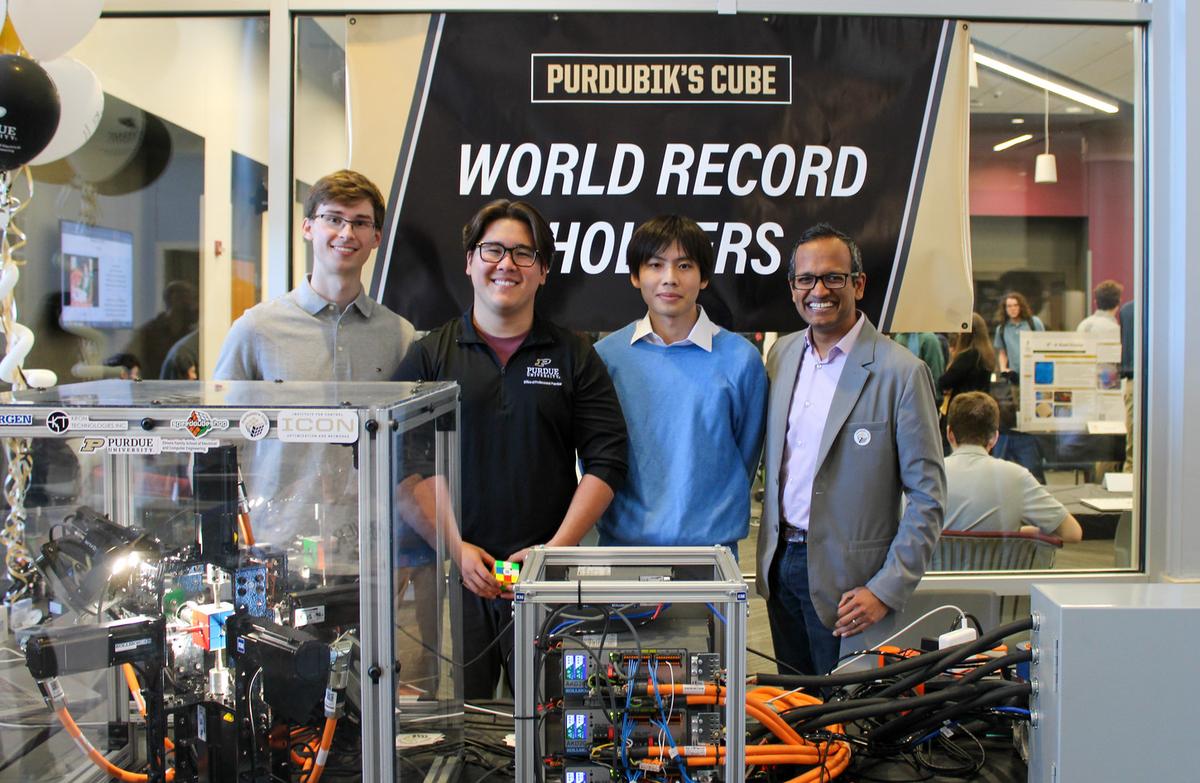
Students at Purdue University have created a robot that can solve a Rubik's Cube faster than any robot ever. The robot, which they call "Purdubik's Cube", solves the cube in just 0.103 seconds. That's faster than the time it takes to blink your eyes.

On Monday, scientists released the first pictures taken by the Vera C. Rubin Observatory in Chile. The observatory has a powerful new telescope that's designed to take complete pictures of the southern night sky over the next ten years. It's expected to bring huge changes to the way scientists study space.

In mid-May, the 2025 International Science and Engineering Fair was held in Columbus, Ohio. It's the world's largest science contest for students who haven't gone to college yet. The grand prize went to a student from Slovakia for a new way of making a medicine.

Scientists have created the first gene-editing medicine made for a single patient. The patient - a young baby who was sick because of a problem with his DNA - is now greatly improved, and is expected to go home soon.