
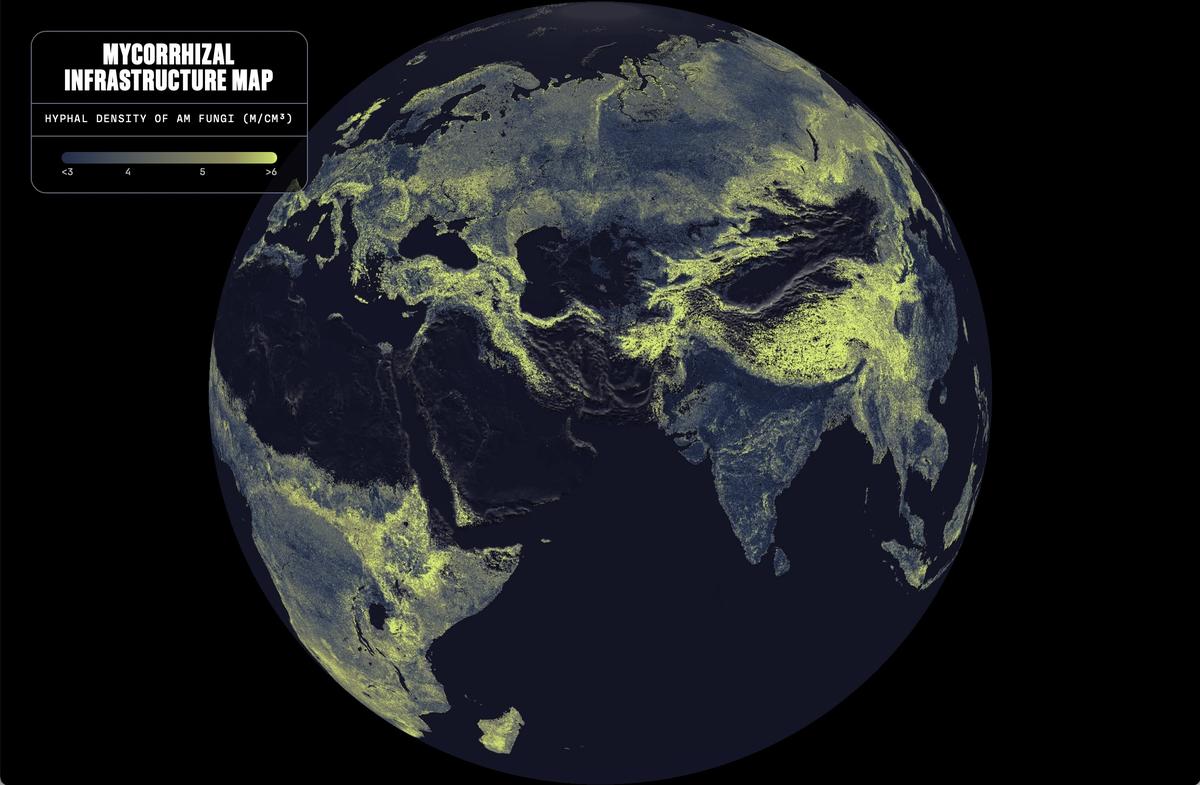
Scientists have long known that there are huge networks of fungi underground. Now, researchers have created a map of these fungal webs and how they are spread around the world. Their study reveals that if the threads of these fungi were laid out in a line, they could stretch to the sun about 730 million times.
Posts tagged as “science”

In January of 2022, a massive volcano erupted under the ocean near Tonga. The eruption released huge amounts of methane - a dangerous greenhouse gas. Now scientists have discovered that the volcano's ash cloud also removed a lot of methane. The discovery could lead to new ways to fight global warming.
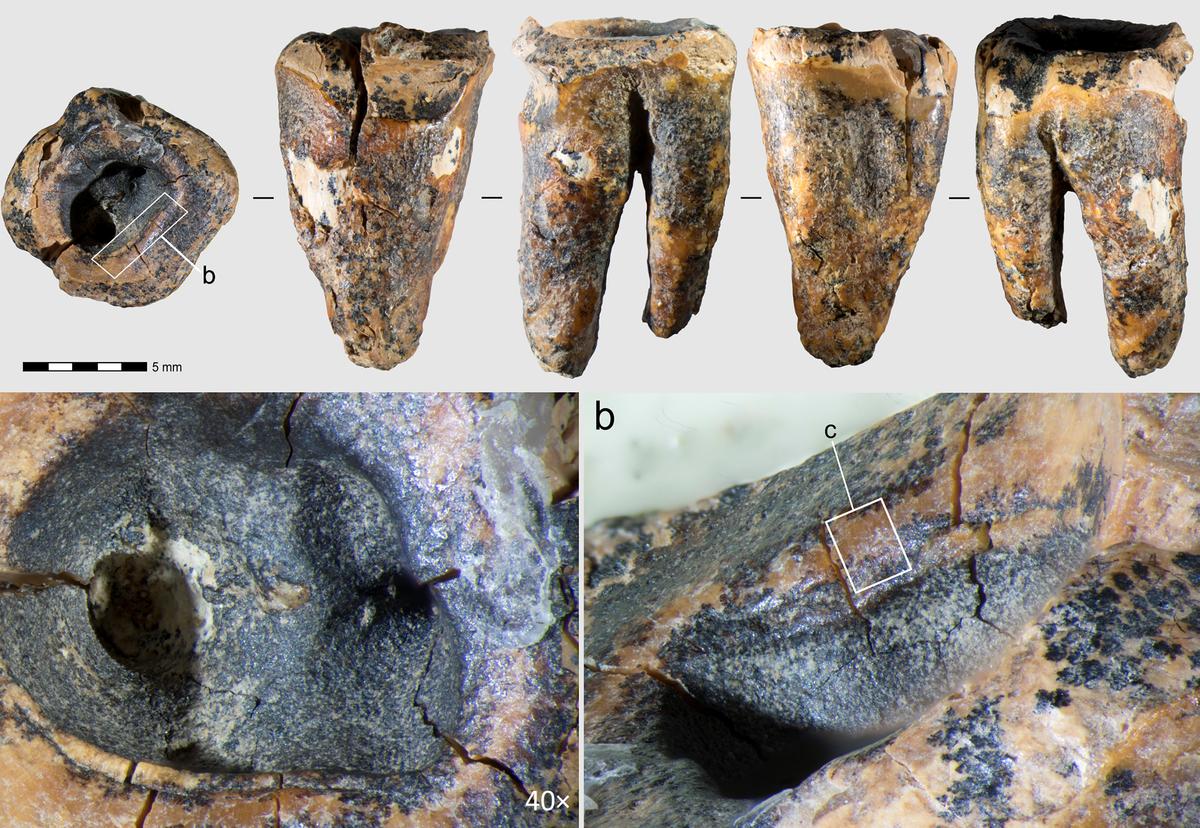
Scientists studying a Neanderthal tooth found in a Russian cave believe it may be the world's oldest example of dental work. The tooth, which is about 59,000 years old, shows signs of having been drilled to try to fix a cavity. The discovery suggests that Neanderthals were more advanced than scientists thought.
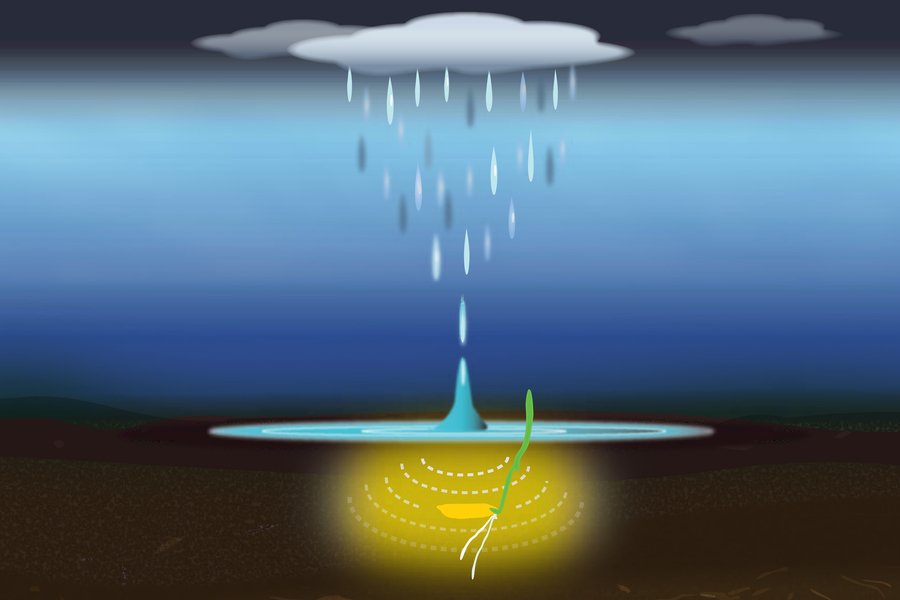
Scientists at the Massachusetts Institute of Technology (MIT) have discovered that rice seeds that "hear" the sound of raindrops seem to sprout faster than those that do not. The study is the first to suggest that seeds can sense sound, and use the information to help them "decide" when to sprout.

Every year, some of the top high school seniors in the United States compete in the Regeneron Science Talent Search. This year, forty students were chosen as finalists and traveled to Washington, DC. Together, these students earned more than $1.8 million in prizes for their hard work. The winners were announced in March.
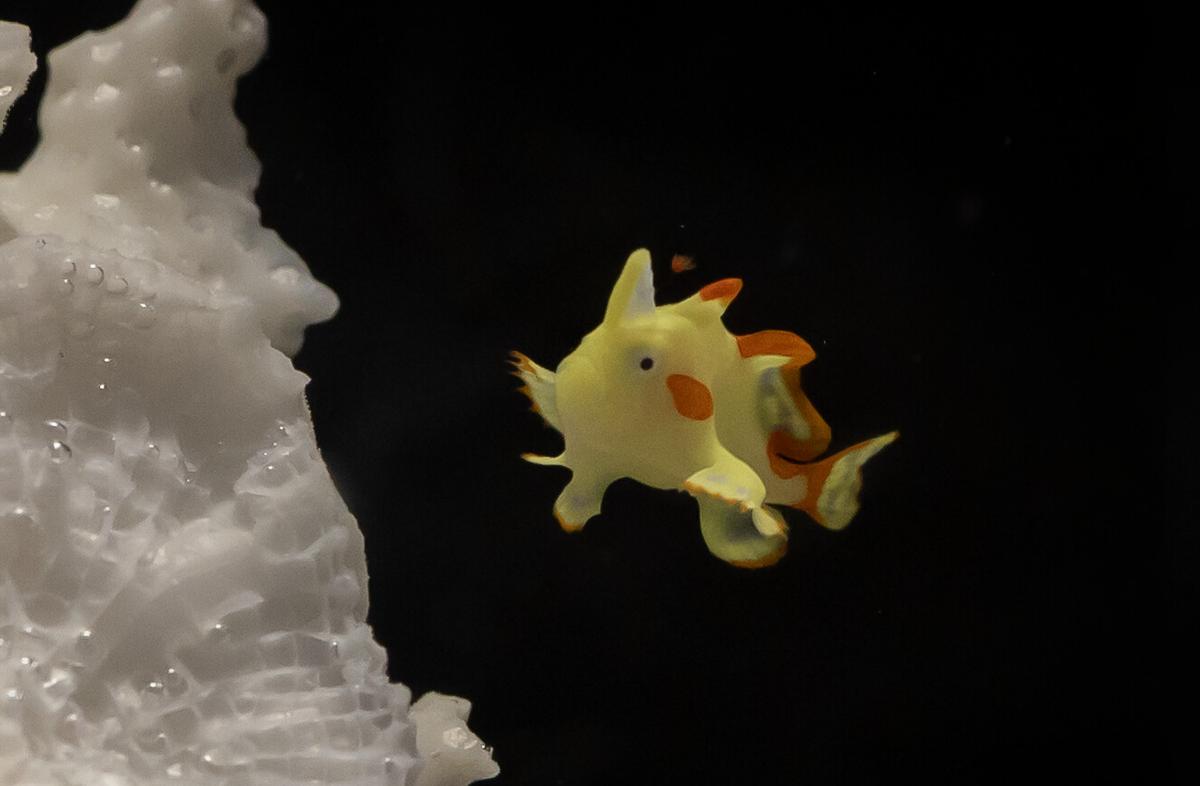
The Shedd Aquarium in Chicago has successfully raised a baby warty frogfish from an egg. This is the first time anyone has done this. The aquarium says their work could help with raising other sea creatures in the future.
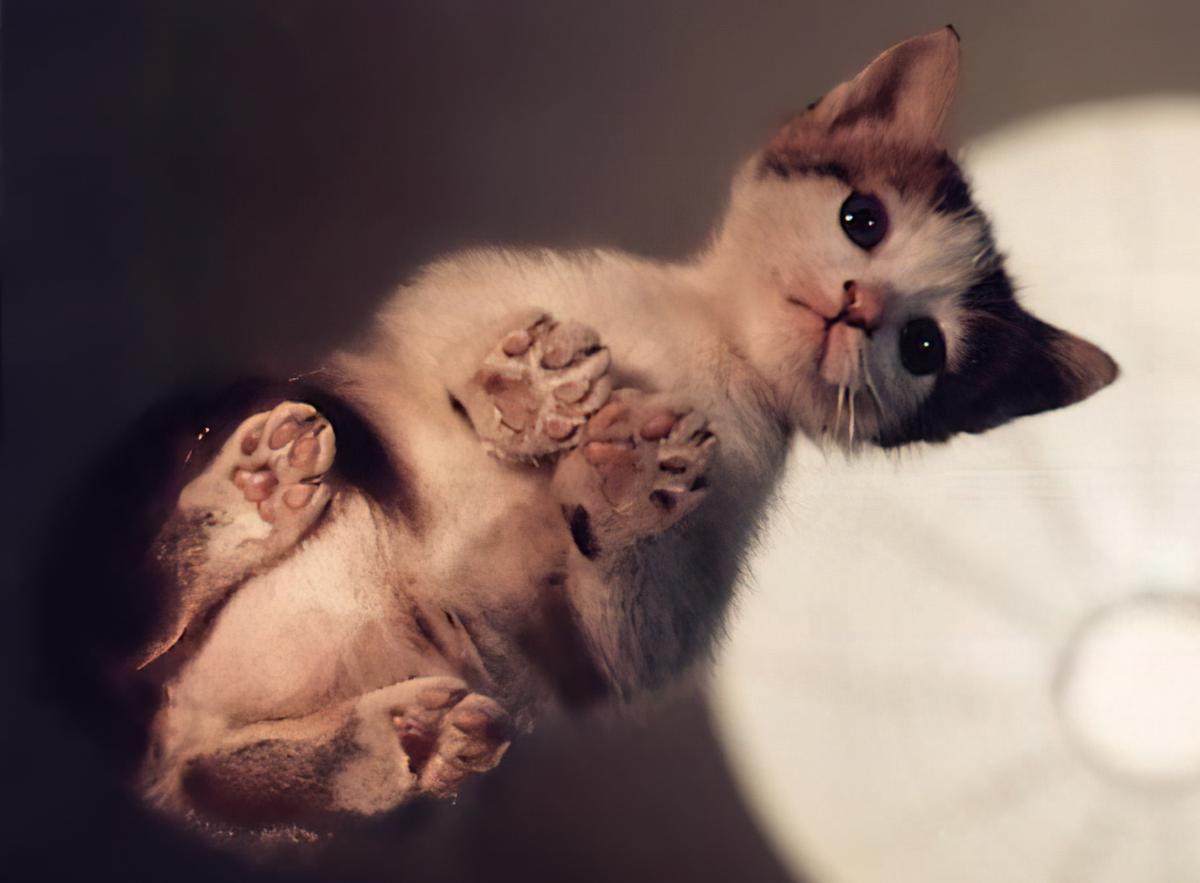
For over 100 years, scientists have wondered how cats manage to land on their feet when they fall. Some questions about how cats do this have been solved. But many mysteries remain. Now, researchers in Japan have shown that part of the secret may have to do with the way a cat's spine is built.
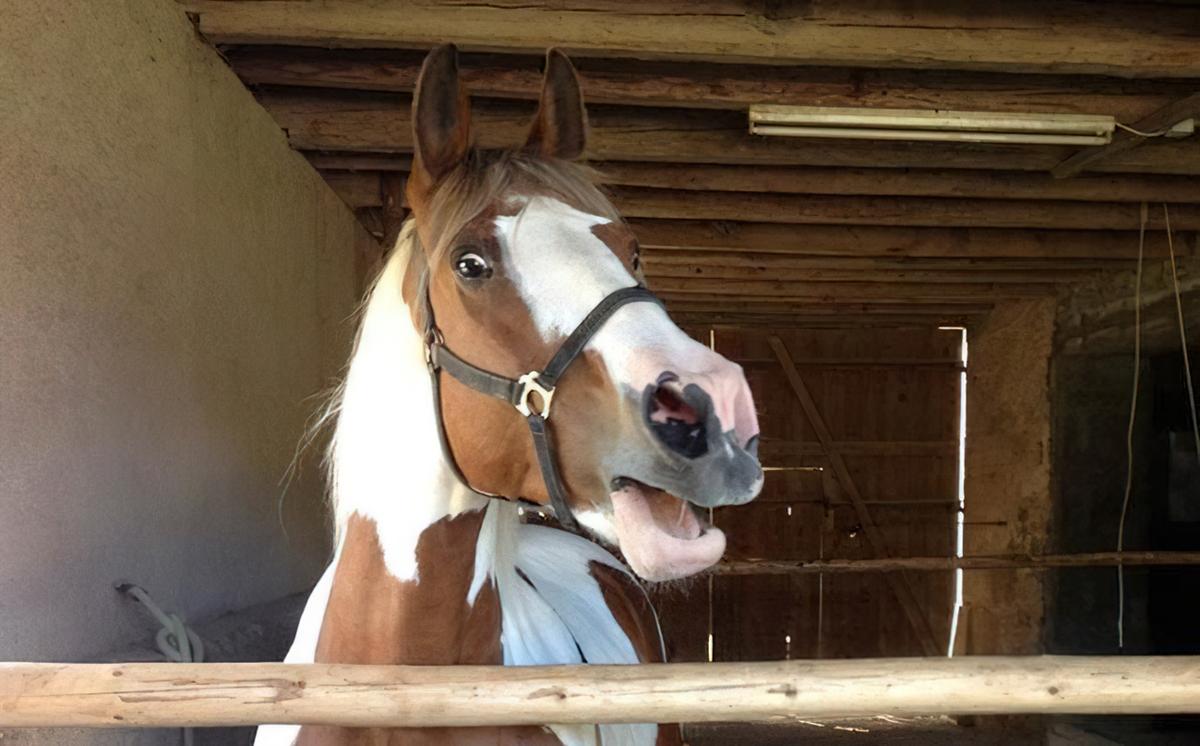
Recently, two different groups of scientists released research results looking into some very well known sounds. One group studied the whinnies of horses. The other studied squeaking sneakers. Both research projects revealed surprising explanations behind these ordinary sounds.
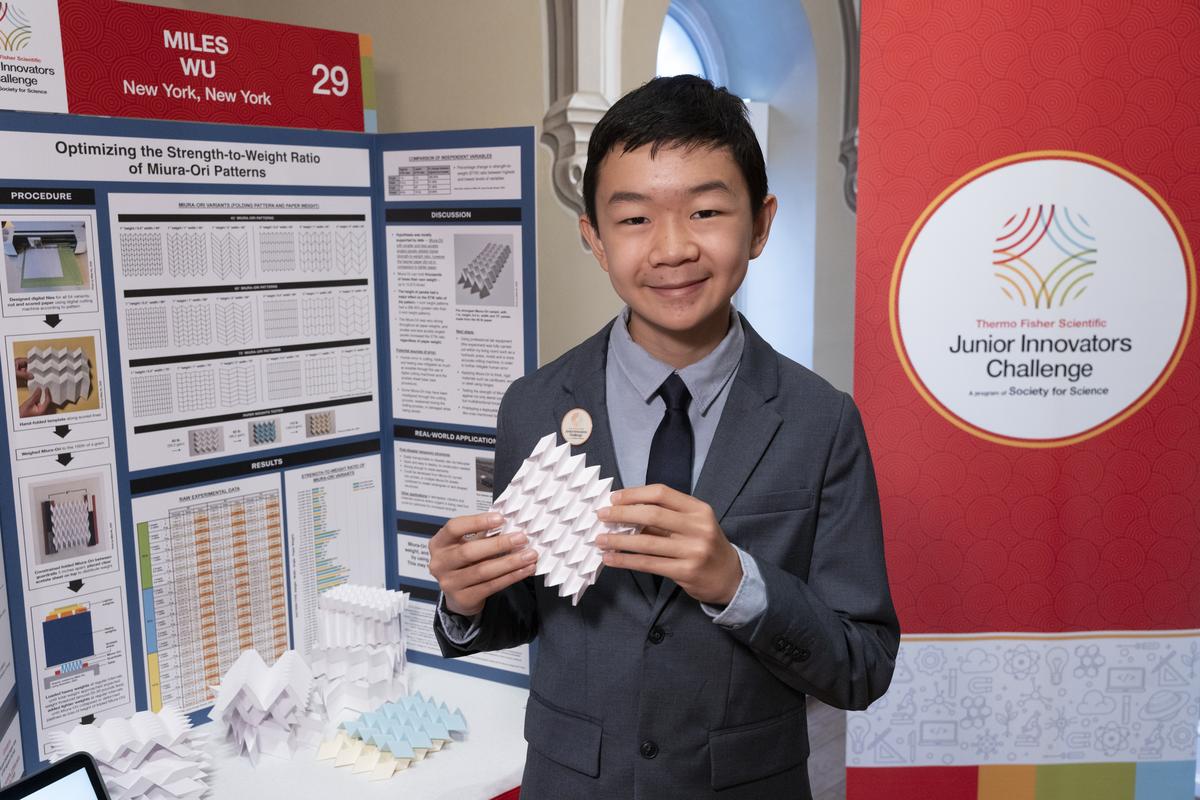
When he was just 8, Miles Wu discovered a love for origami – the Japanese art of folding paper. Last October, the 14-year-old's origami skills earned him the first prize in a national science competition - and proved that a simple sheet of paper can hold more than 10,000 times its own weight.
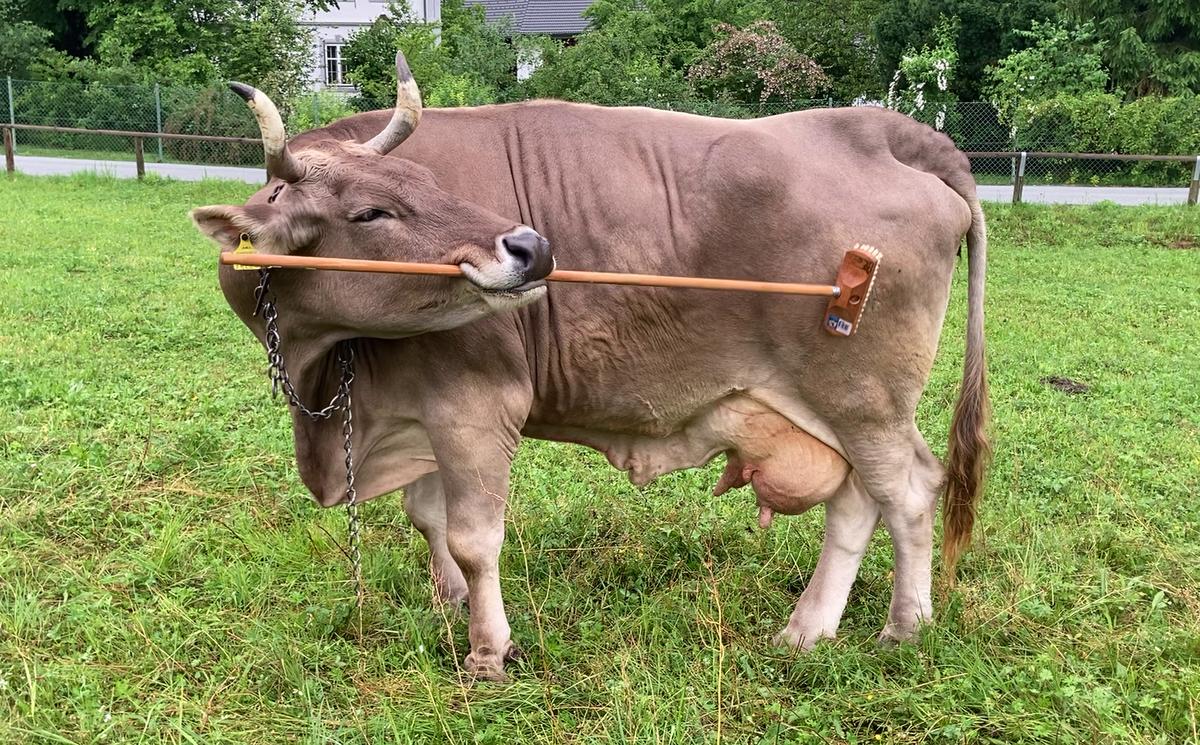
Scientists have reported the first known case of a cow using a tool. Veronika, a pet cow in Austria, was studied as she used a broom to scratch different parts of her body. The study suggests that cows may be a lot smarter than many people believe.
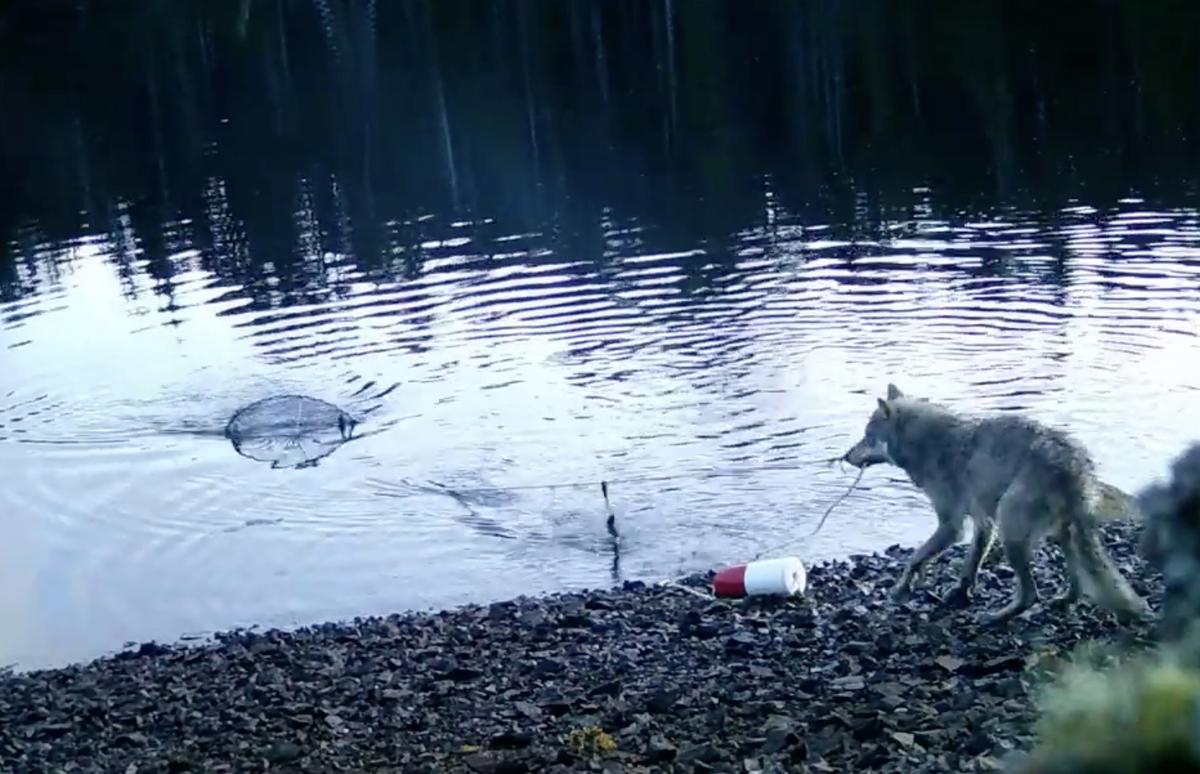
In 2021, the Heiltsuk Nation in Canada set traps to catch invasive European green crabs. The traps kept getting destroyed, and no one knew how. When scientists set up a camera to learn what was going on, they got a surprise: a clever wolf had used a series of complicated steps to get food from the trap.