
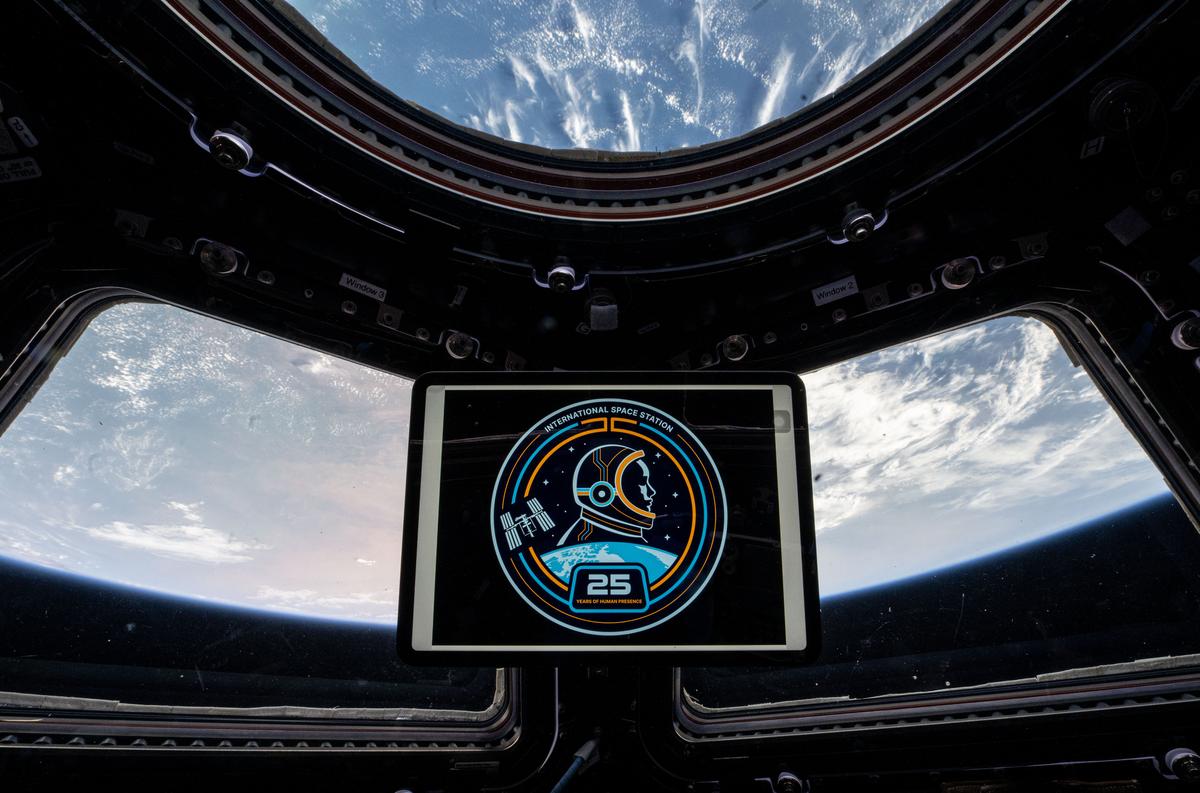
This week marks 25 years of humans living in space. On November 2, 2000, three astronauts became the first full-time workers at the International Space Station. Since then, the ISS has never been empty.
Posts tagged as “science”
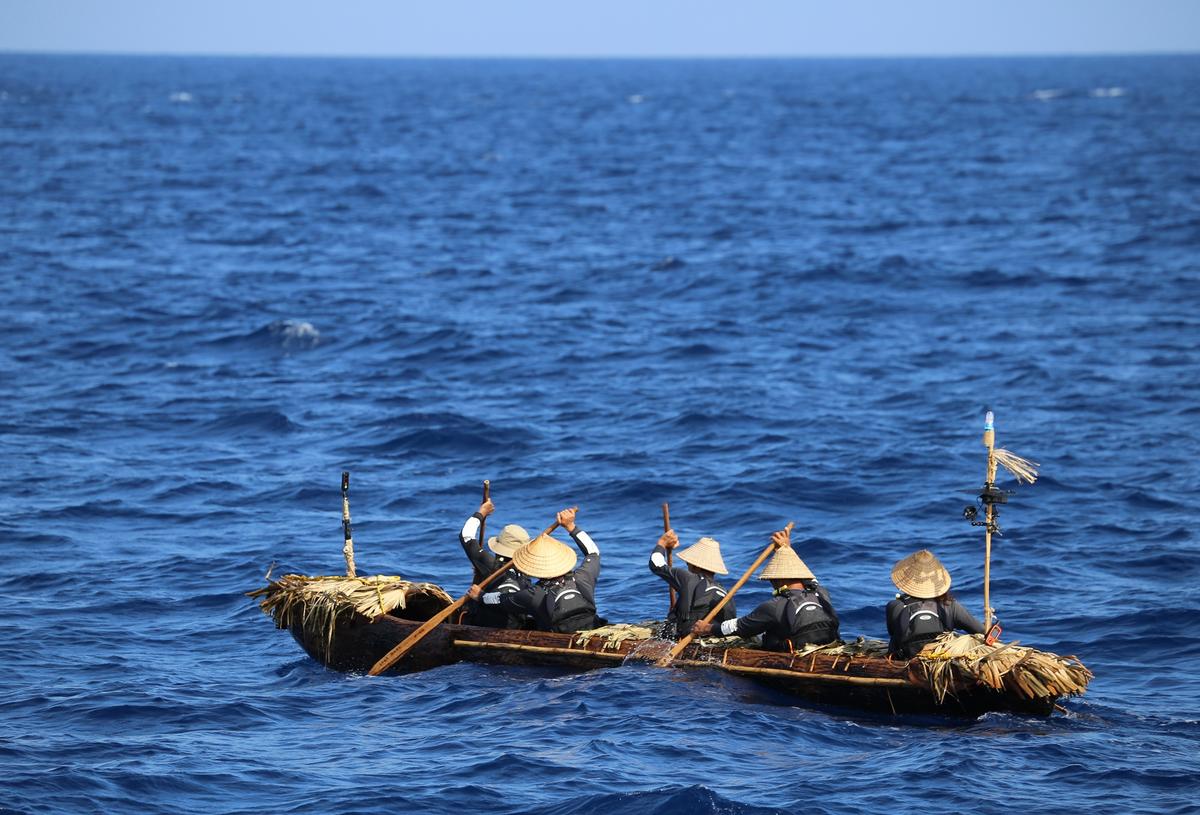
Scientists from Japan and Taiwan may have solved an old mystery: how did ancient people with simple tools and little scientific knowledge make long, dangerous ocean trips to new places? To test their ideas, the researchers made a trip of their own in a canoe they built from a tree using stone tools.
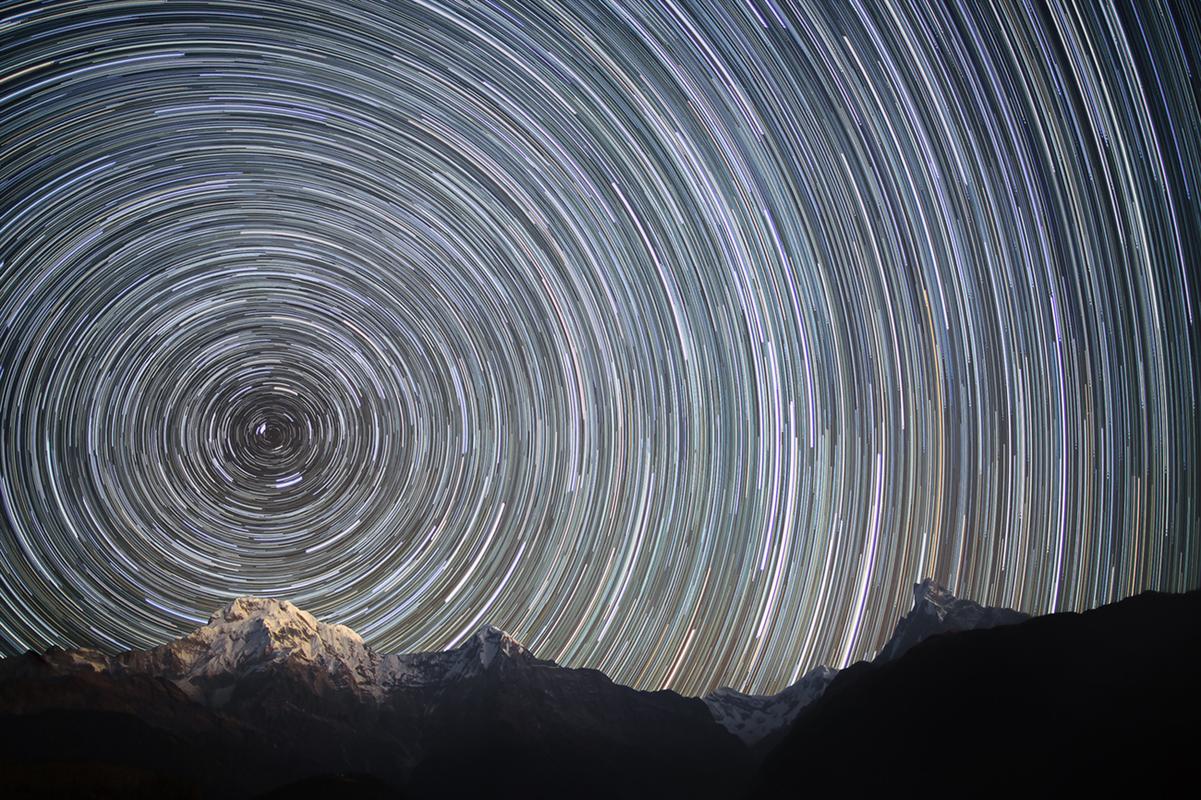
If you feel like yesterday just flew by, you're not wrong. Yesterday was the second shortest day this year - about a thousandth of a second faster than normal. For a number of reasons, the Earth will spin slightly faster on several days this summer.
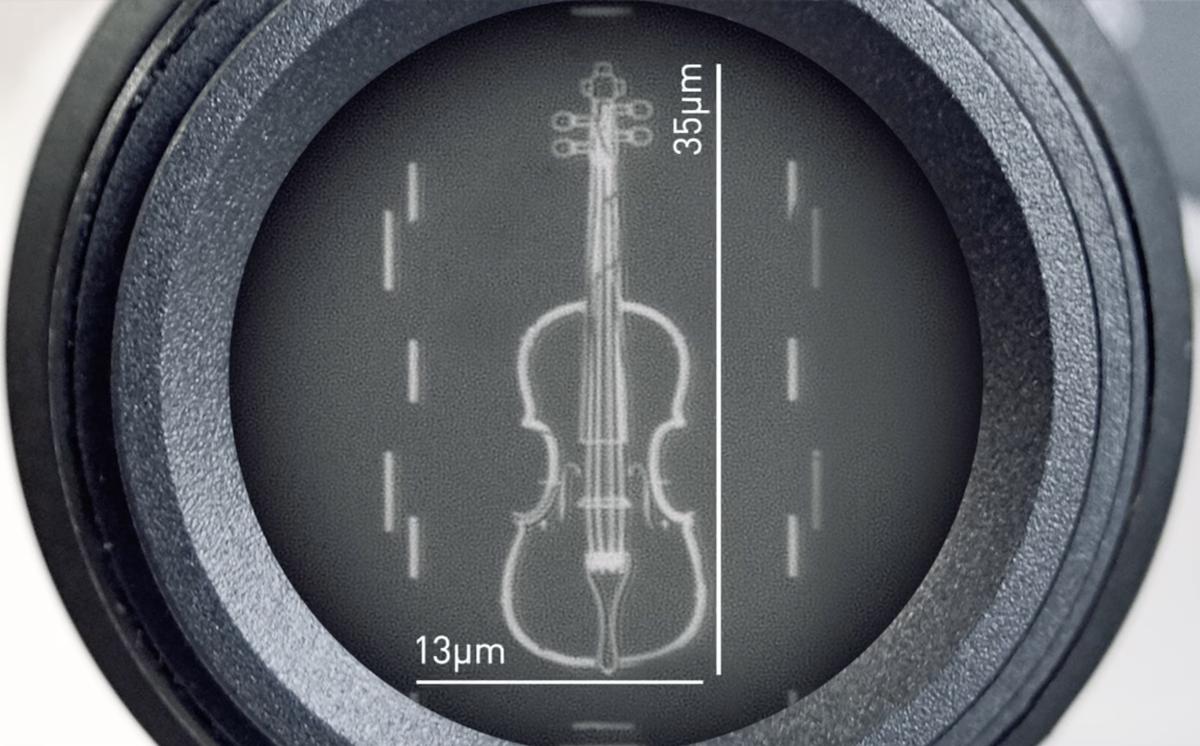
Scientists at Loughborough University in the United Kingdom have created what they call "the world's smallest violin". The violin is made of metal and is so tiny that it can only be seen with a powerful microscope. The project was designed to test new technology for building extremely small things.
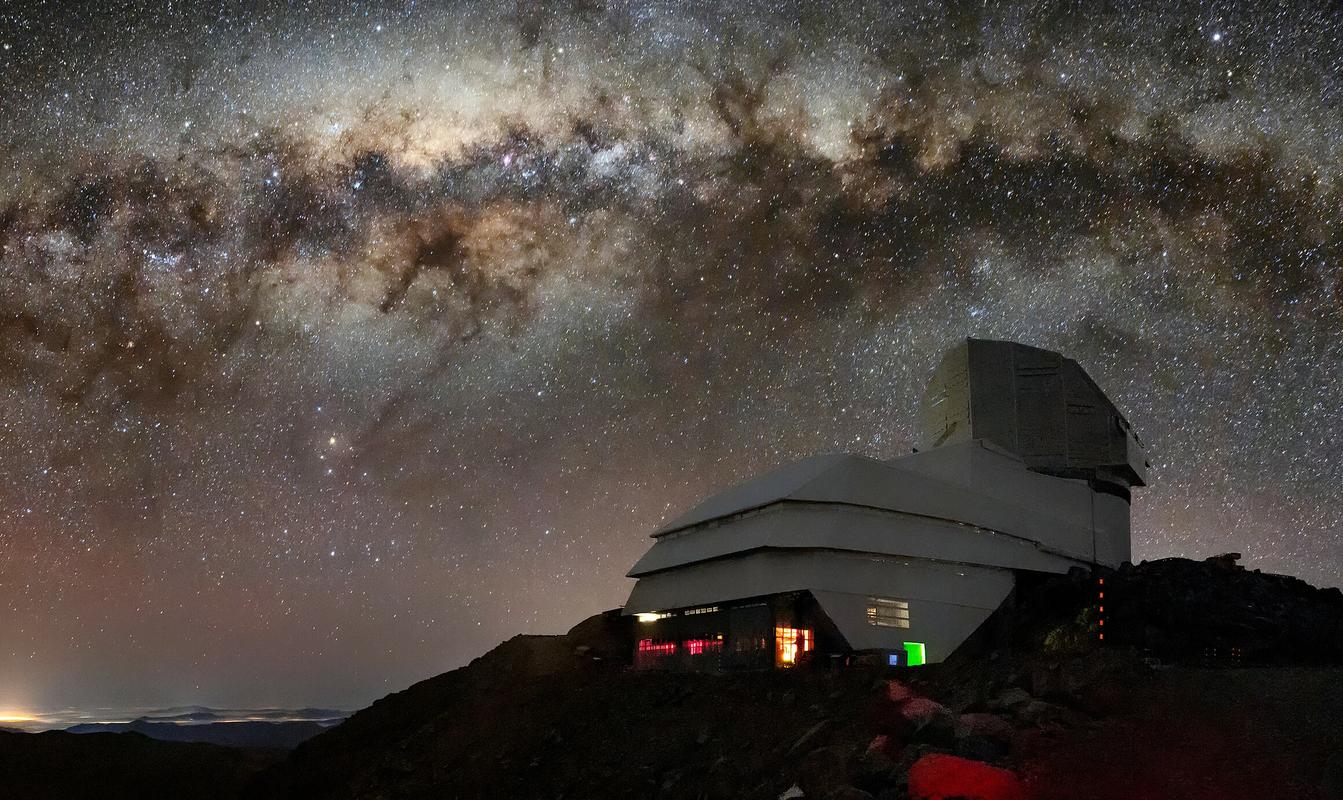
On Monday, scientists released the first pictures taken by the Vera C. Rubin Observatory in Chile. The observatory has a powerful new telescope that's designed to take complete pictures of the southern night sky over the next ten years. It's expected to bring huge changes to the way scientists study space.
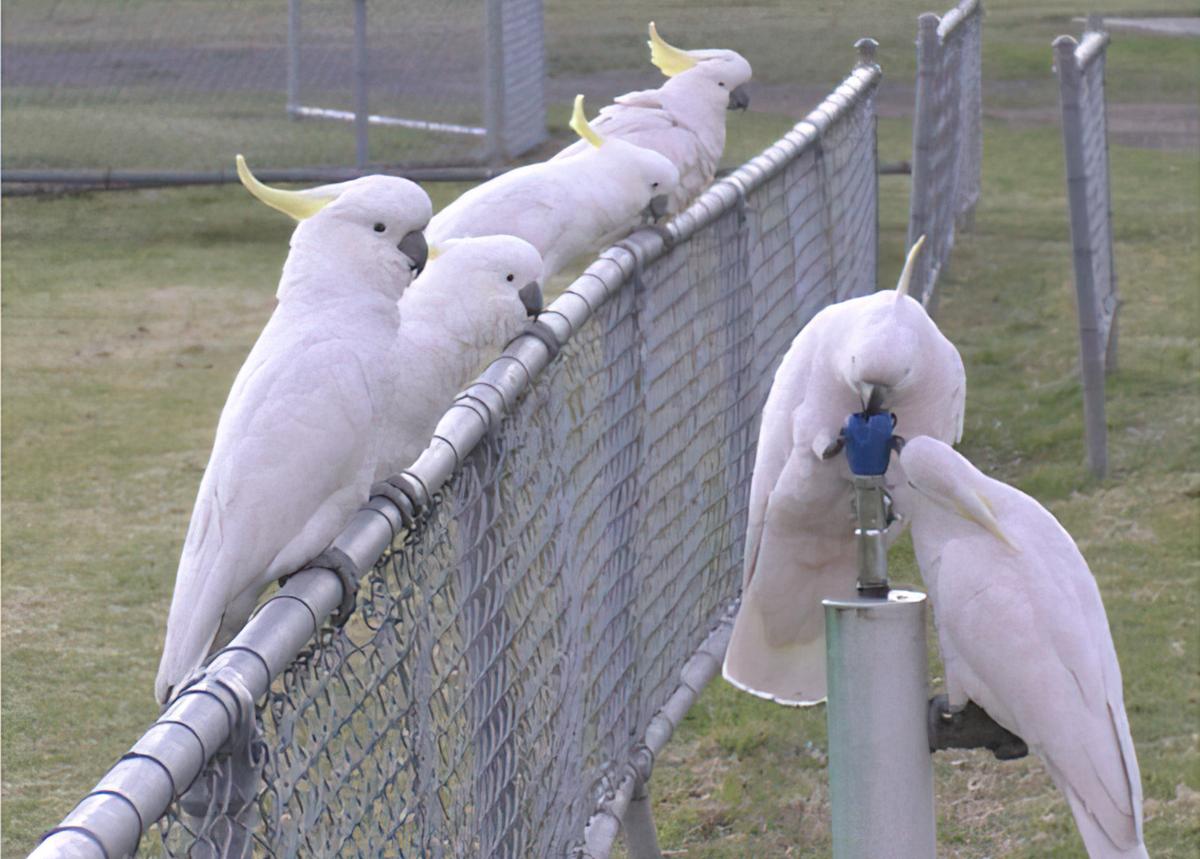
Scientists have been studying a group of cockatoos in Sydney, Australia that have a clever trick: they've figured out how to drink from water fountains. The birds use one foot to turn the fountain's handle and then lower their head to the spout, allowing them to drink.
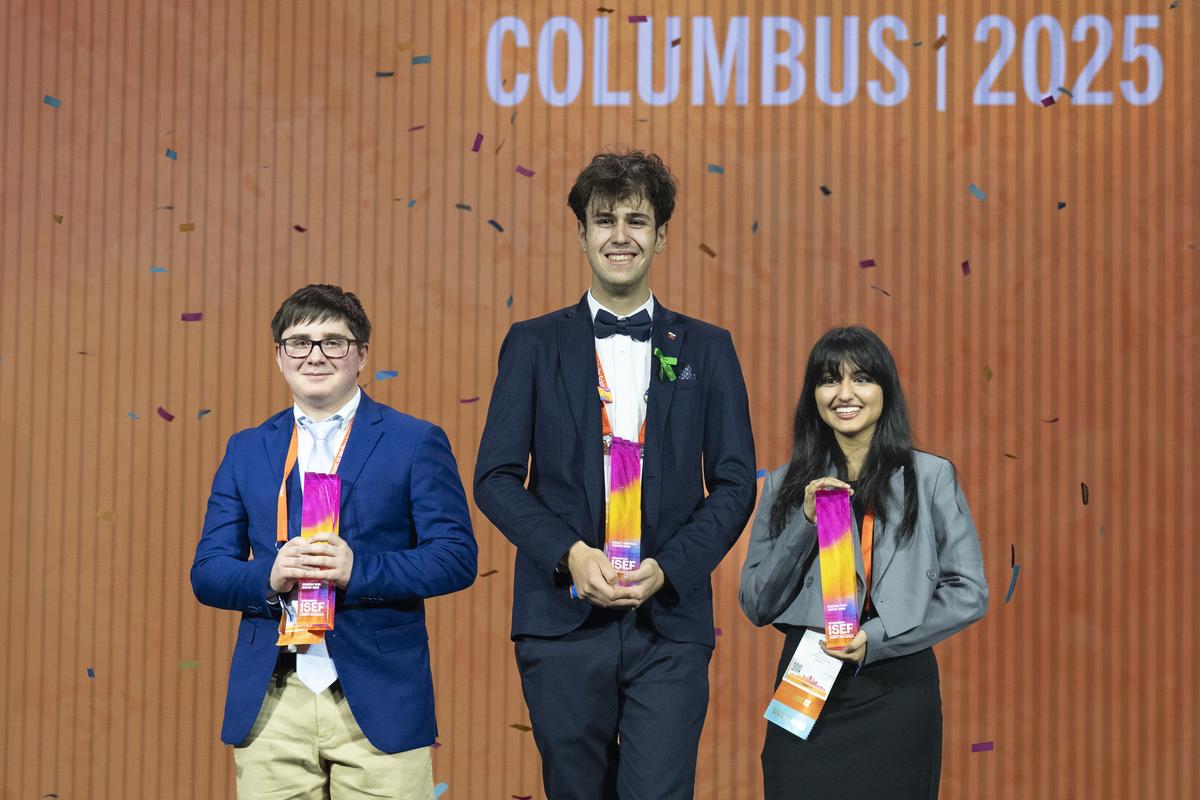
In mid-May, the 2025 International Science and Engineering Fair was held in Columbus, Ohio. It's the world's largest science contest for students who haven't gone to college yet. The grand prize went to a student from Slovakia for a new way of making a medicine.
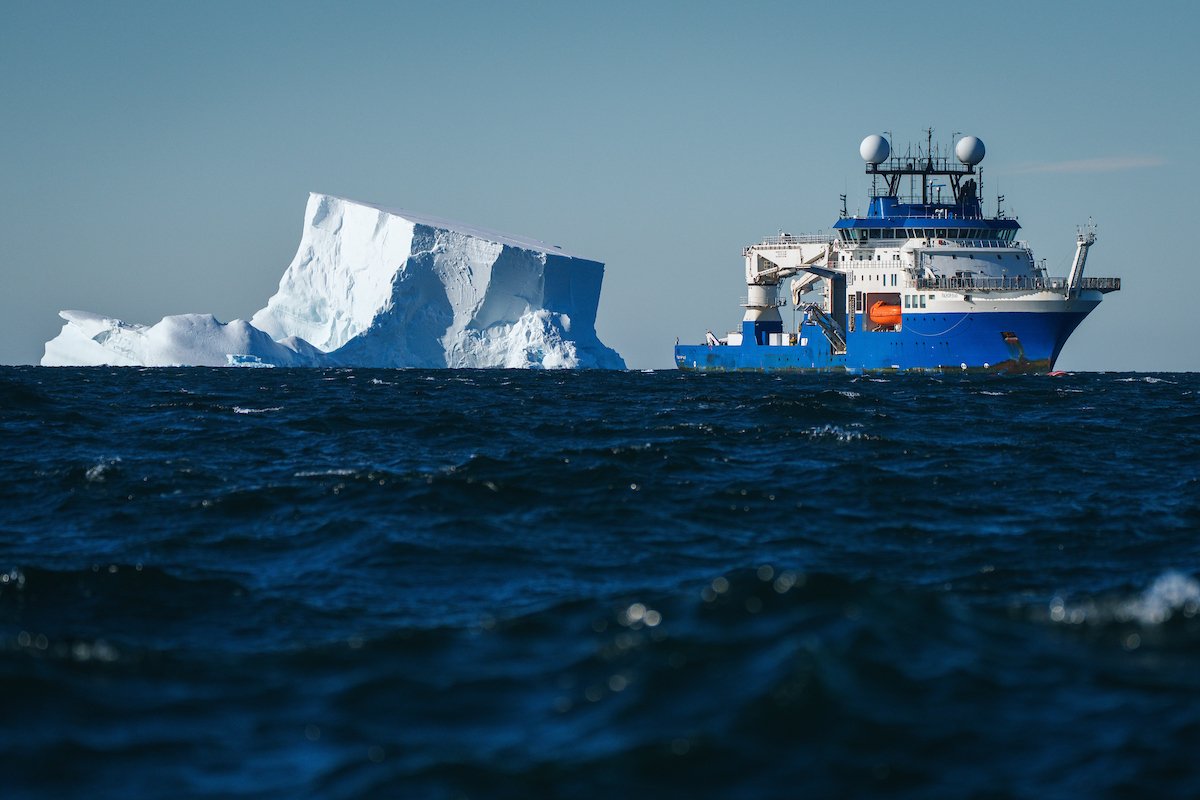
In January, an iceberg as large as Chicago separated from an ice shelf in Antarctica. By chance, a scientific research ship was nearby. The scientists jumped at the rare chance to study an area of the ocean floor that had been covered by ice for thousands of years. What they found surprised them.
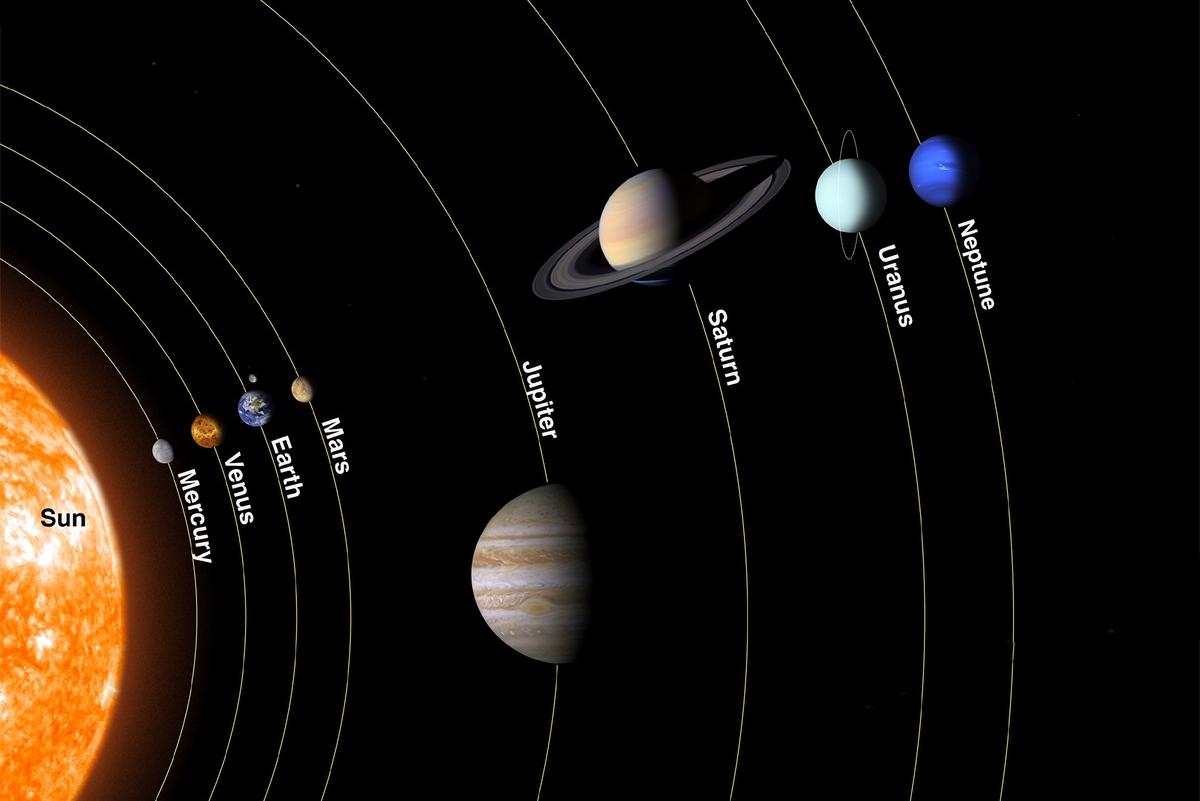
This week, people all over the world will have a chance to see an unusual sight in the evening sky – a "planetary parade" of the seven other planets in our Solar System. The next time seven planets will appear at one time like this won't be until 2040.
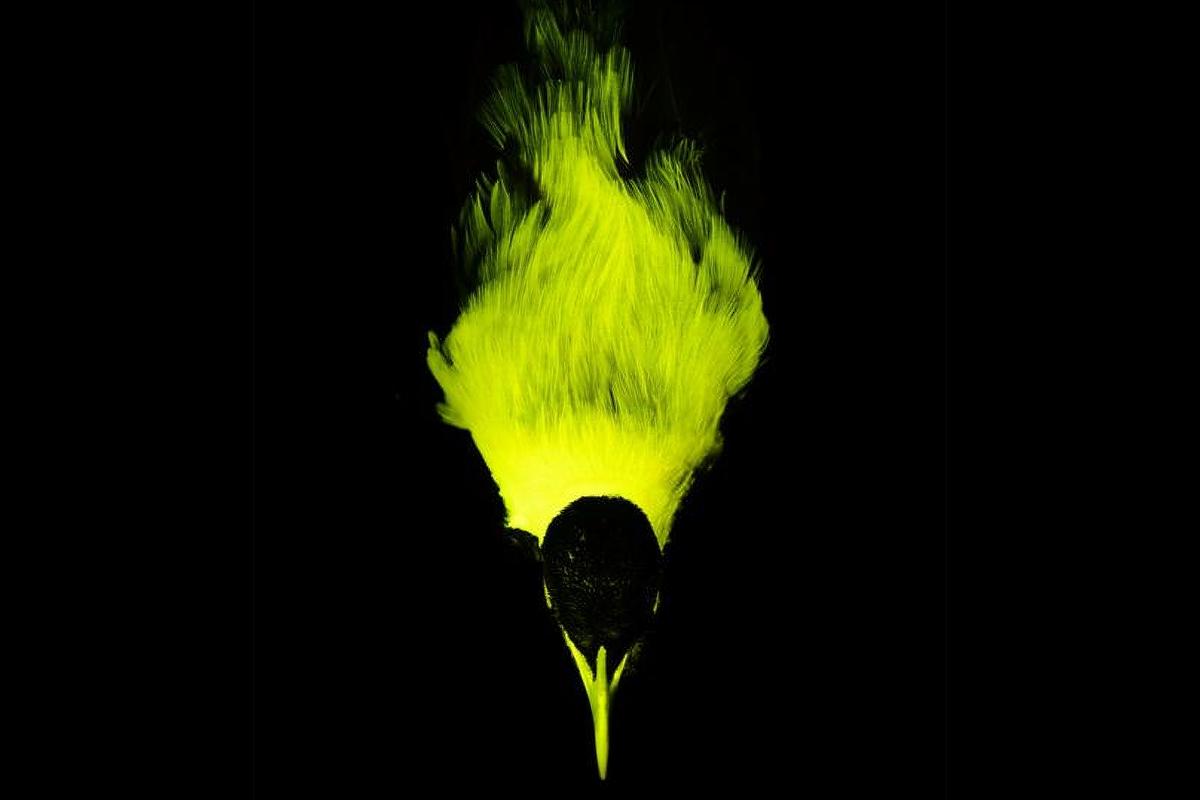
Scientists have discovered that many species of birds-of-paradise have feathers that glow. Birds-of-paradise were already well-known for their very colorful feathers and the fancy dances they use to attract mates. The discovery suggests that the birds are even more striking than we knew.
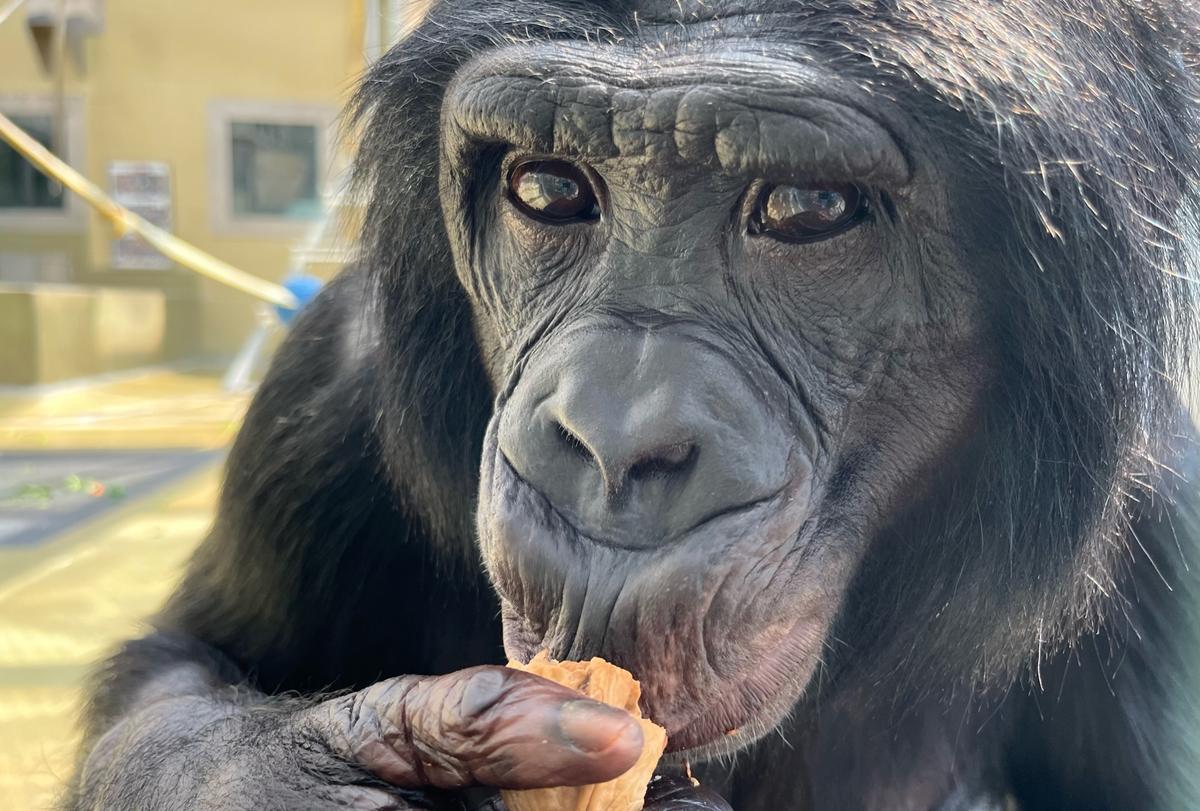
As humans, we can think about what other people are thinking, and understand that their ideas might be different from ours. Scientists call this "theory of mind". An important question is whether animals can do the same. A recent experiment suggests that bonobo apes may share this ability.