

On April 19, about 12,000 runners took part in a half marathon in Beijing, China. On a separate track, beside the human runners, over 300 humanoid (human-like) robots tackled the same challenge. In a similar race last year, humans won easily. This year, the robots not only won, they beat the human world record.
Posts tagged as “technology”

Last September, Albania introduced Diella, the world's first "government minister" powered by Artificial Intelligence. Diella was meant to help fight corruption. But now there are questions about Diella itself. And the woman whose face and voice are behind Diella is suing the government.

Scientists at the University of Pennsylvania have developed some of the world's smallest robots. The tiny, light-powered robots are smaller than a grain of salt. But they have a built-in computer and can control their own movements as they swim through water.
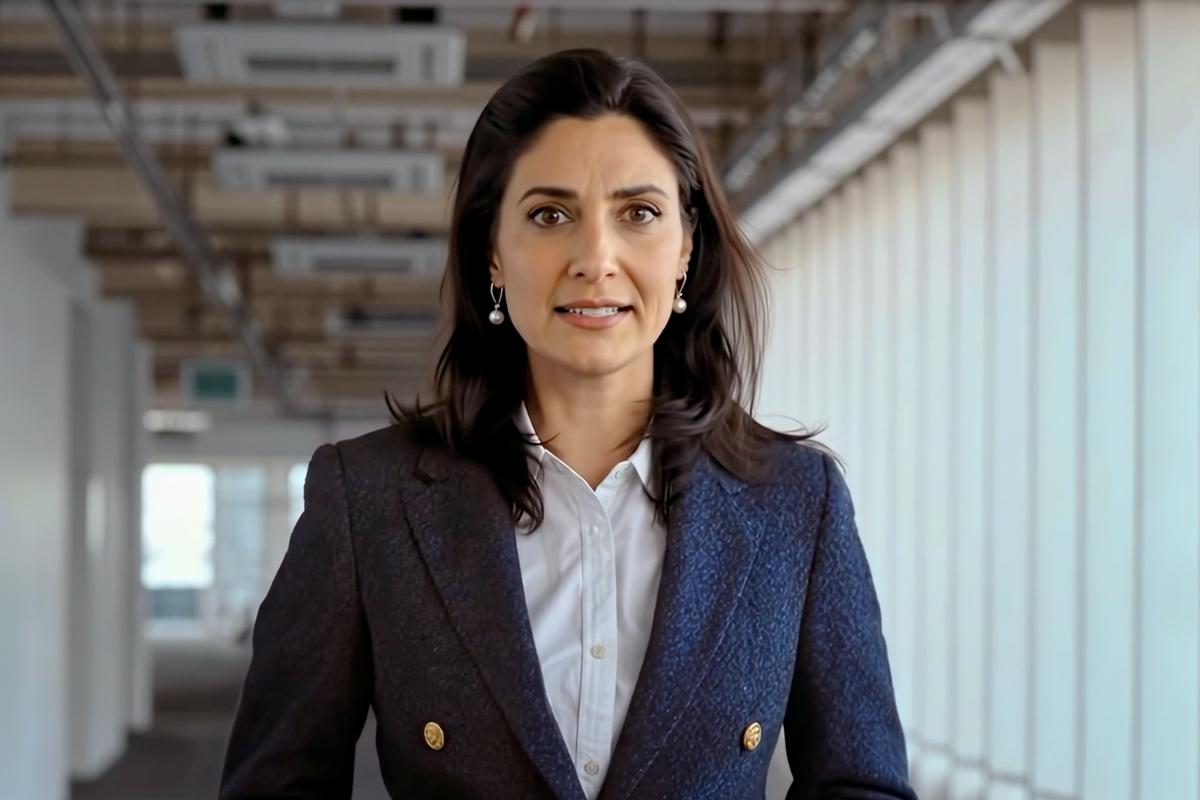
Over the last year or so, the quality of AI-generated videos has become so good that it's extremely difficult to tell whether a video is real or not. An English TV channel recently ran a show about AI. At the end of the episode, the "woman" presenting the show announced that she wasn't real.

The Free Software Foundation celebrated its 40th birthday last Saturday. First started in 1985, the FSF has helped shape the digital world we live in today. Its ideas about free software inspired the open‑source movement; now open‑source programs run on countless computers, phones, and devices around the globe.
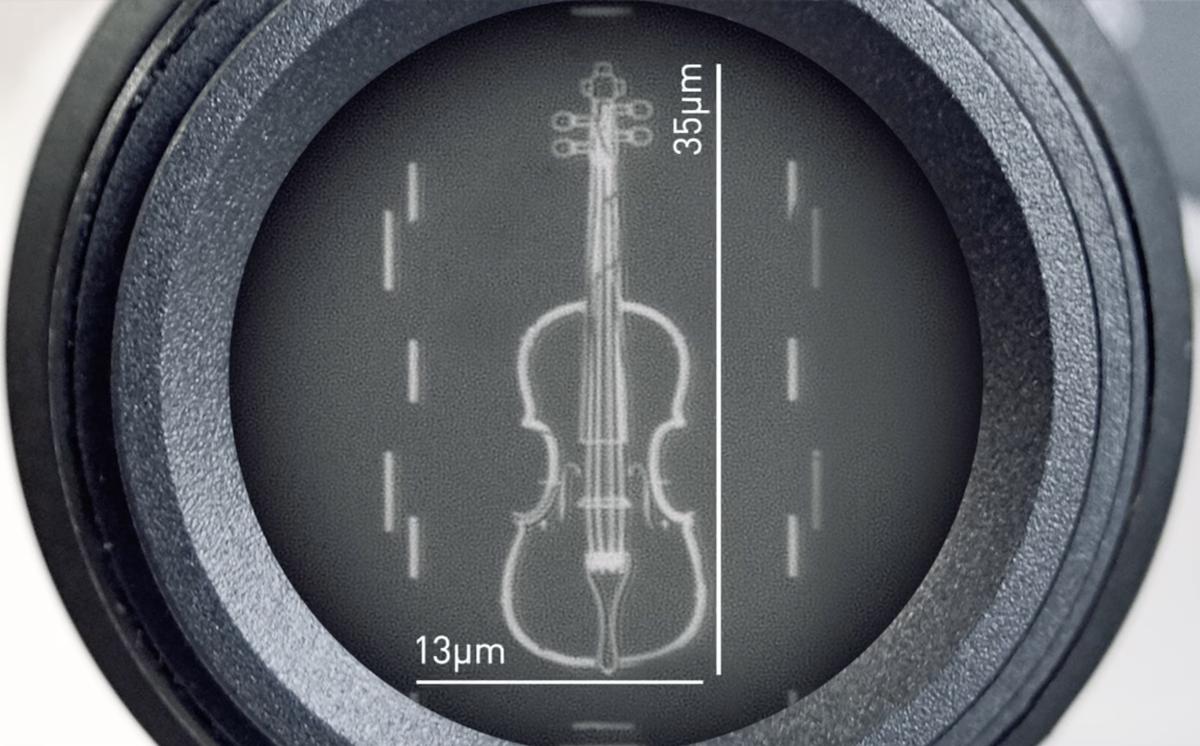
Scientists at Loughborough University in the United Kingdom have created what they call "the world's smallest violin". The violin is made of metal and is so tiny that it can only be seen with a powerful microscope. The project was designed to test new technology for building extremely small things.
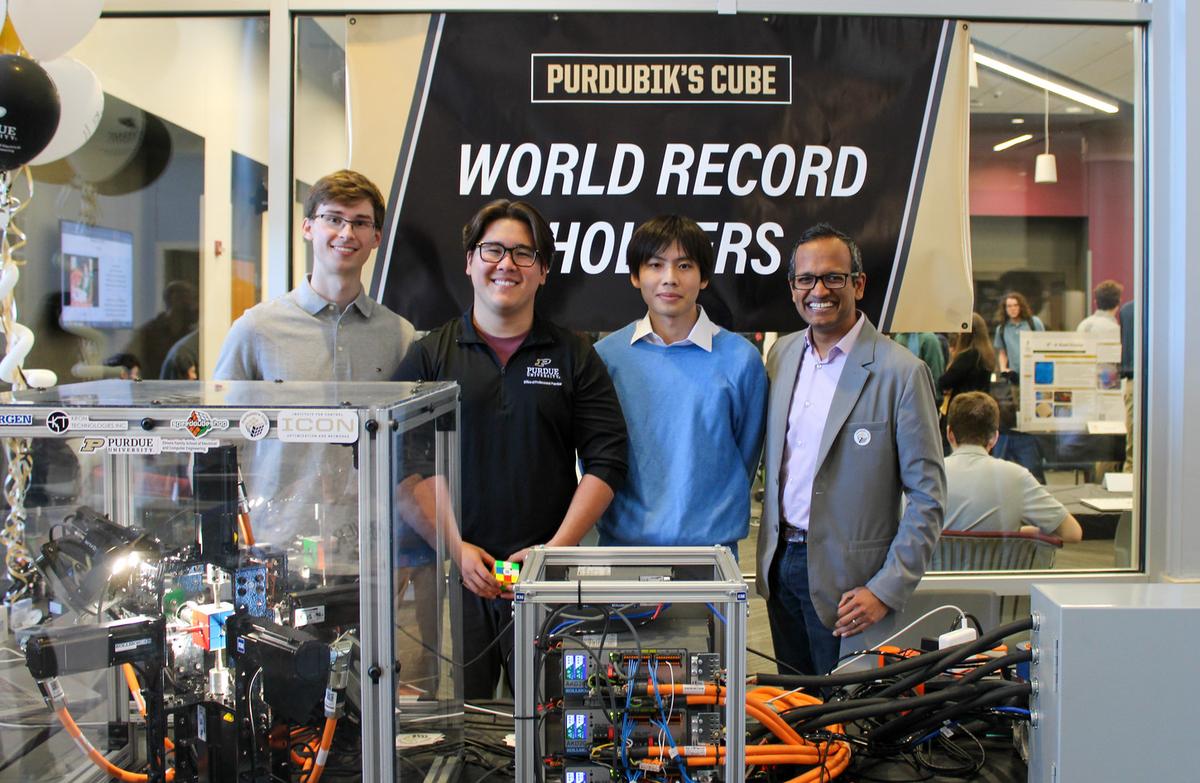
Students at Purdue University have created a robot that can solve a Rubik's Cube faster than any robot ever. The robot, which they call "Purdubik's Cube", solves the cube in just 0.103 seconds. That's faster than the time it takes to blink your eyes.

Scientists have created the first gene-editing medicine made for a single patient. The patient - a young baby who was sick because of a problem with his DNA - is now greatly improved, and is expected to go home soon.
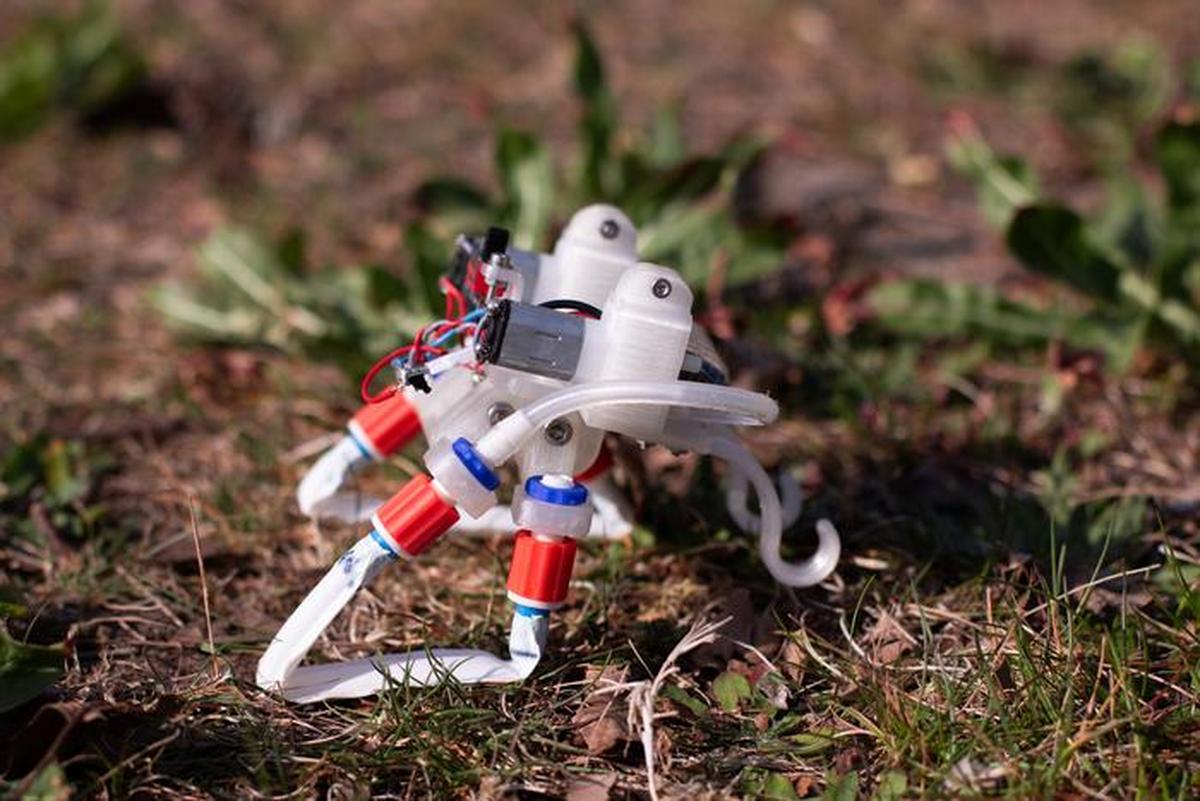
Scientists in the Netherlands have created a soft-bodied robot that's powered by air. The robot doesn't have a computer or a "brain", but even so, it's able to walk and swim on its own.
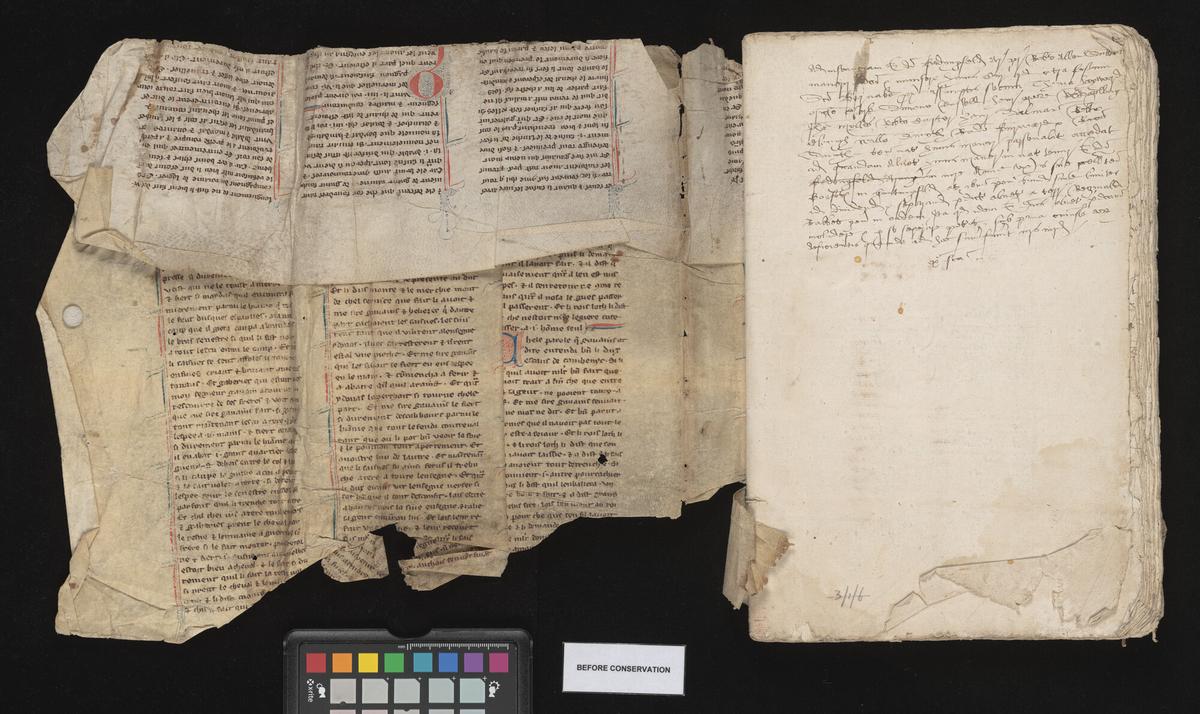
Scientists working at the Cambridge University Library have discovered a lost story from the middle ages about King Arthur and Merlin. The story was hiding in plain sight - it had been used as a book cover. Now scientists have carefully "unfolded" the book cover digitally, revealing the hidden story.
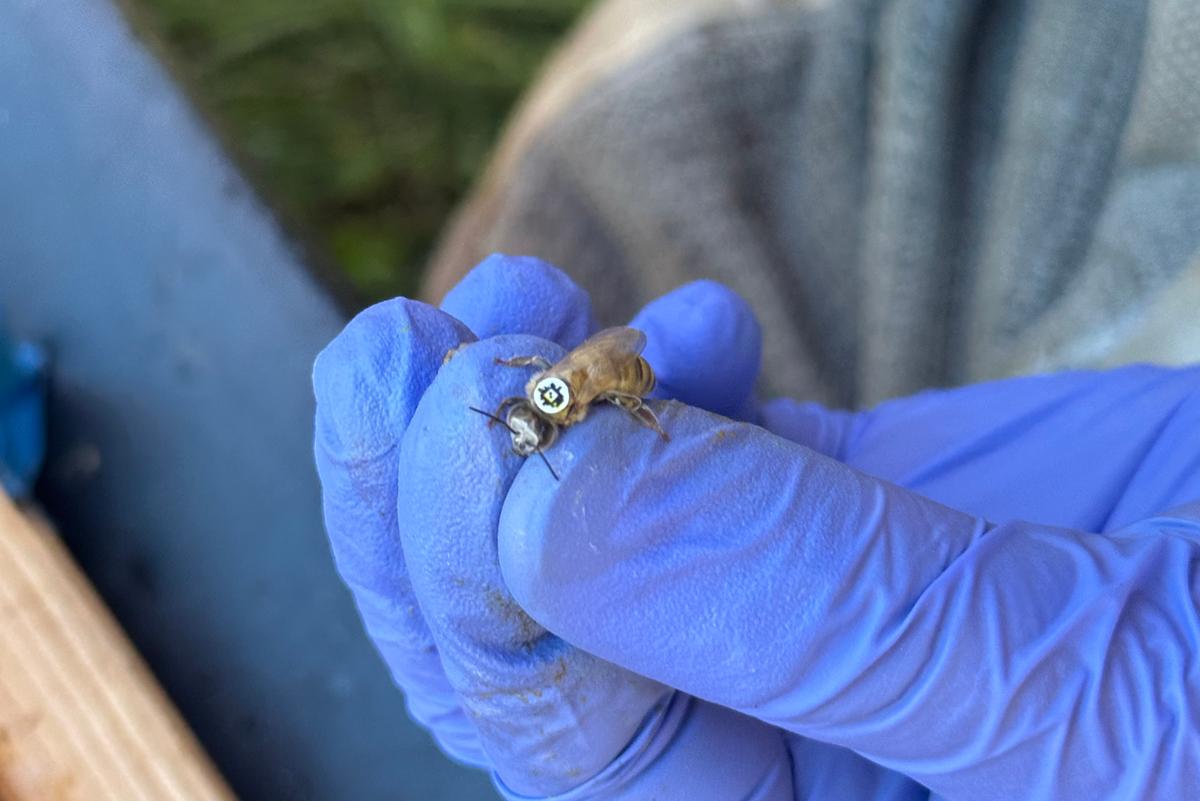
Scientists at Penn State University used an unusual method to track honey bees. By placing tiny QR codes on the backs of the bees, the researchers can keep track of when the bees leave and return to their hives. The work will help scientists learn more about how bees collect food and how far they travel.