
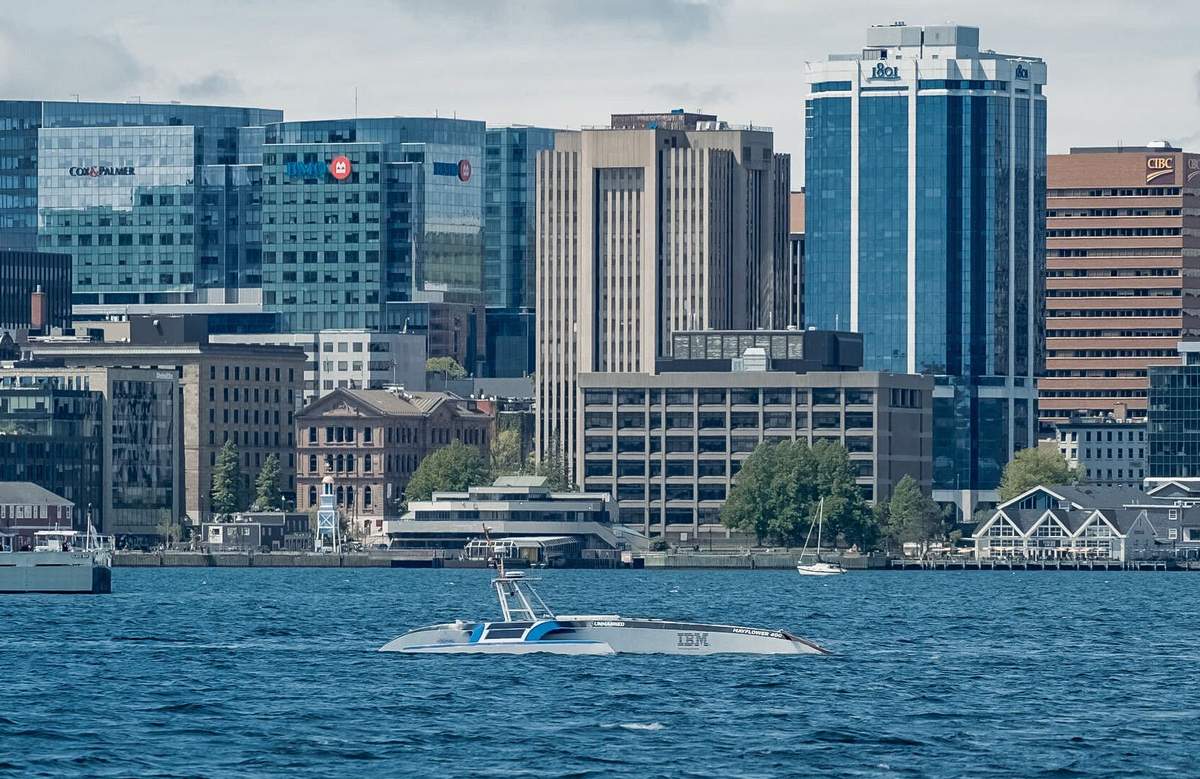
In today's news roundup, the US House of Representatives passes a bill meant to control guns, Turkey officially changes its name to Türkiye, and a self-driving boat retraces the trip of the Mayflower - more or less.
Published in “Technology”
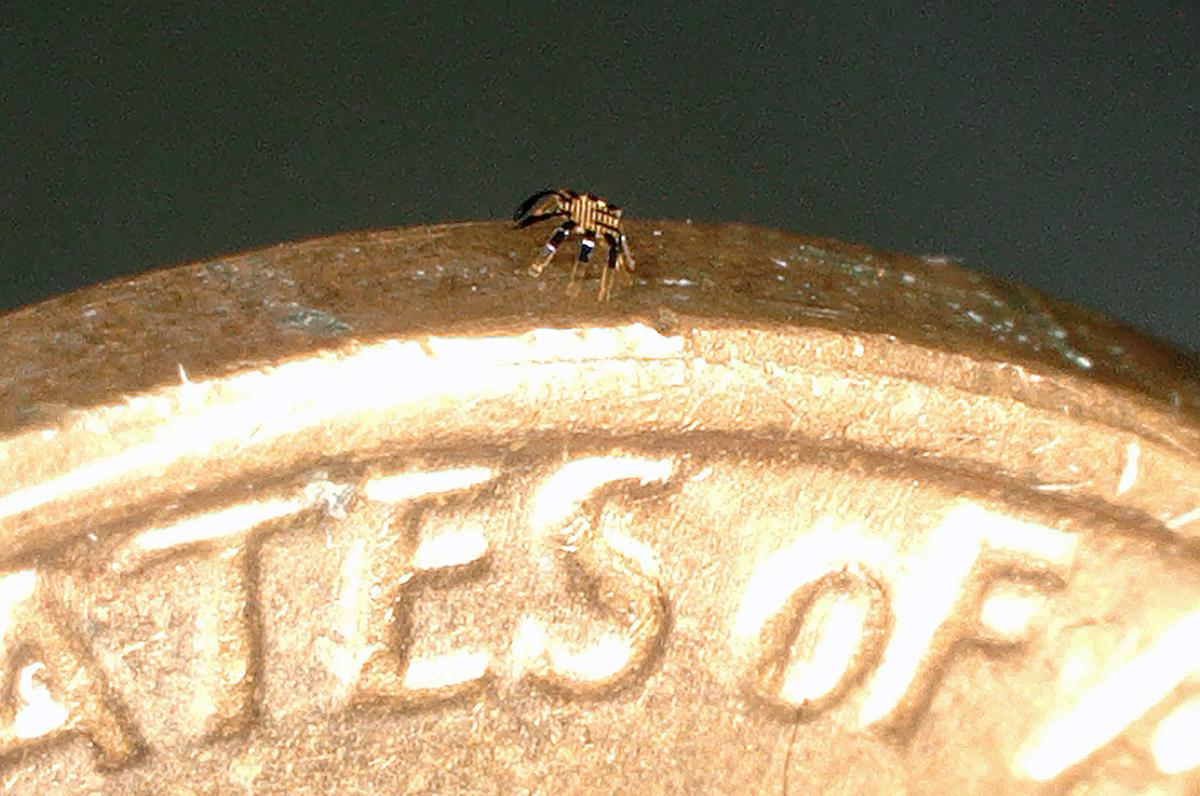
Scientists recently announced the world's tiniest remote-controlled robots. Small enough to sit on the side of a penny, the robots can be controlled by a laser. The scientists say one day robots like these may be able to work in areas too small for tools.
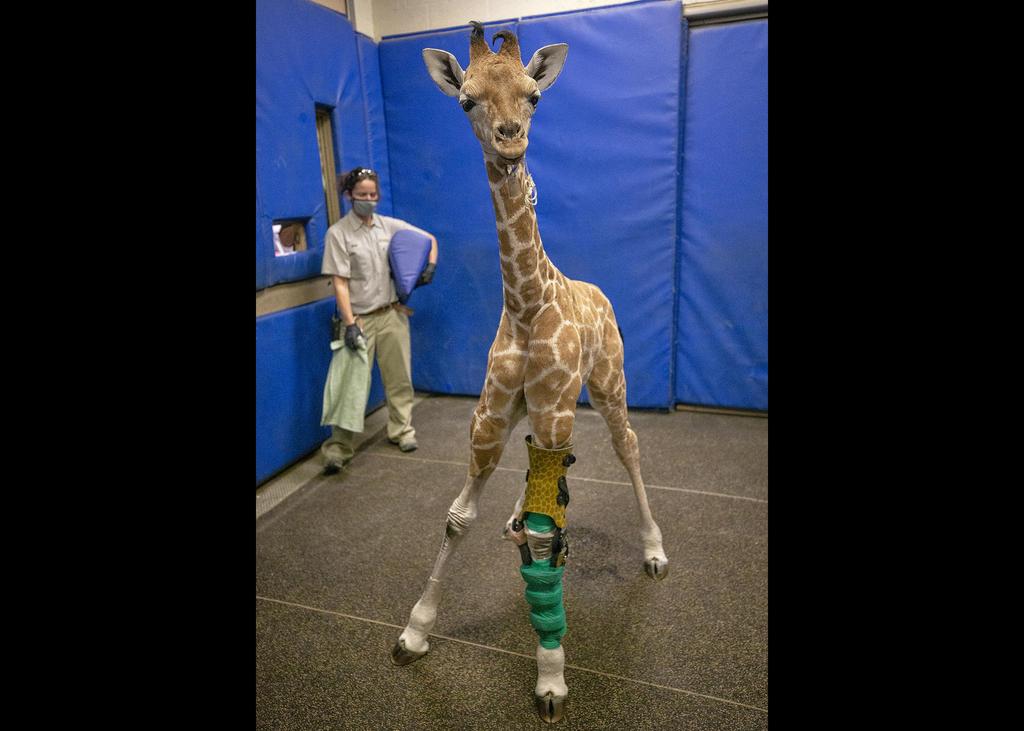
When Msituni was born, zoo keepers were worried the baby giraffe might die. Her front legs bent the wrong way, making standing nearly impossible. Now, thanks to special braces, she's healthy and playing with other giraffes.
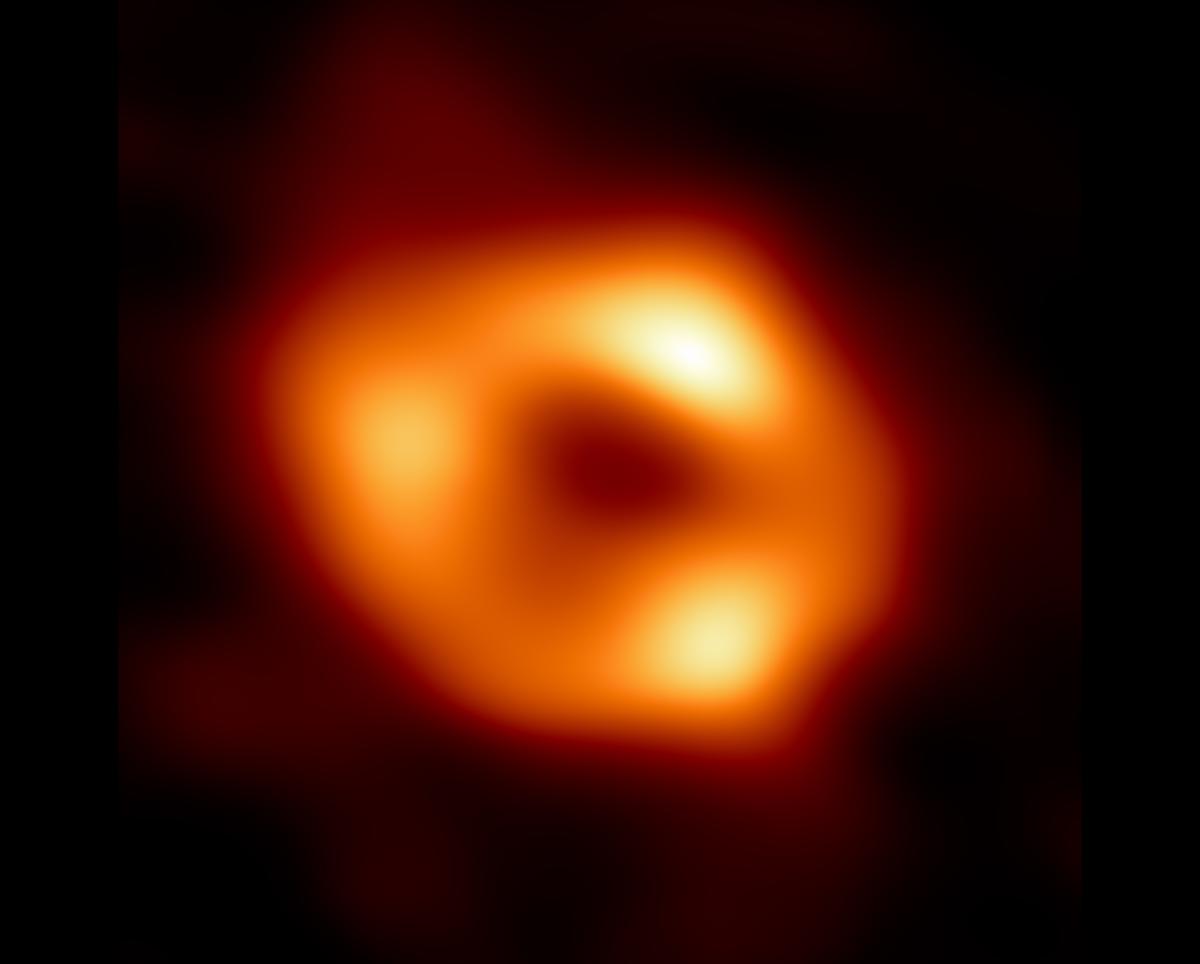
Scientists have long believed that there was a black hole in the center of our galaxy. Last Thursday, scientists released the first image ever made of this black hole. The scientists hope the image will help them learn more about black holes and gravity.
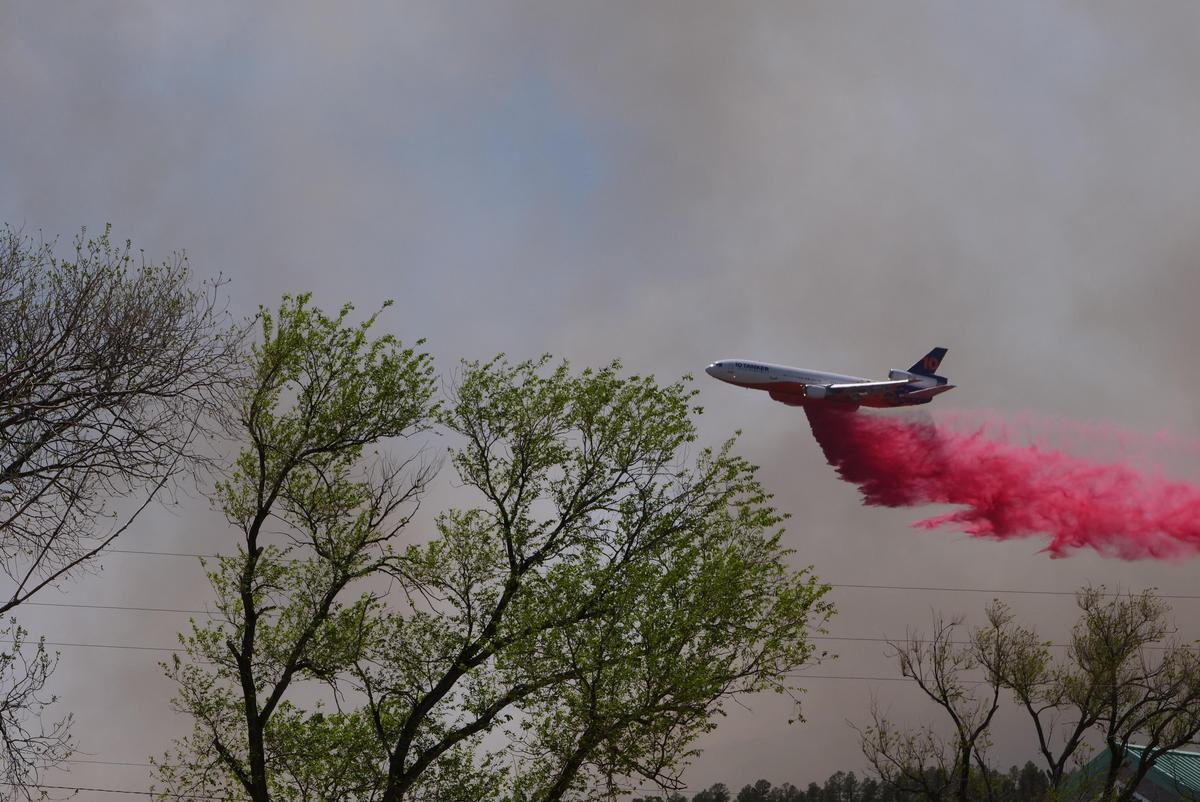
In today's news roundup, New Mexico fights massive wildfires, New Zealand reopens to tourists after more than two years, and a company uses satellites to spot cow burps from space.
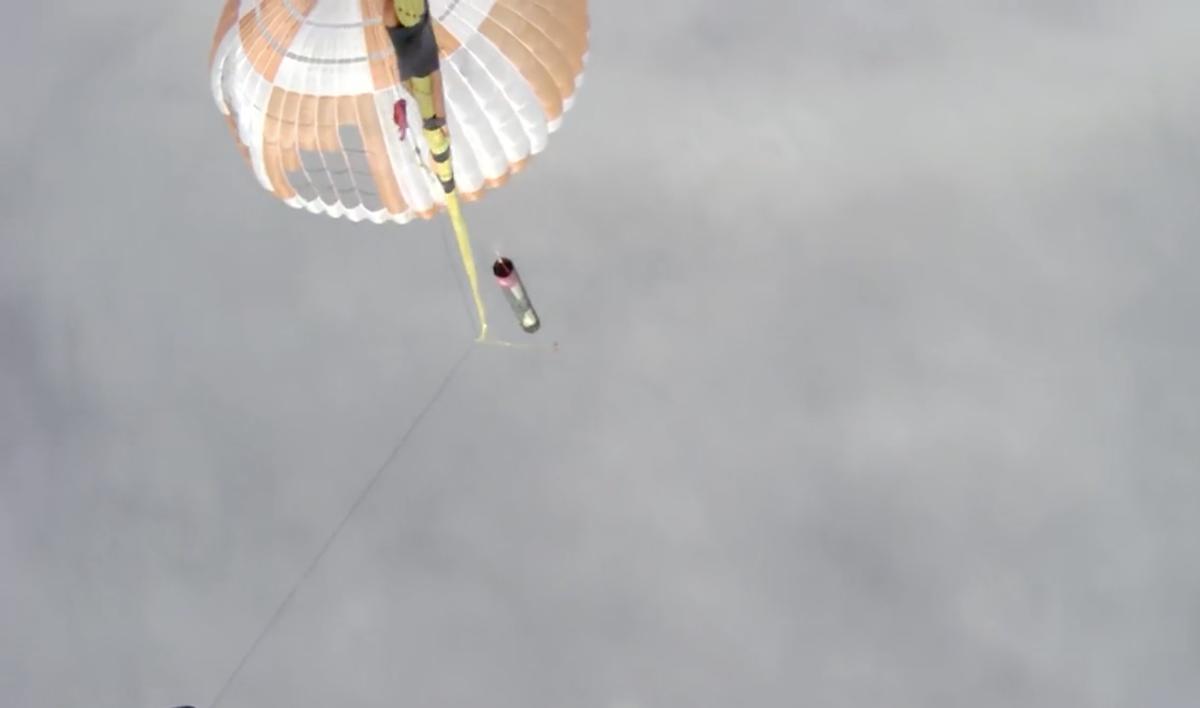
On Monday, a company called Rocket Lab used a helicopter to grab a huge booster section of a rocket out of the air as it fell from space. Like SpaceX, Rocket Lab hopes to lower the costs of rocket launches by reusing parts.
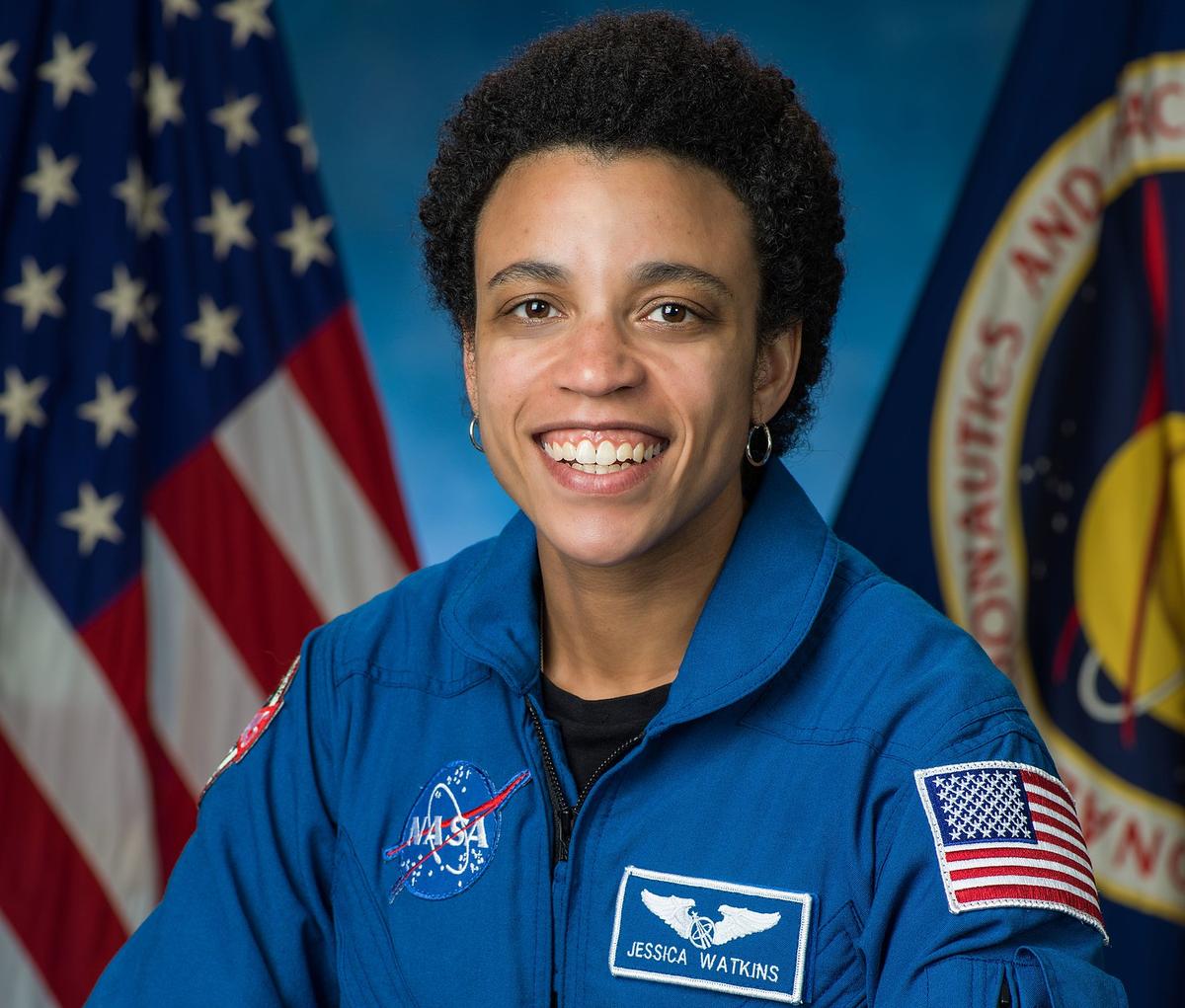
Last Wednesday, NASA astronaut Jessica Watkins made history as she blasted off on a SpaceX rocket. Dr. Watkins is now the first Black woman to serve on a long-term mission to the International Space Station.

In today's news roundup, an explosion at an illegal oil processing factory in Nigeria kills over 100 people, Beijing, China announces plans to test 22 million people for Covid-19, and scientists in Japan invent chopsticks that make food taste saltier.
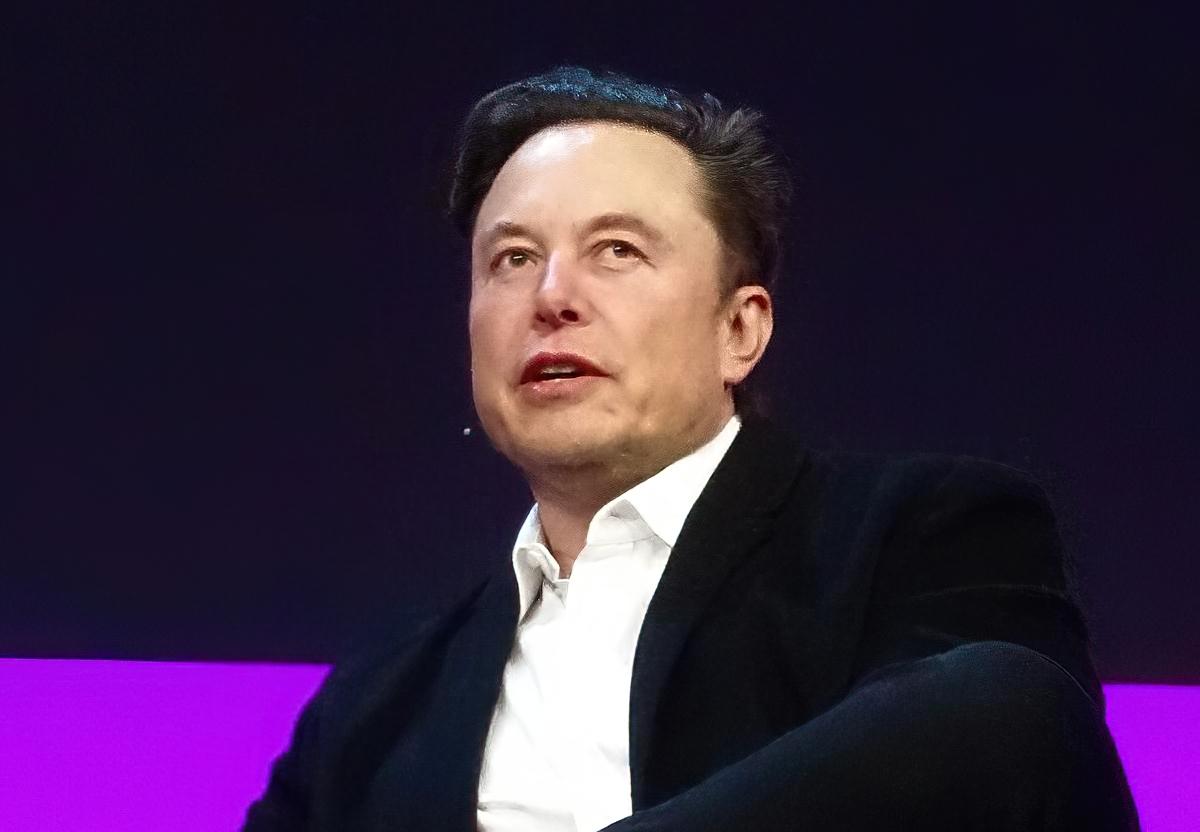
The world's richest person, Elon Musk, has reached a deal to buy Twitter, one of the world's largest social media sites, for $44 billion. Mr. Musk says he wants to protect "free speech", but many people worry about actions he may take as Twitter's owner.
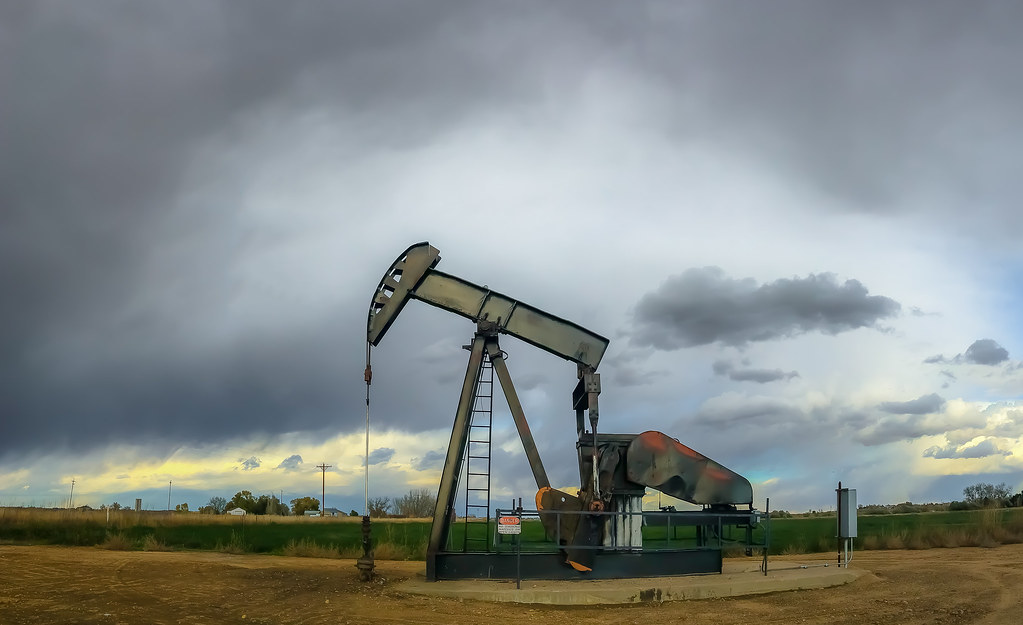
As the world tries to quit fossil fuels, there's a lot of focus on renewable energy sources like wind and solar. But one very promising source of energy comes from deep inside the Earth. And old oil wells could help greatly in developing this power.
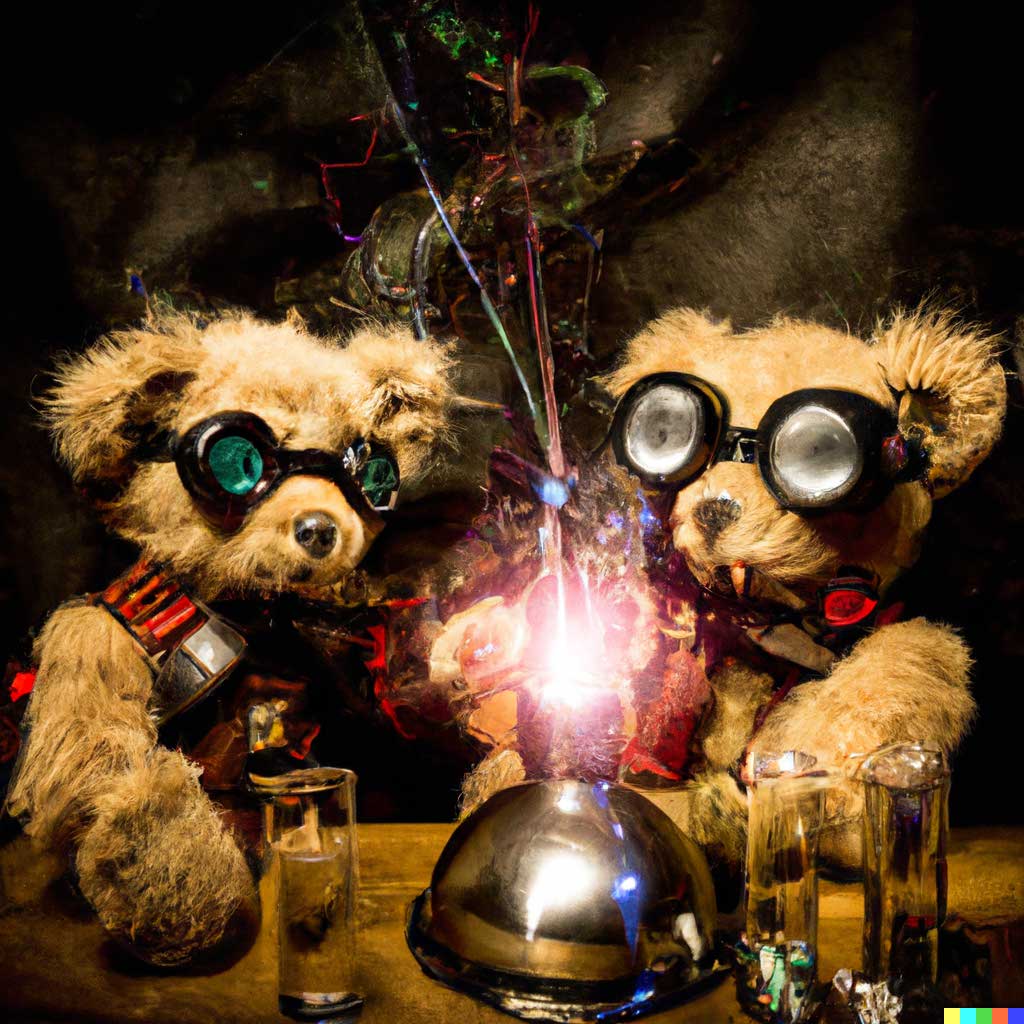
A company called OpenAI has recently announced a new version of its AI artist, DALL-E 2. Given just a short sentence describing a picture, the tool can create complicated images in many different styles.