
Gladys West, whose work helped lead to the creation of GPS, has died at age 95. Ms. West, a Black mathematician and computer programmer, grew up working on a farm in Virginia. Her efforts for the US Navy helped make GPS possible. But until recent years, very few people knew of her work.
The “Global Positioning System”, or GPS, is used by billions of people around the world every day. It allows users to find their location anywhere on Earth. The system also provides accurate timing information. Without Ms. West’s work, GPS would not exist.
Ms. West was born in 1930, and grew up on a small farm in Virginia. At the time, Black people in the US were treated as if they were not equal to white people. Ms. West went to a one-room school with other black children.
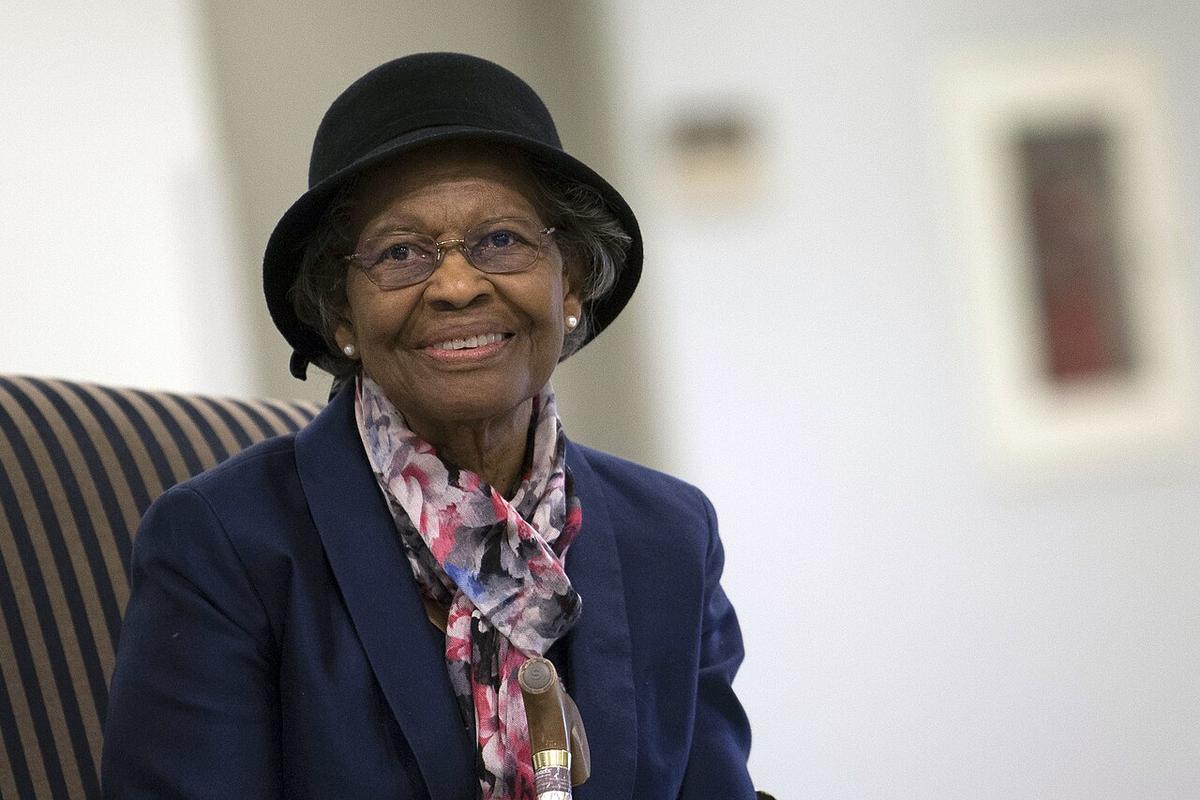
(Source: Adrian Cadiz/US Air Force [Public Domain], via Wikimedia Commons.)
But Ms. West knew that education was important. She studied hard, and wound up earning a scholarship to Virginia State College (now Virginia State University). She graduated with a degree in mathematics. After graduating, she taught math and science at schools for Black students.
In 1955, President Dwight Eisenhower made it possible for Black people to hold US government jobs.
In 1956, Ms. West applied for a job at the US Navy’s Dahlgren Laboratory. She got the job. She was one of four Black people working at the lab.
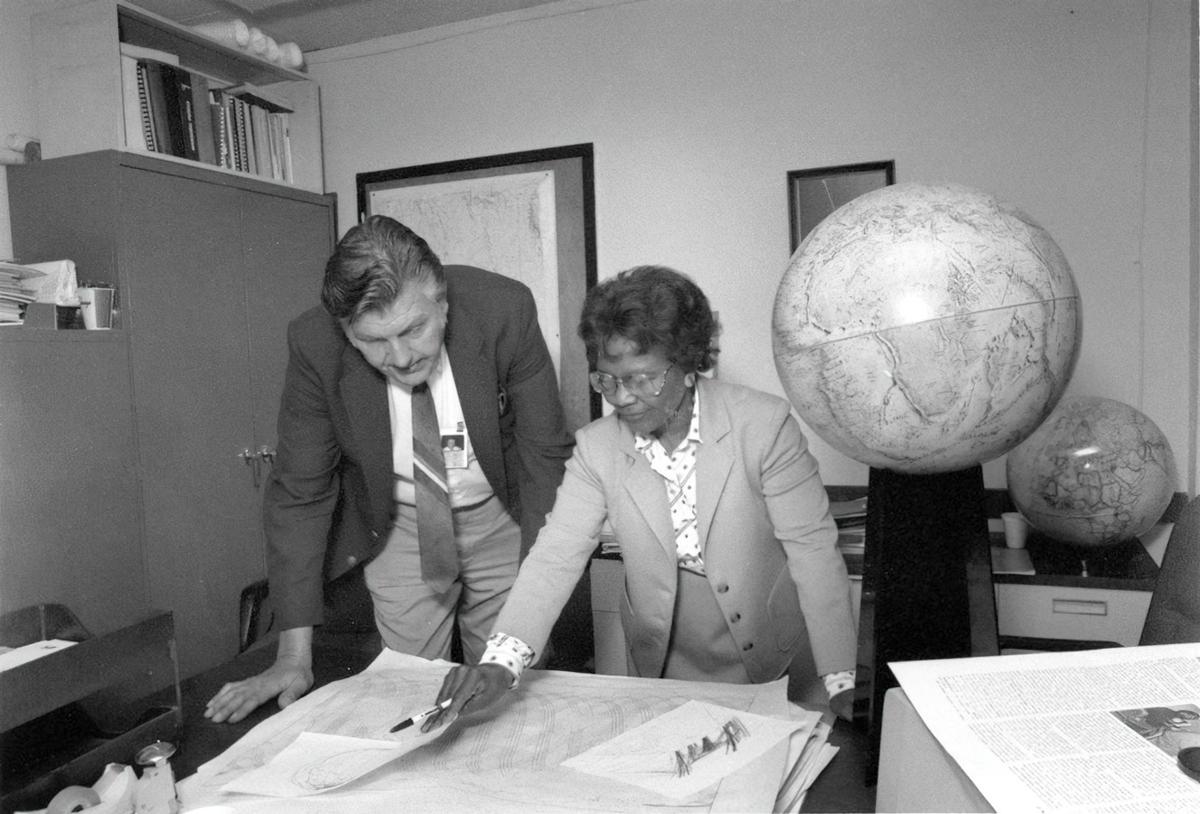
(Source: US Navy [Public Domain], via Wikimedia Commons.)
At the lab, Ms. West did important math work to help the US Navy. In the early 1960s, Ms. West worked on a project studying the orbits of Pluto and Neptune. Her work helped prove how Pluto moved in relation to Neptune.
Later, Ms. West worked on a project aimed at figuring out the exact shape of the Earth. Though we think of the Earth as round, it’s actually sort of a squeezed ball. And there are many forces which change the Earth’s shape in different areas.
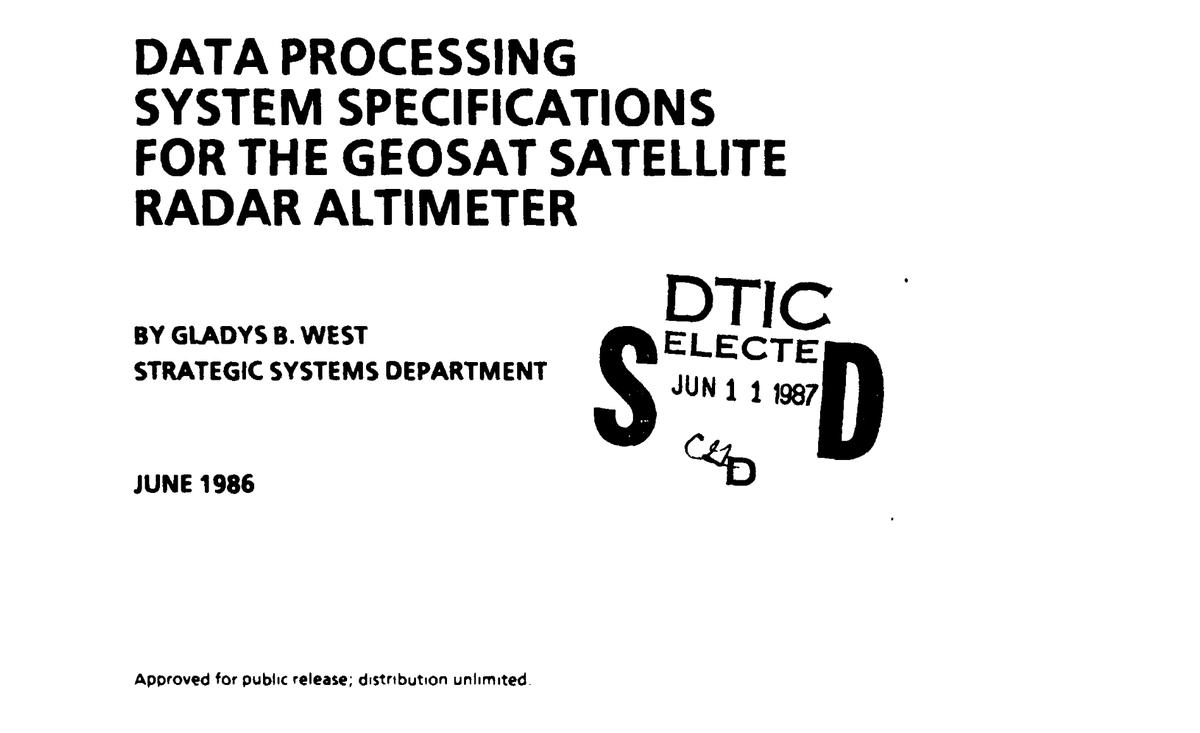
(Source: [Public Domain], via Wikimedia Commons.)
As part of her work, Ms. West had to program one of the world’s first supercomputers. At the time, these were huge devices, and information had to be entered into the system using paper cards with holes punched in them.
Ms. West’s work helped create an extremely precise mathematical model of the Earth’s shape. This model was used to plan the orbits of satellites for the GPS system.
Though GPS was developed for the US military, it has wound up helping people around the world every day. If you’ve ever seen someone using a map on a phone, then you’ve seen the system that Ms. West helped develop.
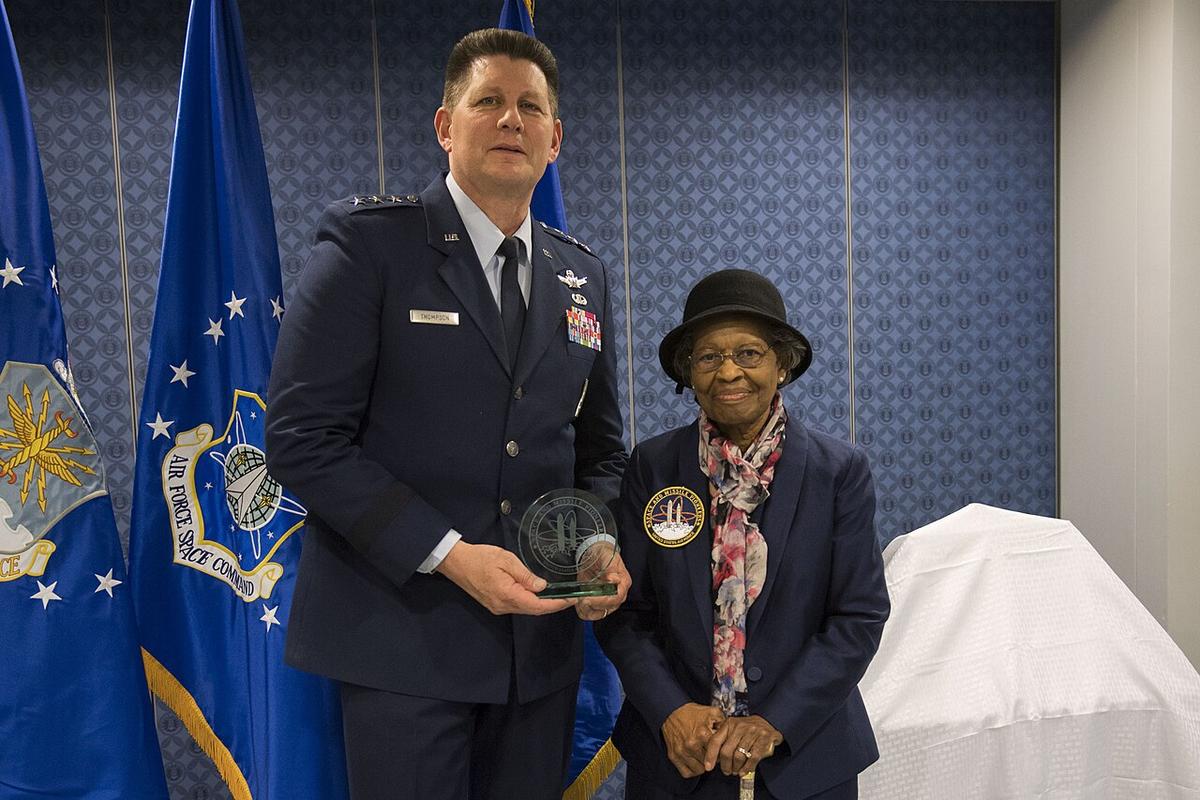
(Source: Adrian Cadiz/US Air Force [Public Domain], via Wikimedia Commons.)
Ms. West continued to work at the lab for 42 years, until she retired in 1998. But she didn’t just stay at home after that. She went back to school and got a Ph.D.
In spite of Ms. West’s successes, she wasn’t really recognized for her work until 2018, when she won several awards.
In 2020, Ms. West was asked if she used GPS. “I prefer maps,” she replied.