
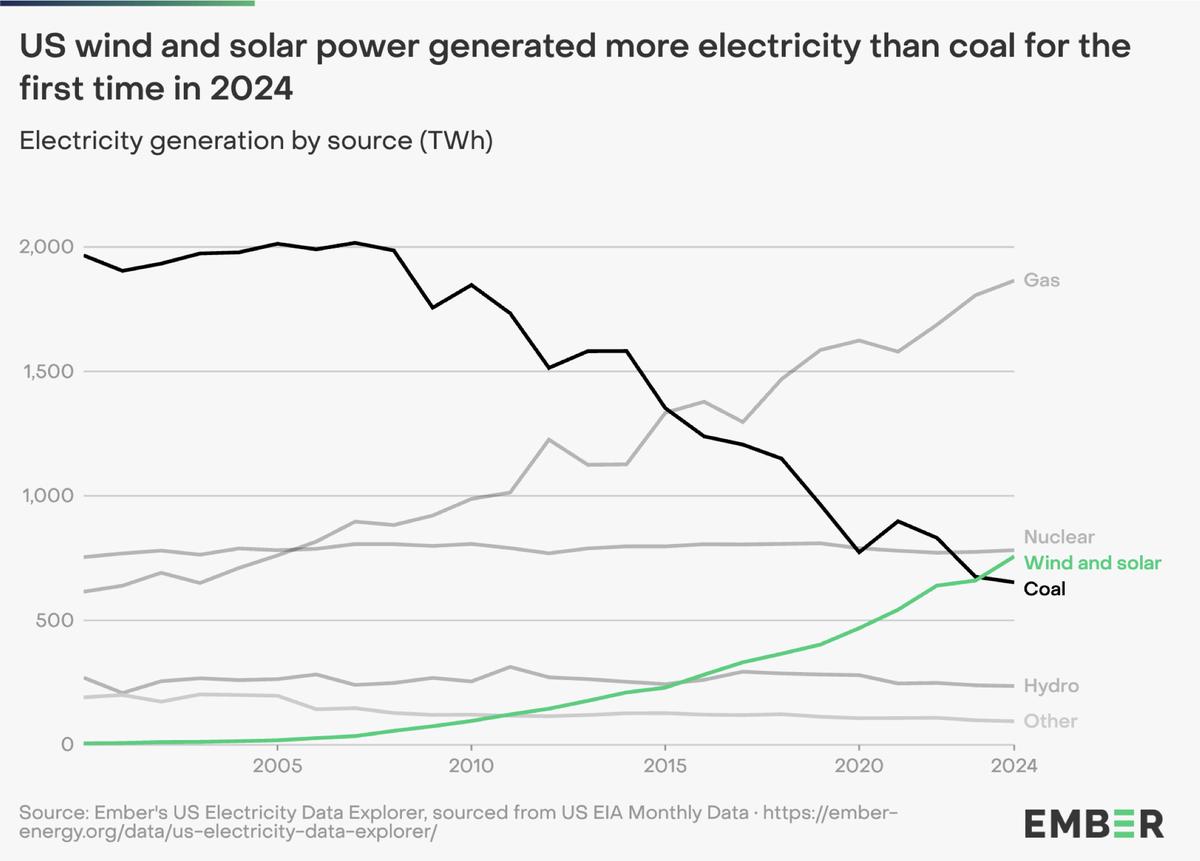
Last year, the US got more of its electricity from wind and solar power than from coal. It's the first time that's ever happened, and it shows how quickly the US is moving toward cleaner energy sources. Because renewable energy is so cheap, it will probably continue to grow, despite President Donald Trump's push to increase fossil fuel use.
Published in “Science”
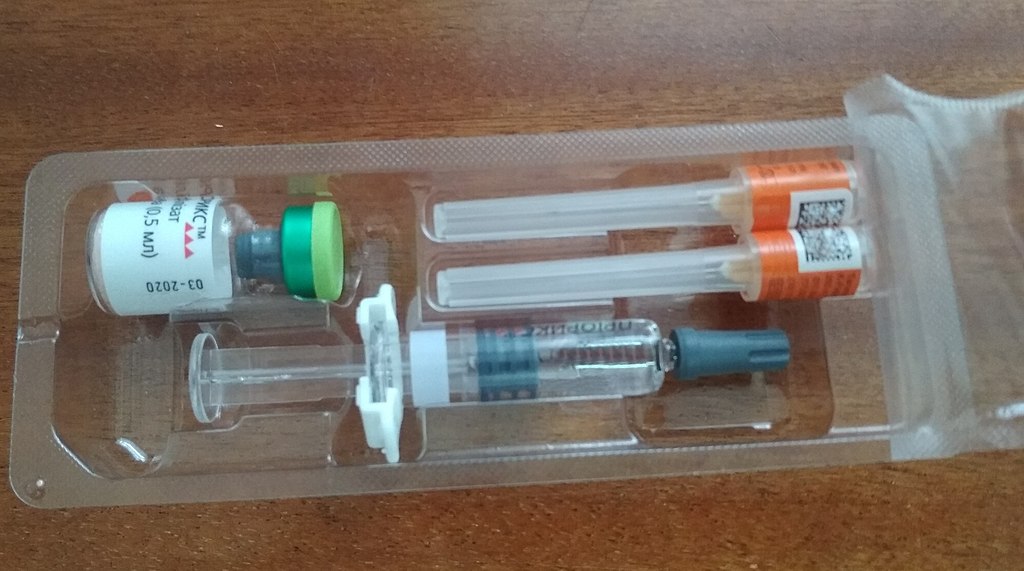
The US is facing a serious measles outbreak, with over 300 cases reported across 14 states so far this year. That's more cases in the first three months of 2025 than in all of last year. The rise in measles cases is connected to a drop in vaccination rates.
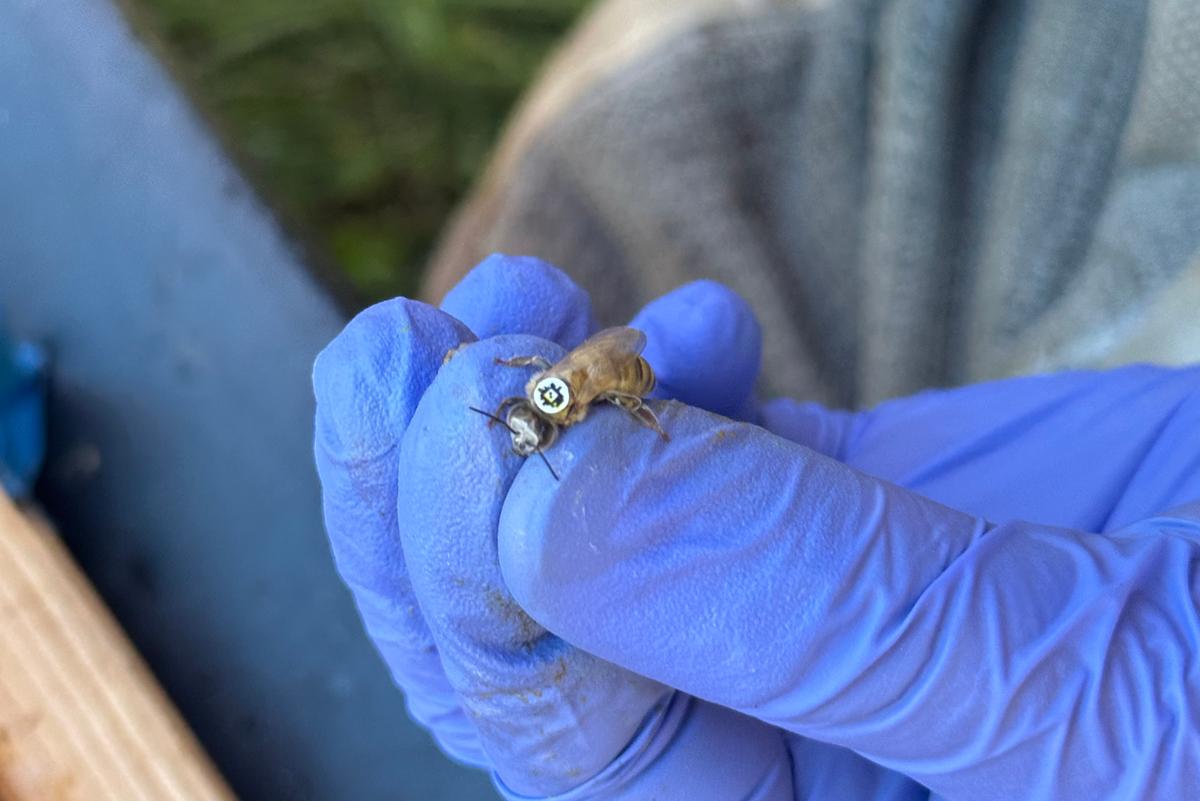
Scientists at Penn State University used an unusual method to track honey bees. By placing tiny QR codes on the backs of the bees, the researchers can keep track of when the bees leave and return to their hives. The work will help scientists learn more about how bees collect food and how far they travel.
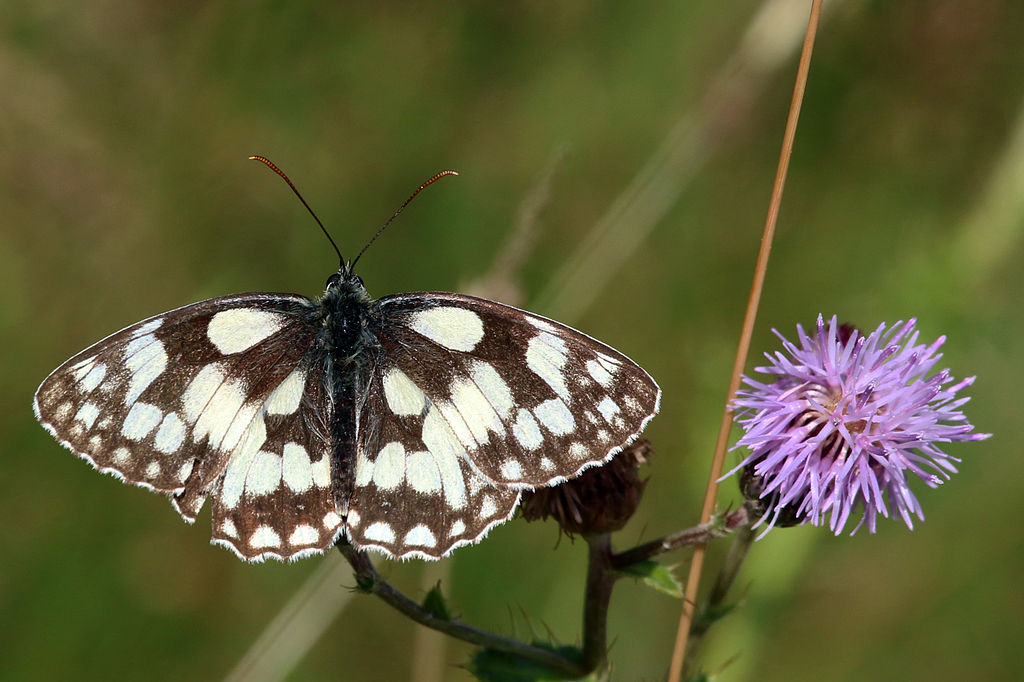
A new study shows that the number of butterflies in the United States has dropped by 22% over 20 years. The loss of butterflies could have serious effects on the environment and on US farms. Scientists say it's important to protect butterflies and other insects before it's too late.
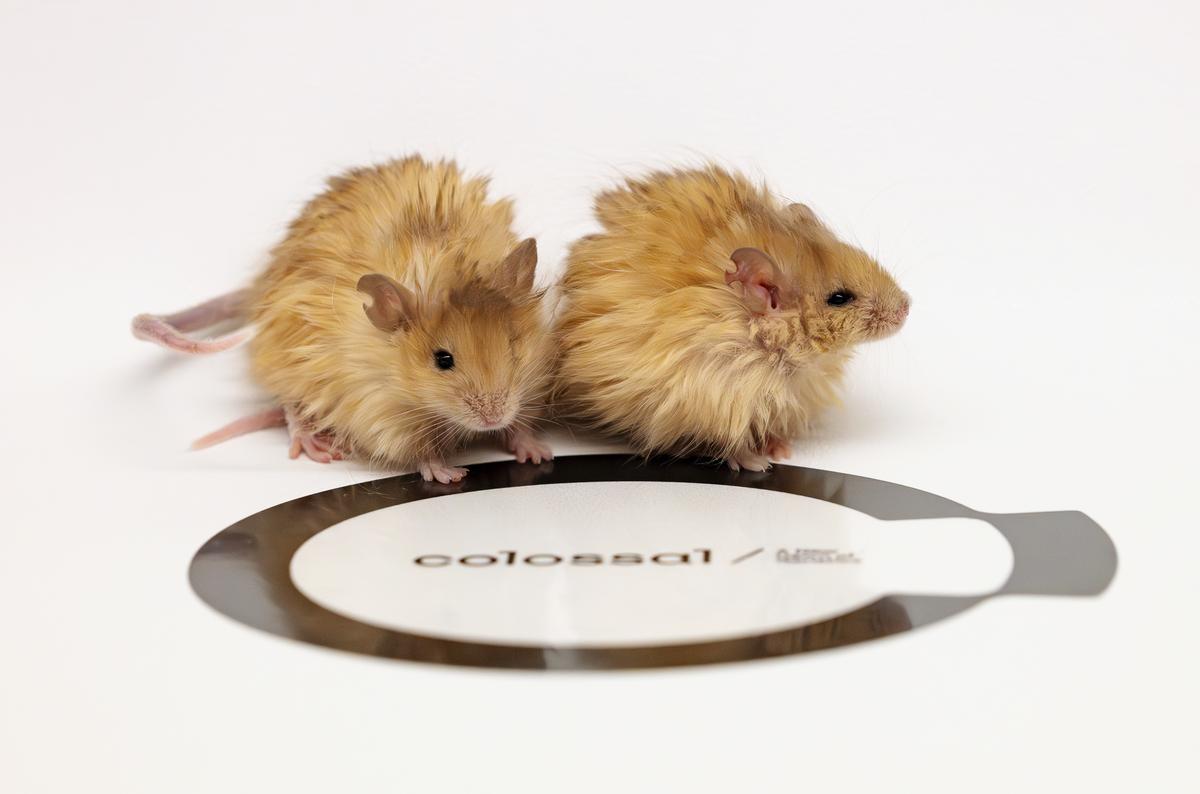
A company called Colossal Biosciences has created thick-haired mice that they are calling "Colossal Woolly Mice". The mice, created by editing DNA, are meant to be a step toward the company's larger goal of recreating the extinct woolly mammoth. Not everyone thinks it's a great idea.
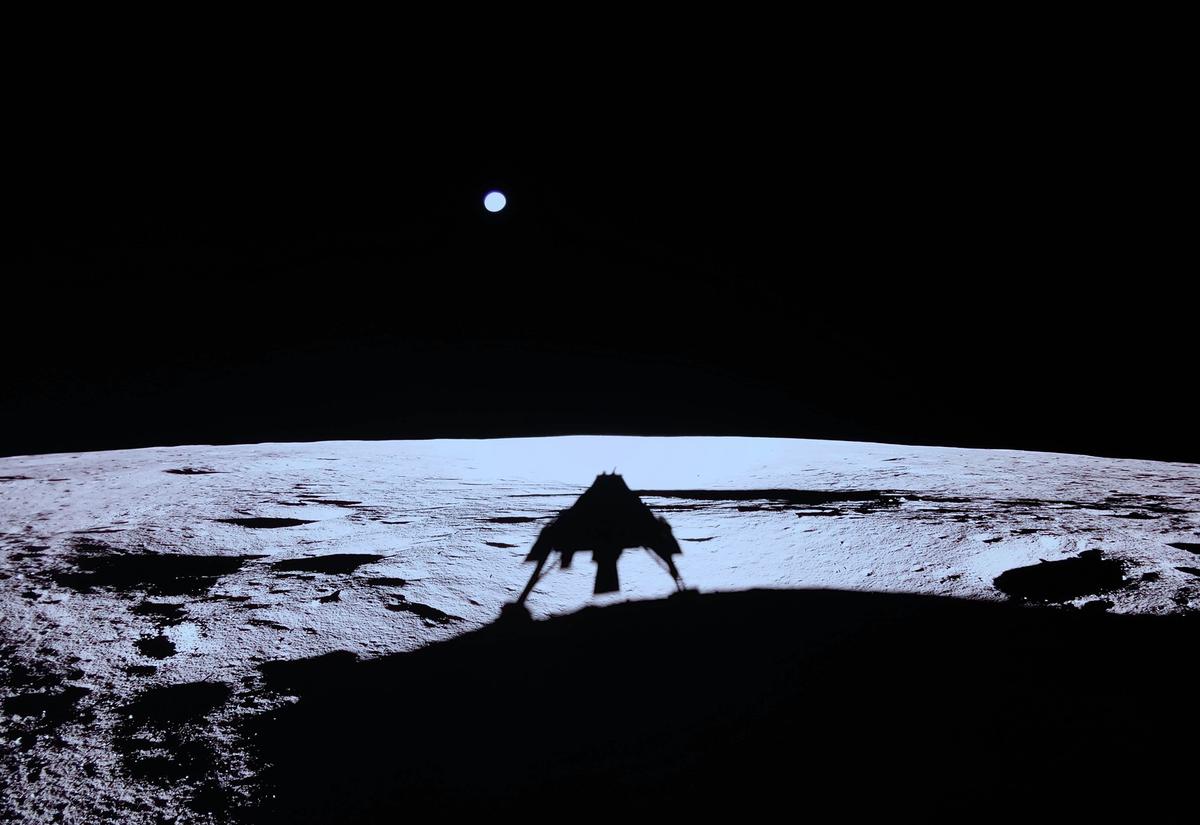
On Sunday, a company called Firefly Aerospace became the first private company to make a perfect landing on the moon. Firefly is working with NASA, and its spacecraft, Blue Ghost, is carrying out several experiments for the space agency.
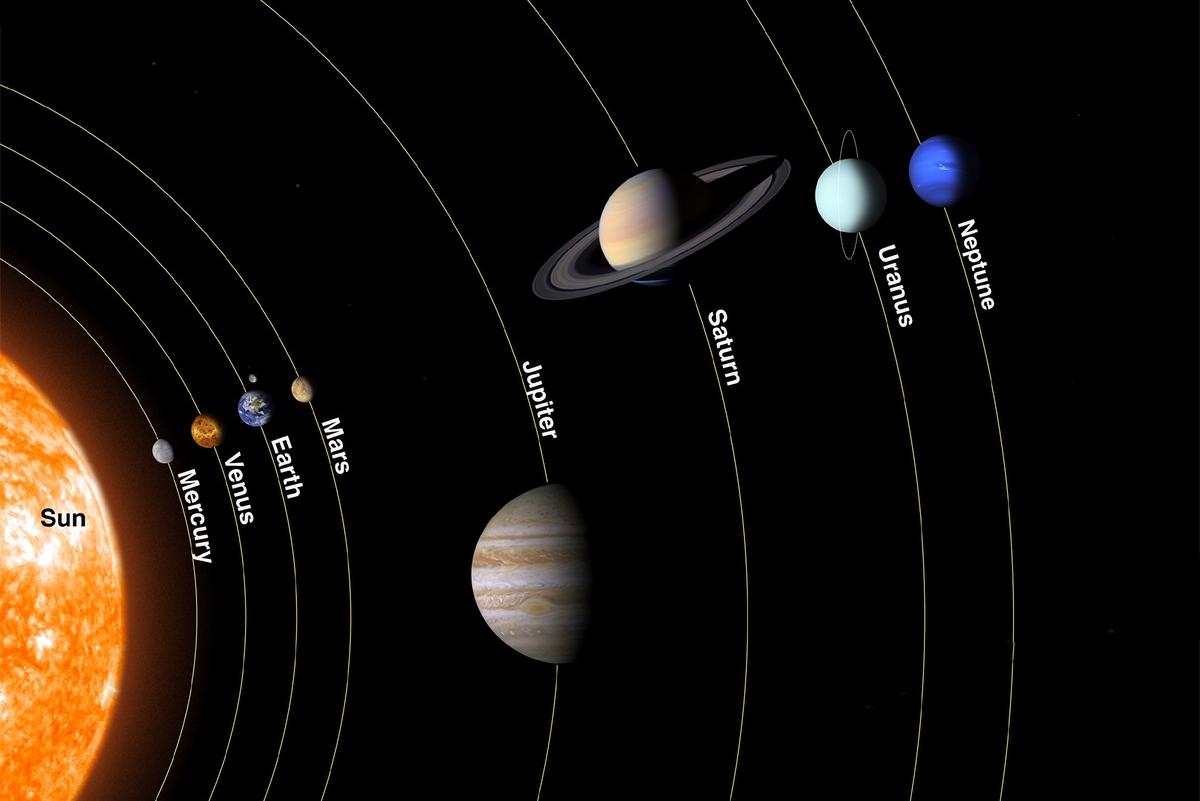
This week, people all over the world will have a chance to see an unusual sight in the evening sky – a "planetary parade" of the seven other planets in our Solar System. The next time seven planets will appear at one time like this won't be until 2040.
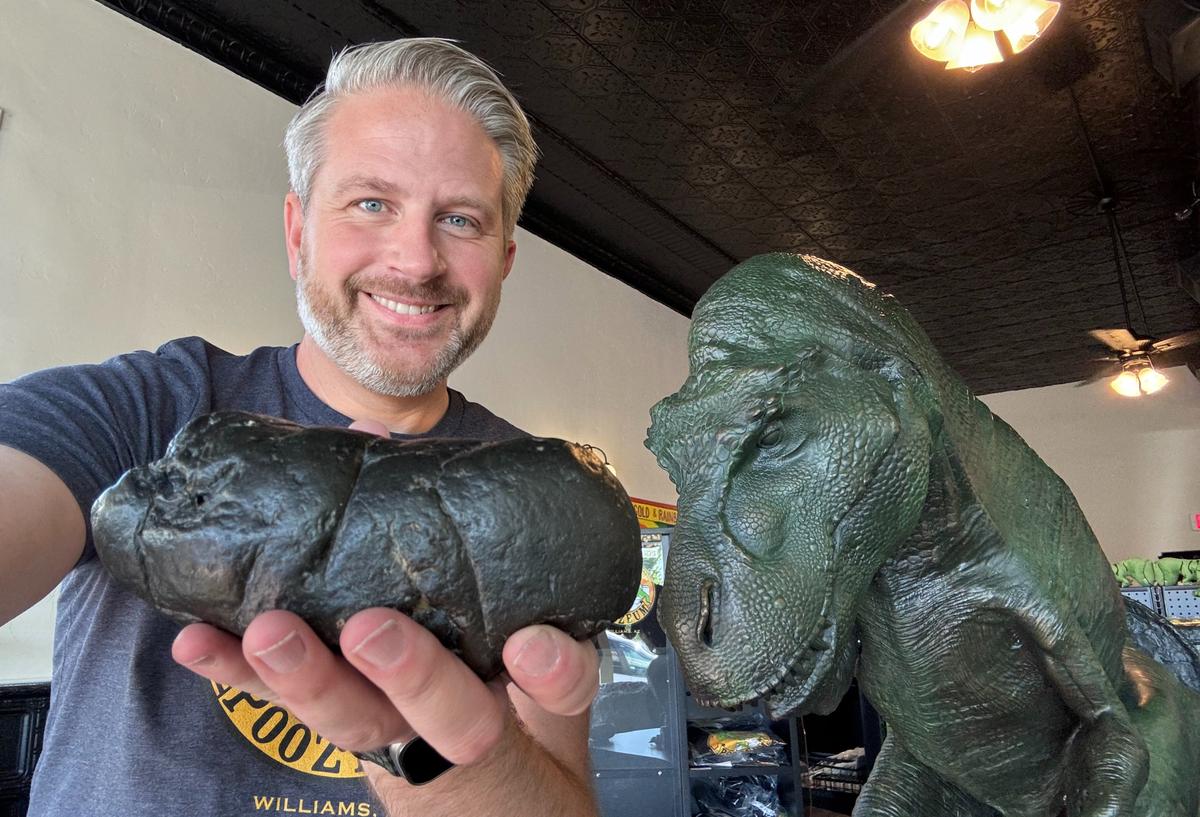
Last May, Arizona got a new museum that focuses on something that many people find disgusting: poop. Not just any poop, but really old poop. So old, in fact, that it has turned into a fossil. The Poozeum is a collection of thousands of examples of "coprolites" - fossils made of poop.
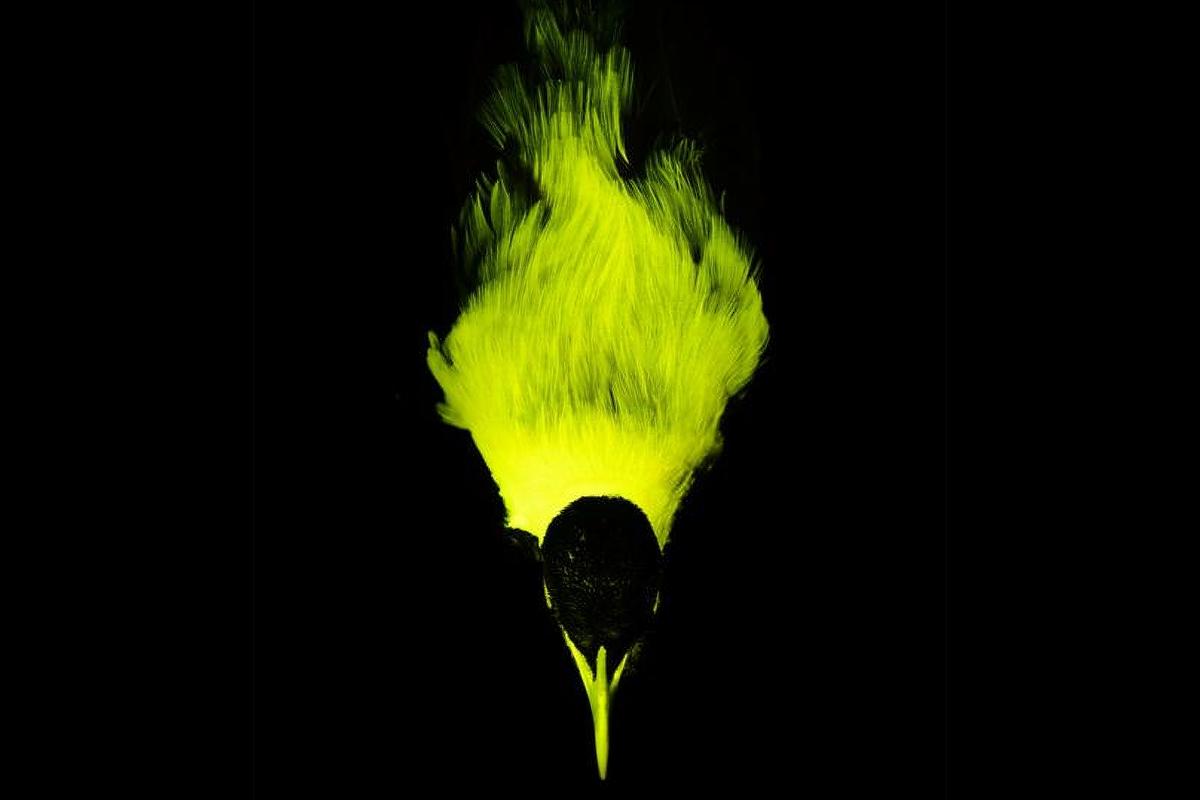
Scientists have discovered that many species of birds-of-paradise have feathers that glow. Birds-of-paradise were already well-known for their very colorful feathers and the fancy dances they use to attract mates. The discovery suggests that the birds are even more striking than we knew.
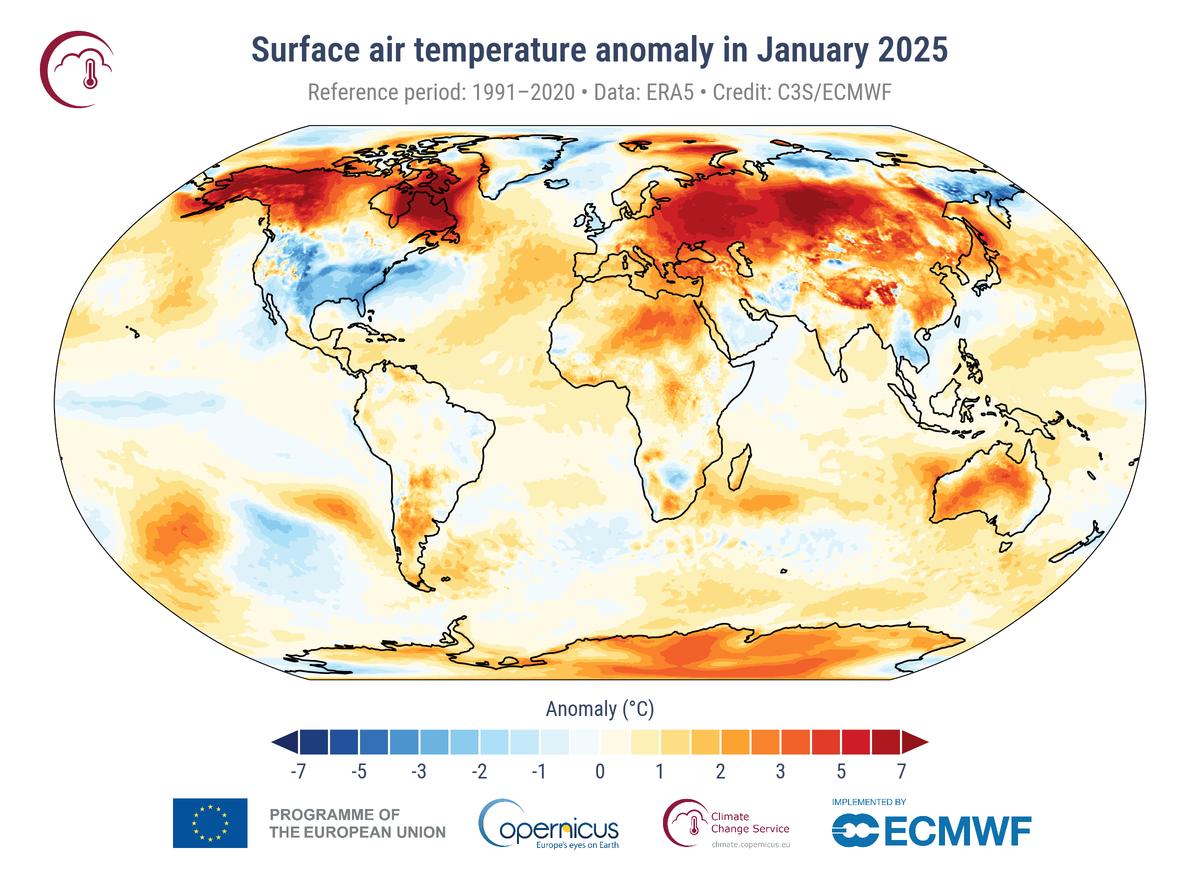
It was incredibly cold across much of the US last month, but scientists report that worldwide, it was the hottest January ever recorded. As heat records continue to be broken, some researchers believe global warming could be speeding up. Not all scientists agree.
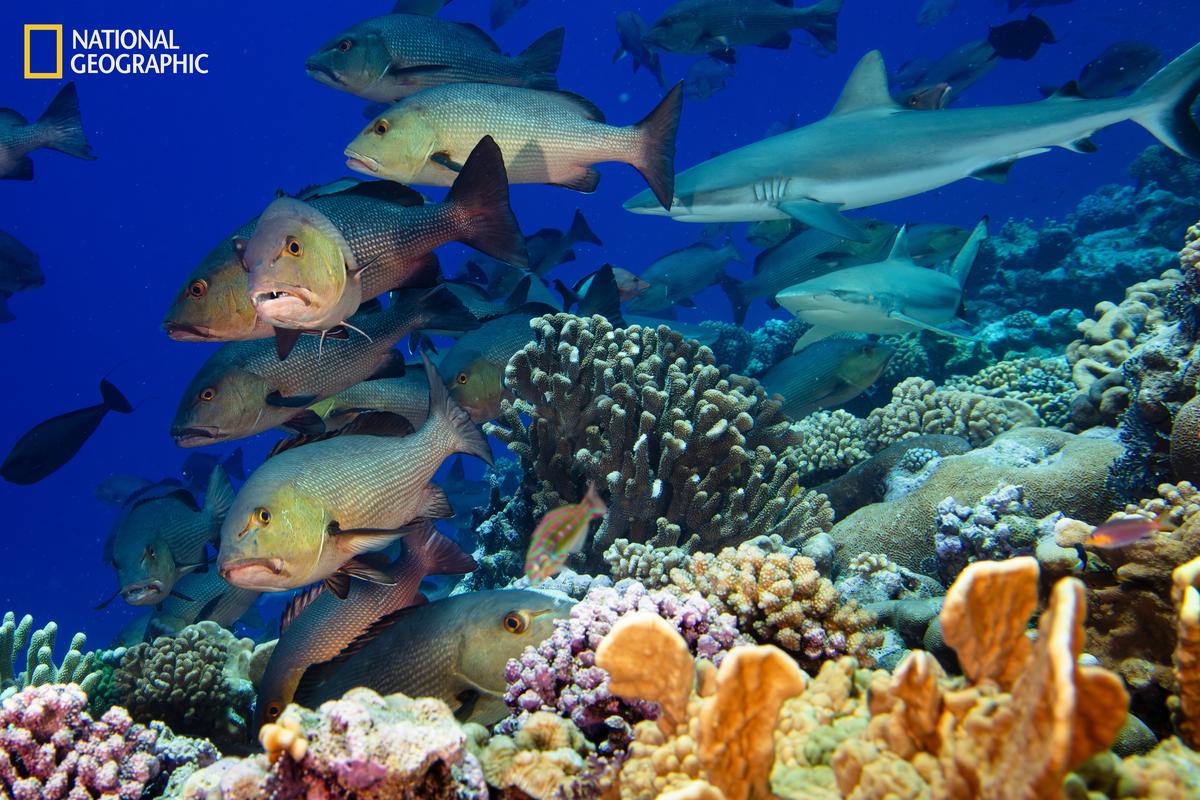
The government of the Marshall Islands has protected a huge area of ocean around two remote atolls. The step is designed to protect important marine and bird life, and to help scientists learn more about the area. The government says it's their first marine protected area (MPA), but it won't be their last.