
The Free Software Foundation celebrated its 40th birthday last Saturday. First started in 1985, the FSF has helped shape the digital world we live in today. Its ideas about free software inspired the open‑source movement; now open‑source programs run on countless computers, phones, and devices around the globe.
Published in “Science”

Since 2014, the Katmai National Park in Alaska has held "Fat Bear Week". It's a week-long online contest between selected bears in the park, with viewers voting over the internet for the bear which appears to have gained the most weight. This year, the winner was a massive bear called "Chunk".
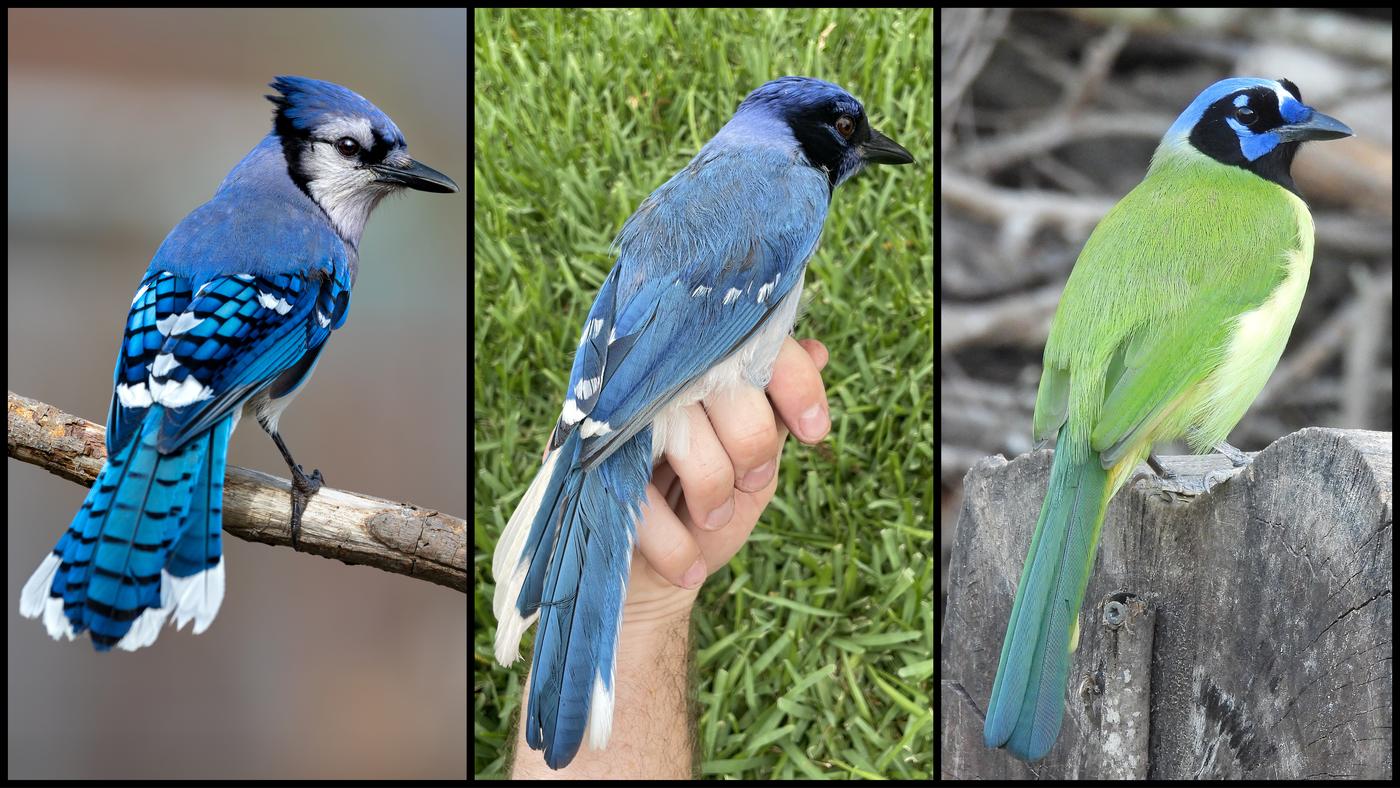
Scientists have reported on an unusual "hybrid" bird spotted in Texas - a cross between a blue jay and a green jay. The discovery is surprising because the two species are quite different. Scientists think the hybrid could be a result of climate change.

A town in Finland has begun using the world's largest "sand battery" to help provide heat. The unusual method of storing energy allows the town to create heat when electricity prices are cheap, and store it for long periods of time. The heat can then be used whenever it's needed.
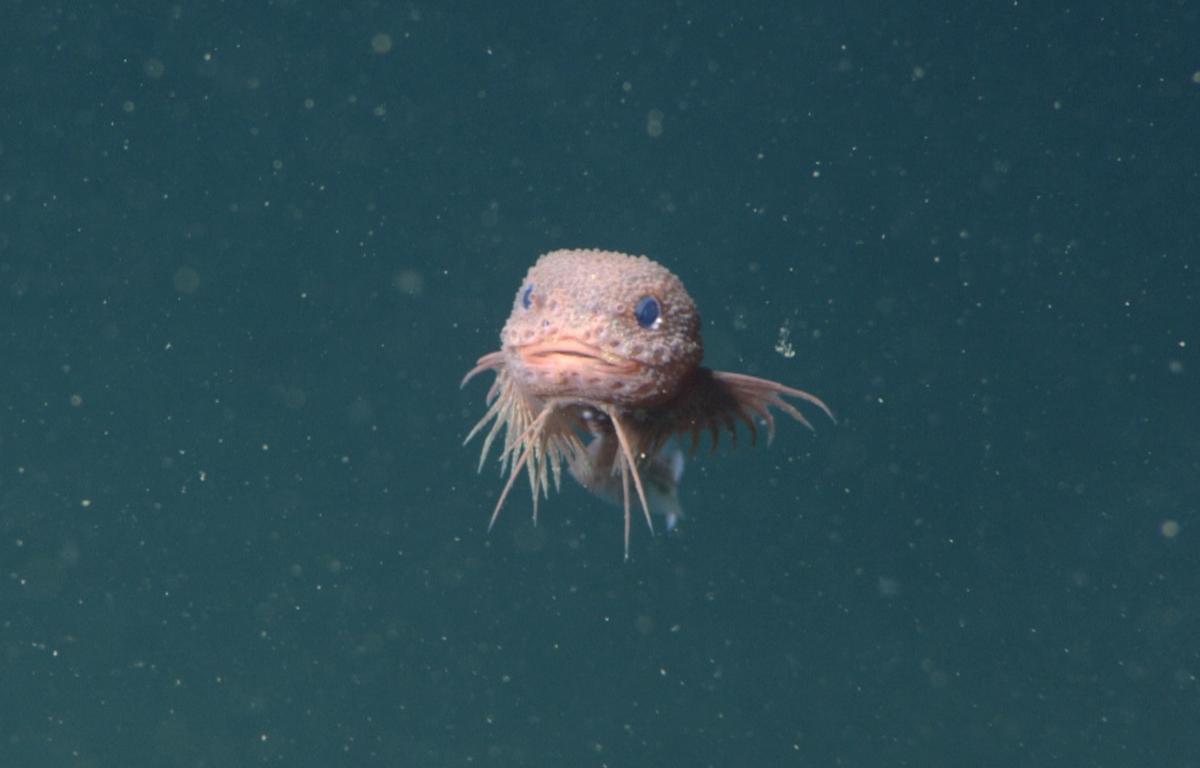
Scientists at the Monterey Bay Aquarium Research Institute have discovered a previously unknown kind of snailfish living over 2 miles (3.27 kilometers) below the surface of the Pacific Ocean. But if you were imagining a large, scary creature - you'd be wrong. One researcher described the fish as "adorable".

On Tuesday, Ethiopia held a special event to officially open Africa's largest dam. The $5 billion Grand Ethiopian Renaissance Dam is expected to bring electricity to millions of people in Ethiopia. But the dam has upset Egypt and Sudan, which rely heavily on the Nile River for its water.
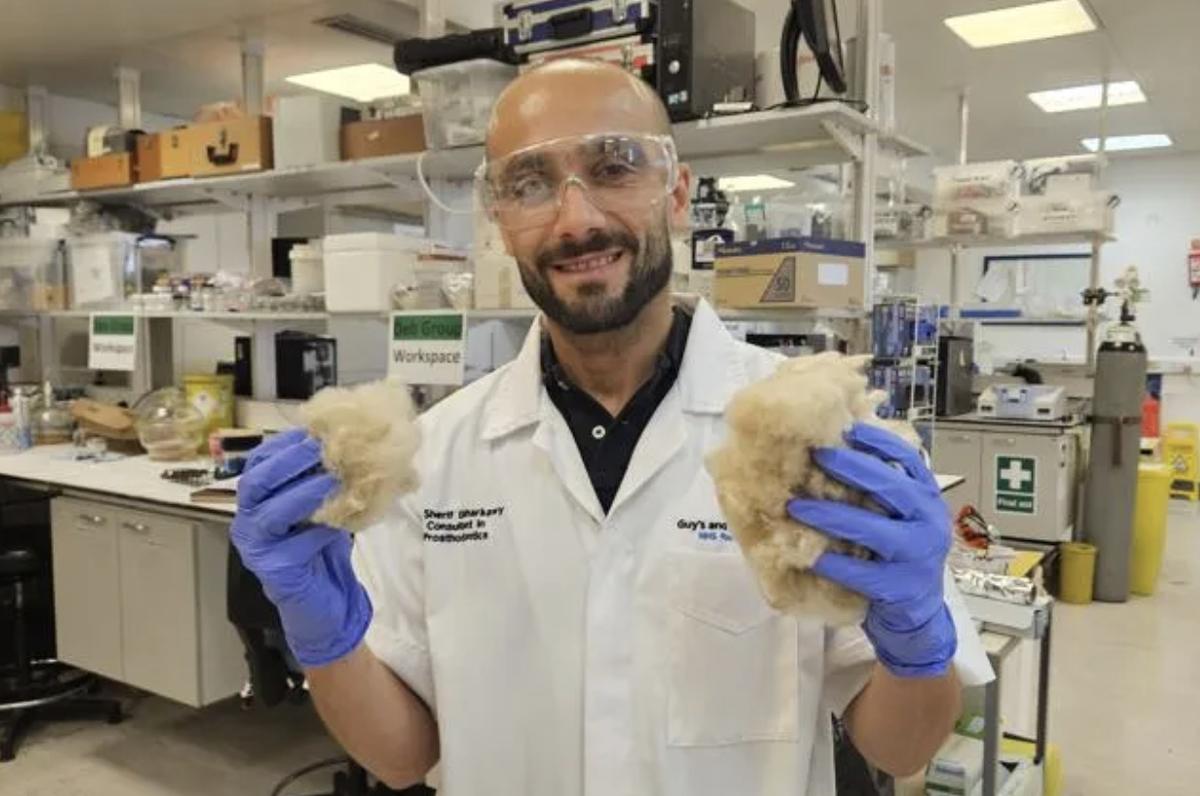
Scientists at Kings College London, have come up with a very unusual toothpaste - it was made using sheep's wool. The scientists say the toothpaste can not only protect teeth, but can also help repair damaged teeth.
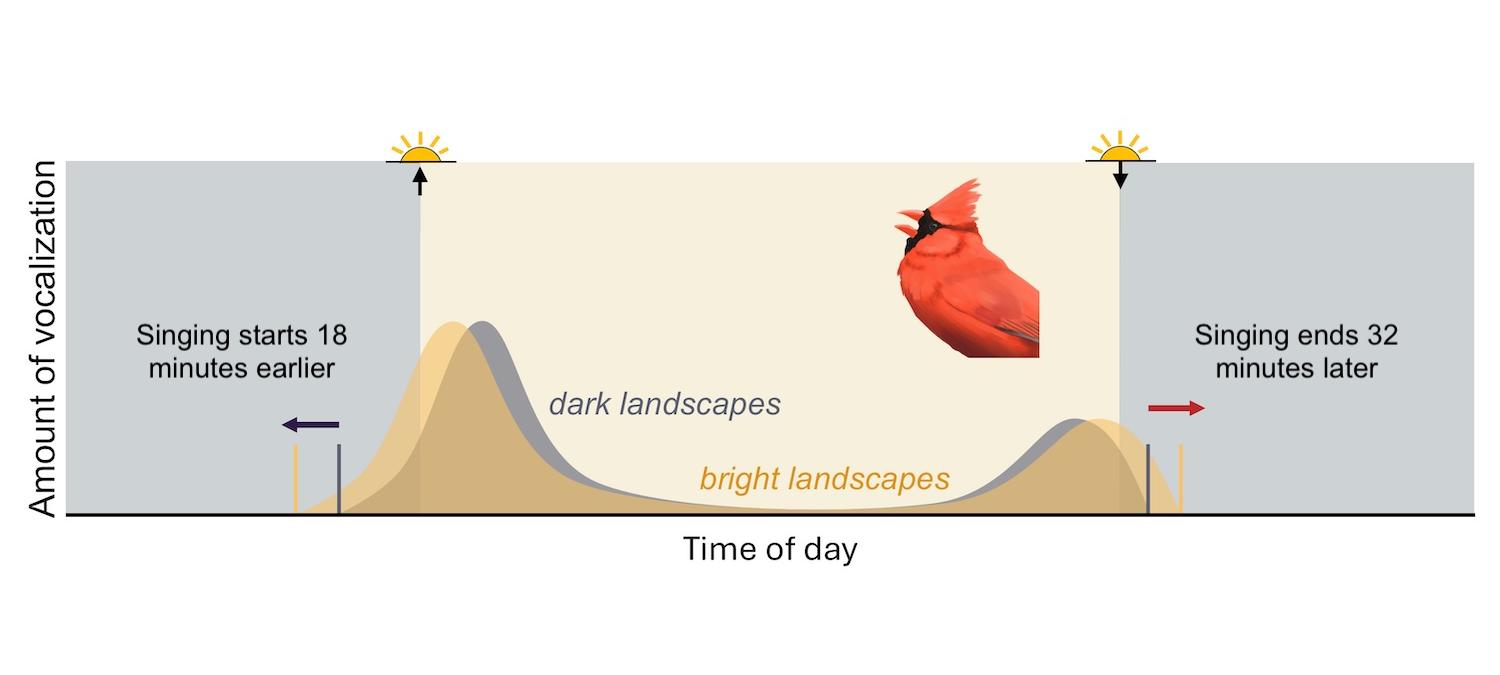
Birds are famous for waking up early. But in a recent study, scientists discovered that light pollution is leading birds to wake even earlier and go to sleep later. Bright lights are costing birds an average of 50 minutes of sleep each night.
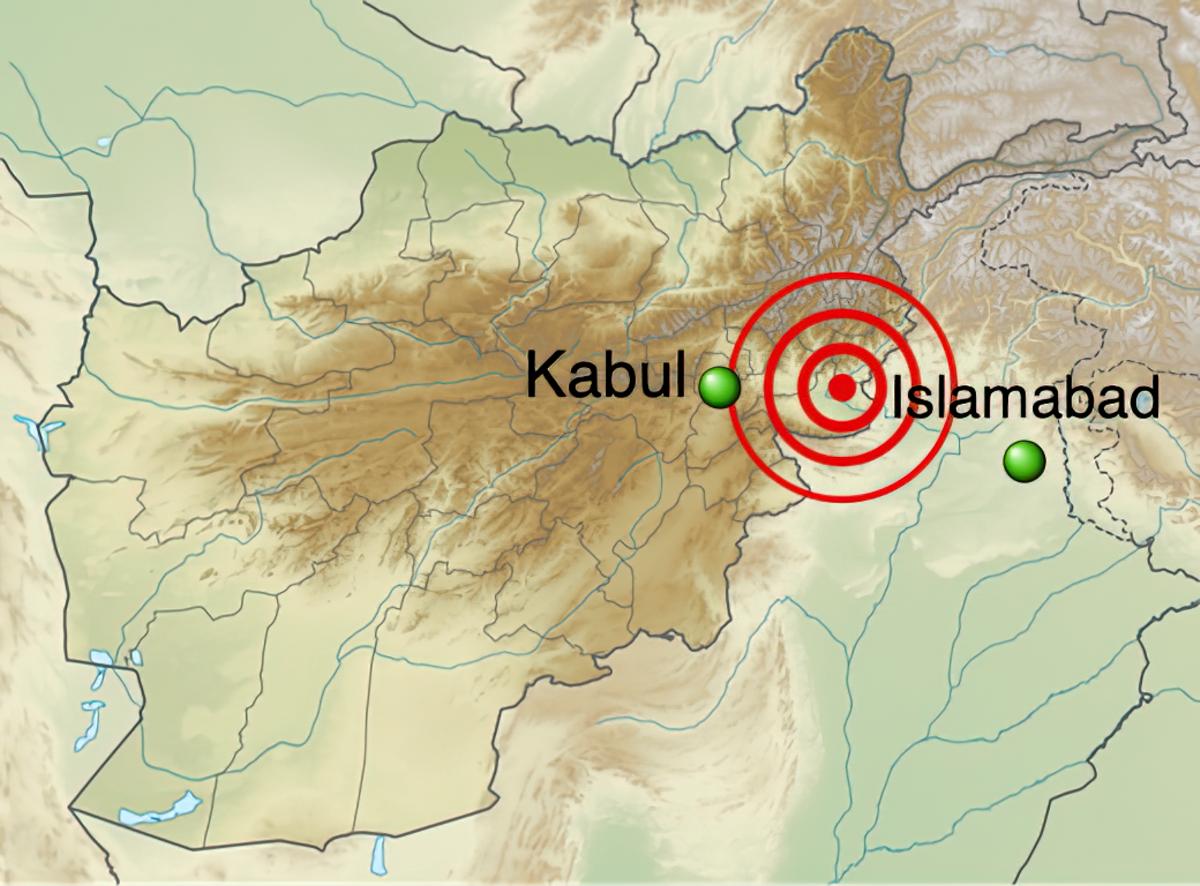
Today, NewsForKids.net looks at several important stories from Asia: A deadly earthquake hits Afghanistan; Asian leaders meet in China; and a court in Thailand removes the country's prime minister.
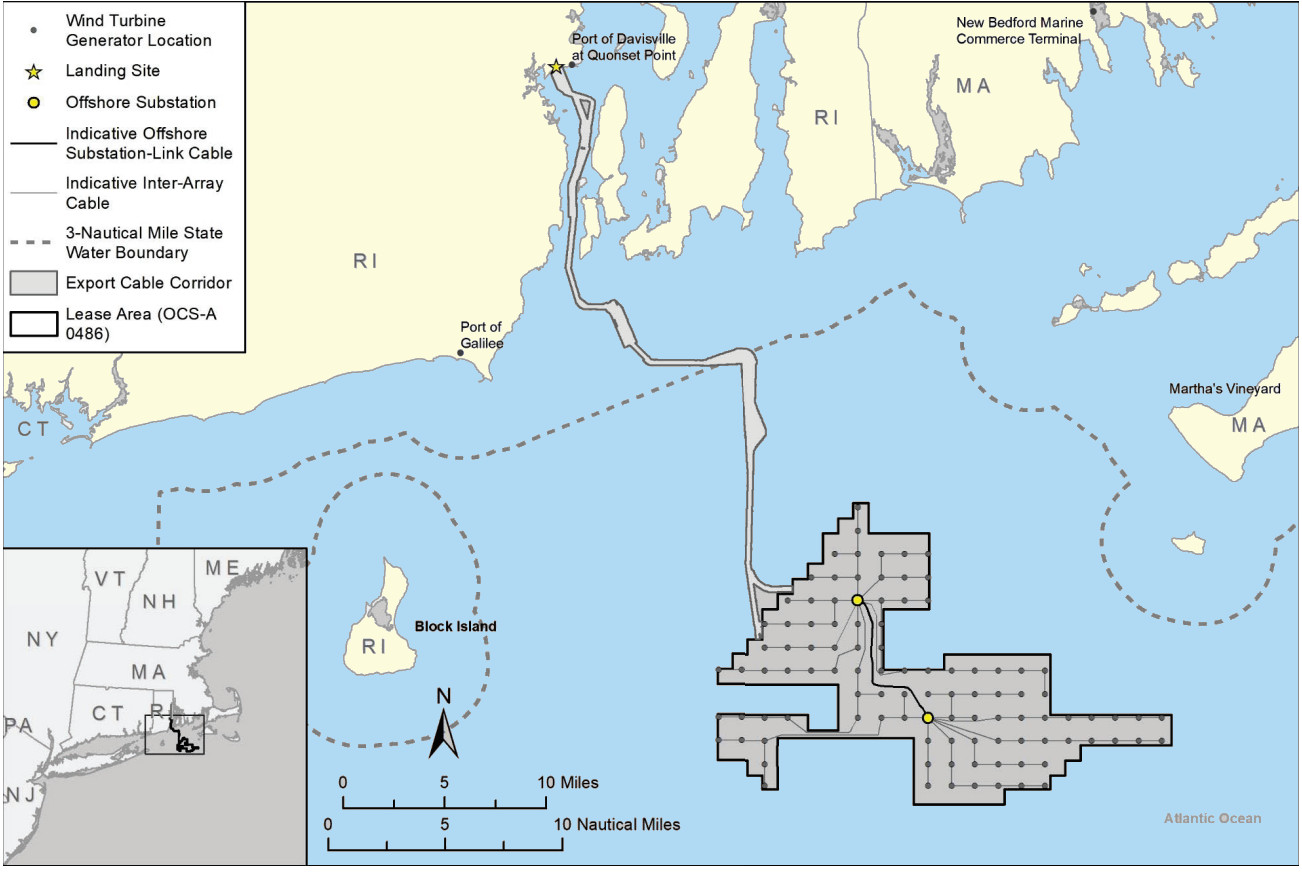
A huge offshore wind farm project near Rhode Island has been suddenly stopped by the US government. The project, which is 80% completed, was meant to bring clean energy to hundreds of thousands of homes. Some people worry that the government is making it too hard for wind power projects to succeed.
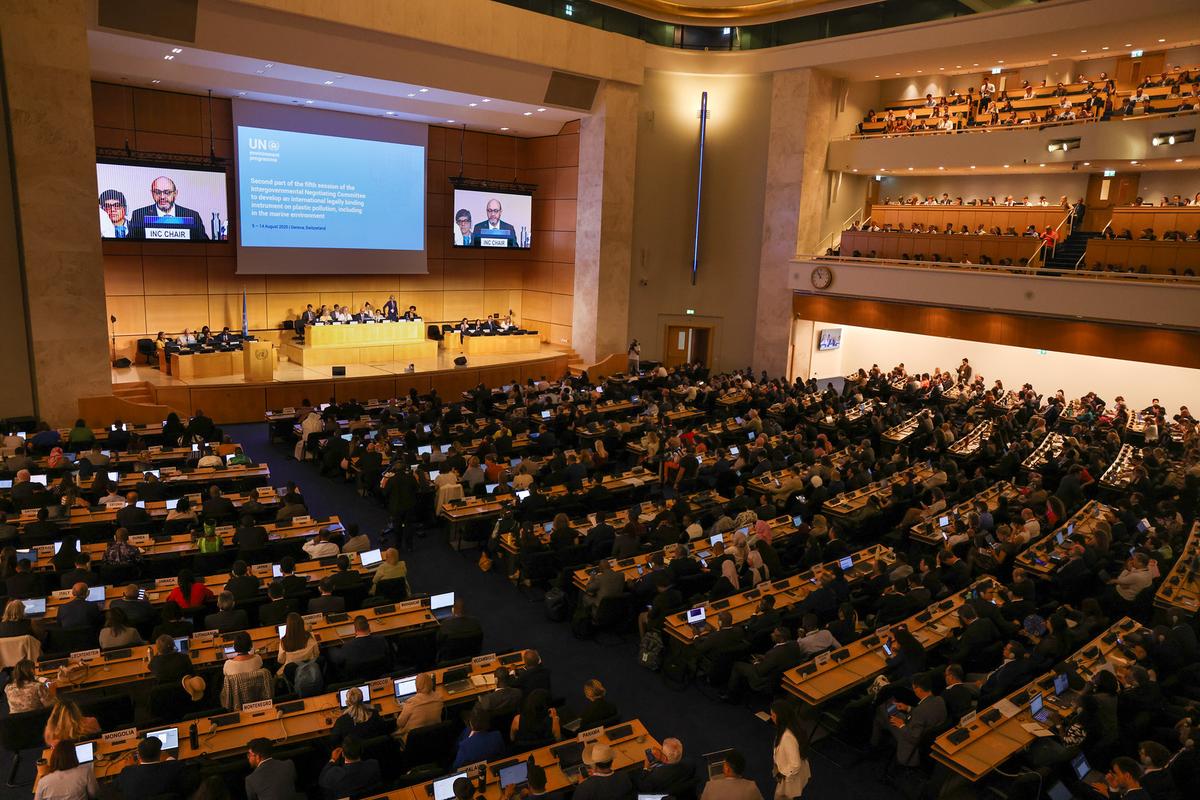
In early August, people representing over 180 countries met for 10 days in Geneva, Switzerland. They hoped to reach an agreement on dealing with plastic pollution. But the meeting ended in failure. Most countries wanted to put limits on producing new plastic. But countries that produce lots of plastic fought the idea.