
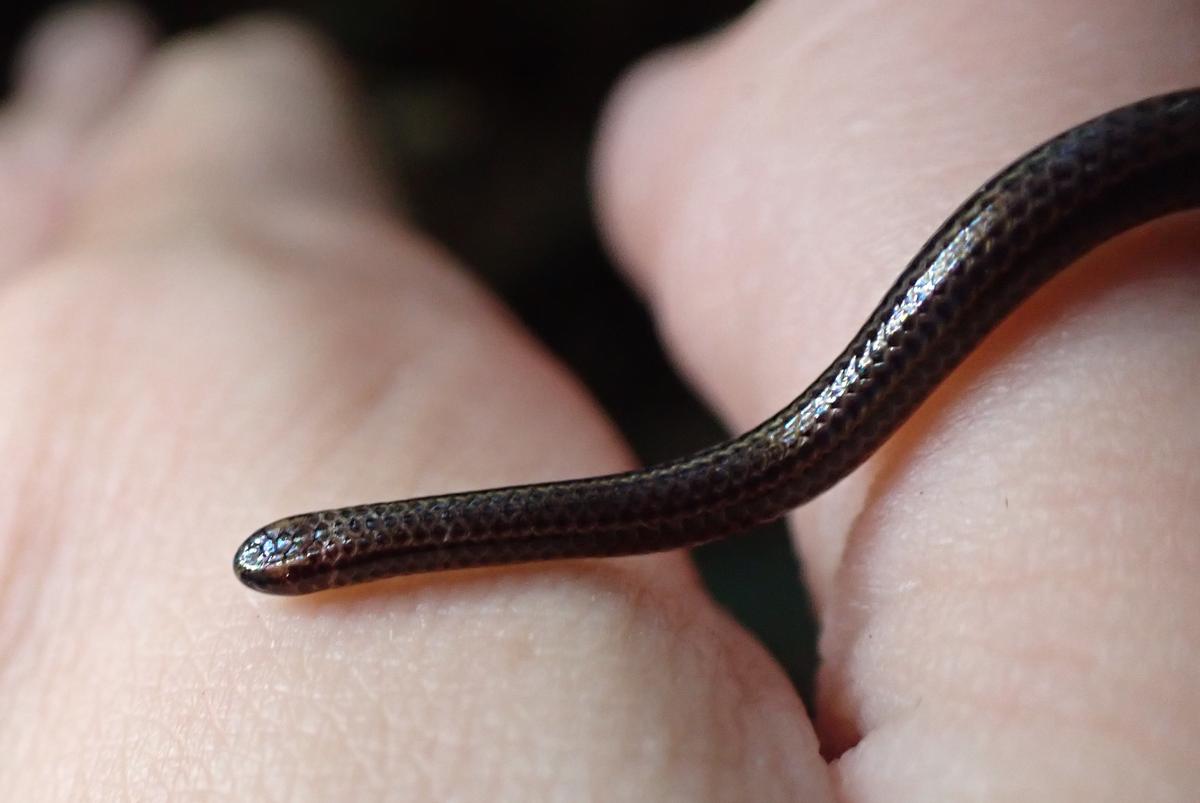
The world's smallest snake - the Barbados threadsnake - hadn't been seen in almost 20 years. Scientists were beginning to think that the tiny snake might be extinct. But in March, researchers searching a forest in Barbados found one of the snakes under a rock.
Posts tagged as “animals”
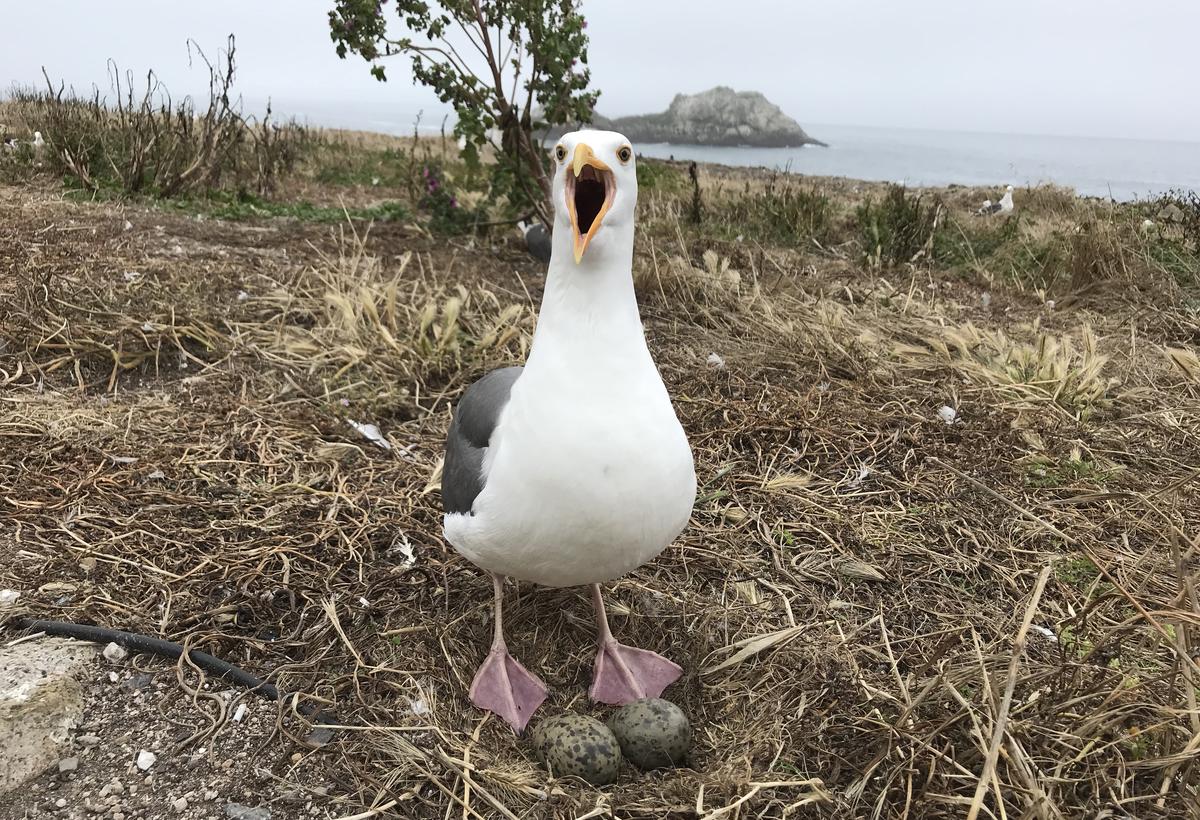
Scott Shaffer is a biologist who studies birds. In 2018, he was studying data from a tracking device he had placed on a gull. He was surprised to find that the bird had gone for an 80-mile (129-kilometer) ride on a truck carrying food scraps. And the bird had done it twice in just one week.
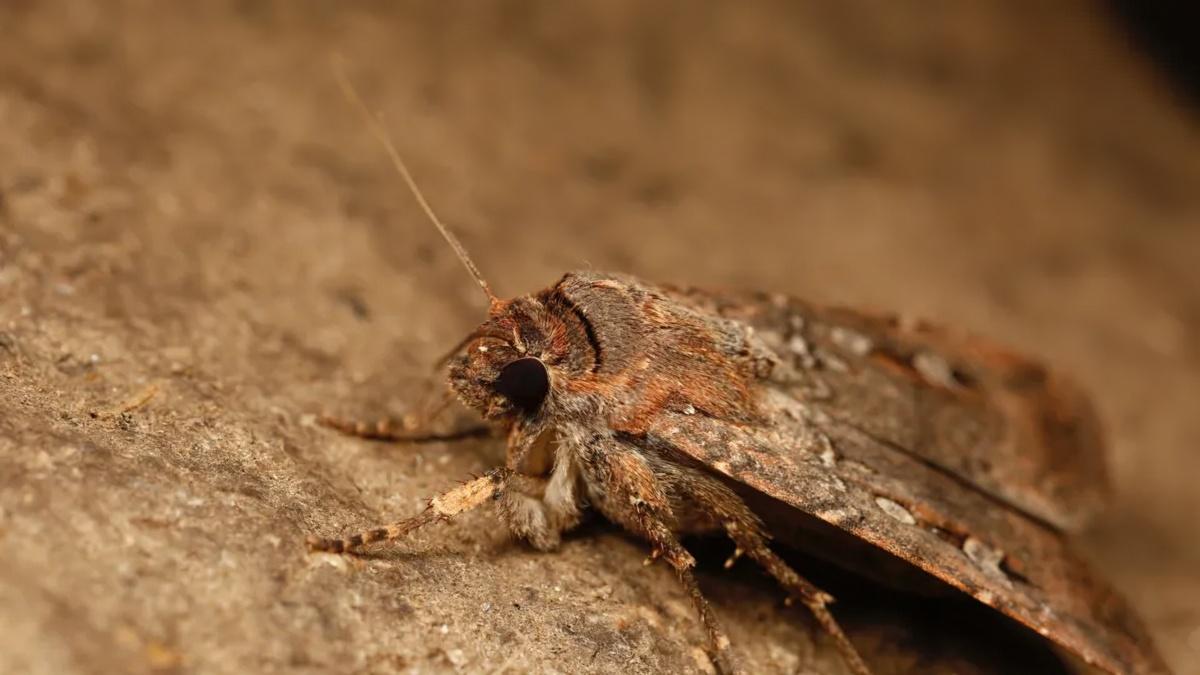
Scientists have made a surprising discovery about one of Australia's migrating moths - Bogong moths use the stars to help guide them on their long trips across Australia. The moths are the first insects known to use the stars as a guide while migrating.
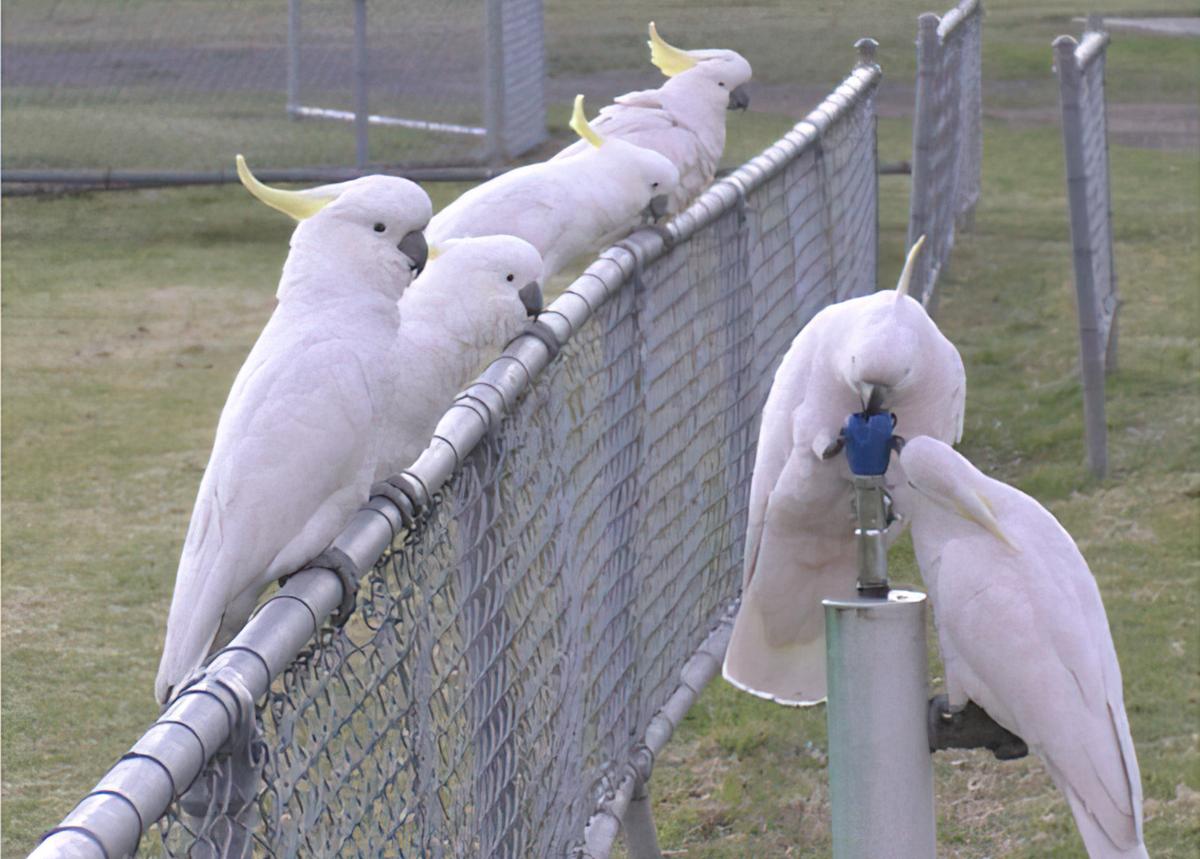
Scientists have been studying a group of cockatoos in Sydney, Australia that have a clever trick: they've figured out how to drink from water fountains. The birds use one foot to turn the fountain's handle and then lower their head to the spout, allowing them to drink.
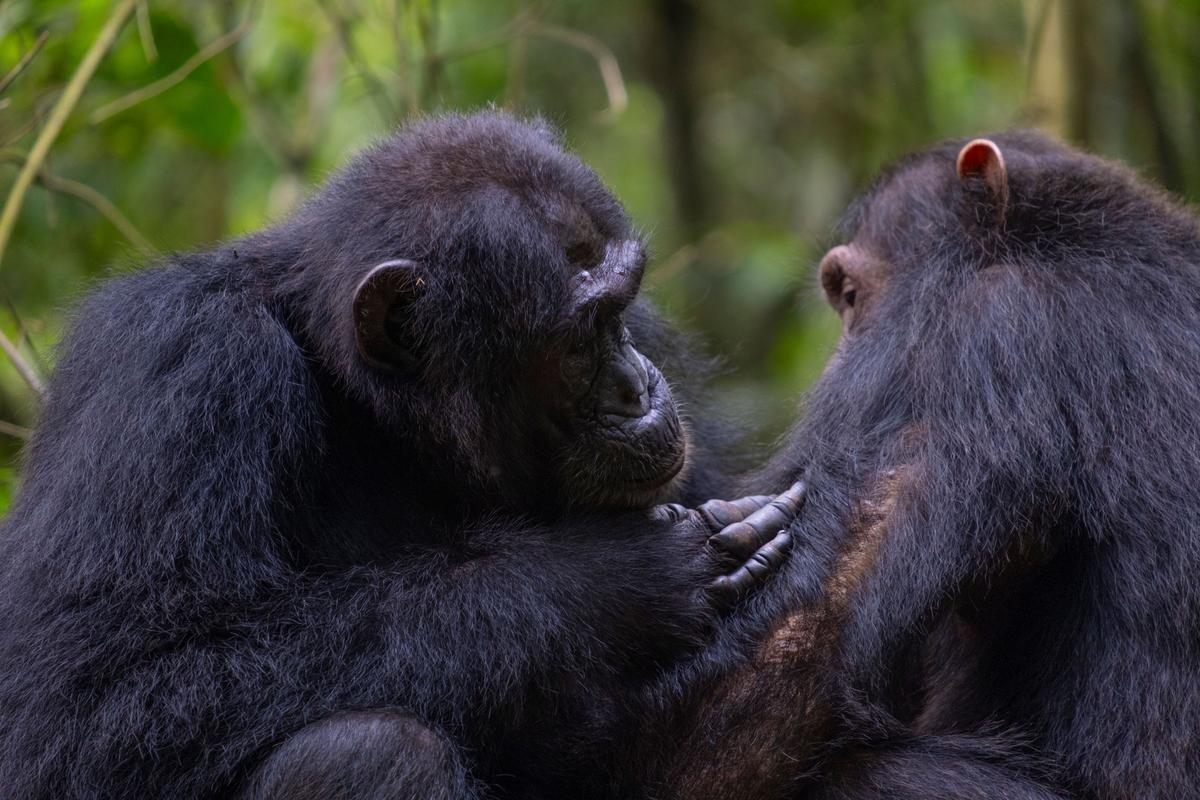
Scientists have long known that chimpanzees sometimes use leaves or insects as medicine. Now, researchers studying chimpanzees in Uganda have discovered that the animals will sometimes provide "first aid" to each other. This suggests that chimpanzees may be able to think about how to help others, as well as themselves.
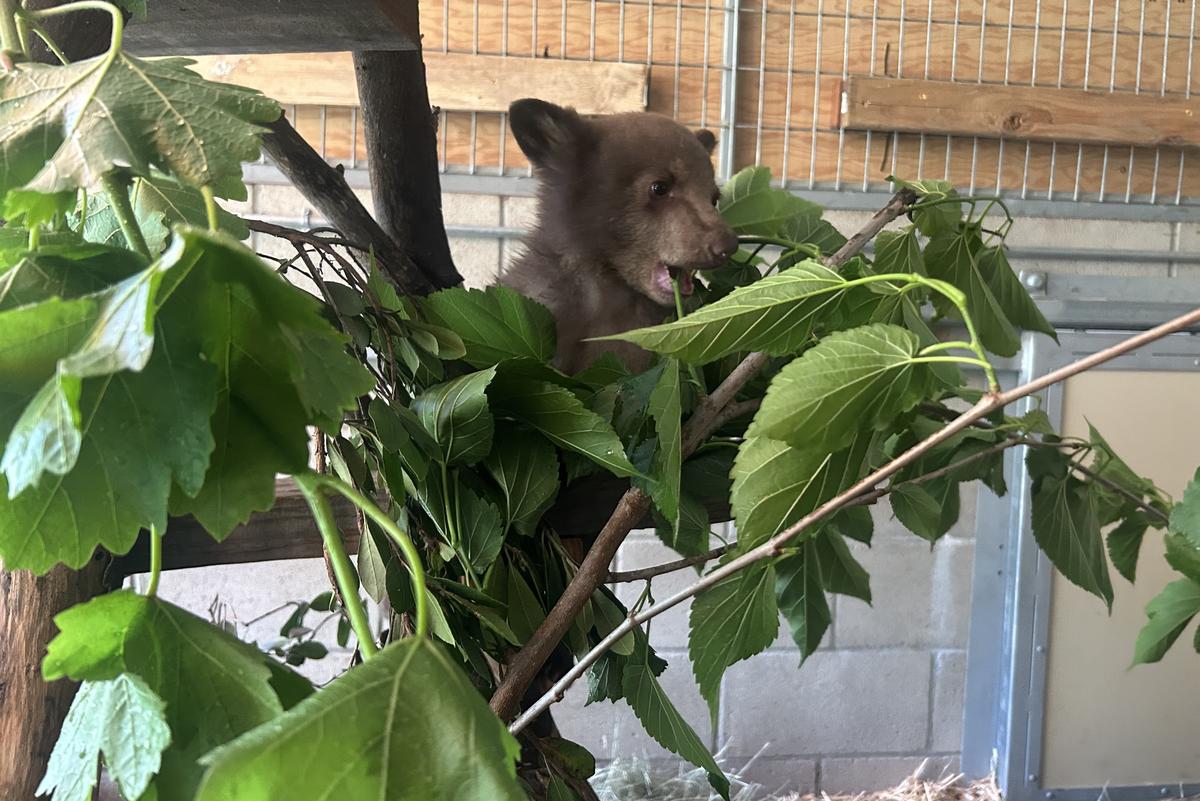
When hikers in California came across a young bear cub crying on a trail last month, they knew they had to help. It was a rough start for the tiny bear, but now he's safe, healthy, and growing fast. In a year or so, he may be ready to return to the wild.
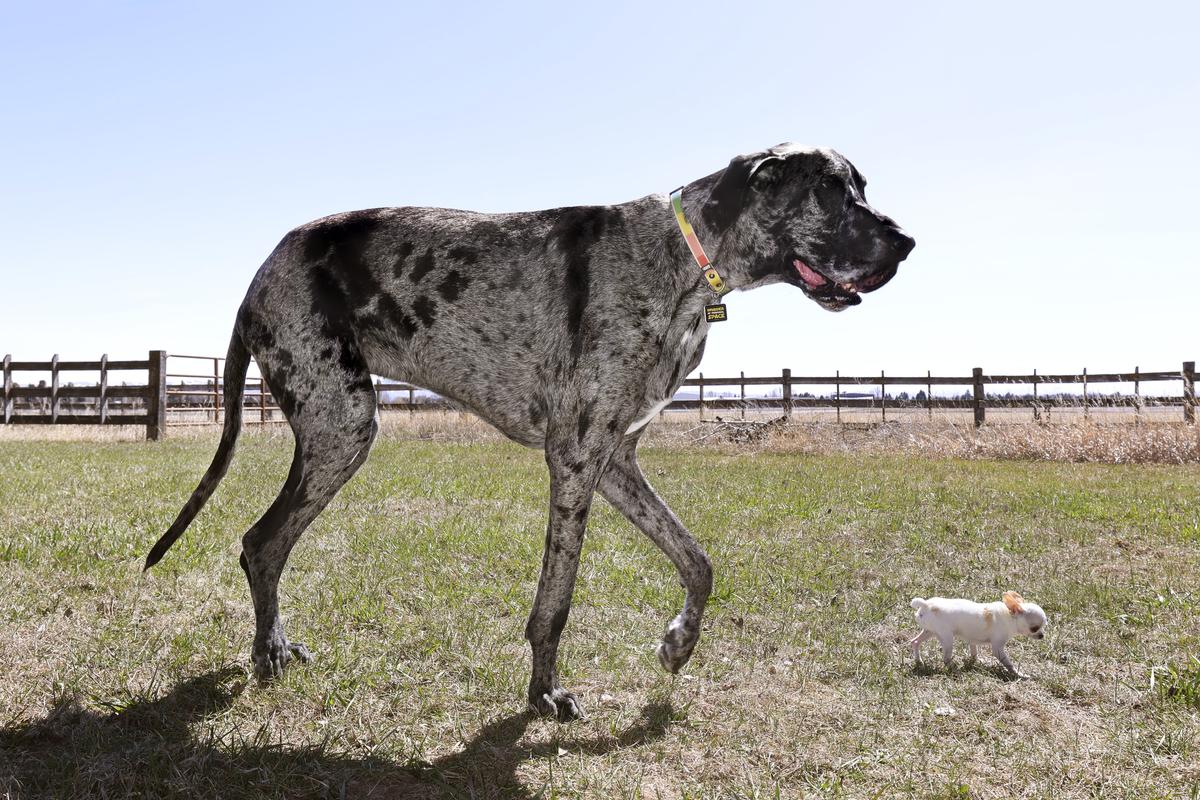
Last month, the world's shortest dog and the world's tallest dog had a chance to meet. Reggie the Great Dane and Pearl the Chihuahua got along great. Their meeting was a fun reminder that friendship doesn't depend on size.

In January, an iceberg as large as Chicago separated from an ice shelf in Antarctica. By chance, a scientific research ship was nearby. The scientists jumped at the rare chance to study an area of the ocean floor that had been covered by ice for thousands of years. What they found surprised them.
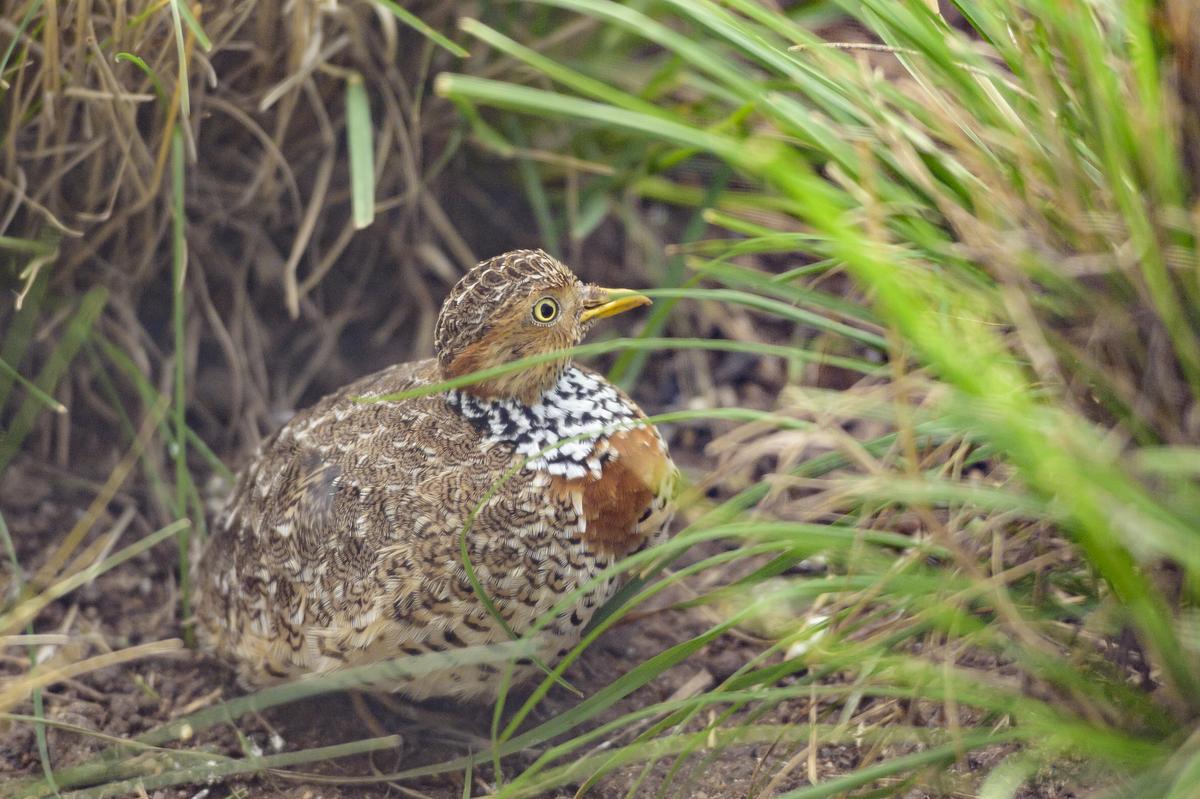
Scientists in Australia have used Artificial Intelligence (AI) to help them locate a rare bird called the Plains-wanderer. This new information will help scientists protect the birds, which are endangered.
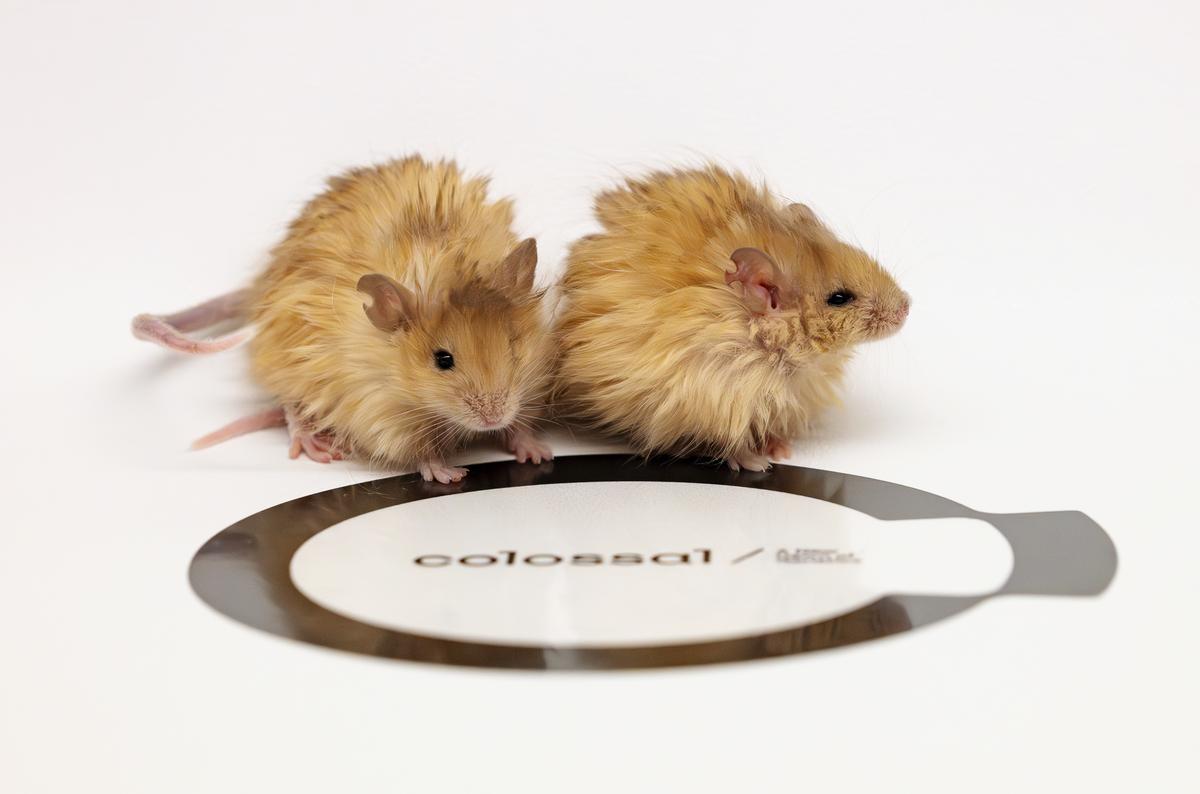
A company called Colossal Biosciences has created thick-haired mice that they are calling "Colossal Woolly Mice". The mice, created by editing DNA, are meant to be a step toward the company's larger goal of recreating the extinct woolly mammoth. Not everyone thinks it's a great idea.
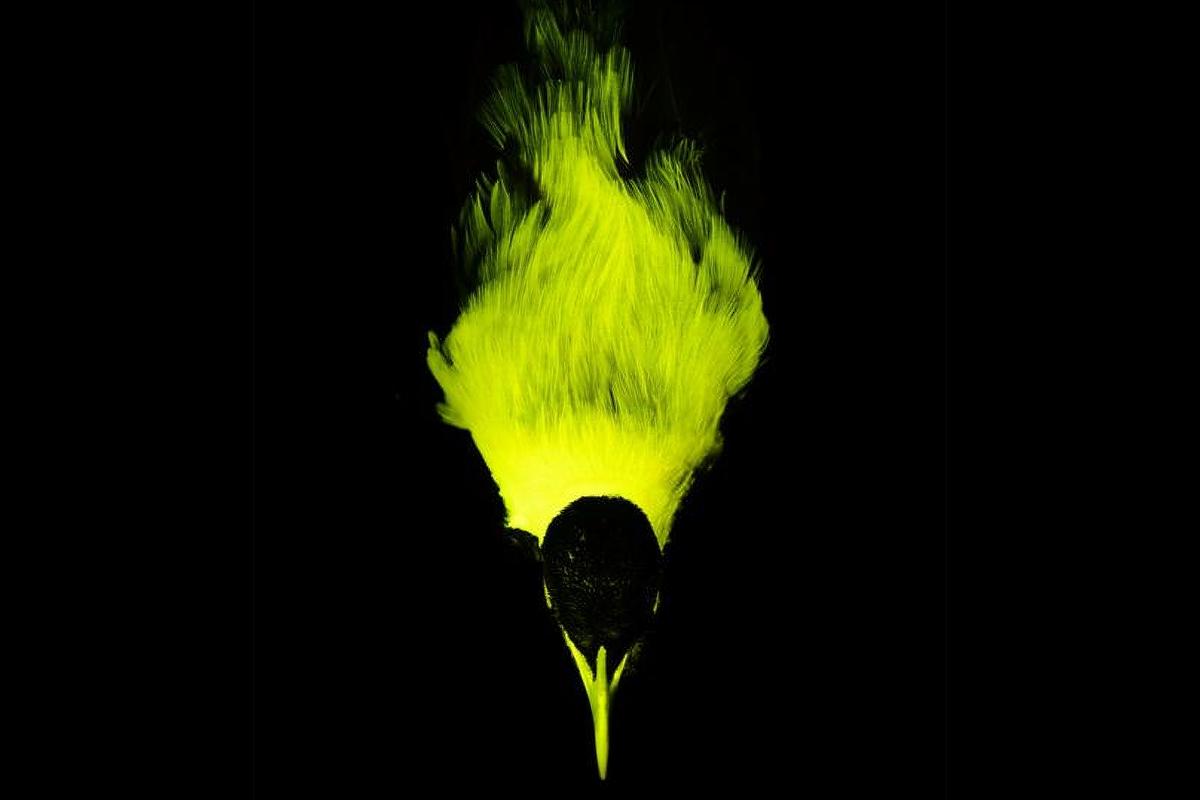
Scientists have discovered that many species of birds-of-paradise have feathers that glow. Birds-of-paradise were already well-known for their very colorful feathers and the fancy dances they use to attract mates. The discovery suggests that the birds are even more striking than we knew.