
Christchurch, New Zealand —(Map)
Bruce is a kea – a clever kind of parrot found in New Zealand. Bruce lost the top part of his beak when he was young. But his creative solutions to the problems caused by his missing beak have surprised scientists more than once.
Keas, which are roughly the size of seagulls, are famous for being playful and curious. Scientists have long known that keas are clever, and can figure out how to solve new problems.
But that doesn’t mean life is easy for keas. Because keas can sometimes attack sheep, they were treated like pests. They were hunted until there were fewer than 5,000 left.
Keas normally have a long, curved upper beak. They use this upper beak for many things, including keeping their feathers clean.
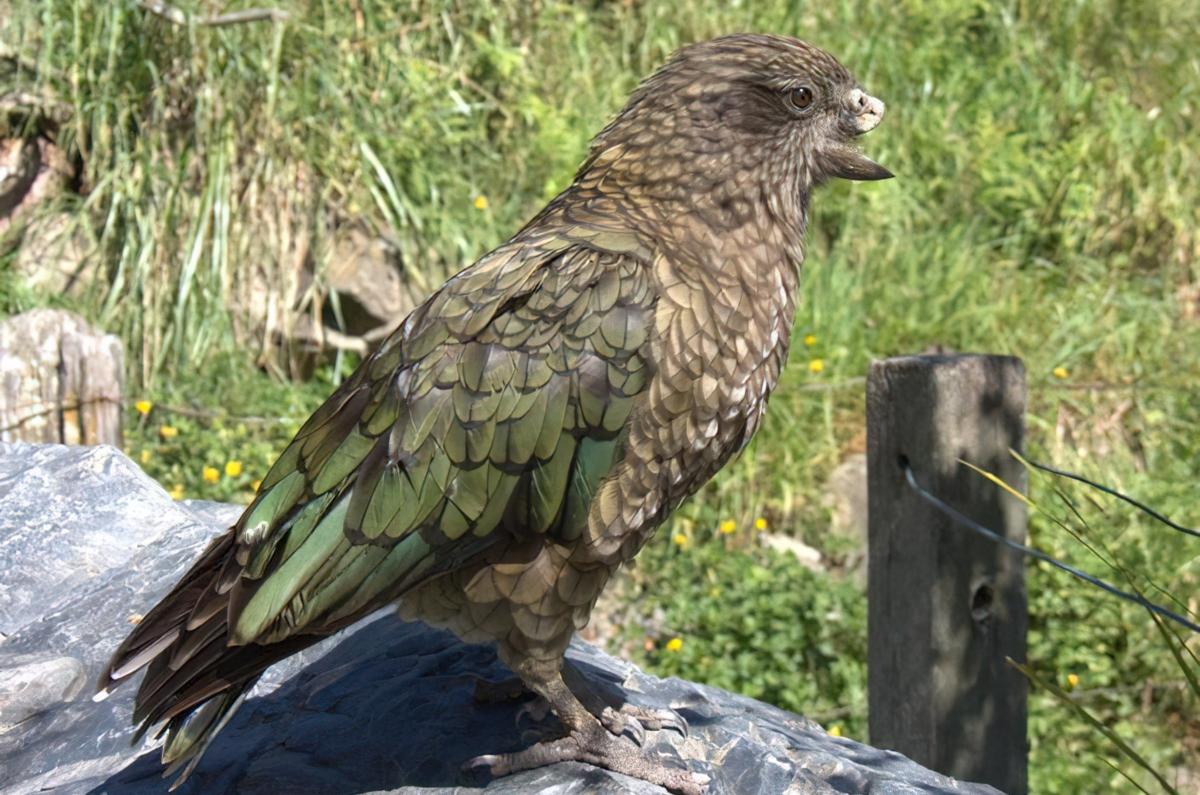
(Source: Alex Grabham Current Biology.)
Bruce is a kea who lost his upper beak when he was young. Scientists believe this could have happened when Bruce was trying to get food from a rat trap.
Without an upper beak, Bruce would have had a hard time surviving in the wild. Luckily, he was found and brought to the Willowbank Wildlife Reserve in Christchurch, New Zealand. There, he was able to live with other keas, and be studied by scientists.
Bruce wanted to take part in the experiments the scientists were doing. But with no upper beak, he couldn’t always do the same things that other keas could do. For example, Bruce can’t grab a string with his beak.
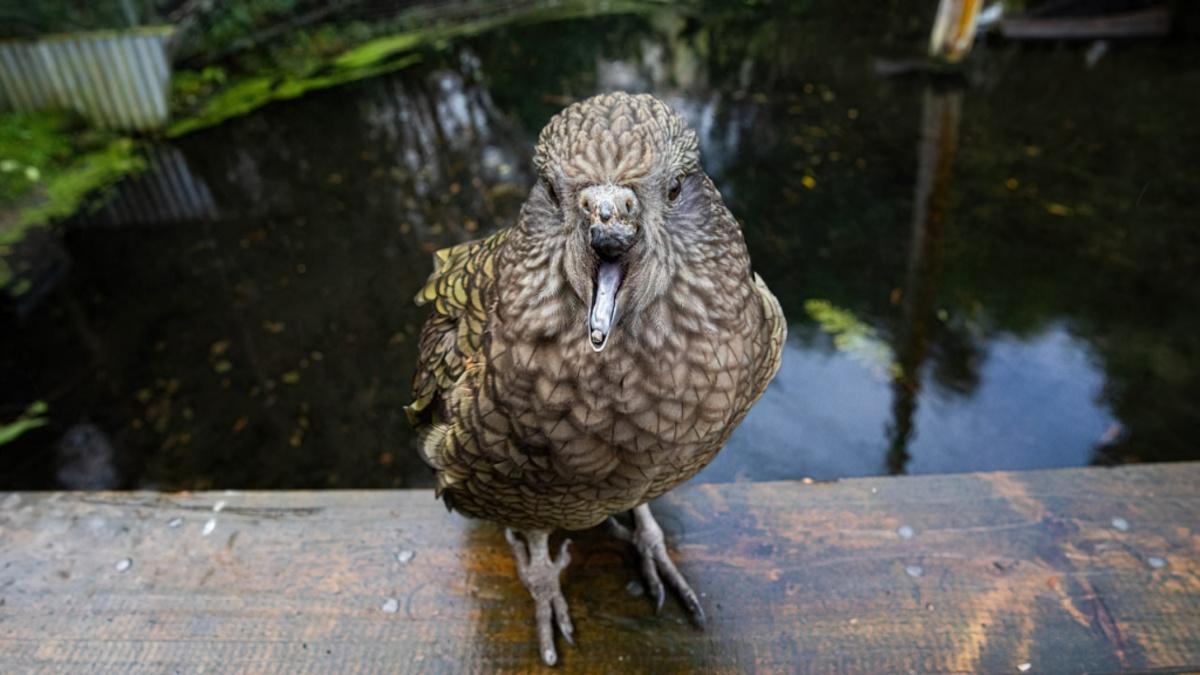
(Source: Patrick Wood University of Auckland.)
But in 2021, Bruce surprised the scientists with a new trick. Bruce had figured out a way to clean his feathers without an upper beak. He did it by holding a stone in his mouth, and pushing this through his feathers. Bruce was the only kea who did this. Before this, no one had known that keas could use tools.
Last year, scientists led by Dr. Alexander Grabham discovered something else surprising about Bruce. In groups of kea parrots, there is usually a leader or “alpha” male. The alphas are usually larger and stronger, and they get the most food. The alpha male also is also the least stressed of all the males, since it is sure of its position.
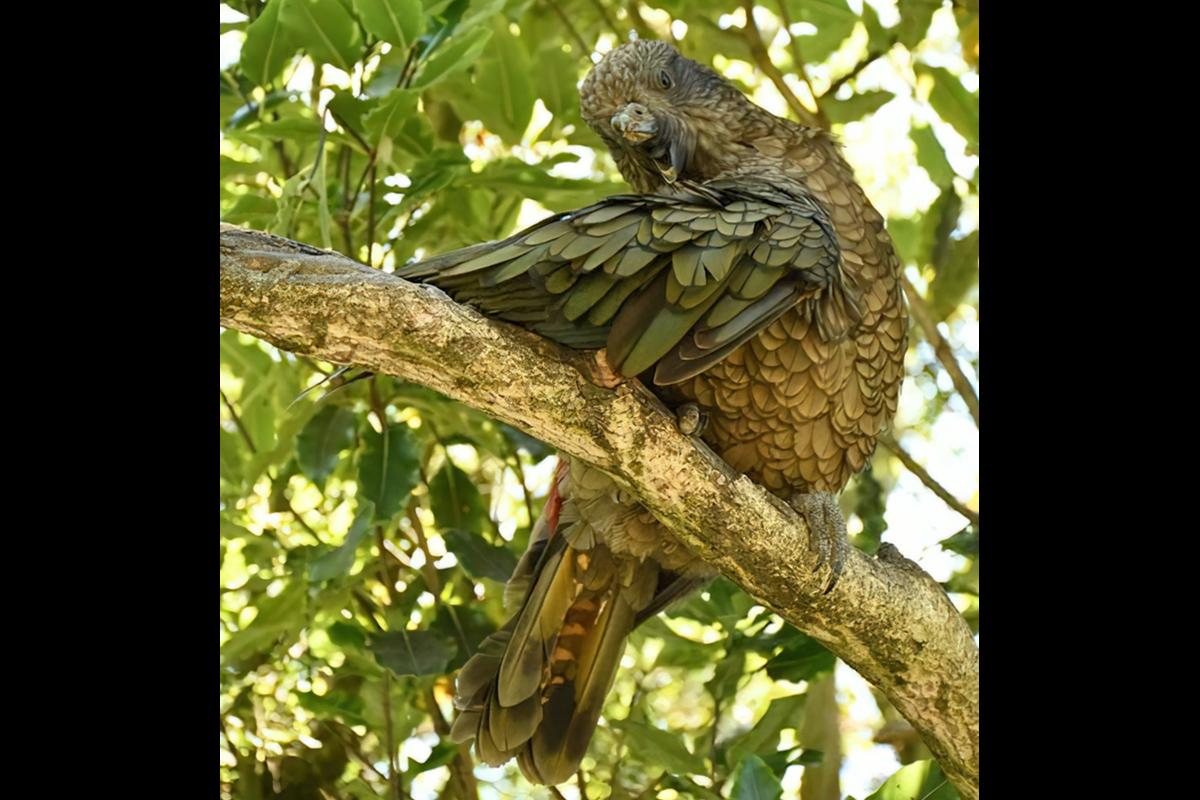
(Source: Ximena Nelson Current Biology.)
Tests of stress levels showed that Bruce was the alpha male of a group of nine male keas. Dr. Grabham says the scientists were surprised. “We never expected him to be right at the top of the males,” he said. Without an upper beak, how could Bruce be the leader?
The answer came from watching how Bruce fought with other males. Normally, male keas fight by biting each other on the neck. But Bruce can’t do that. So instead, Bruce runs or jumps at the other bird, and hits them with his lower beak. The scientists saw Bruce take part in 36 fights. He won all of them.
As the alpha male, Bruce gets to eat first. He also lets other male birds clean his feathers for him. Sometimes, Bruce even breaks up fights between the other males.
Bruce may not have a top beak, but he wound up at the top of the pecking order.
😕
This map has not been loaded because of your cookie choices. To view the content, you can accept 'Non-necessary' cookies.