
Ceasefires in the Middle East are being threatened by continued attacks. The US and Iran are reported to be close to a peace deal, but there have been attacks from both sides in recent days. And despite a ceasefire, Israel has continued its attacks deeper into Lebanon, taking an ancient and important castle.
Attacks Raise Tensions; Peace Talks Uncertain
Tensions between the US and Iran have increased sharply in recent days. The US launched strikes on military targets in Iran this weekend after Iran shot down a US drone. In response to the US strikes, Iran launched a missile attack on Kuwait, where the US has several military bases.
The attacks came as the two sides were trying to work out a peace deal. For weeks, there has been concern that the current ceasefire could fail and heavy fighting between the US and Iran might begin again.
😕
This image has not been loaded because of your cookie choices. To view the content, you can accept 'Non-necessary' cookies.
Tensions between the US and Iran have increased sharply in recent days. The US launched strikes on military targets in Iran this weekend after Iran shot down a US drone. Iran launched a missile attack on Kuwait, where the US has several military bases. Above, a map showing some of this weekend’s attacks.
In late May, US President Donald Trump said that a peace deal between the two countries was nearly complete. But as of last Friday, Mr. Trump was still trying to decide whether to accept the deal. Then Mr. Trump sent the deal back to Iran with more demands.
On Monday, Iran said it had broken off talks with the US. A person speaking for Iran said the government was upset about the recent attacks and about Israel’s attacks on Lebanon (see below). Iran was also unhappy over the new US demands for the peace agreement.
The Strait of Hormuz
Iran’s greatest strength has been that it has closed the Strait of Hormuz. Roughly 20% of the world’s oil and gas pass through this important waterway. The strait has remained closed all through the ceasefire, which has driven up fuel prices and caused serious problems around the world.
😕
This image has not been loaded because of your cookie choices. To view the content, you can accept 'Non-necessary' cookies.
In late May, US President Donald Trump said that a peace deal between the US and Iran was nearly complete. But as of last Friday, Mr. Trump was still trying to decide whether to accept the deal. On Monday, Iran said it had broken off talks with the US. Above, Mr. Trump on May 27 with some of his Cabinet members.
Mr. Trump is in a difficult position. When he began the war in February, he believed the US would defeat Iran quickly. But Iran’s control of the Strait of Hormuz has left Iran with greater power than expected. Mr. Trump is under great pressure to end the war. But he’s also under pressure to not leave Iran more powerful than it was before he began the war.
With no deal, the Strait of Hormuz is likely to remain closed, leading to even higher prices and more problems worldwide.
Israel Takes Castle, Pushing Deeper into Lebanon
Despite a ceasefire, Israel has continued to attack deeper into Lebanon, flattening villages and taking more land. Israel’s military has now taken over a 900-year-old castle in southern Lebanon. It’s the farthest Israel has pushed into Lebanon in 26 years.
Beaufort Castle was built in the 1100s, and is an important historic site. The castle sits on top of a large hill, which gives it a powerful view over the area. Because of this, it’s been important in many battles over the years, including recently.
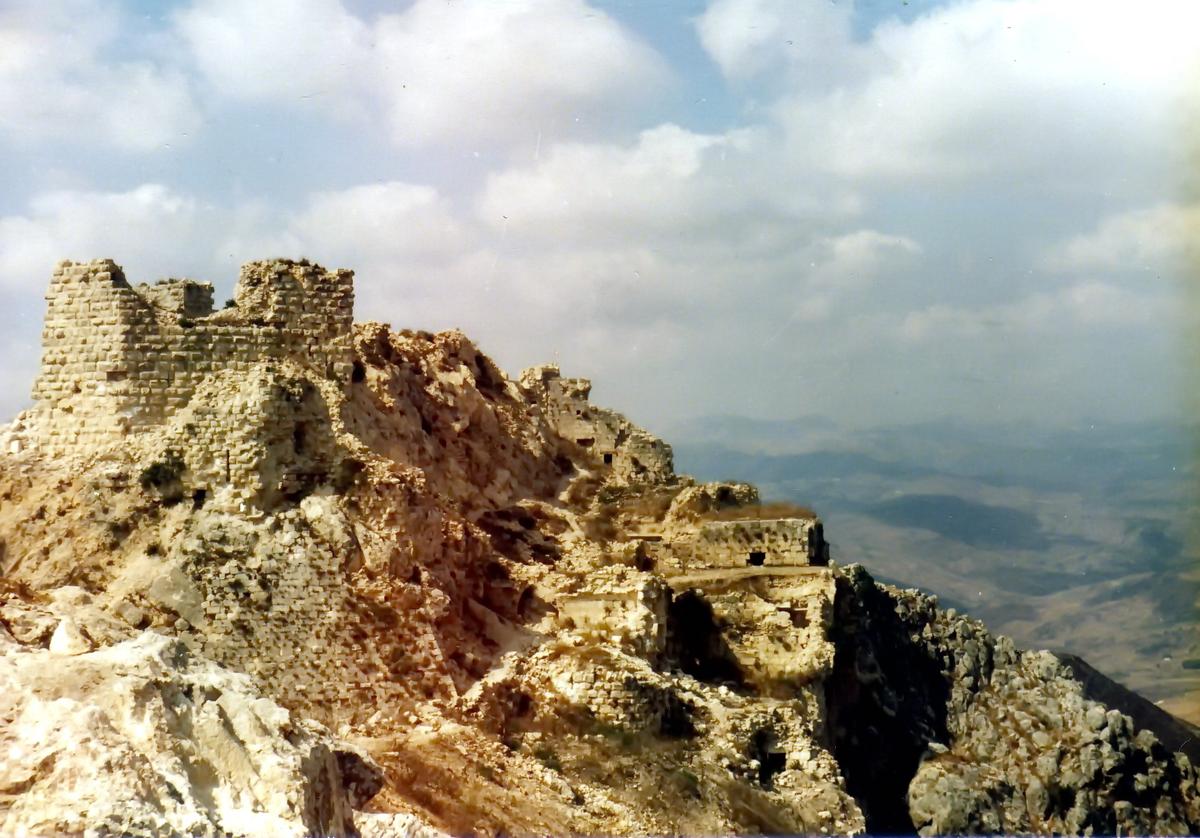
(Source:david55king [CC BY 2.0], via Wikimedia Commons.)
In recent days, Israel has increased its attacks on Lebanon, using airstrikes and sending in soldiers. Israel says it is trying to “crush” the militant group Hezbollah, which is supported by Iran. Lebanon’s government has little control over Hezbollah.
Israel’s attacks have greatly affected civilians, with over 3,300 people killed – many of them women and children. Over 1.2 million people have been forced from their homes.
Israel says its forces will remain in control of Beaufort. Lebanon’s Prime Minister Nawaf Salam called for Israel to pull out of the area. He said the way to bring peace to the area was through talks.