
Siberia, Russia —(Map)
Scientists studying a Neanderthal tooth found in a Russian cave believe it may be the world’s oldest example of dental work. The tooth, which is about 59,000 years old, shows signs of having been drilled to try to fix a cavity. The discovery suggests that Neanderthals were more advanced than scientists thought.
Neanderthals were close relatives of modern day humans. The first Neanderthal remains were found in 1856 in the Neander Valley in Germany, which is where the name comes from. Because Neanderthals died out about 40,000 years ago, there’s a lot that we still don’t know about them.
Neanderthals may have lived mainly in caves, and made stone tools, but recent discoveries have given hints that Neanderthals developed skills far more advanced than people used to believe.
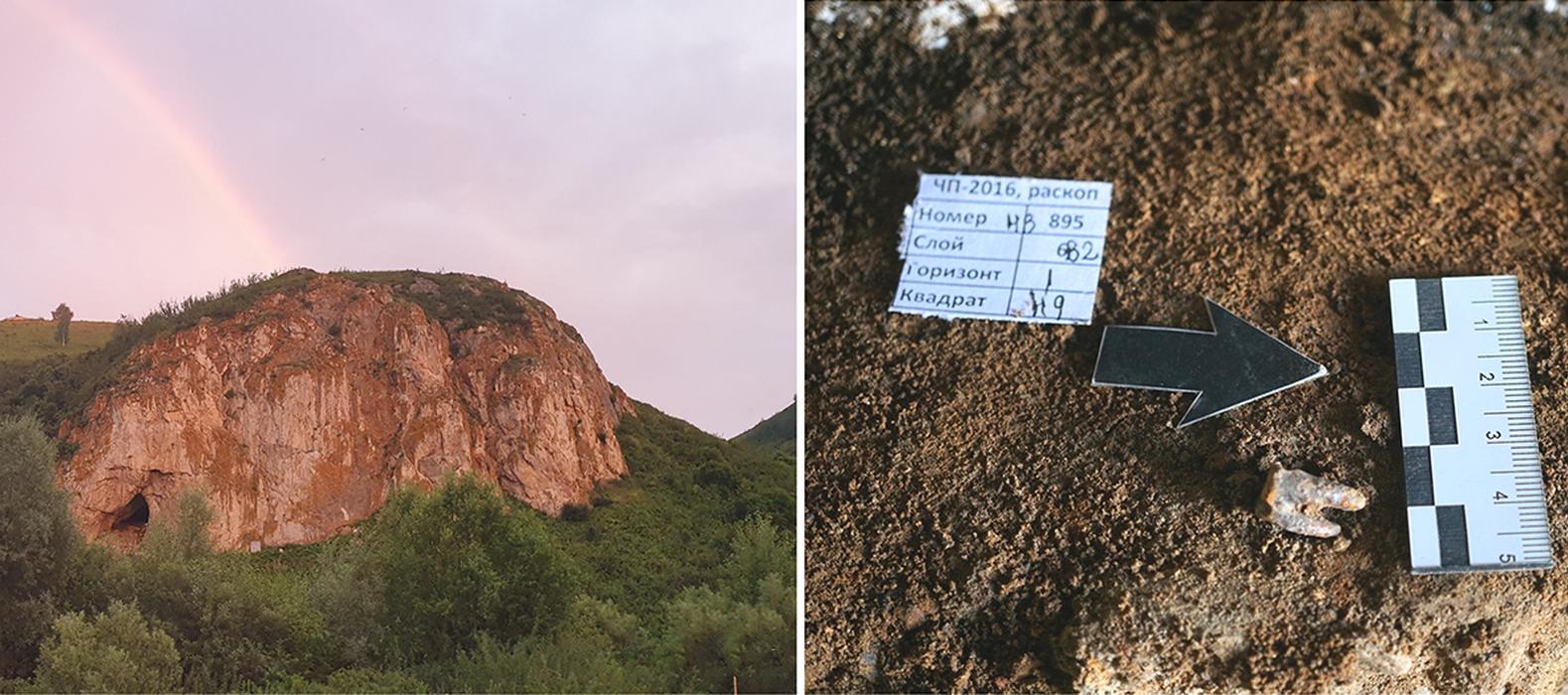
(Source: © 2026 Zubova et al. [CC BY 4.0], via PLOS One.)
The latest proof of this comes from a cave in Siberia, Russia, where scientists found a lower molar that had a large, unusual hole in it. A molar is a large tooth in the back of the mouth, used for grinding.
At first, scientists thought the tooth might have been damaged after the Neanderthal died. But after examining the tooth more carefully, they realized that the hole had been made on purpose.
Dr. Lydia Zotkina at the Russian Academy of Sciences was asked to study the marks on the tooth.
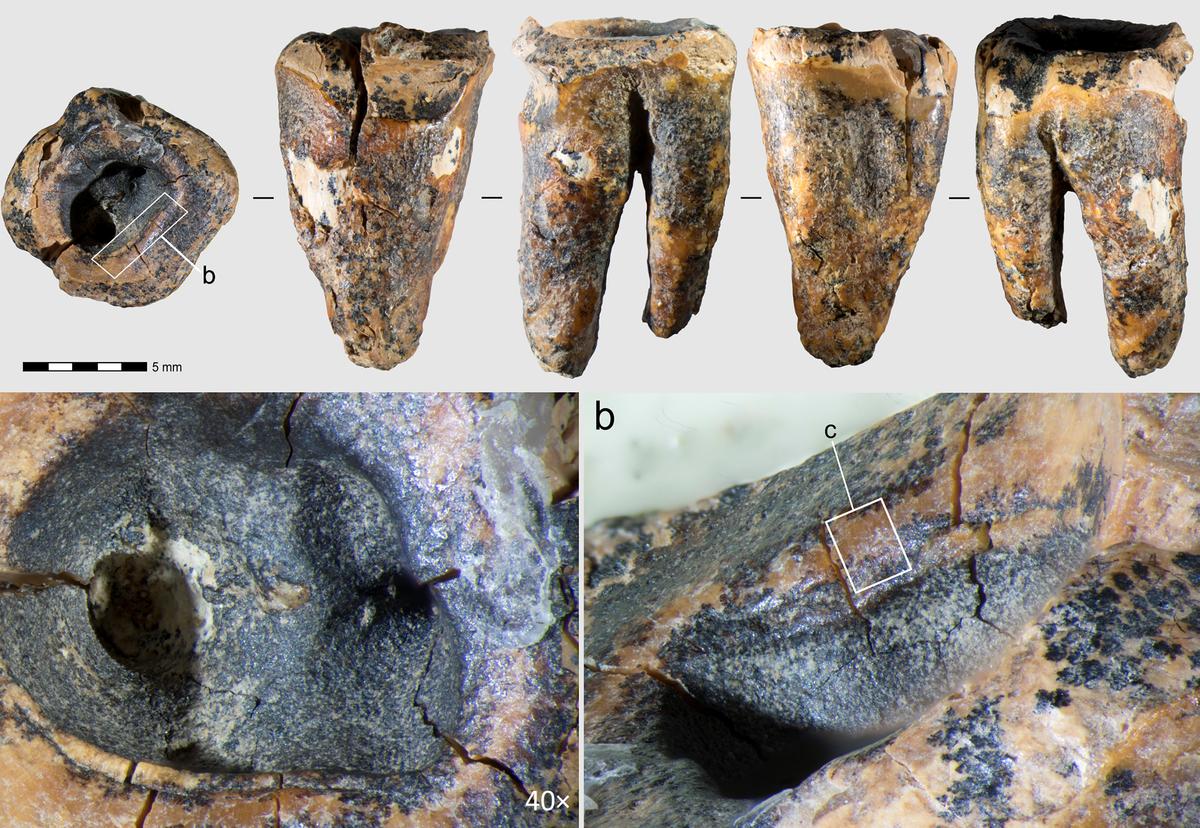
(Source: © 2026 Zubova et al. [CC BY 4.0], via PLOS One.)
Dr. Zotkina noticed that the tooth had two cavities, and there were scrape marks that suggested it had been cleaned with a toothpick. She also found signs that the tooth had been worked on with tools.
Specifically, there were marks that looked like a sharp stone tool had been spun around on the tooth like a drill. The tool left a hole in the tooth similar to the kind of hole a dentist might drill in a tooth today. Drilling into a tooth can remove the decayed (rotten) part of a tooth, and help keep the decay from spreading.
Scientists found tools made of a hard rock called jasper in the same cave where they found the tooth. They believe a Neanderthal used a sharp tool from a rock such as this to drill out the cavity from the tooth.
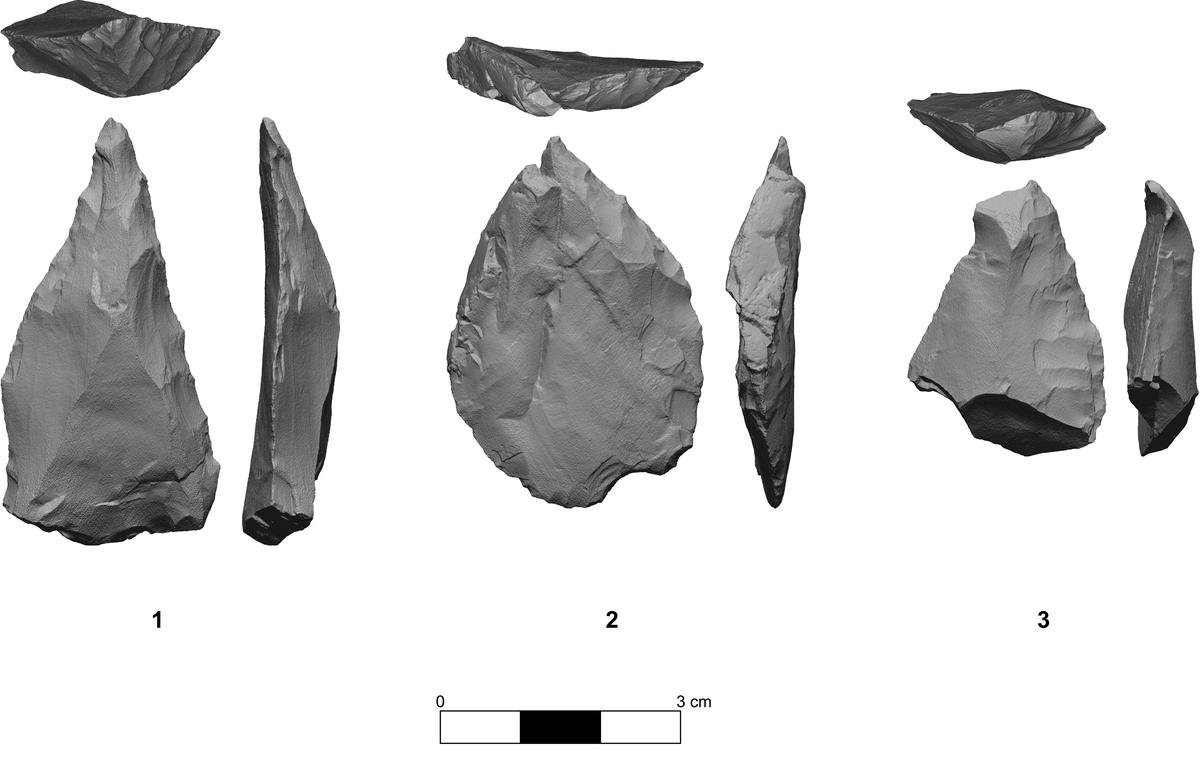
(Source: © 2026 Zubova et al. [CC BY 4.0], via PLOS One.)
To test their ideas, the researchers tried drilling into teeth with a tool like the one they think the Neanderthal might have used. They were able to create similar holes in about 50 minutes. But it required practice and care to do it well.
Dr. Andrey Krivoshapkin, one of the scientists involved, says it was clear that the person doing the drilling “knew where to drill, how deep to go, and when to stop.”
The early dental work would have been extremely painful, so the Neanderthal’s tooth must have been hurting a lot to begin with. The scientists say the drilling probably ended the tooth pain by killing the nerves in the tooth.
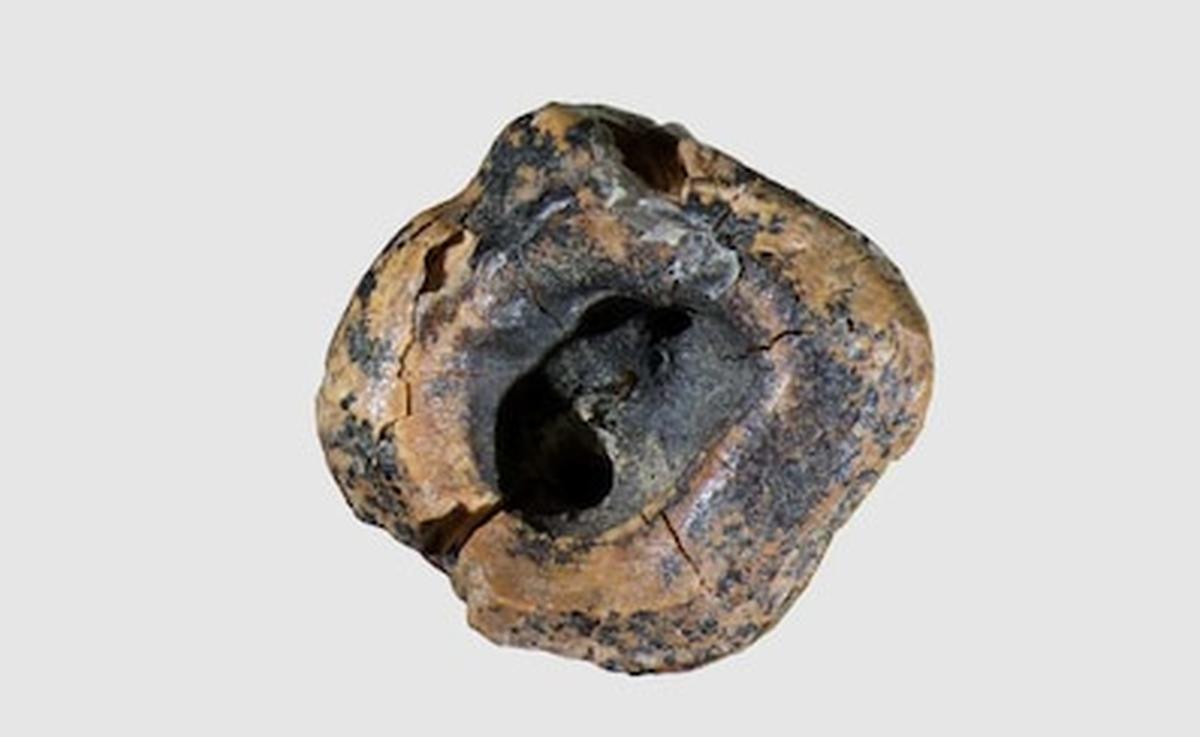
(Source: © 2026 Zubova et al. [CC BY 4.0], via PLOS One.)
The drilling seems to have worked. The polished, rounded edges around the hole suggest that the Neanderthal kept using the tooth after it had been drilled.
Did You Know…?
Before this, the oldest known dental work was simply scraping at a cavity, not drilling it. It was found on a Homo sapiens tooth from 14,000 years ago. That means that the Neanderthal dental work came 45,000 years earlier.
😕
This map has not been loaded because of your cookie choices. To view the content, you can accept 'Non-necessary' cookies.