
Granada, Spain —(Map)
Human history is sometimes recorded in unexpected ways. Scientists studying the ancient nests of bearded vultures in Spain have found over 200 human-made items built into the nests. One surprising item was a complete sandal woven from grass and small sticks. The sandal turned out to be over 650 years old.
Bearded vultures are large birds of prey. Though they eat small animals, their main food is animal bones. Since bones are hard to swallow, the vultures often drop the bones from up high so that they smash into smaller pieces.
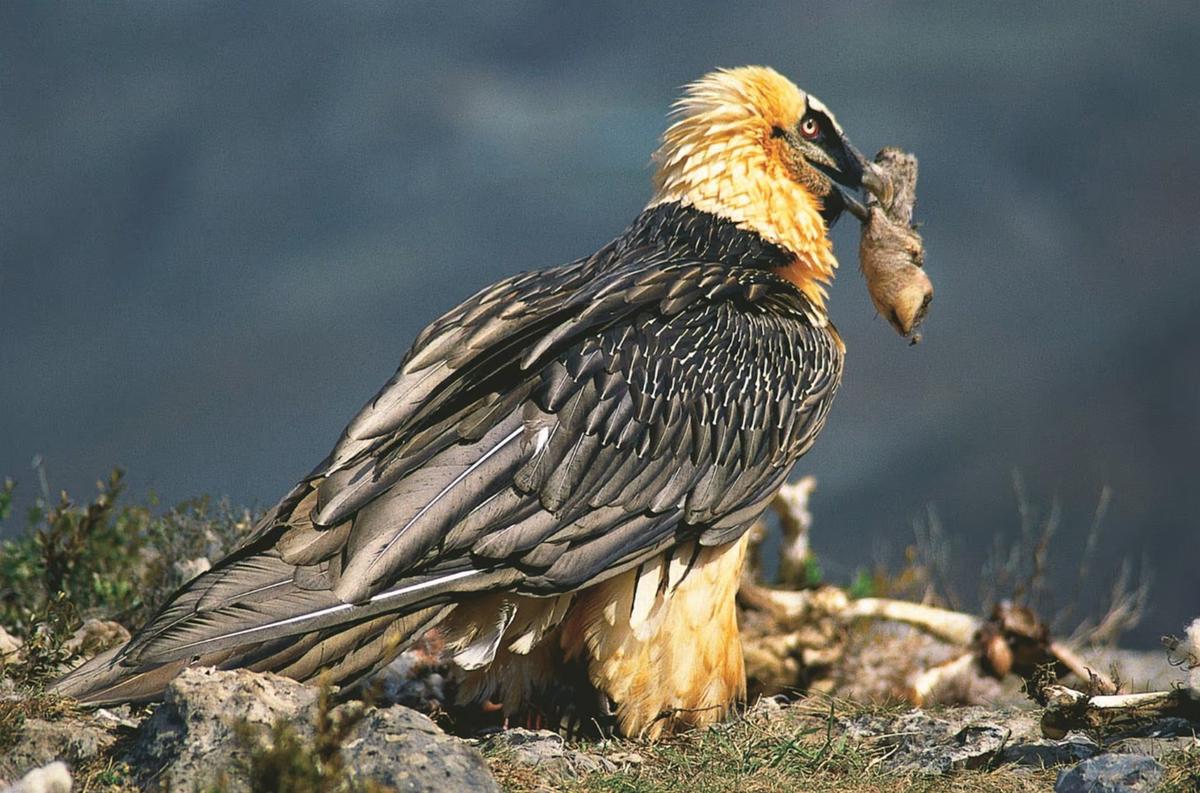
(Source: Antoni Margalida, University of Granada.)
Bearded vultures usually live in areas with mountains or high cliffs. They used to be common in southern Spain and other parts of southern Europe, but they have become extinct in the region. Over the last two centuries, many of the birds were killed through hunting. Others disappeared as wild animal numbers dropped and farmers began using more modern methods.
There aren’t any more bearded vultures in southern Spain now. But their nests are still around. The vultures built their nests in cool dry caves in the cliffs. Those conditions have helped preserve the nests for hundreds of years.
The nests of bearded vultures are pretty special. That’s because the nests were reused over and over again by generations of vultures. And over the centuries, the birds kept adding new layers of materials to the nests.
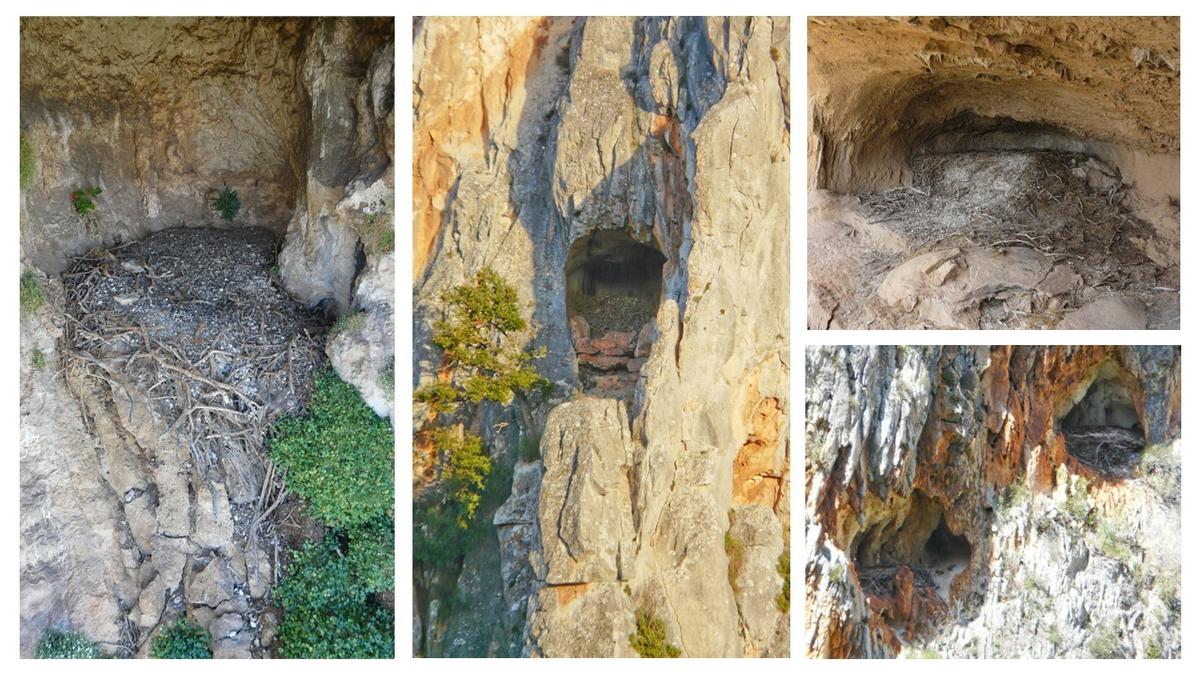
(Source: Sergio Couto, University of Granada.)
Scientists from the University of Granada went looking for some of these old nests. Finding them wasn’t easy. The researchers had to check historical records to learn where the birds had been spotted in the past. In time, they managed to track down 12 nests built long ago by bearded vultures.
But once they discovered the nests, they had lots of material to investigate. They slowly took the nests apart one layer at a time. They carefully saved and studied everything they found in the nests.
As expected, they found lots of bones (2,117) and a number of animal hooves (86). They also found eggshells left over from chicks hatching.
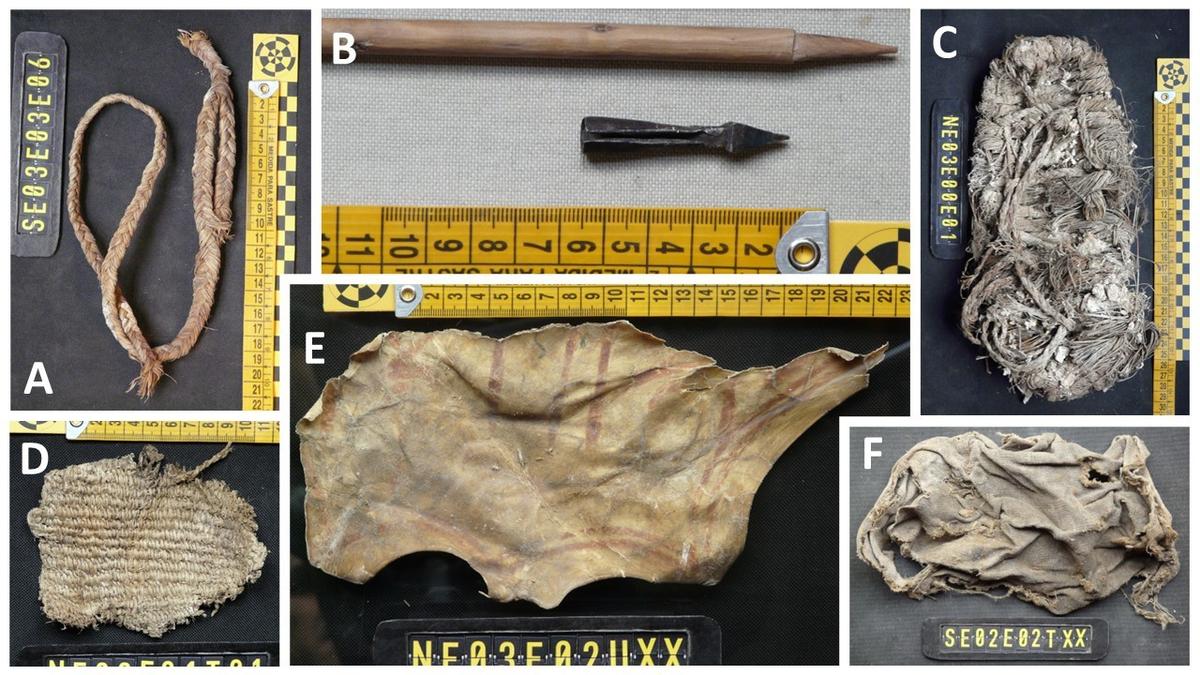
(Source: Sergio Couto, University of Granada.)
One big surprise was how much human-made material was in the nests. About 9% of what they found was made by humans. This included lots of leather (72 pieces), even more cloth (129 pieces), and dozens of items made from esparto grass. That’s a tough grass used to make things like ropes, baskets, and mats.
The researchers believe the birds brought the items back to their caves to build or repair their nests. They found tools like ropes and weapons, including a slingshot and a crossbow bolt (similar to an arrow). They also found a complete sandal made of esparto grass and small sticks.

(Source: Sergio Couto, University of Granada.)
To determine the age of the items, the scientists used a method called “radiocarbon dating”. The oldest item – the esparto grass sandal – was about 675 years old. The most recent item was from about 150 years ago.
The study is a strong reminder of the surprising ways that human history can be preserved in nature.
Did You Know…?
Scientists are worried about the future of bearded vultures. It’s believed that there are only between 1,675 and 6,700 of them remaining in the wild worldwide. But there are efforts to raise them in captivity and help them survive again in the areas where they once lived. Scientists believe that the number of vultures is slowly beginning to grow again.
This article has been updated to reflect the correct age of the items found.
😕
This map has not been loaded because of your cookie choices. To view the content, you can accept 'Non-necessary' cookies.