
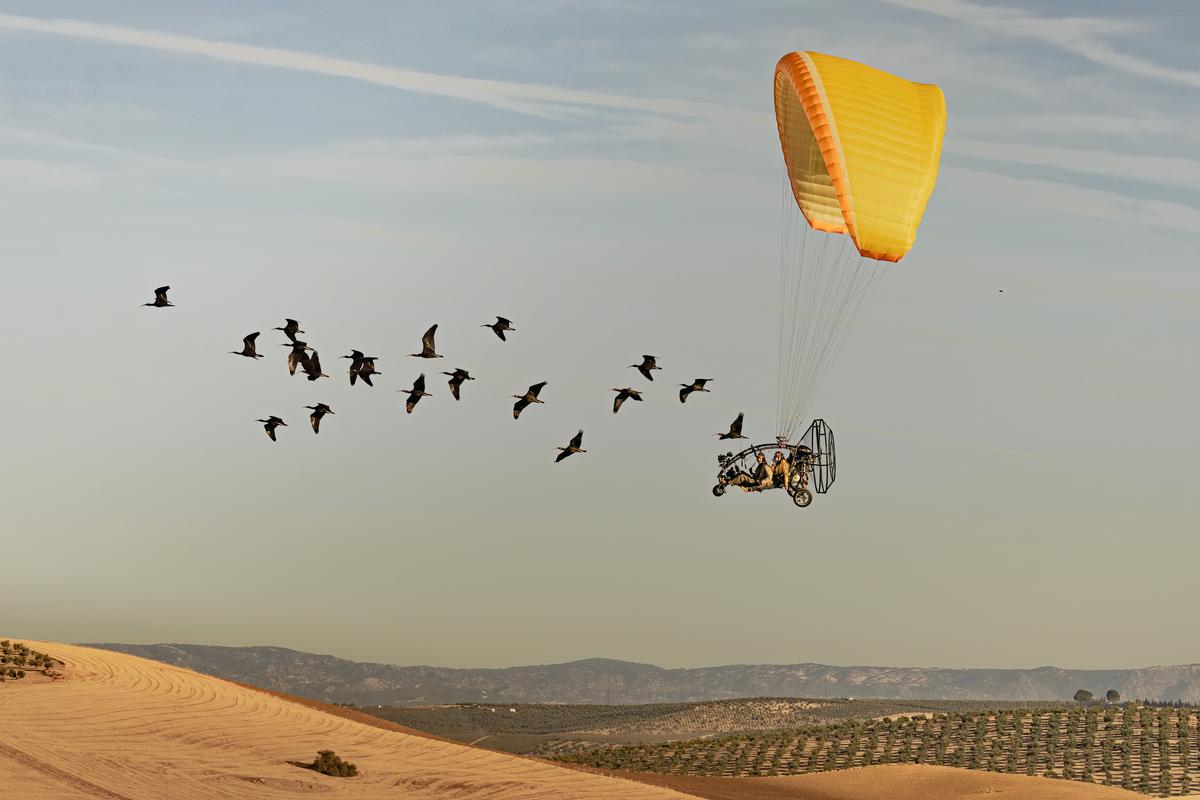
The science magazine "Nature" recently announced the winners of its 2026 "Scientists at Work" photography contest. The competition uses art to show the important research people do to help the planet and those who live on it. More than 220 people sent in their best pictures, all showing science in action.
Posts tagged as “birds”
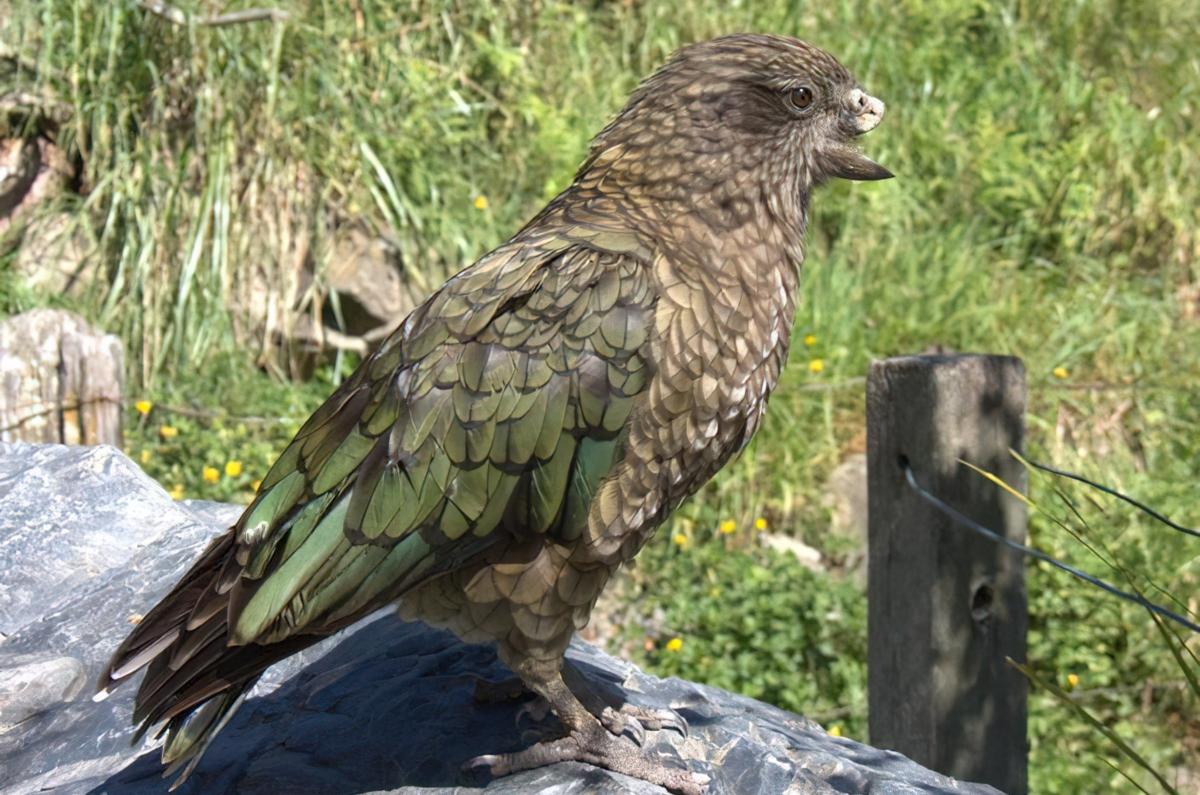
Bruce is a kea - a clever kind of parrot found in New Zealand. Bruce lost the top part of his beak when he was young. But his creative solutions to the problems caused by his missing beak have surprised scientists more than once.
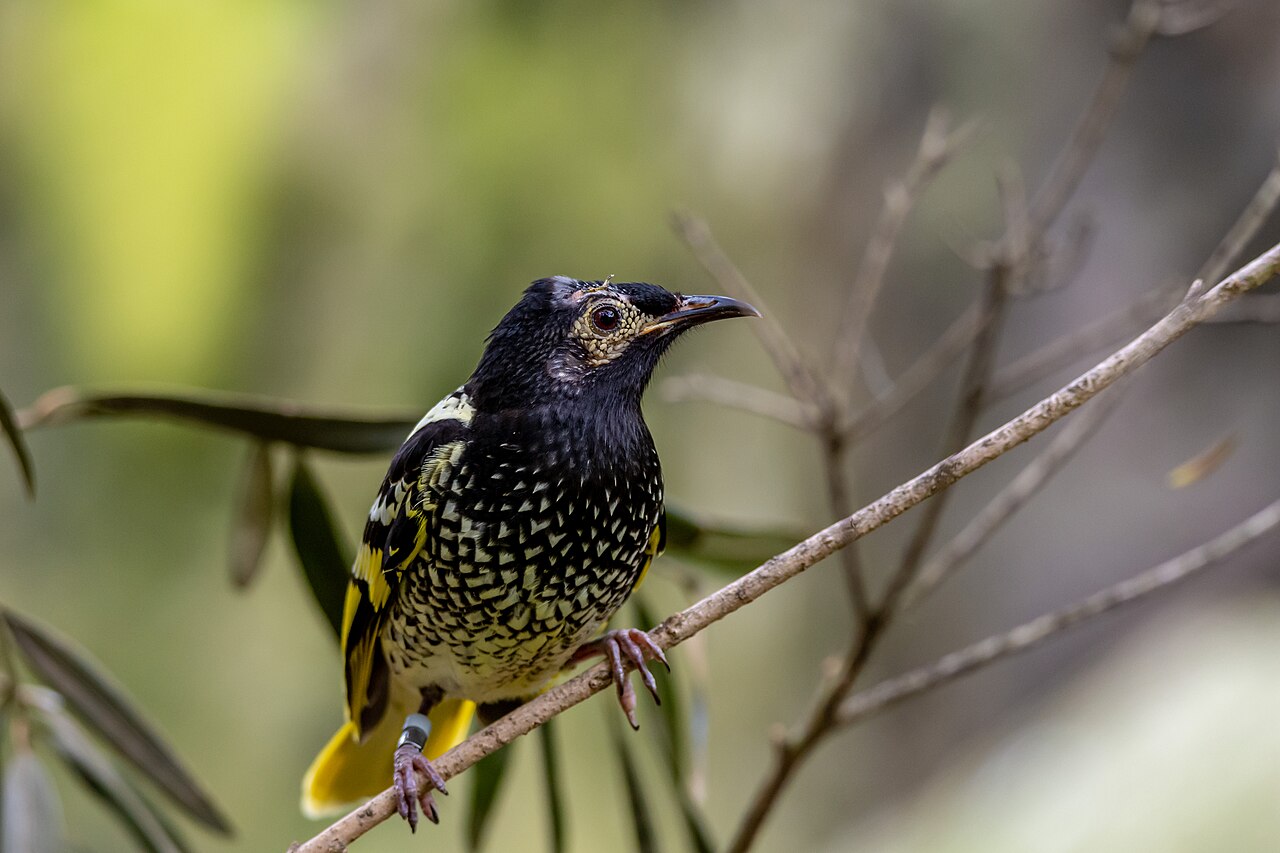
Regent honeyeaters are beautiful black and yellow birds found in southeastern Australia. There used to be huge flocks of them, but now they're in danger of dying out. But scientists may have found a way to help the birds survive – by getting older birds to teach younger birds how to sing.
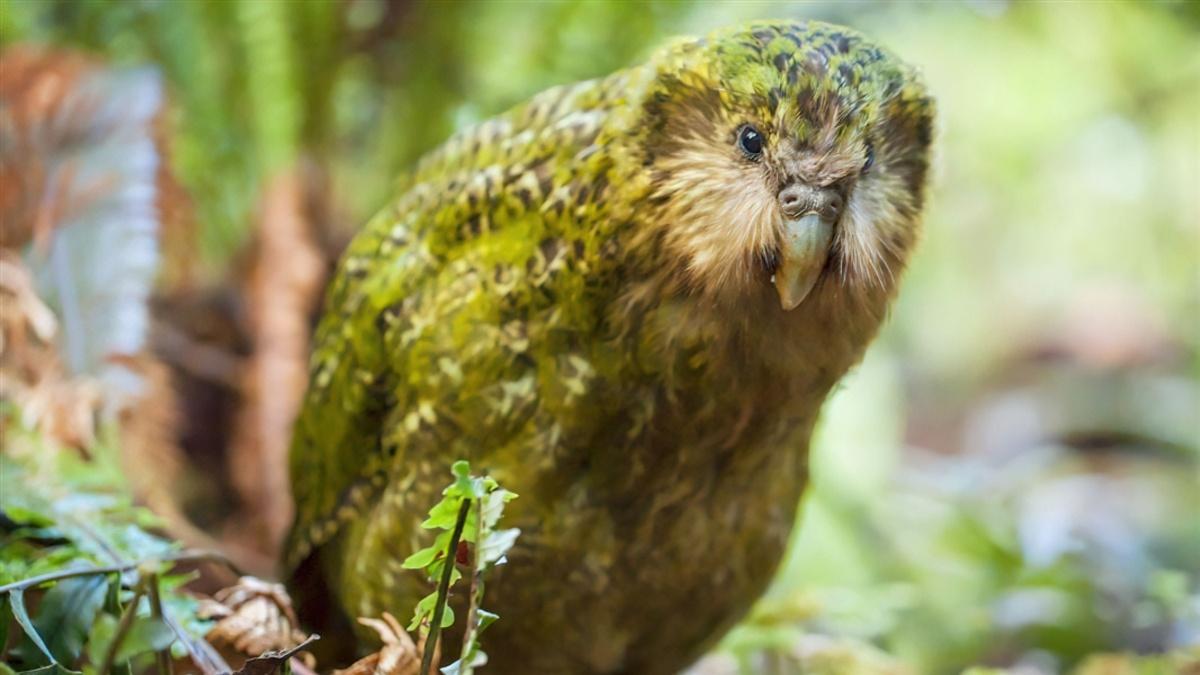
New Zealand's kakapos are some of the strangest birds in the world. They're heavy, flightless parrots that are only active at night. And they're endangered. Now, thanks to efforts to protect them, kakapos may be bouncing back. Scientists are expecting a record number of kakapo chicks to be born this year.
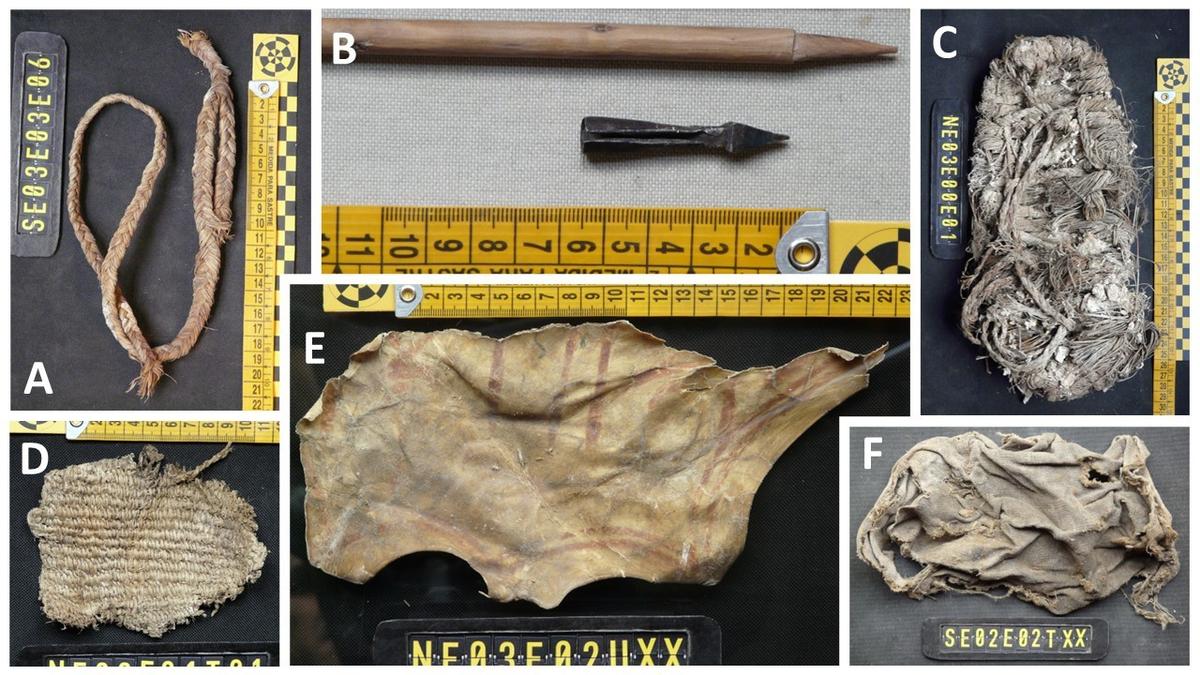
Human history is sometimes recorded in unexpected ways. Scientists studying the ancient nests of bearded vultures in Spain have found over 200 human-made items built into the nests. One surprising item was a complete sandal woven from grass and small sticks. The sandal turned out to be over 650 years old.
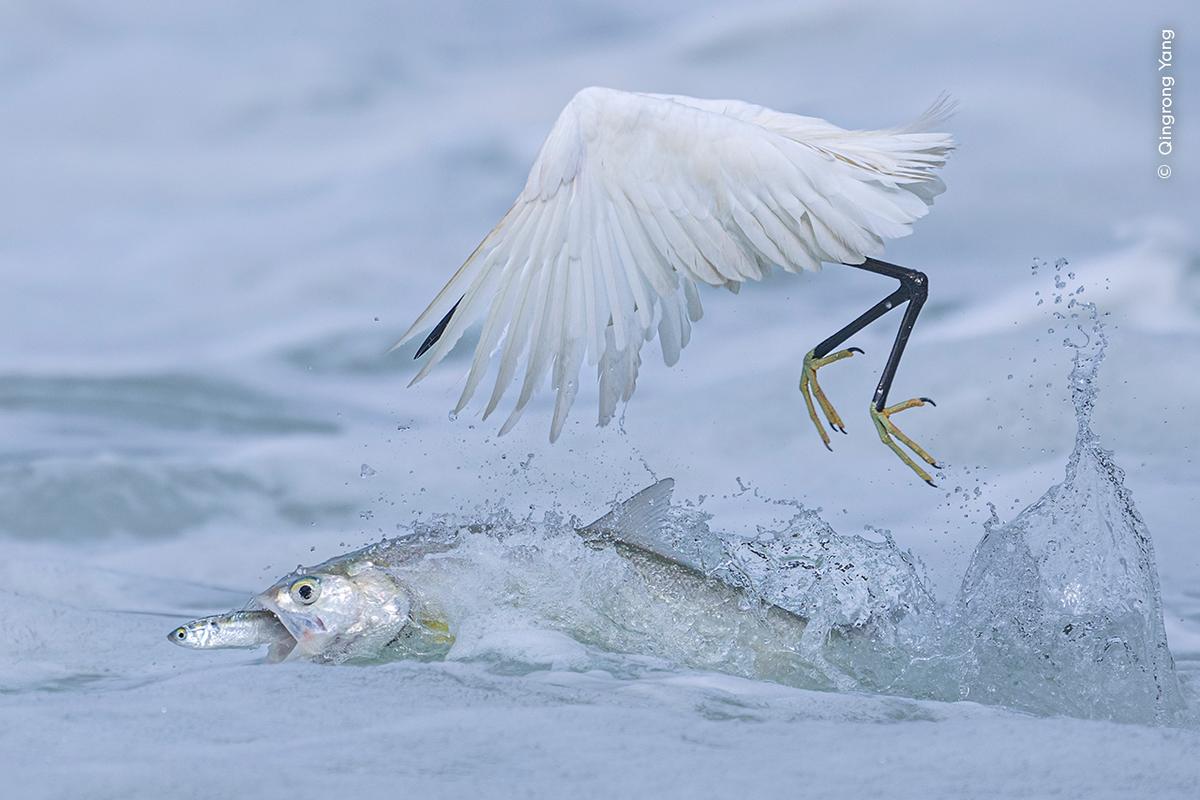
The Natural History Museum in London holds a yearly contest for the Wildlife Photographer of the Year. This year, the contest had a record 60,636 entries from around the world. Here are some of this year’s best pictures, and the stories behind them.
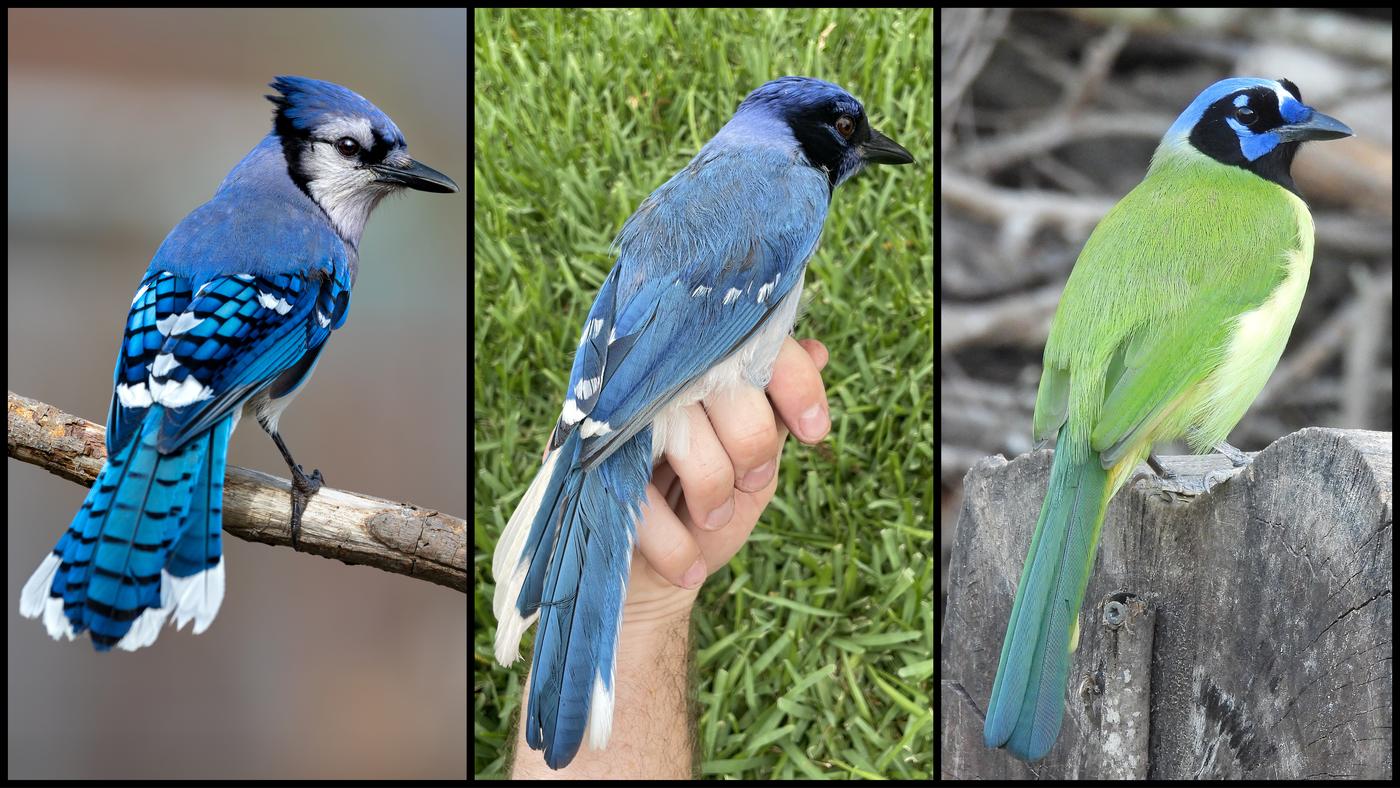
Scientists have reported on an unusual "hybrid" bird spotted in Texas - a cross between a blue jay and a green jay. The discovery is surprising because the two species are quite different. Scientists think the hybrid could be a result of climate change.
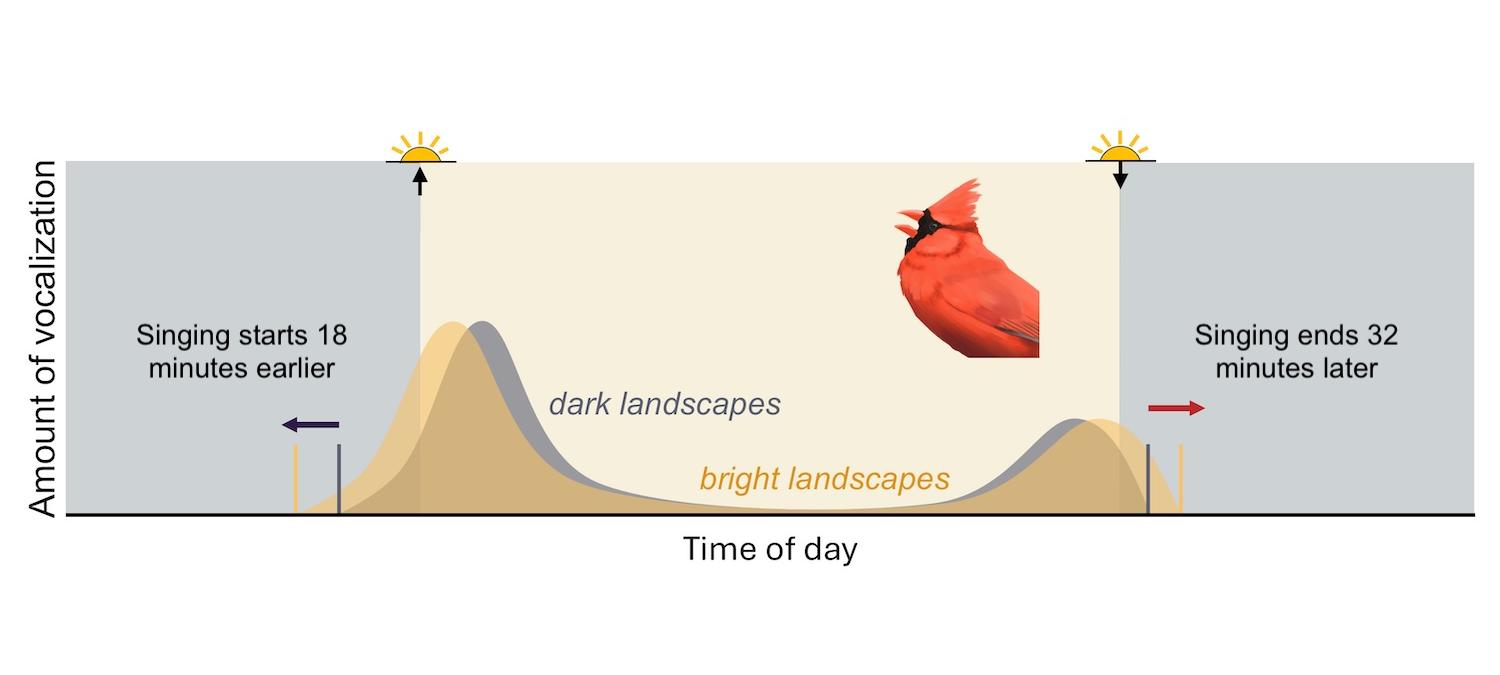
Birds are famous for waking up early. But in a recent study, scientists discovered that light pollution is leading birds to wake even earlier and go to sleep later. Bright lights are costing birds an average of 50 minutes of sleep each night.
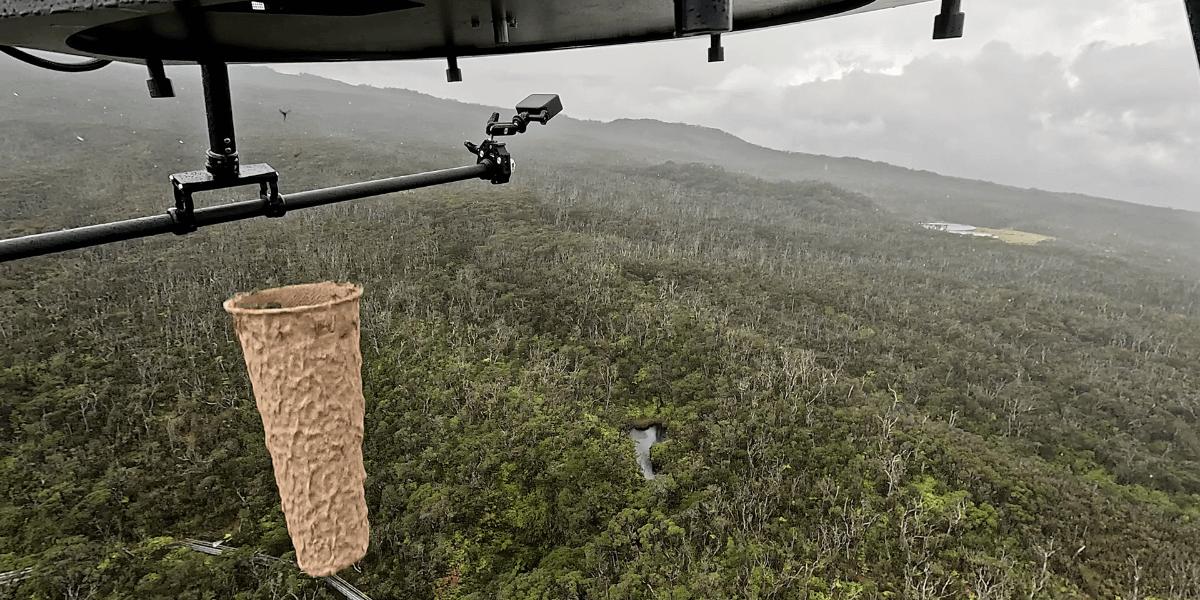
Birds, Not Mosquitoes is a collection of different groups working to protect Hawaii's native birds. The biggest concerns for these birds is avian malaria, which is spread by mosquitoes. Now BNM has started using drones to drop containers of specially treated male mosquitoes, hoping to lower the numbers of mosquitoes threatening the birds.
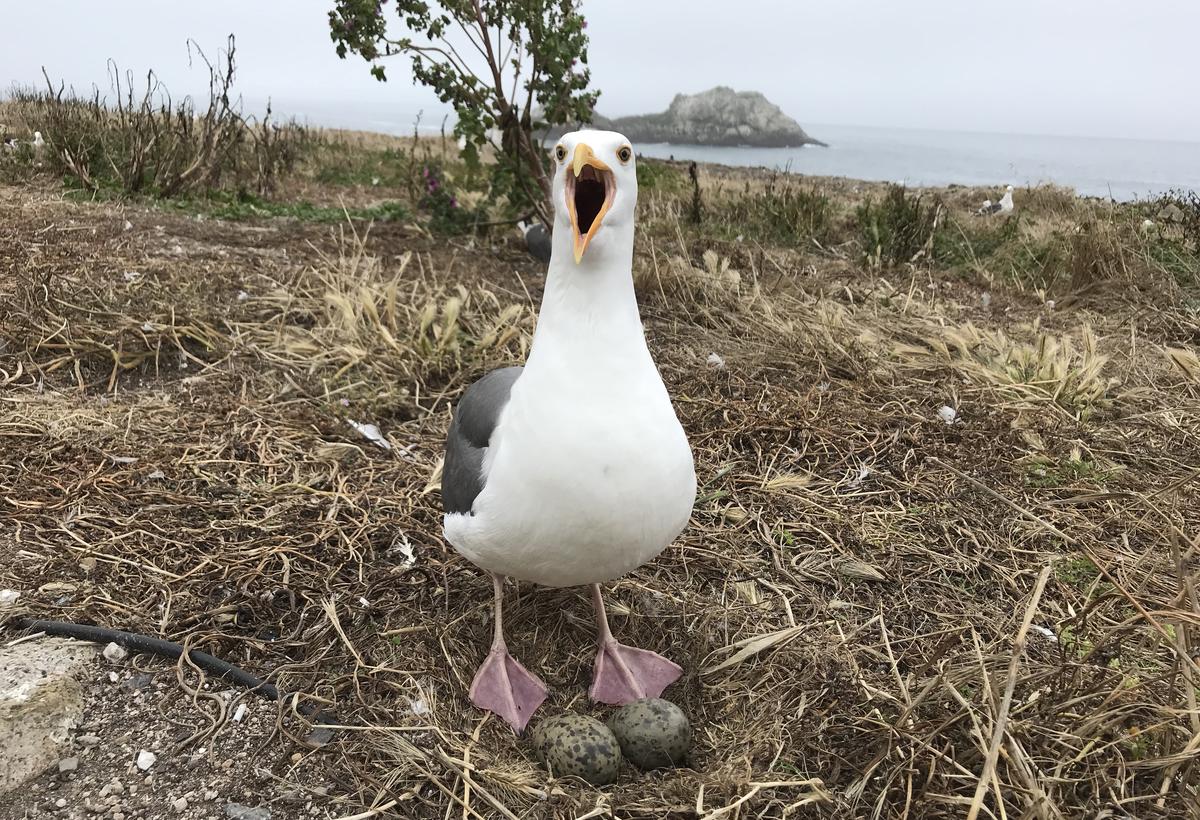
Scott Shaffer is a biologist who studies birds. In 2018, he was studying data from a tracking device he had placed on a gull. He was surprised to find that the bird had gone for an 80-mile (129-kilometer) ride on a truck carrying food scraps. And the bird had done it twice in just one week.
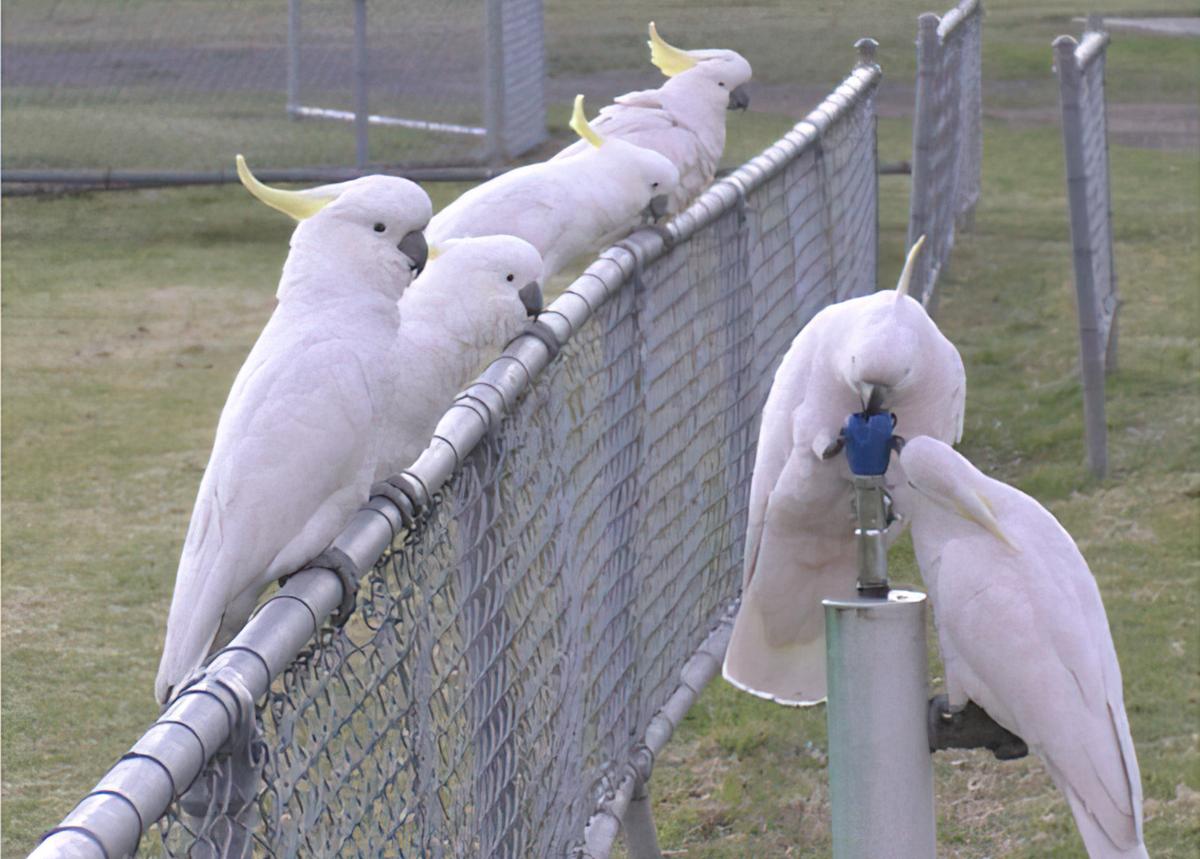
Scientists have been studying a group of cockatoos in Sydney, Australia that have a clever trick: they've figured out how to drink from water fountains. The birds use one foot to turn the fountain's handle and then lower their head to the spout, allowing them to drink.