Tehran, Iran —(Map)
As the US and Israel’s war on Iran enters its fourth week, there is no end in sight. Iran is greatly overpowered. But the Strait of Hormuz, which is important for shipping oil, is still under Iran’s control. There have been increased threats from both sides, and it’s unclear whether peace talks are being held.
The US and Israel have continued to pound targets in Iran. The US alone says it has hit 9,000 targets in Iran. Israel has also launched thousands of attacks against Iran. In response, Iran has continued to strike out at targets in nearby countries. The human costs of the war continue to rise. Thousands of people have been killed, And many, many more are injured.
😕
This image has not been loaded because of your cookie choices. To view the content, you can accept 'Non-necessary' cookies.
Israel has continued its attacks on Lebanon. Lebanon’s government has no part in the war. But the militant group Hezbollah, which is supported by Iran, is based there. Over a million people in Lebanon have been forced from their homes. Above, a civilian home hit by an Israeli attack.
Israel has also continued its attacks on Lebanon. Lebanon’s government has no part in the war. But the militant group Hezbollah, which is supported by Iran, is based there. Israeli soldiers are working to destroy civilian homes along Lebanon’s southern border, and to take out bridges across the Litani River. Over a million people in Lebanon have been forced from their homes.
The US and Israel seem to be overpowering Iran. But Iran’s control of the Strait of Hormuz is causing great difficulties for Western countries. Roughly 20% of the world’s oil comes through this waterway. But Iran isn’t letting Western ships pass through it. As a result, fuel prices keep rising as the war drags on.
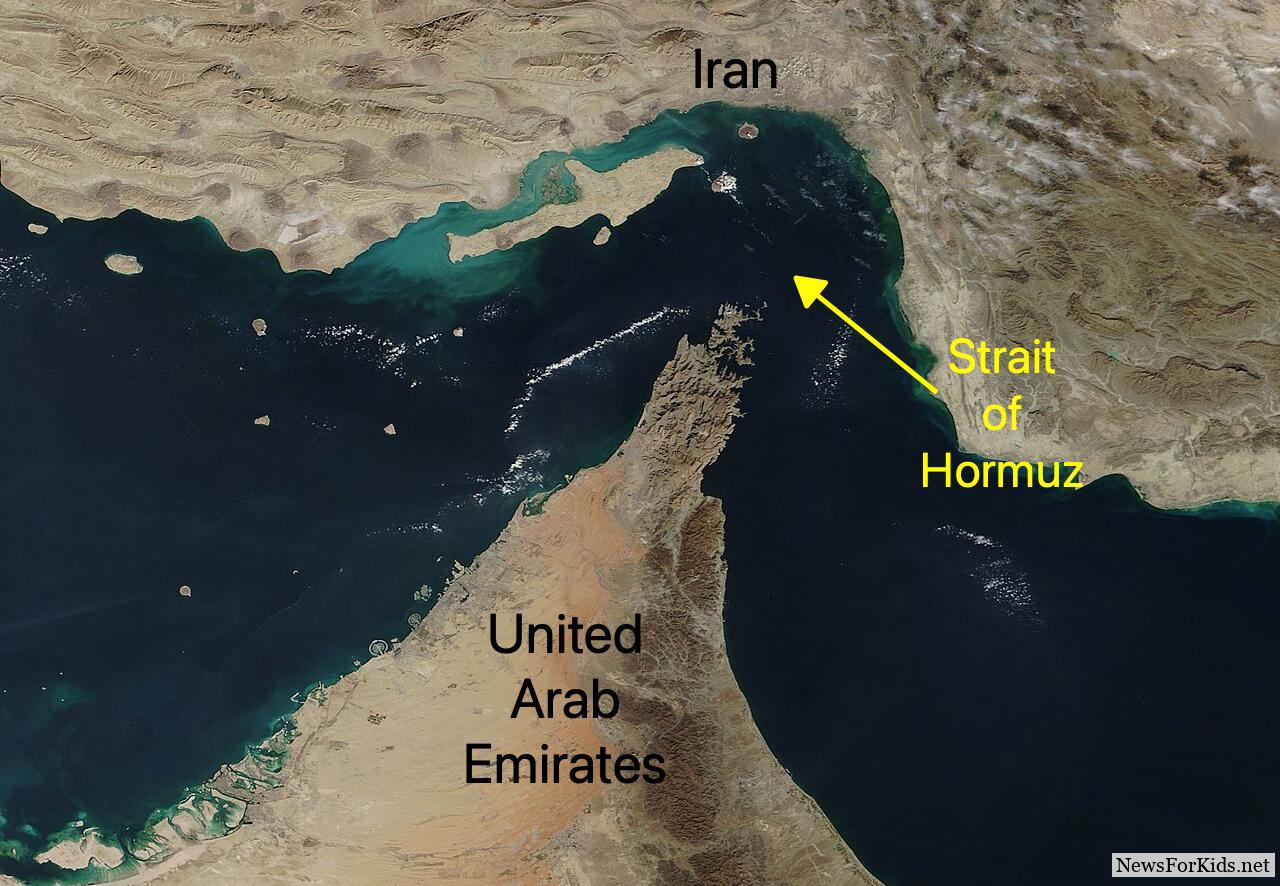
(Source: Original image: NASA/MODIS/TERRA [Public Domain], via Wikimedia Commons.)
Recent attacks by both sides suggest the war could soon leave even more permanent damage. The fighting has caused an immense amount of destruction. But until recently, both sides seemed to avoid hitting targets that could have long-lasting results.
But Israel greatly increased tensions on March 18, when it attacked Iran’s South Pars natural gas field. Iran quickly responded by hitting a site in Qatar that produces about 20% of the world’s natural gas. Attacks on these kinds of targets can cause damage that can take years and years to rebuild.
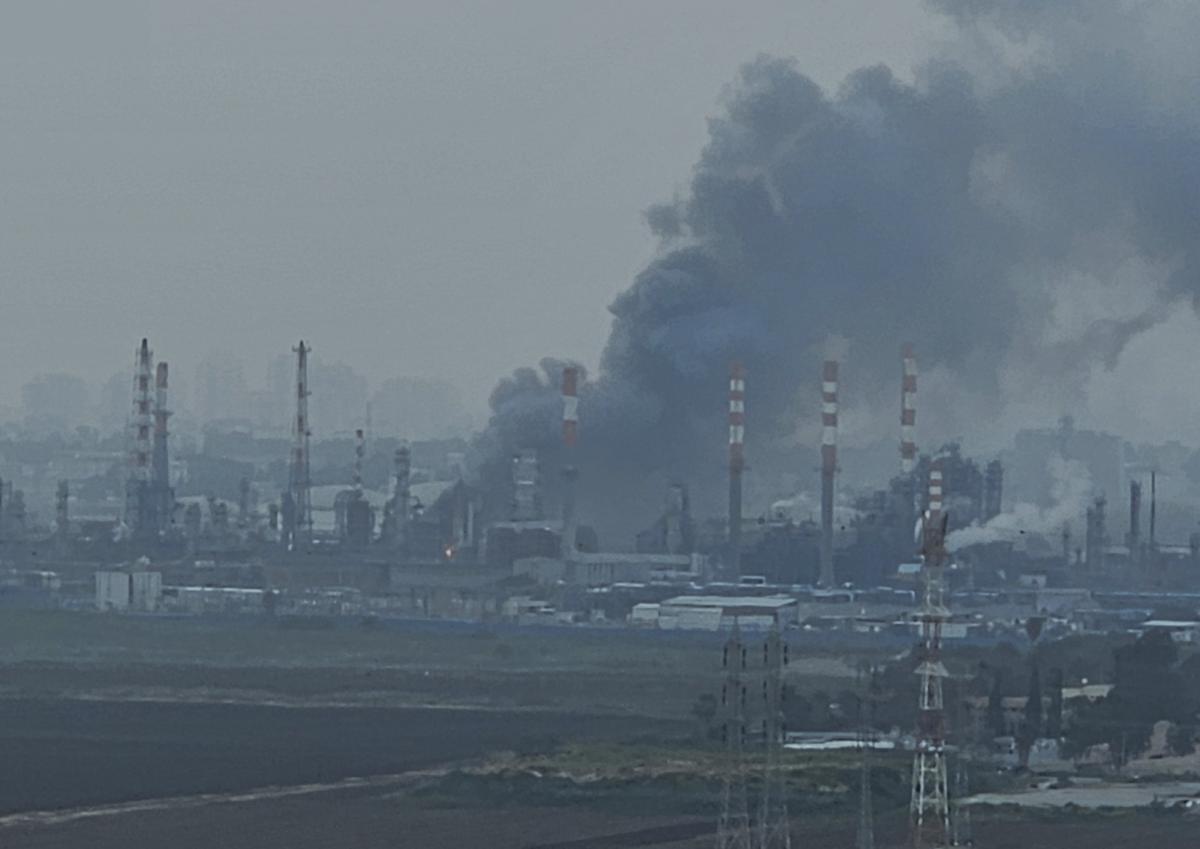
(Source: Hanay [CC BY-SA 4.0], via Wikimedia Commons.)
Mr. Trump is under pressure to find a way to end the war he started. On Saturday, Mr. Trump threatened that if Iran didn’t open the Strait of Hormuz in 48 hours, the US would begin targeting Iran’s power plants. Attacking power plants is usually considered illegal under international law.
Iran said that if the US did this, it would target similar sites in nearby countries. Iran also threatened to target factories that make ocean water drinkable (desalination plants). Much of the Middle East is very dry, and some countries rely on these plants for their drinking water.
😕
This image has not been loaded because of your cookie choices. To view the content, you can accept 'Non-necessary' cookies.
On Saturday, Mr. Trump threatened to hit Iran’s power plants if Iran didn’t open the Strait of Hormuz in 48 hours. Iran threatened to strike back. The increased threats caused concern worldwide. On Monday, Mr. Trump said he would give Iran five days to open the strait. Above, Mr. Trump on Monday.
The increased threats caused great concern worldwide. On Monday, Mr. Trump changed his mind and said that he would give Iran five days – until Friday – to open the Strait of Hormuz.
Mr. Trump claims that the US and Iran are now talking about ways of ending the war, and that the talks are going well.
Iran denies that there are any talks. Iran claims Mr. Trump wants to use the time to prepare US attacks.
Did You Know…?
The US Department of Defense says it will ask Congress for an extra $200 billion to help pay for the war.
😕
This map has not been loaded because of your cookie choices. To view the content, you can accept 'Non-necessary' cookies.