
Scientists at the Massachusetts Institute of Technology (MIT) have discovered that rice seeds that “hear” the sound of raindrops seem to sprout faster than those that do not. The study is the first to suggest that seeds can sense sound, and use the information to help them “decide” when to sprout.
As surprising as it may sound, it’s not completely new to suggest that plants can “hear”. In 2014, scientists discovered that plants could respond to sounds made by caterpillars munching. Some plants have also been shown to respond to the special buzzing of some bees.
Now scientists at MIT have published a study suggesting that rice seeds can sense the sound of raindrops hitting water. The researchers believe that the seeds use this information to help them “decide” when to sprout.
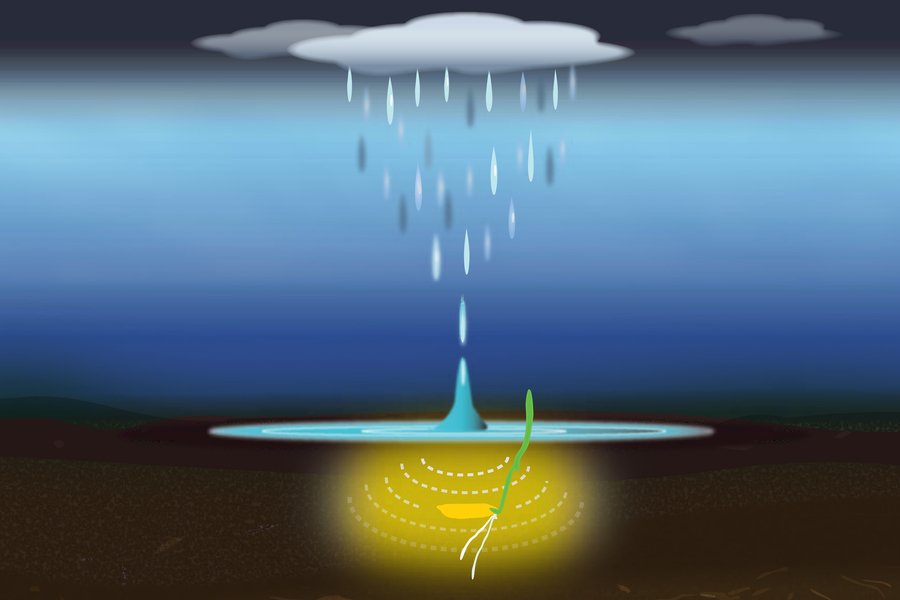
(Source: Cadine Navarro, MIT.)
The researchers wanted to make sure that the seeds were responding to the sound of rain and not to its water. So they chose to focus on rice seeds because rice is usually grown in water. That meant all the seeds would be equally wet.
For the experiment, the researchers placed thousands of rice seeds in shallow pools of water. All of the seeds had enough water to sprout.
Some of the water was kept completely quiet. But other pools were hit with falling drops of water to imitate real rain – some light, some medium, and some heavy.
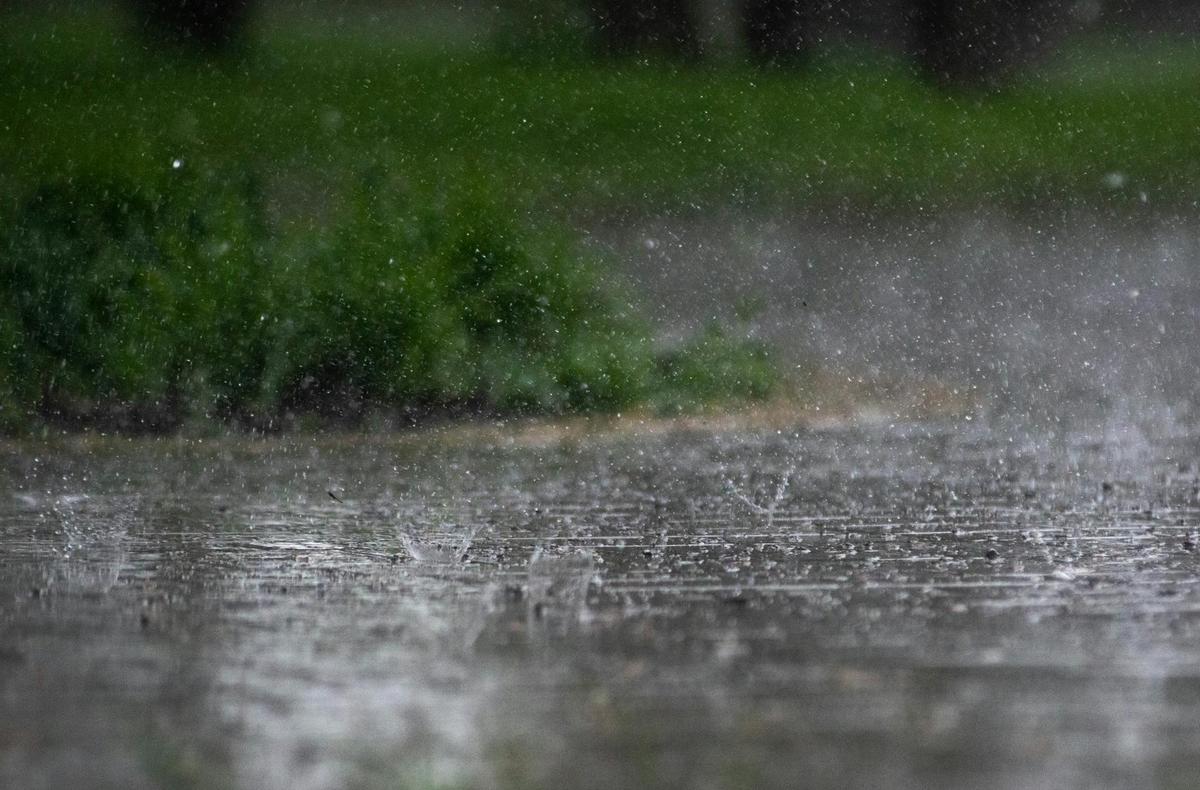
(Source: Александр Лич, via Pexels.)
On average, the seeds that were exposed to the fake rain drops sprouted about 30-40% faster than seeds that were kept in quiet pools of water. The scientists believe that this faster sprouting might give the seeds a better chance of surviving.
Dr. Nicholas Makris, who led the study, says, “The energy of the rain sound is enough to accelerate [speed up] a seed’s growth.”
Though it may seem strange to think about seeds “hearing” something, sound is really just a vibration. The researchers believe the seeds may be responding to vibrations in the water caused by falling raindrops. These vibrations are much more powerful underwater than in air.
Inside the cells of the seeds, there are tiny, heavy grains called “statoliths”. Like snow in a snow globe, these statoliths help seeds figure out which way is “down”. That way, when the seed sprouts, its roots will grow down into the soil and its shoots will grow up toward the light.

(Source: Luthfan AP [CC BY-SA 4.0], via Wikimedia Commons.)
When the vibrations from the water drops reached the seeds, these statoliths shook around inside the seed cells. The scientists think this may have triggered the seeds to sprout earlier.
The researchers believe that sensing rain sounds may help seeds make sure they’re in a good spot to grow. Seeds that can sense the vibrations of the rain are probably close enough to the surface to get moisture, and to grow into the light.
In their experiment, the MIT scientists only studied rice seeds, but they believe it’s likely that other kinds of seeds may also be able to “hear” the rain.