
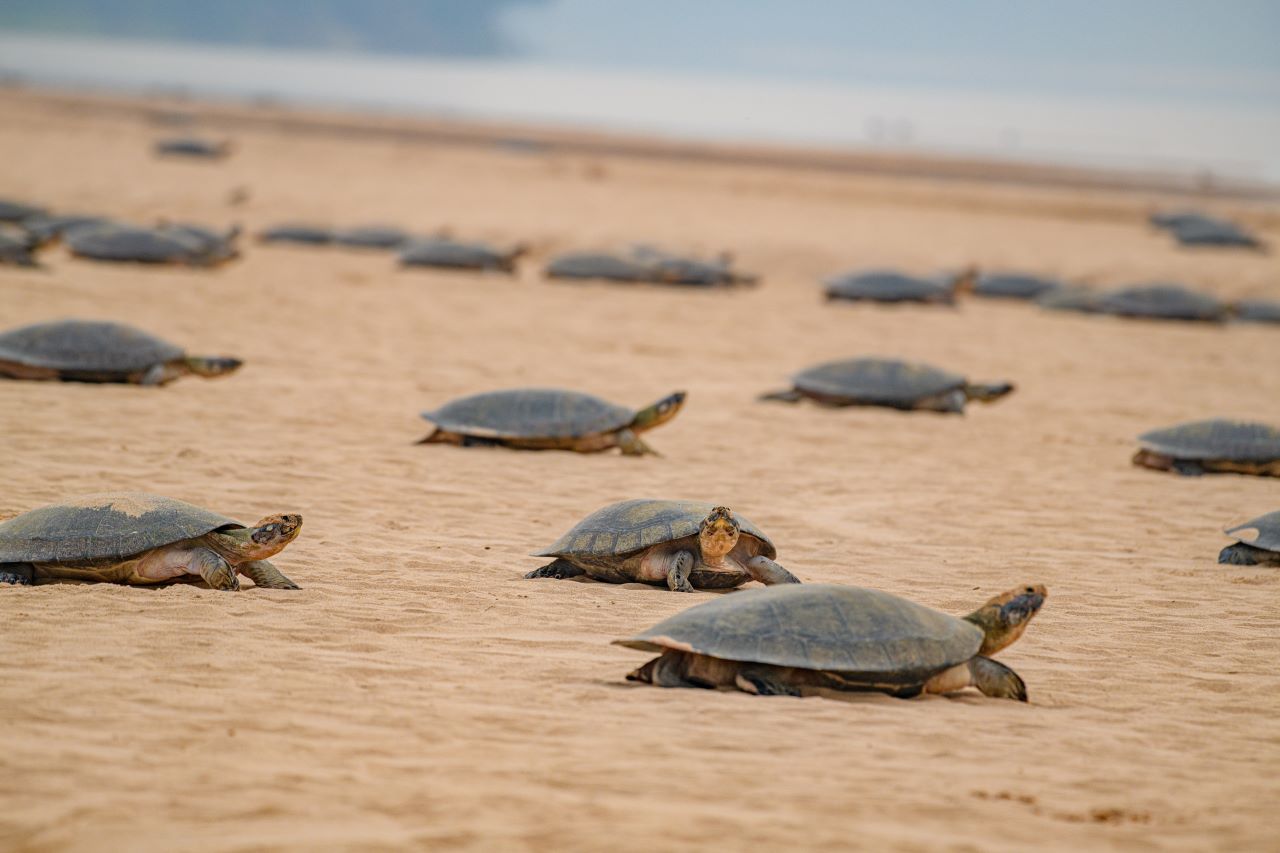
Scientists from the University of Florida have recently reported on the world's largest nesting site for freshwater turtles. They counted about 41,000 Giant South American River turtles at the site. Just as importantly, they developed a more accurate method of counting the turtles.
Published in “Science”
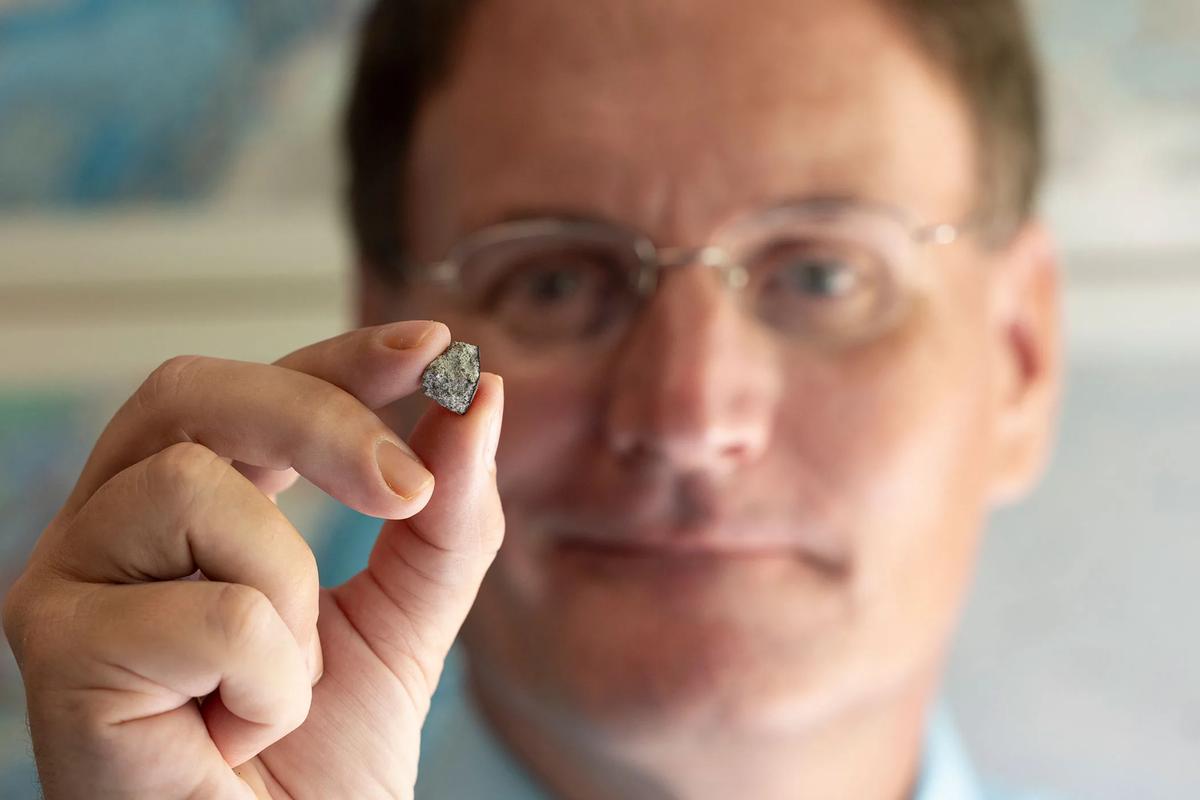
When a fireball fell through the sky in the southeastern United States on June 26, it caught the attention of people across seven states. It was a meteor breaking up as it fell through the Earth's atmosphere. A small part of the space rock tore through a house in Georgia. Scientists now say the meteorite is older than the Earth.
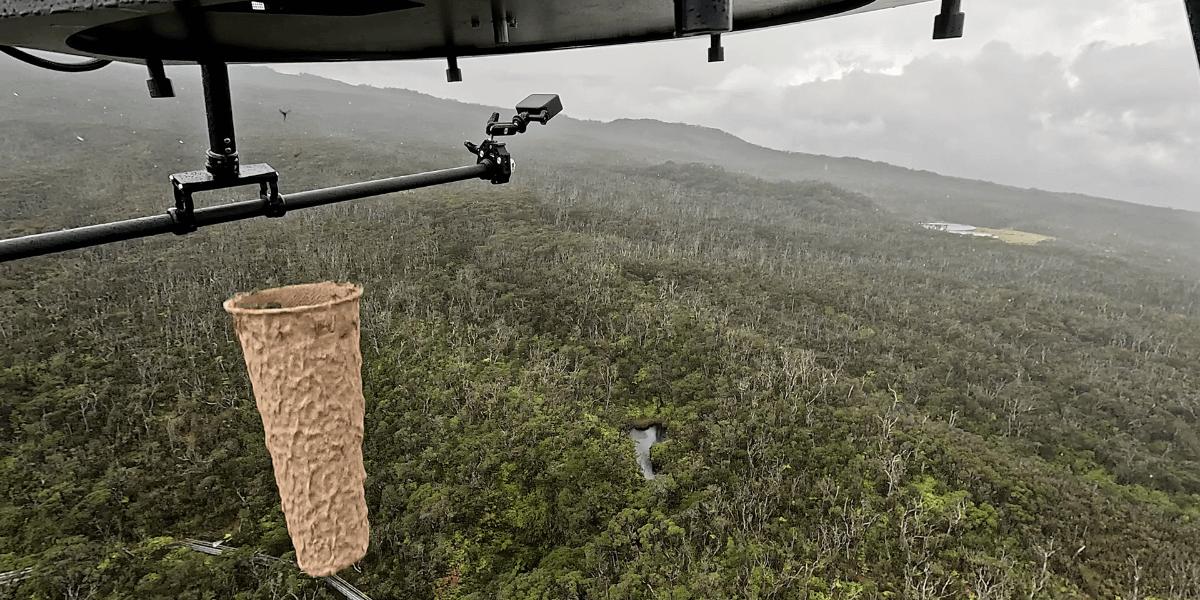
Birds, Not Mosquitoes is a collection of different groups working to protect Hawaii's native birds. The biggest concerns for these birds is avian malaria, which is spread by mosquitoes. Now BNM has started using drones to drop containers of specially treated male mosquitoes, hoping to lower the numbers of mosquitoes threatening the birds.

Under US President Donald Trump, the Environmental Protection Agency (EPA) has announced a plan that would remove a 2009 decision that says climate change is dangerous. If the plan goes through, it will make it extremely hard for the US government to limit pollution that causes global warming.
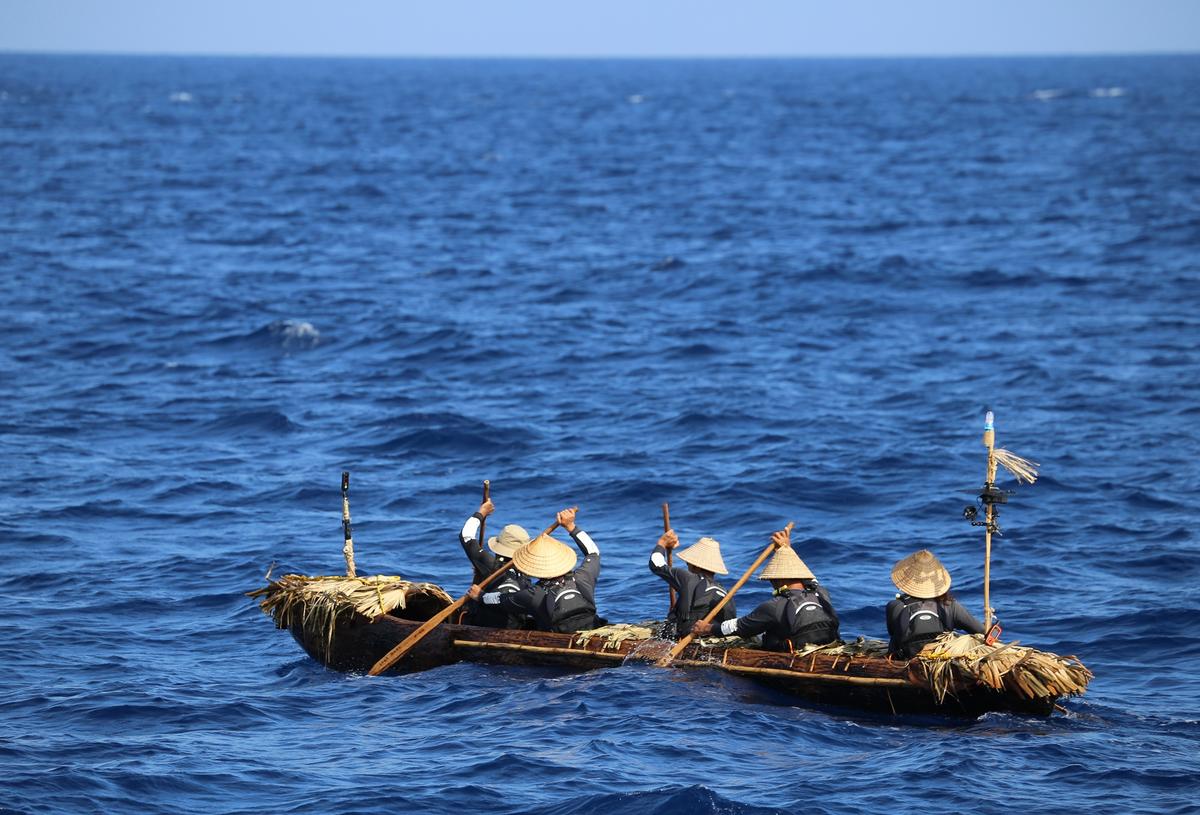
Scientists from Japan and Taiwan may have solved an old mystery: how did ancient people with simple tools and little scientific knowledge make long, dangerous ocean trips to new places? To test their ideas, the researchers made a trip of their own in a canoe they built from a tree using stone tools.
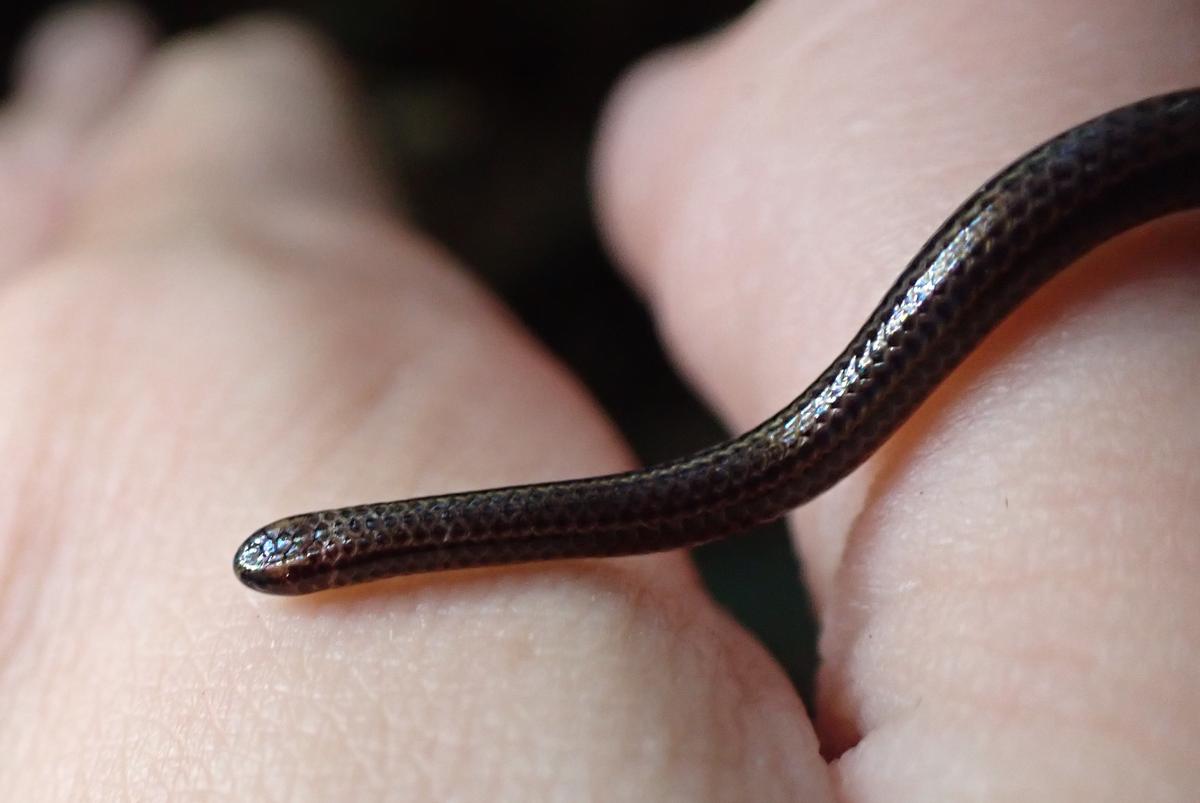
The world's smallest snake - the Barbados threadsnake - hadn't been seen in almost 20 years. Scientists were beginning to think that the tiny snake might be extinct. But in March, researchers searching a forest in Barbados found one of the snakes under a rock.
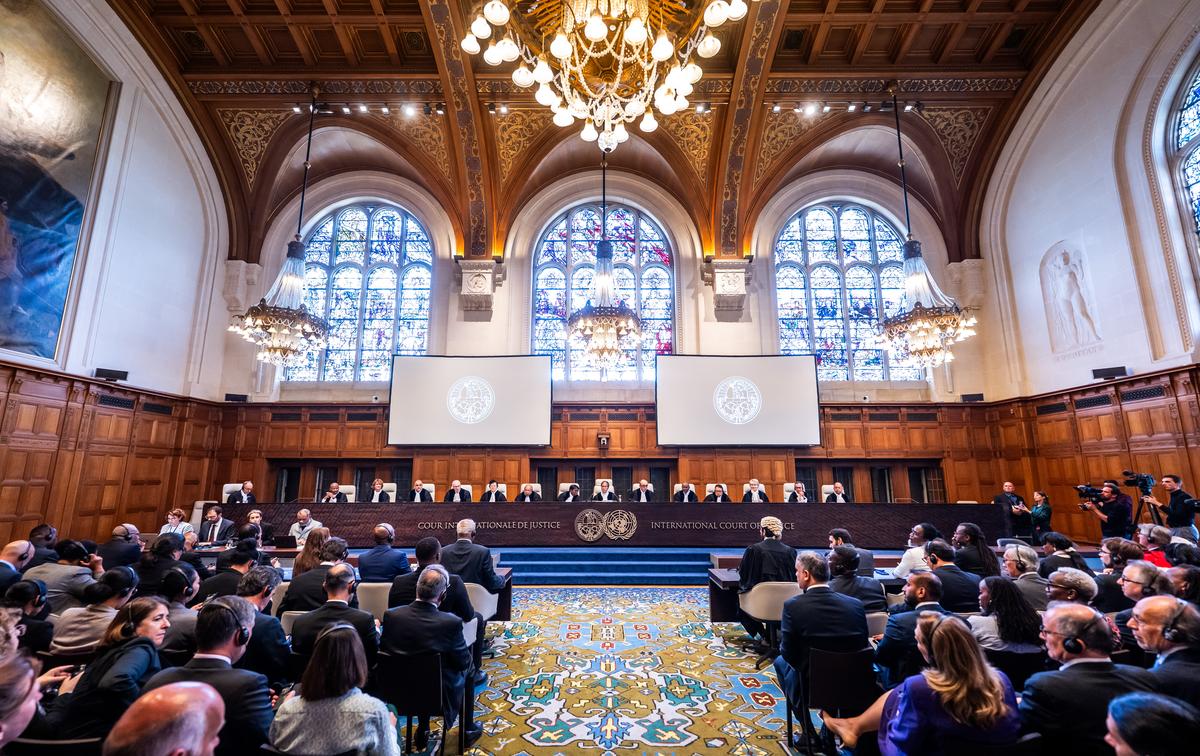
Last Wednesday, the United Nations' highest court ruled that countries must protect people from the "urgent" threat of the climate crisis. The court said countries which don't take steps to fight global warming might have to pay for the damage they've done. The court's opinion could lead to more lawsuits over the climate crisis.
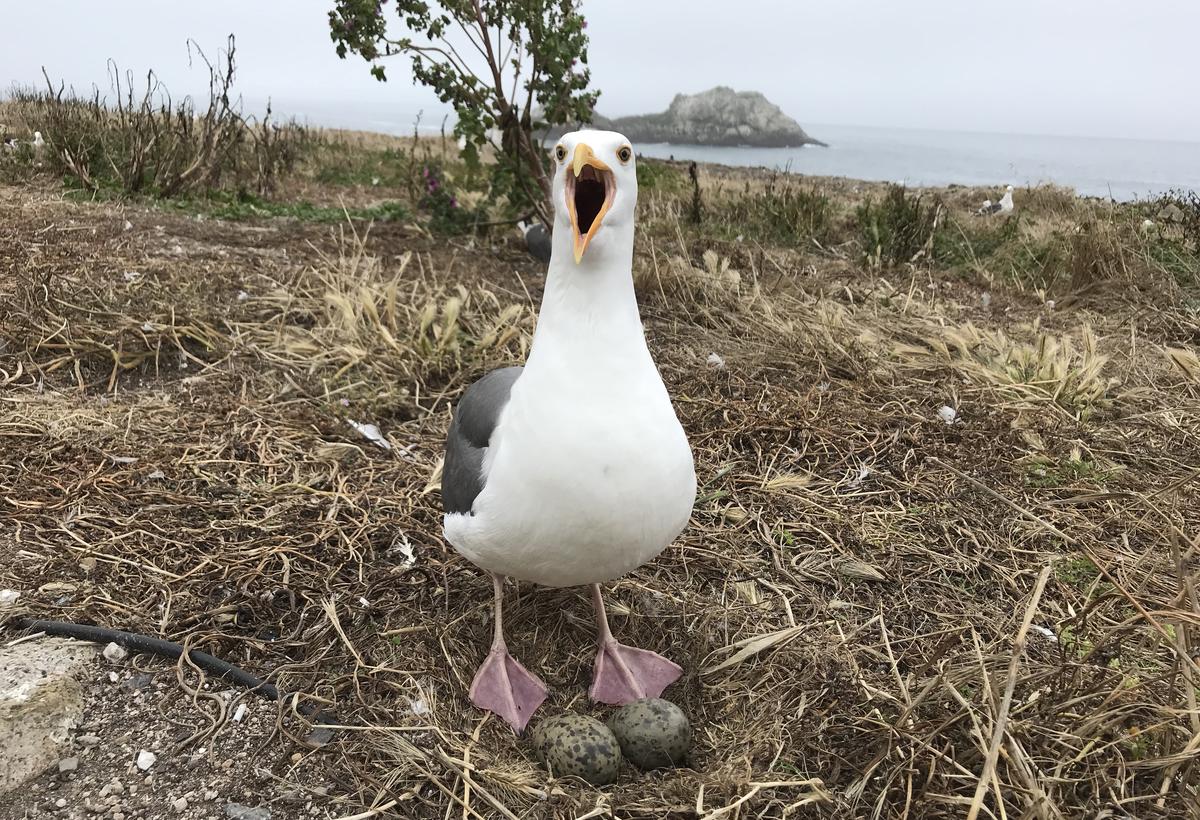
Scott Shaffer is a biologist who studies birds. In 2018, he was studying data from a tracking device he had placed on a gull. He was surprised to find that the bird had gone for an 80-mile (129-kilometer) ride on a truck carrying food scraps. And the bird had done it twice in just one week.
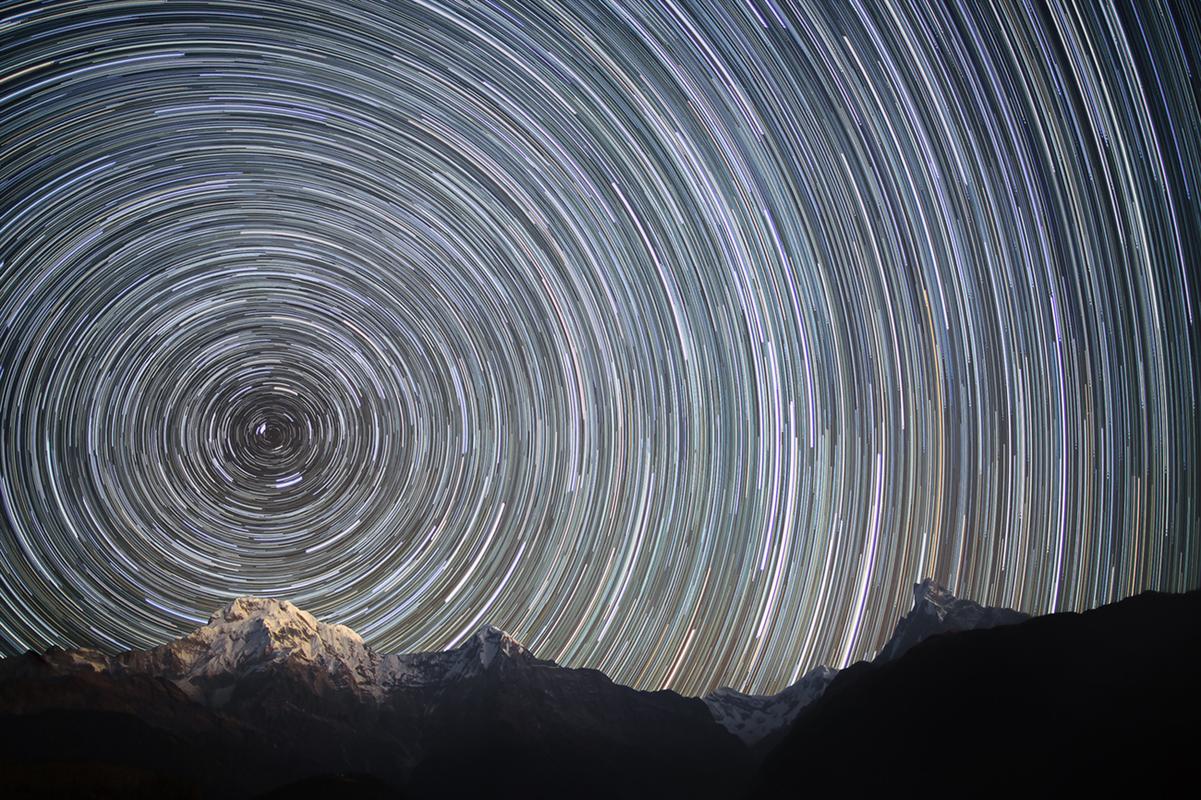
If you feel like yesterday just flew by, you're not wrong. Yesterday was the second shortest day this year - about a thousandth of a second faster than normal. For a number of reasons, the Earth will spin slightly faster on several days this summer.
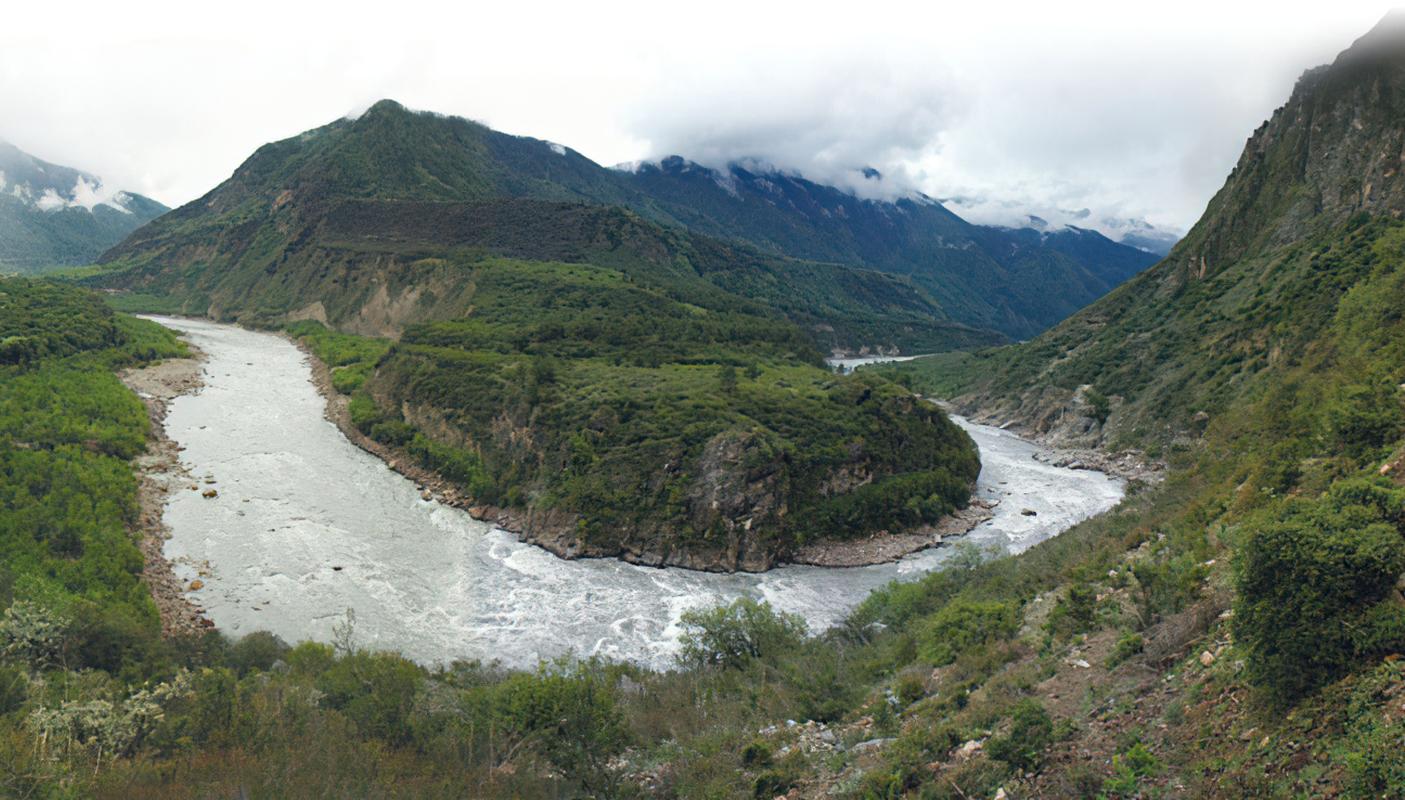
On Saturday, China began building what is expected to be the world's largest dam. The dam, which is in Tibet, will produce massive amounts of electricity. But it has upset people in India and Bangladesh, who are worried about how the dam will affect them.
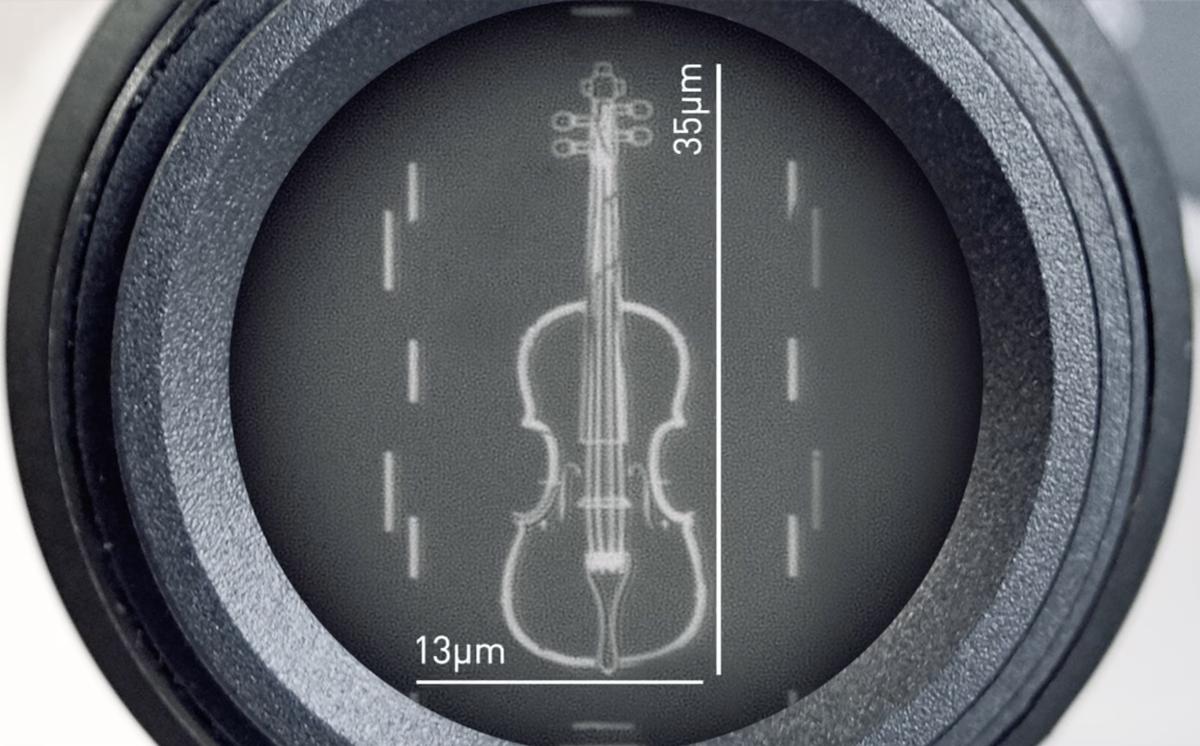
Scientists at Loughborough University in the United Kingdom have created what they call "the world's smallest violin". The violin is made of metal and is so tiny that it can only be seen with a powerful microscope. The project was designed to test new technology for building extremely small things.