
The new coronavirus disease continues to spread around the world. As the number of new cases in China is dropping, the number of cases in other countries is rising, sometimes quite suddenly.
Published in “Science”
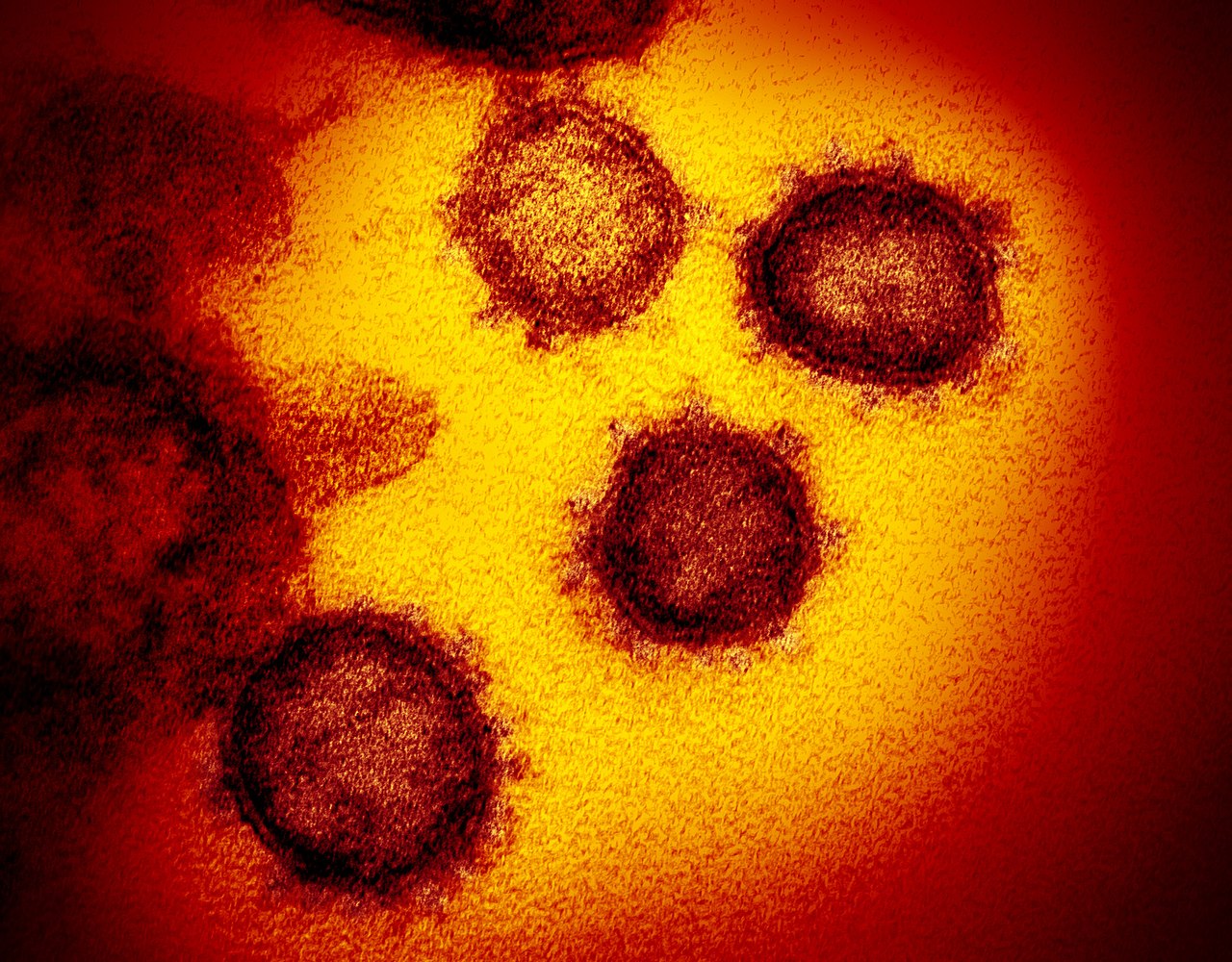
COVID-19 is the name given to a new coronavirus disease that began in Wuhan, China in December, 2019. Though the illness is similar to a cold for most people, in some cases it can cause death. The disease has had a terrible impact in China and has quickly spread to many other countries.
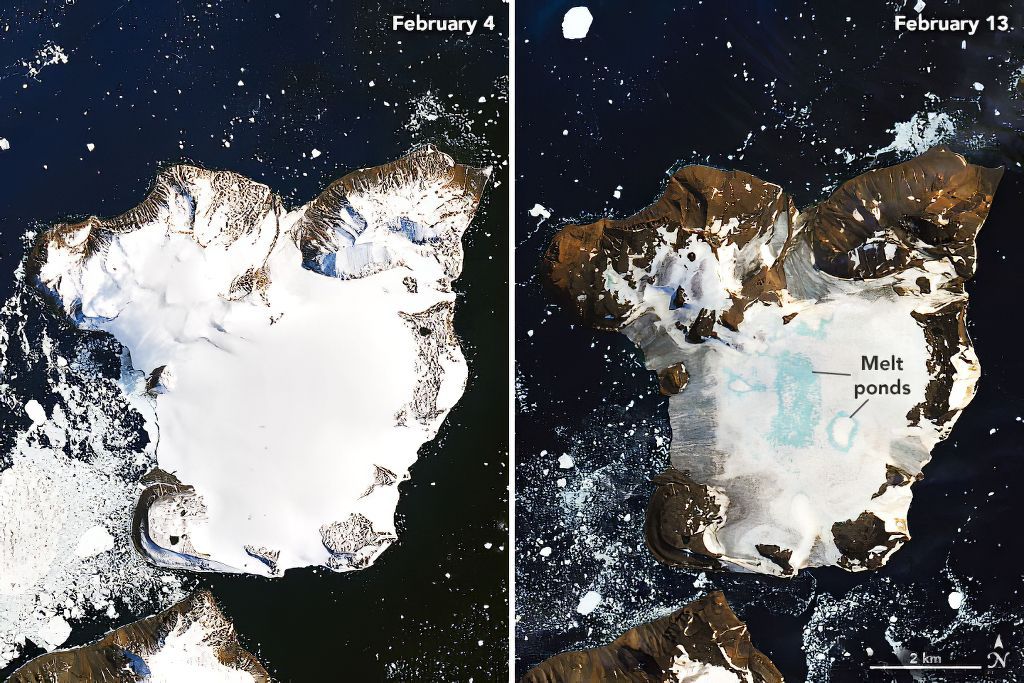
A period of very warm temperatures in Antarctica has caused unusually heavy melting in the most northern areas of the continent. Eagle Island, off the Antarctic peninsula, lost 4 inches (106mm) of snow and ice in just nine days.

In today's news roundup, locusts continue to spread through East Africa, the world's richest man gives $10 billion to fight the climate crisis, and Ontario's new license plates are nearly impossible to read at night.

The new coronavirus disease continues to grow and spread, but China's efforts to contain it seem to have helped. As China struggles to control the disease, the number of cases in other countries is slowly rising, too.
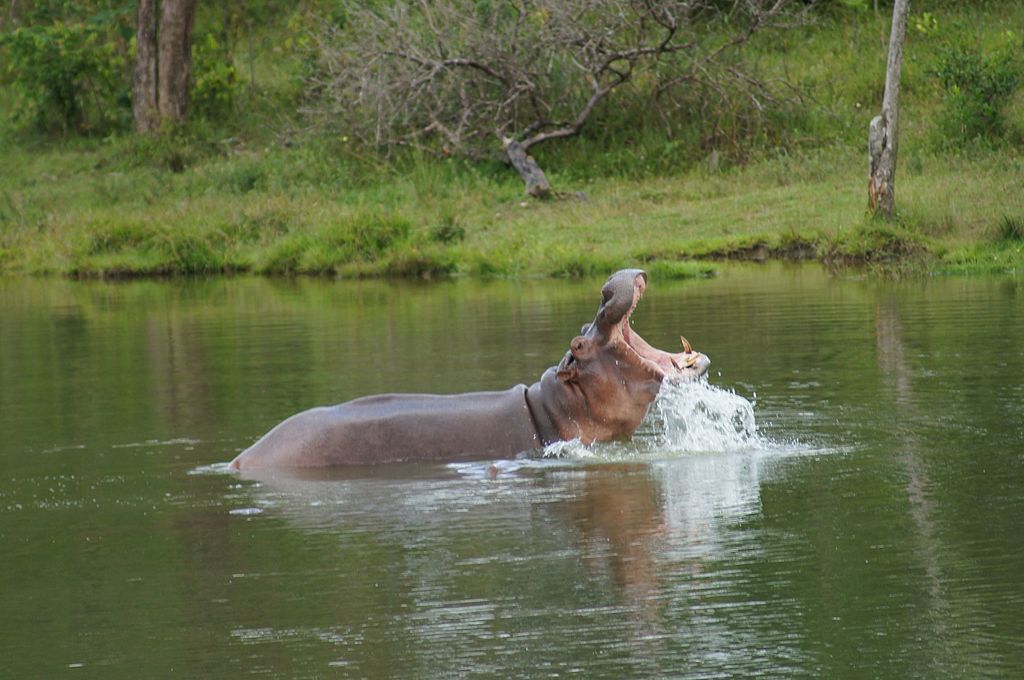
A few hippos that were brought to Colombia for a zoo have been running wild for over 25 years. Their numbers are growing rapidly and causing problems for other animals in the South American country.
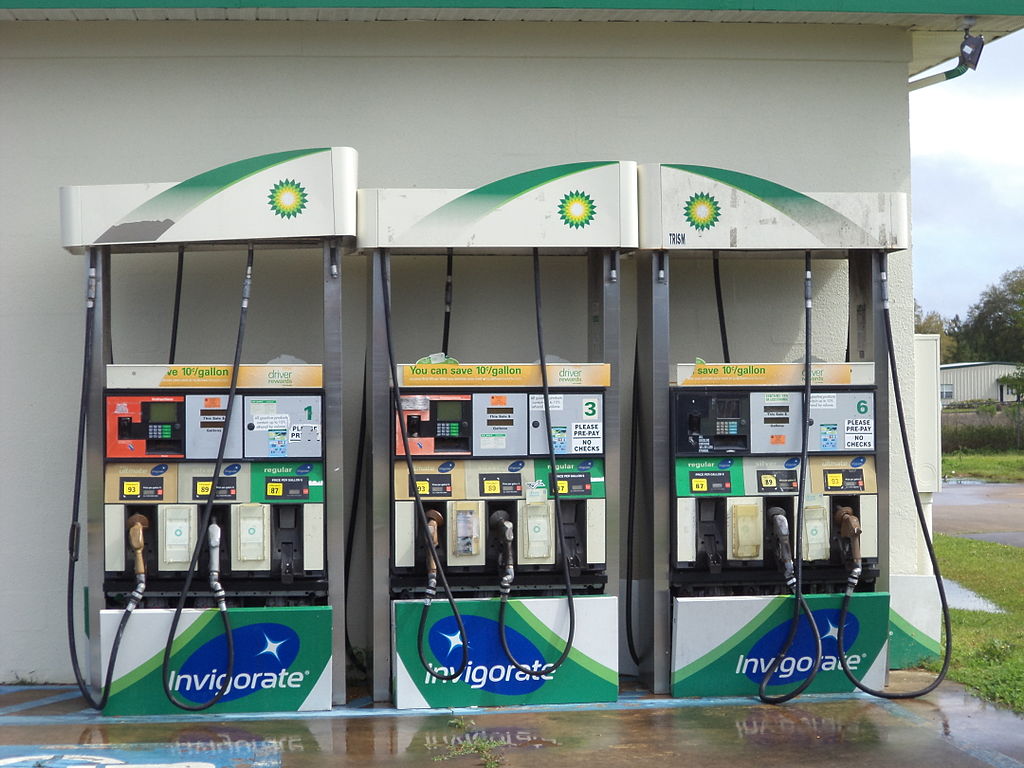
As countries around the world work to lower their pollution in order to take on the climate crisis, some unusual groups are joining the effort - the same companies that are causing the most pollution.
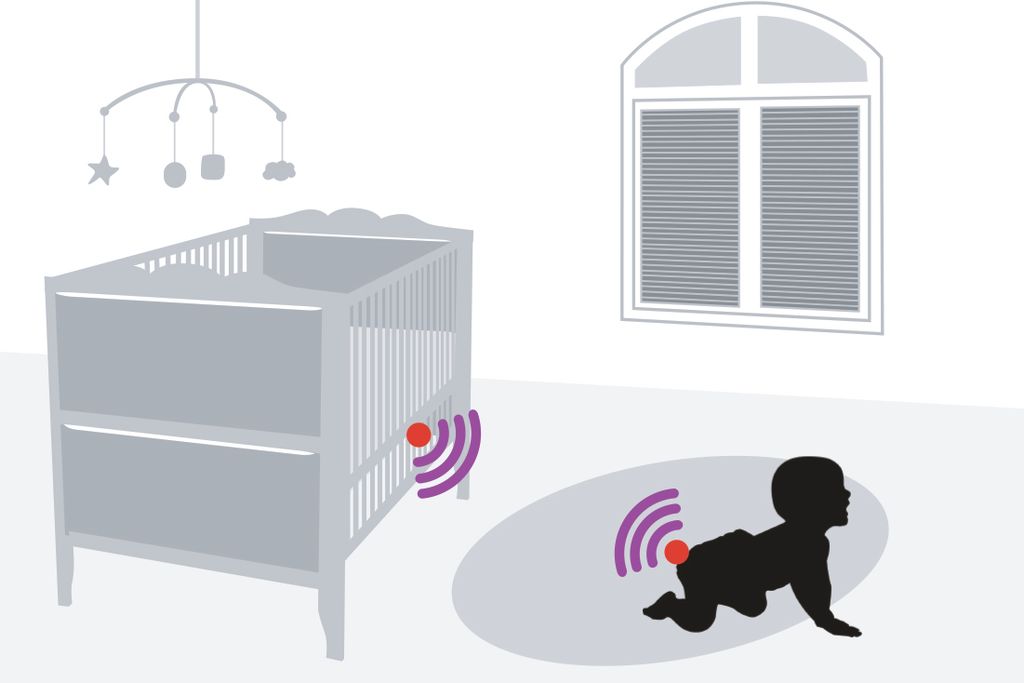
Scientists at MIT have developed a "Smart Diaper" that can call for a change when it's wet. Adding the technology to the diapers wouldn't cost much and could improve both comfort and health care.

In today's news roundup, heavy rains in Australia bring the country's worst bushfires under control, the UK and Northwestern Europe are pounded by strong storms, and 20-year-old Armand Duplantis sets the world pole vault record - twice.
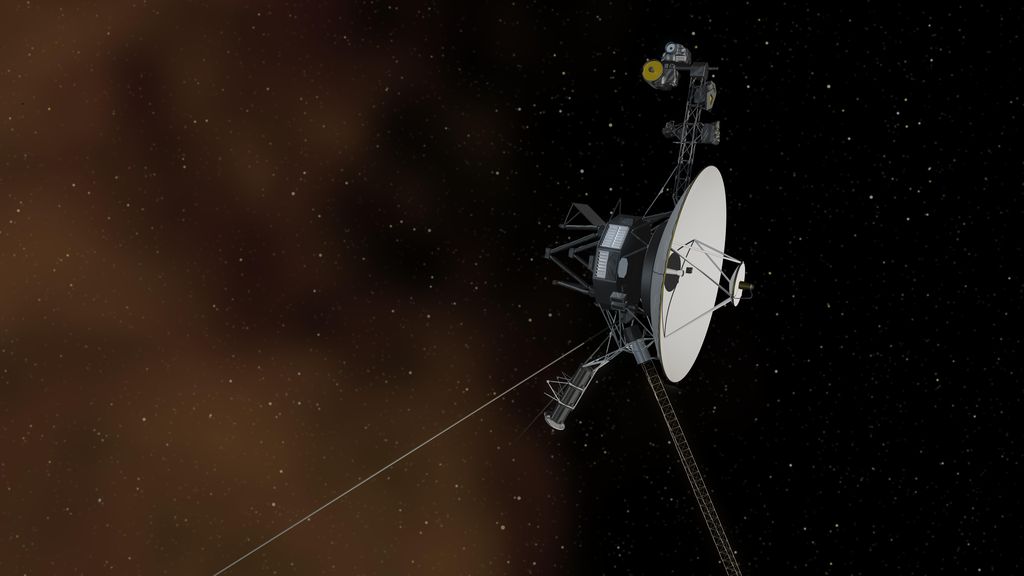
In today's news roundup, China begins to count its cases of COVID-19 (the coronavirus disease) differently, NASA fixes the Voyager 2 from billions of miles away, and a 101-year-old man is told that his parents need to confirm his identity.

In January, the New York Times reported on a company which claimed its computer program could identify almost anyone from a picture. The news that a small company had secretly done this shocked many people.