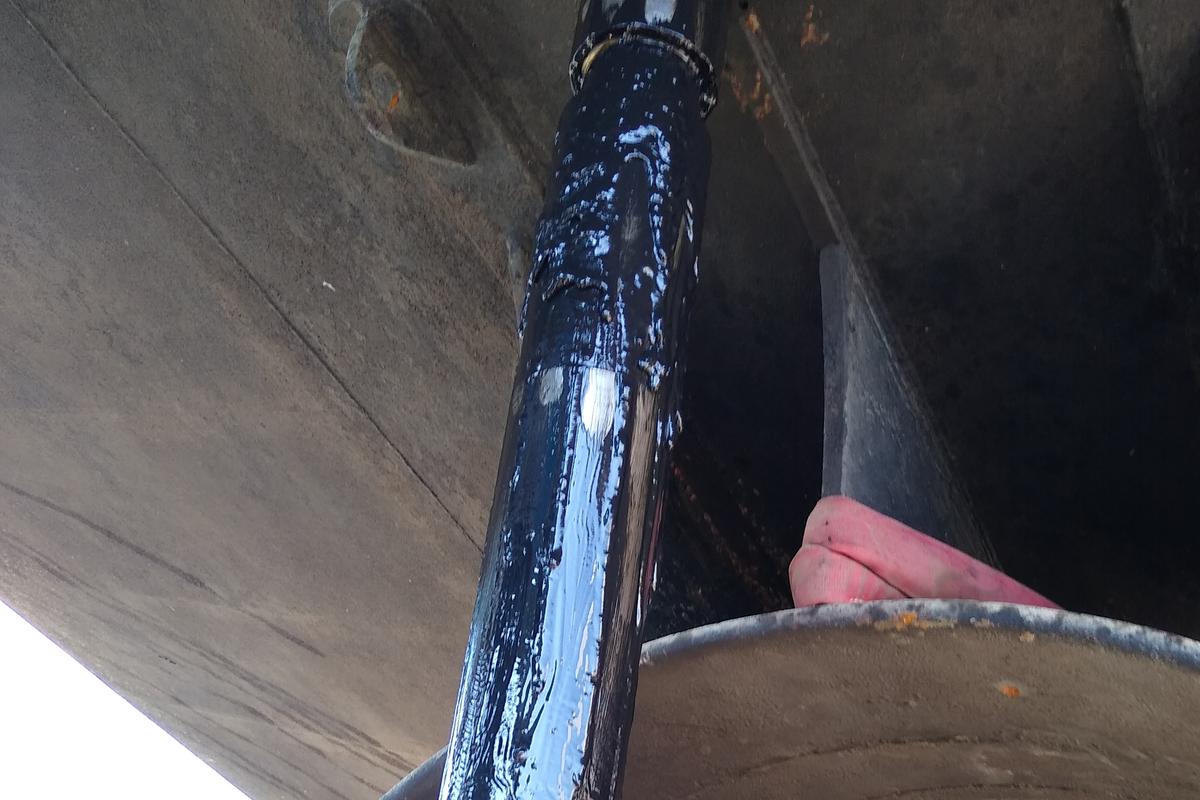
Scientists studying a black "goo" found on a research ship in the Great Lakes have learned that the goo wasn't just unusual - it actually contained a life form never heard of before. The slime still has scientists puzzling over several mysteries.
Published in “Science”
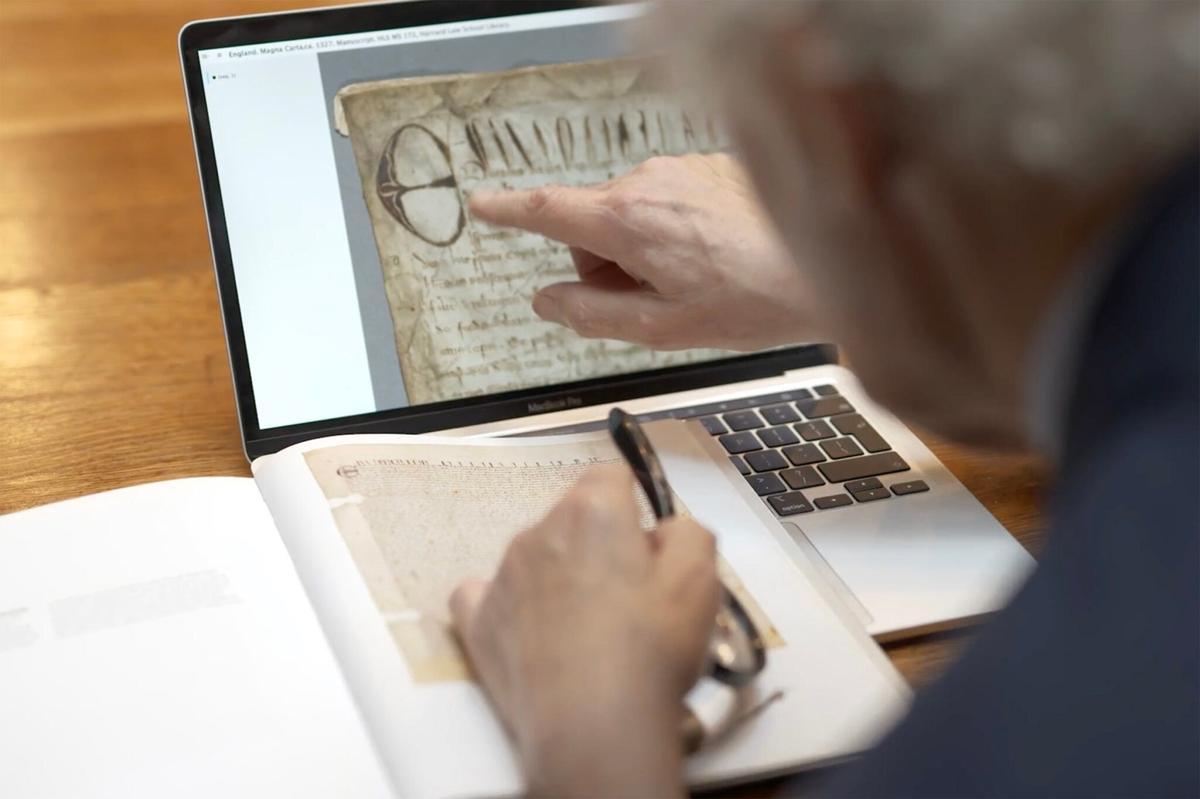
Librarians at Harvard Law School have learned that they own an original version of one of the world's most important documents – the Magna Carta. Until recently, Harvard thought that the document, which it bought for just $27.50, was a copy. Instead, It's a valuable historical document worth millions of dollars.
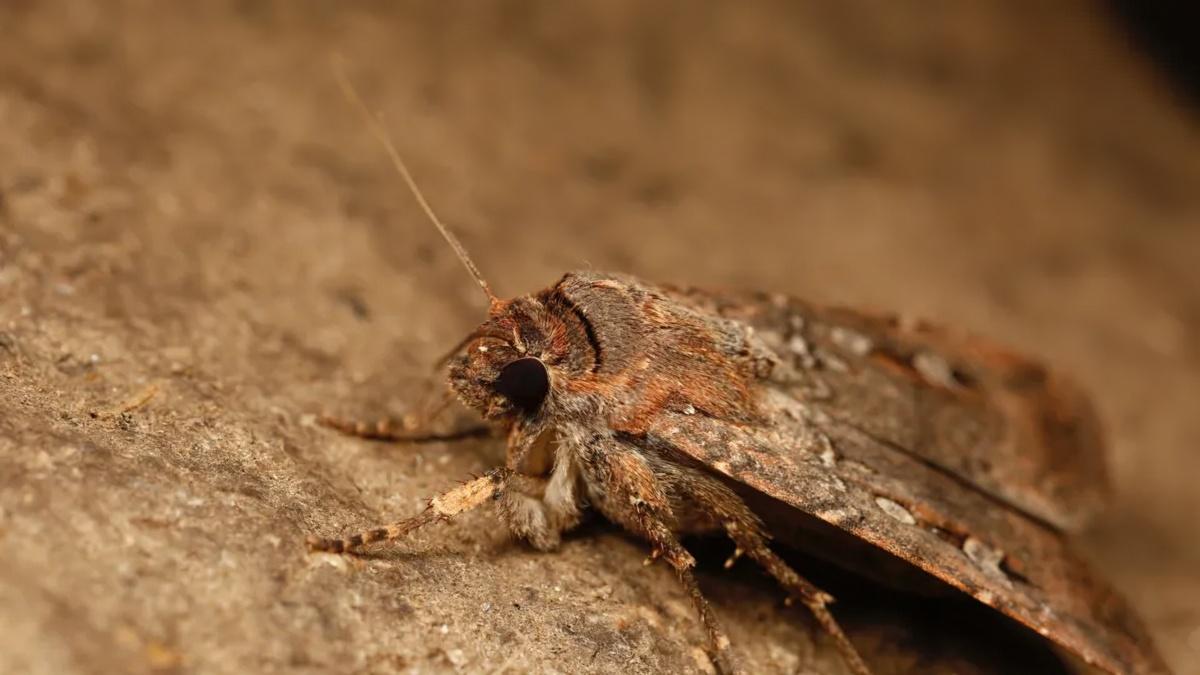
Scientists have made a surprising discovery about one of Australia's migrating moths - Bogong moths use the stars to help guide them on their long trips across Australia. The moths are the first insects known to use the stars as a guide while migrating.
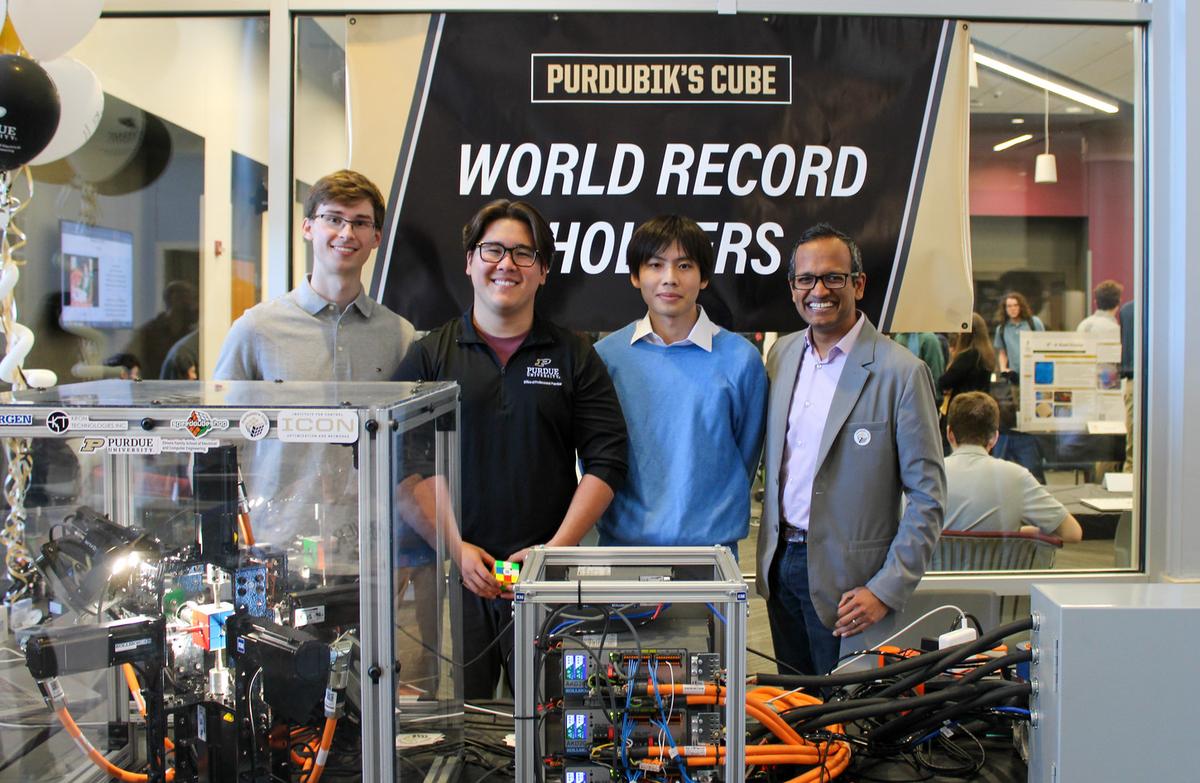
Students at Purdue University have created a robot that can solve a Rubik's Cube faster than any robot ever. The robot, which they call "Purdubik's Cube", solves the cube in just 0.103 seconds. That's faster than the time it takes to blink your eyes.
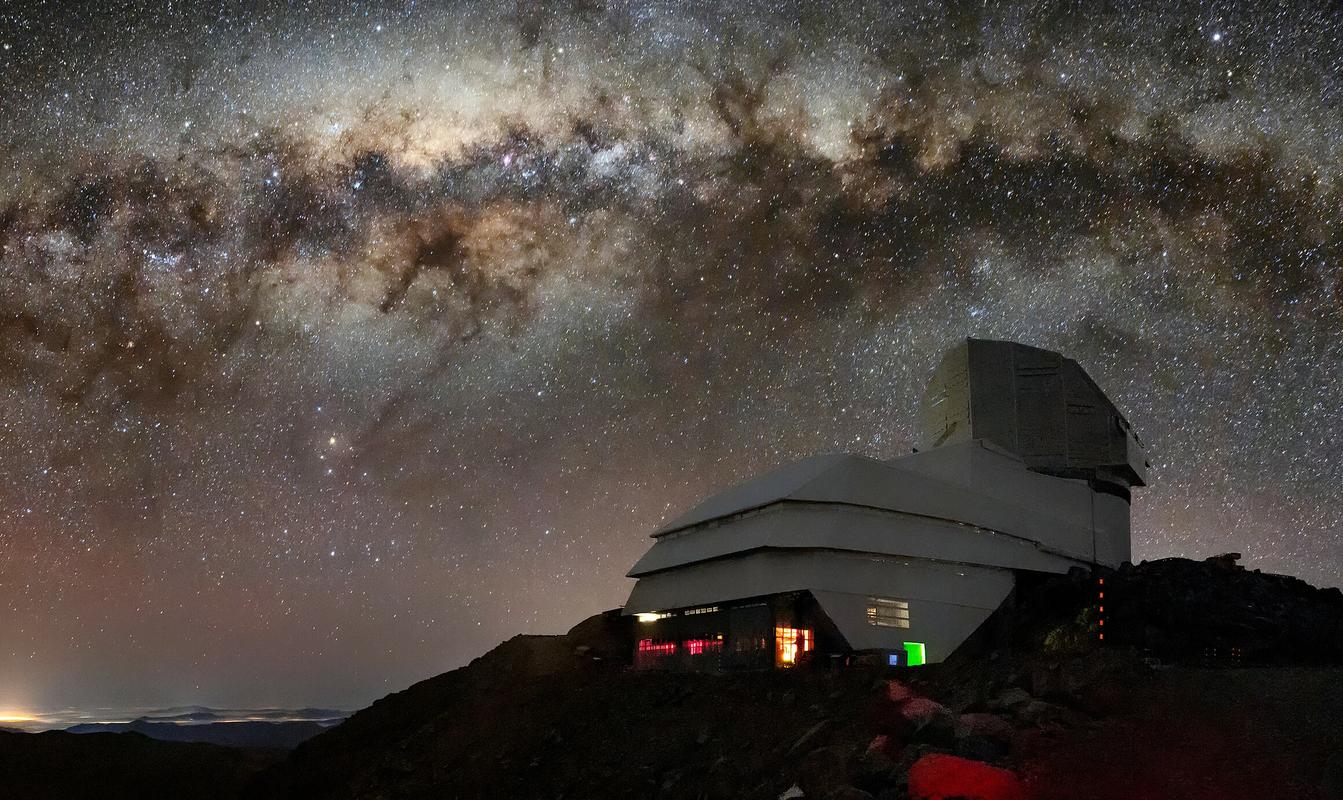
On Monday, scientists released the first pictures taken by the Vera C. Rubin Observatory in Chile. The observatory has a powerful new telescope that's designed to take complete pictures of the southern night sky over the next ten years. It's expected to bring huge changes to the way scientists study space.
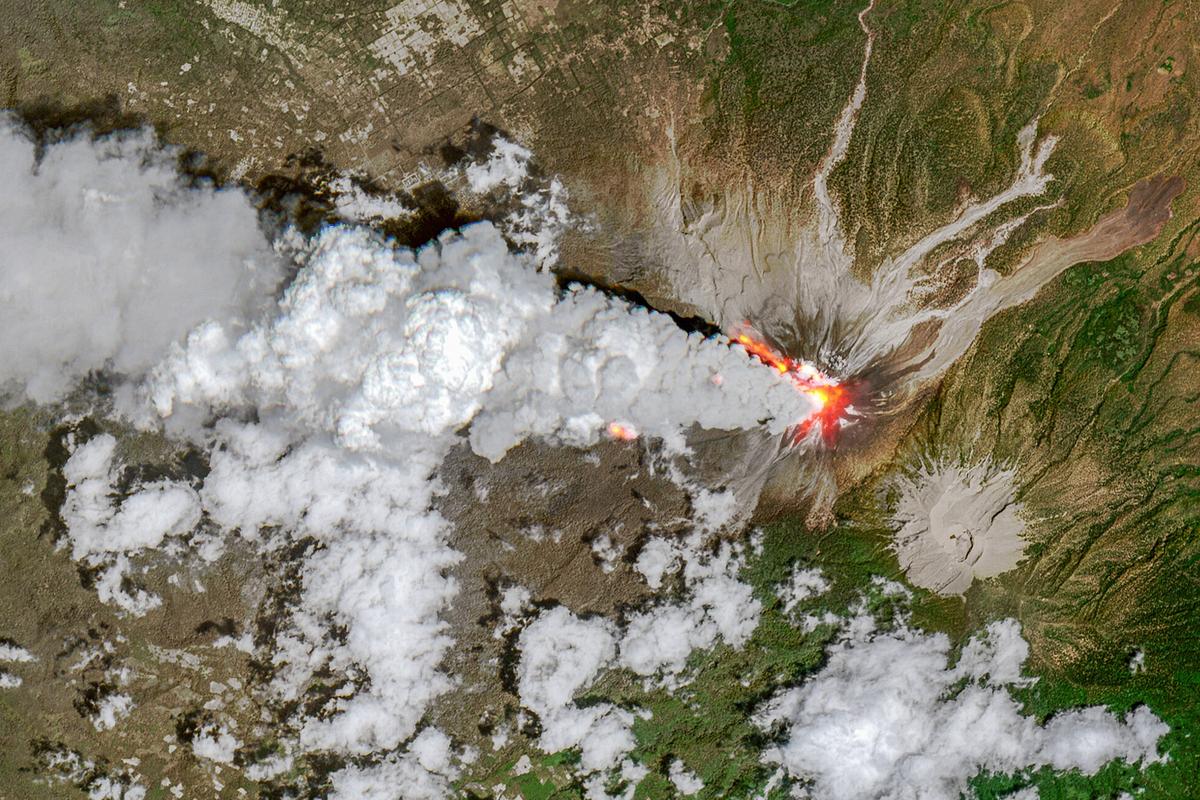
On Tuesday, a volcano in Indonesia called Mount Lewotobi Laki-laki, erupted. The eruption sent a huge cloud of ash and smoke 6.8 miles (11 kilometers) into the sky, causing serious problems with air travel to and from popular tourist sites in Indonesia. No injuries have been reported.
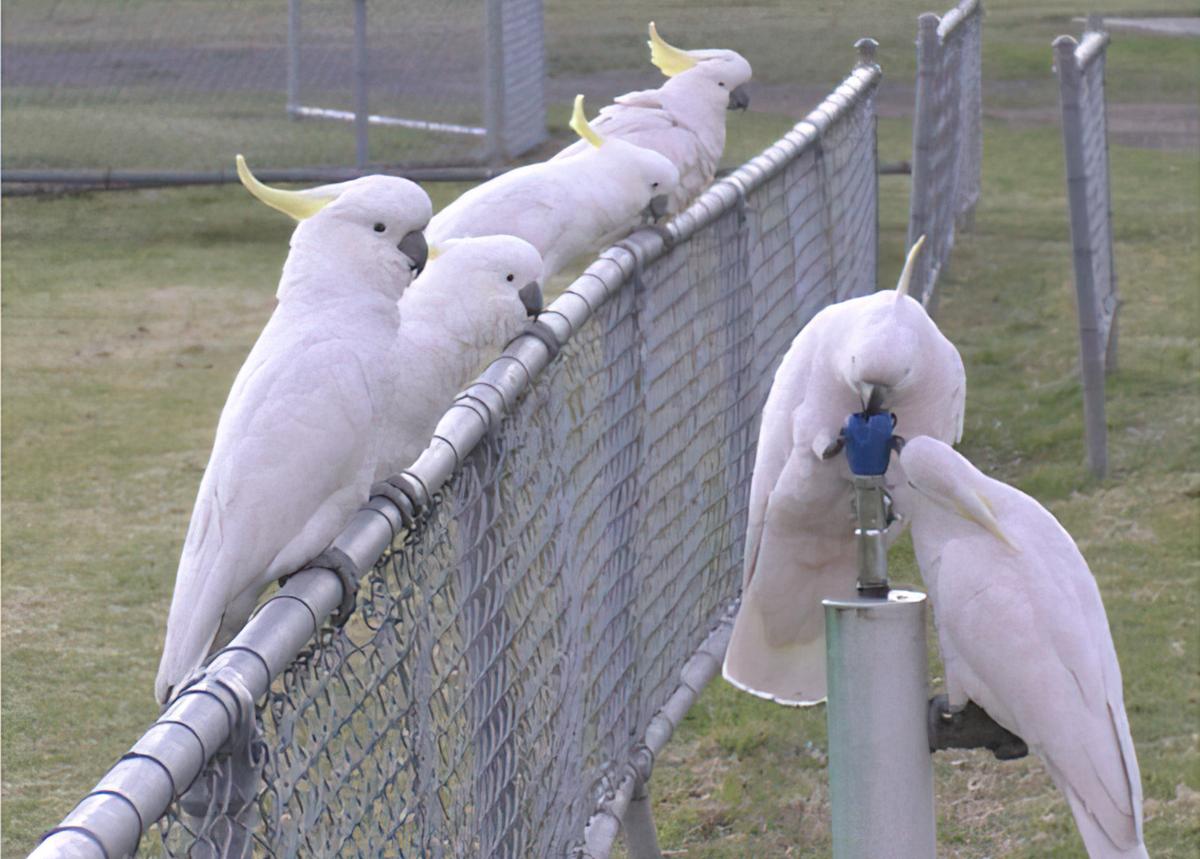
Scientists have been studying a group of cockatoos in Sydney, Australia that have a clever trick: they've figured out how to drink from water fountains. The birds use one foot to turn the fountain's handle and then lower their head to the spout, allowing them to drink.
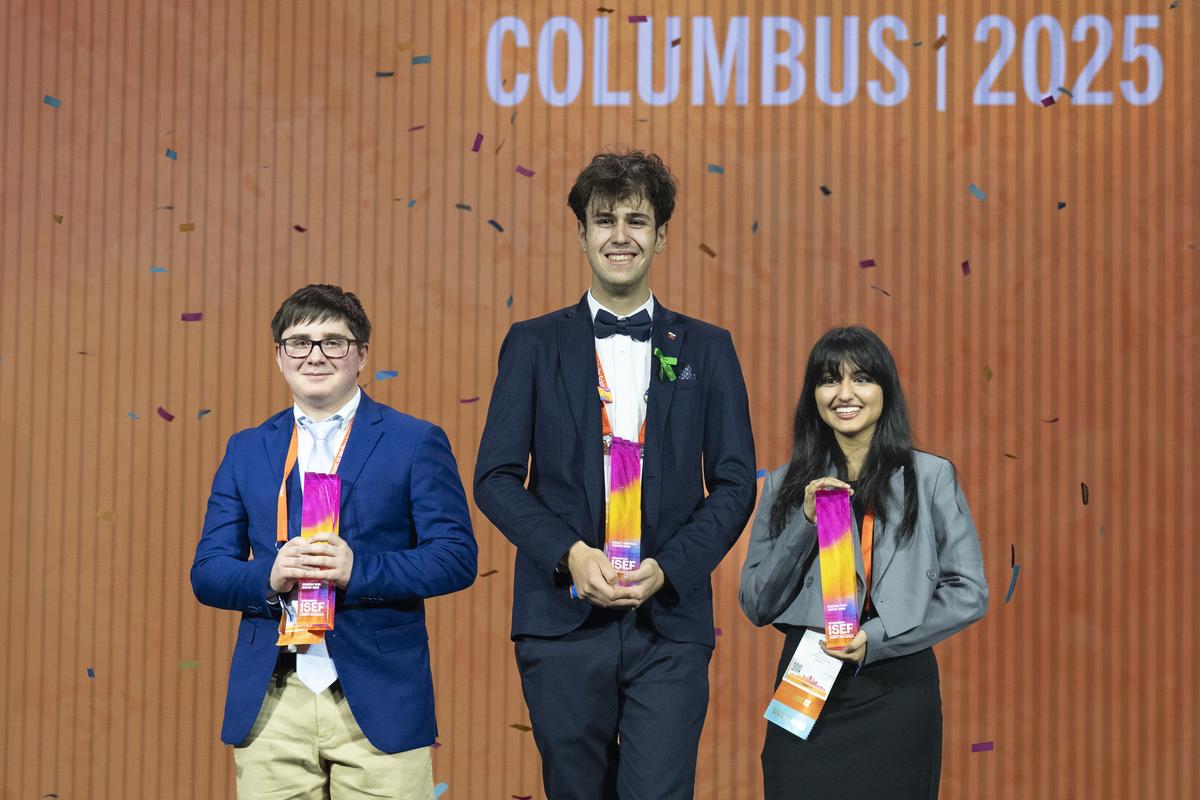
In mid-May, the 2025 International Science and Engineering Fair was held in Columbus, Ohio. It's the world's largest science contest for students who haven't gone to college yet. The grand prize went to a student from Slovakia for a new way of making a medicine.
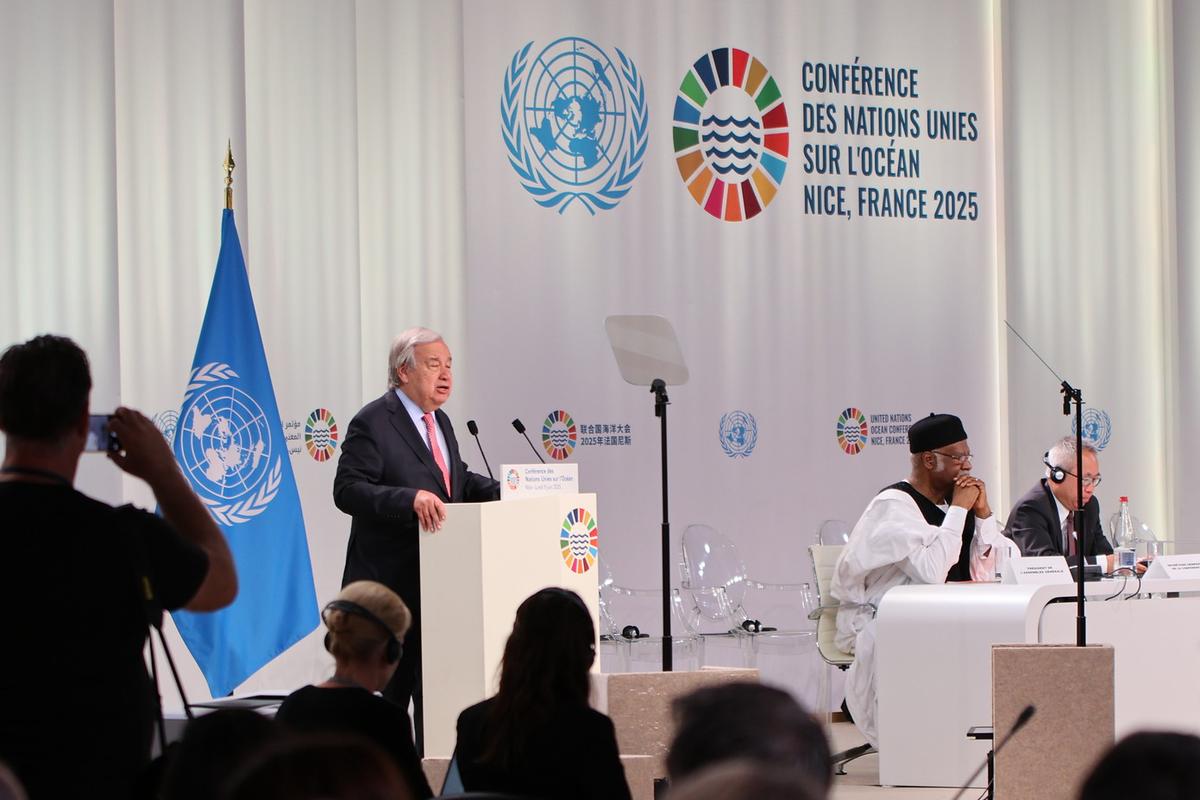
On Monday, scientists and government leaders came together in Nice, France for the third United Nations Ocean Conference. The meeting is focused on the many challenges facing the world's oceans, and what can be done to help. The event comes as the US has suddenly taken a step back from protecting the oceans.
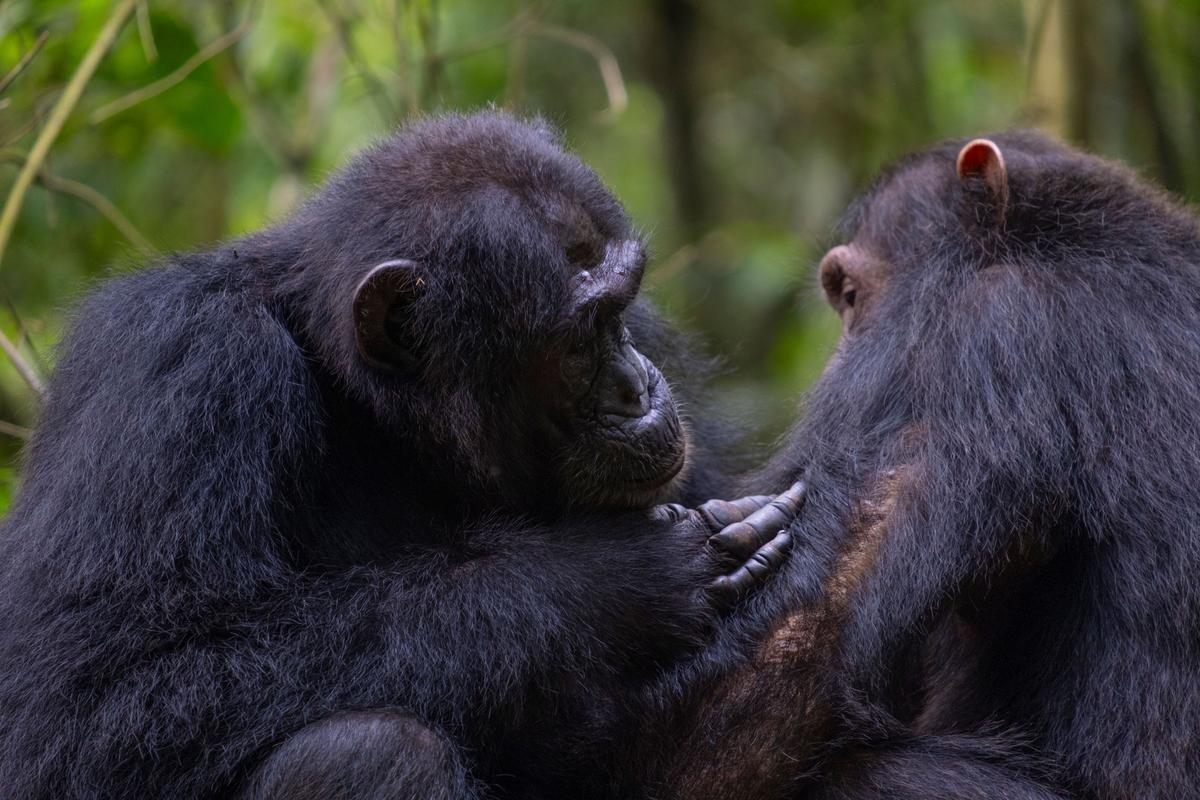
Scientists have long known that chimpanzees sometimes use leaves or insects as medicine. Now, researchers studying chimpanzees in Uganda have discovered that the animals will sometimes provide "first aid" to each other. This suggests that chimpanzees may be able to think about how to help others, as well as themselves.
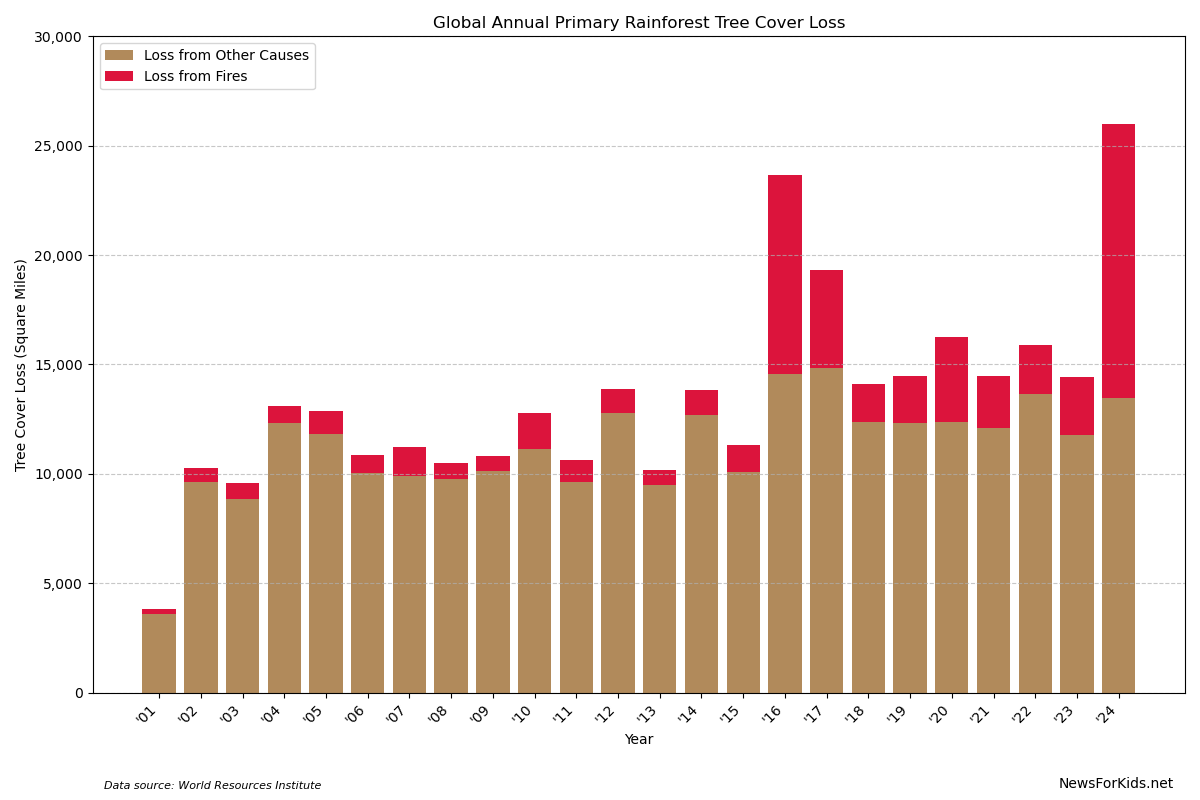
Last year, the world lost more forests than ever before. The biggest cause of this loss was fires. Land clearing for farming and other human activities was also a major cause. The results are very worrying for the planet, which relies on forests to help fight climate change.