
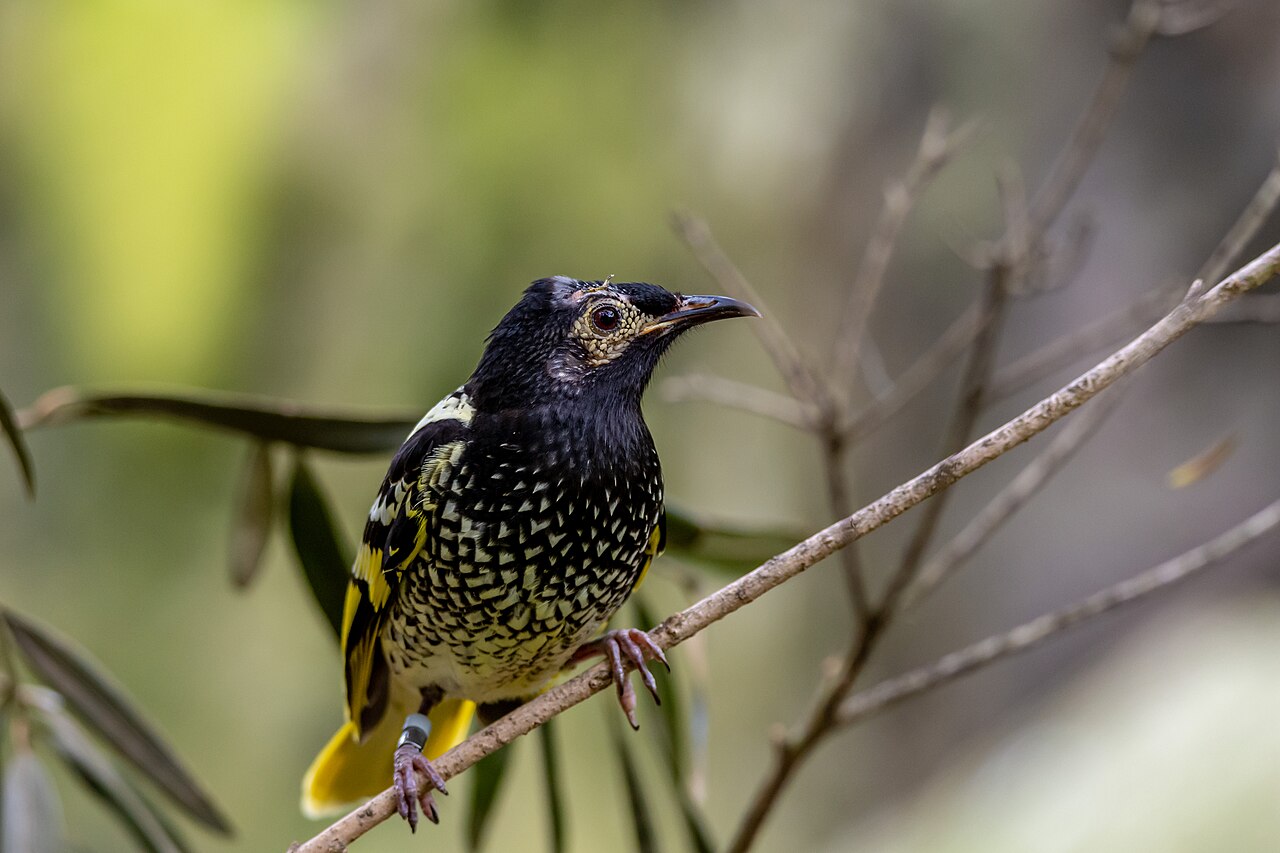
Regent honeyeaters are beautiful black and yellow birds found in southeastern Australia. There used to be huge flocks of them, but now they're in danger of dying out. But scientists may have found a way to help the birds survive – by getting older birds to teach younger birds how to sing.
Posts tagged as “endangered animals”
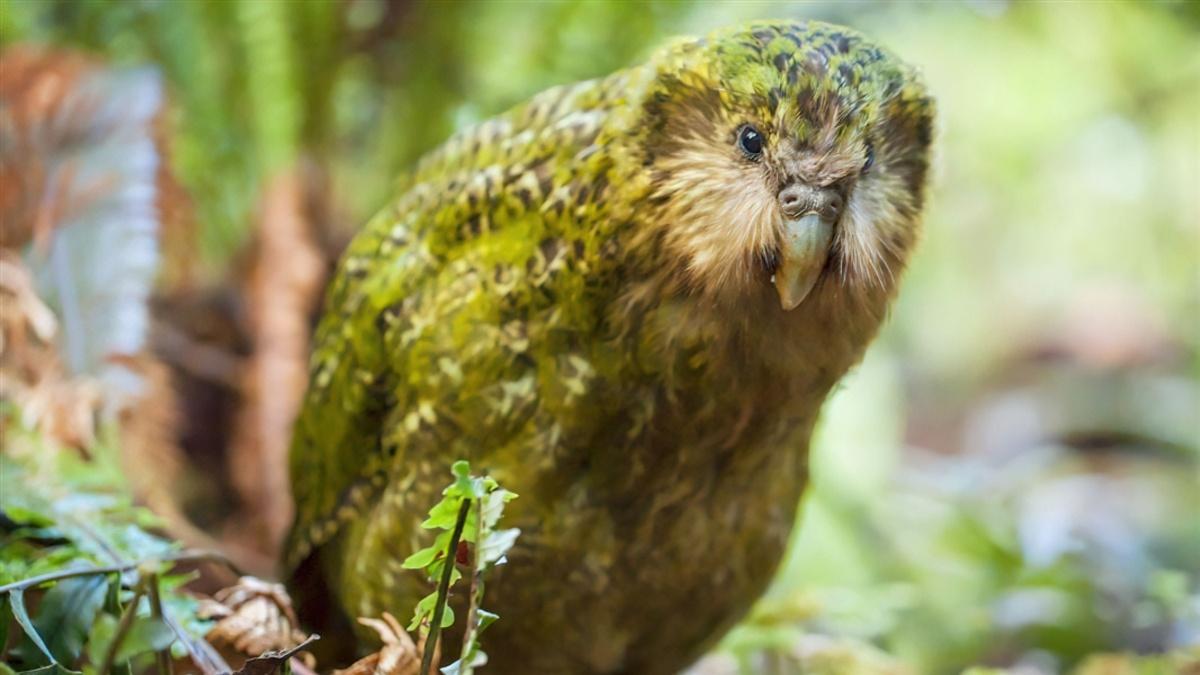
New Zealand's kakapos are some of the strangest birds in the world. They're heavy, flightless parrots that are only active at night. And they're endangered. Now, thanks to efforts to protect them, kakapos may be bouncing back. Scientists are expecting a record number of kakapo chicks to be born this year.
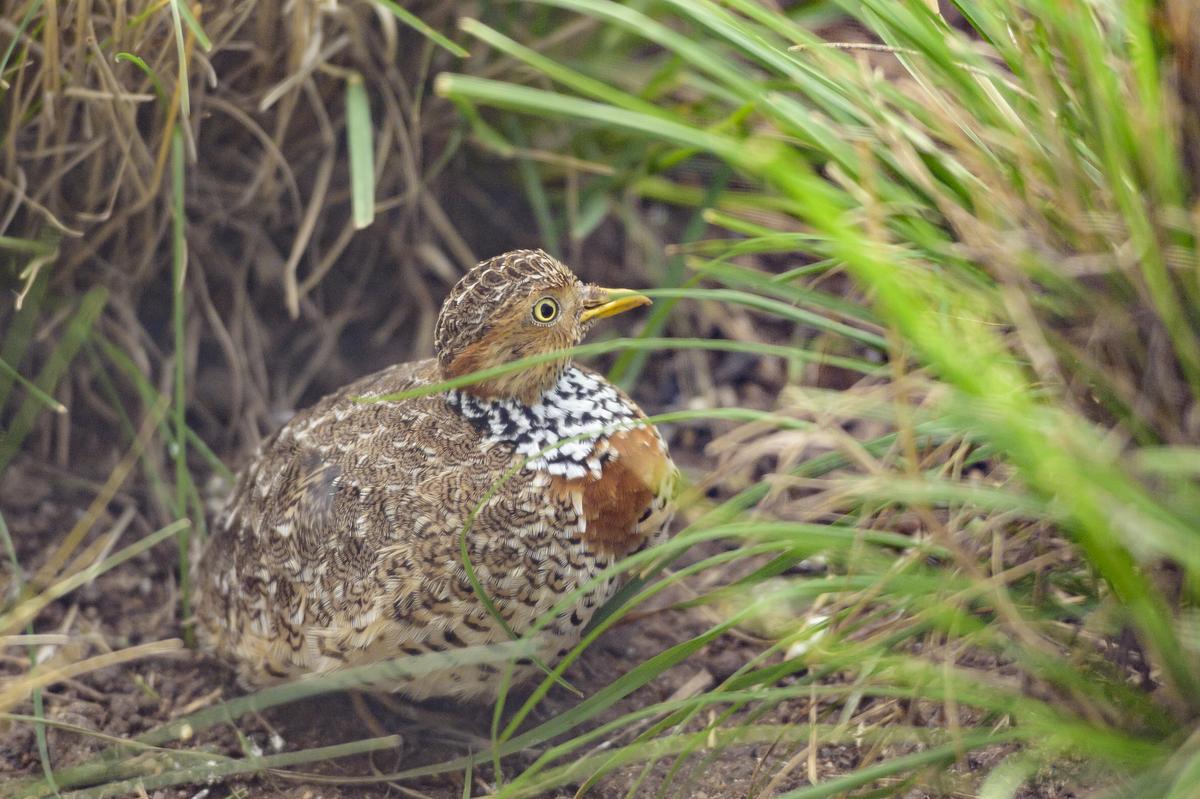
Scientists in Australia have used Artificial Intelligence (AI) to help them locate a rare bird called the Plains-wanderer. This new information will help scientists protect the birds, which are endangered.
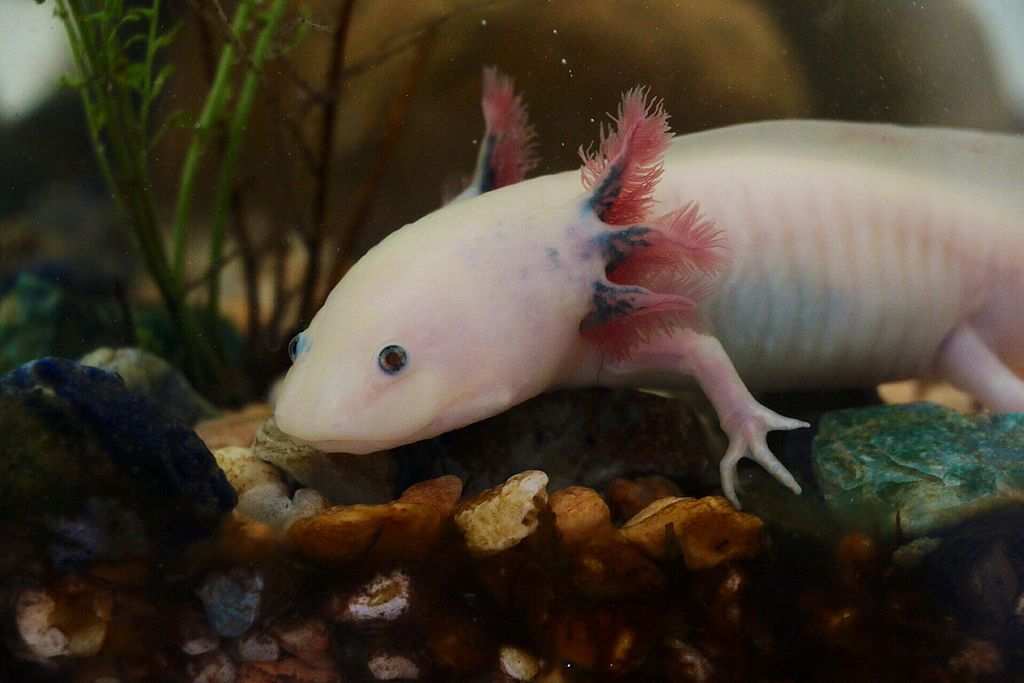
Scientists are worried about the future of the axolotl, an unusual Mexican salamander, and they're asking for help. A new program lets people "adopt" an axolotl to raise money to support efforts to save the endangered animal.
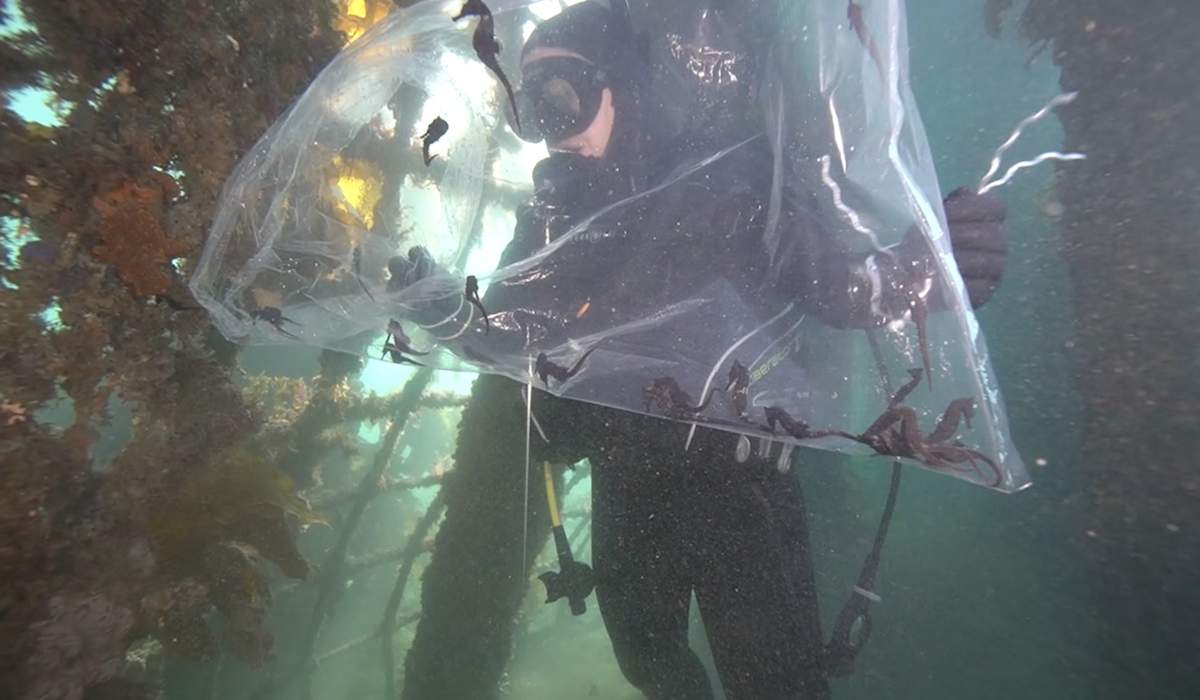
In a world-record effort to help save a rare sea creature, Australian scientists have released hundreds of baby seahorses into the wild. The tiny seahorses are endangered, and the scientists hope the new seahorses will help their numbers grow.

A tiny mouse at the San Diego Zoo has set a new world record for the oldest known living mouse. The mouse, named Pat, turned nine years and 209 days old last Wednesday.
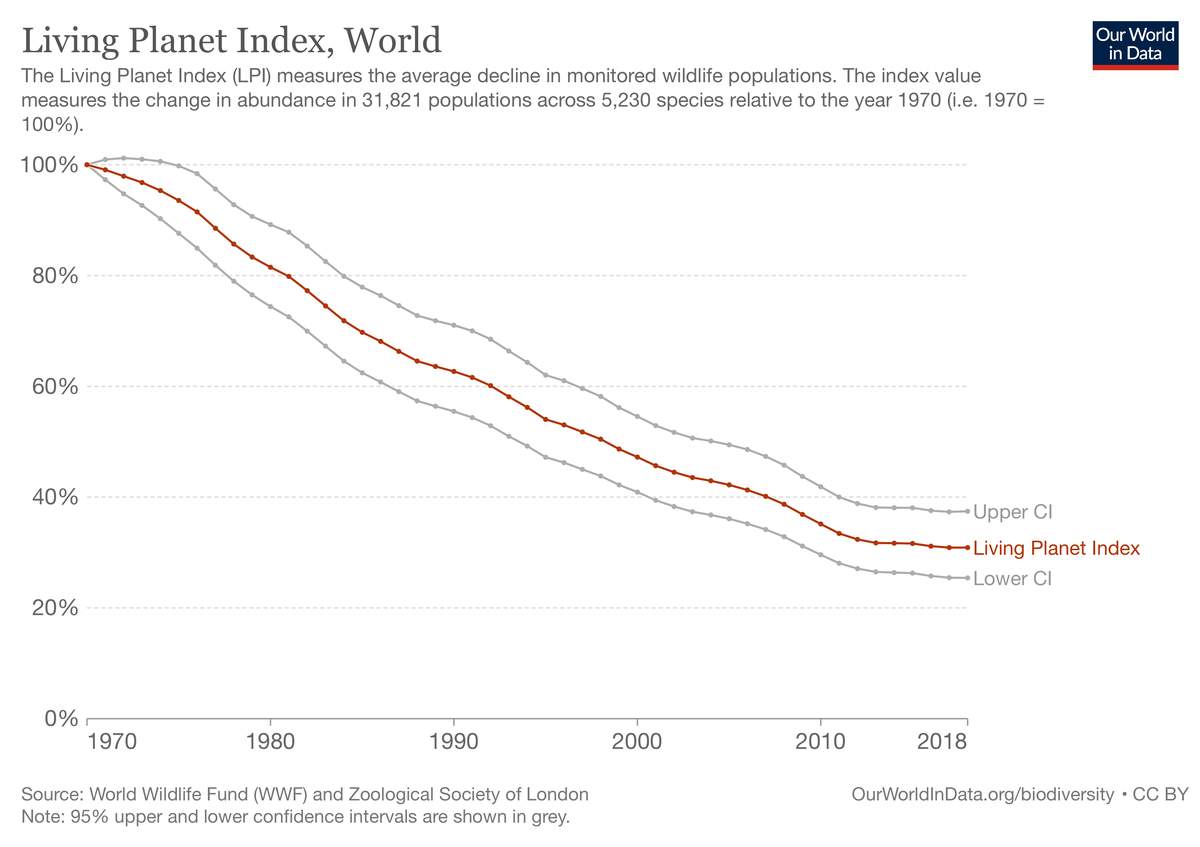
A recent report by the World Wildlife Fund and the Zoological Society of London shows that, on average, wildlife numbers have dropped sharply since 1970. The main cause of the drop is human activity. The report is alarming, but there are some signs of hope.
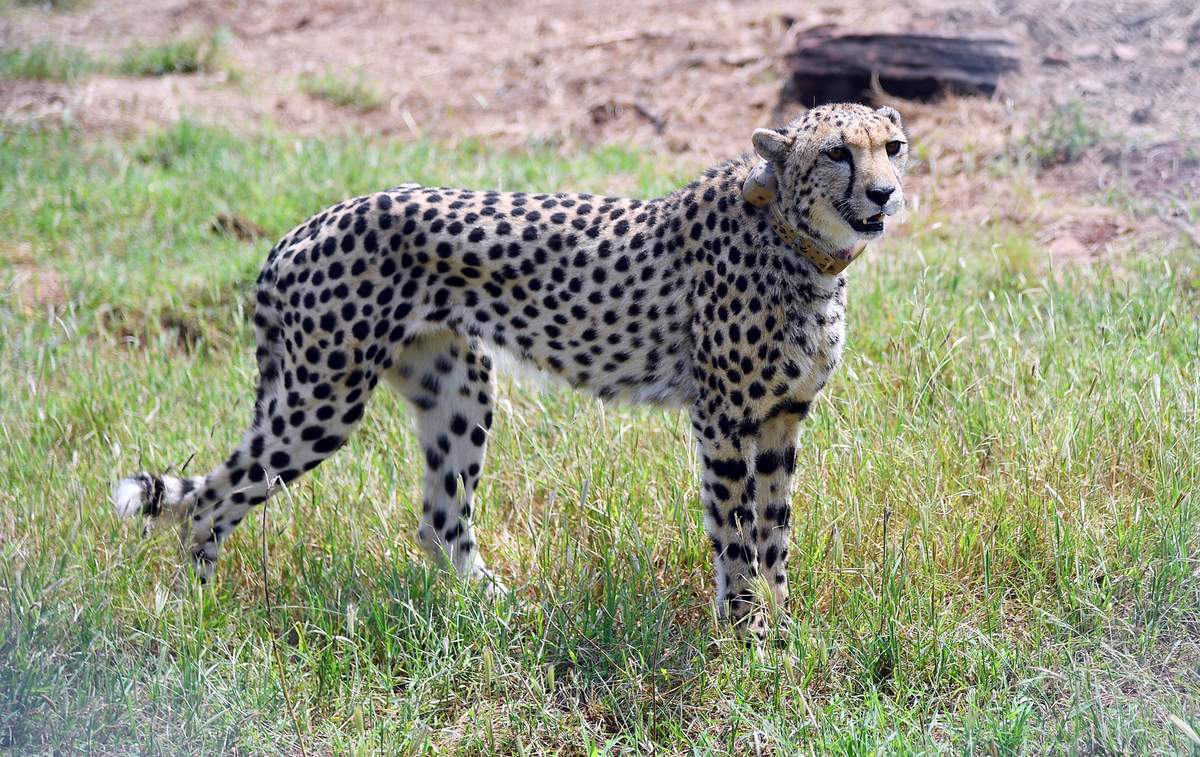
Cheetahs, the world's fastest animals, died out in India over 70 years ago. Now a new project is trying to bring cheetahs back to India. Eight of the animals were turned loose in Kuno National Park last week.
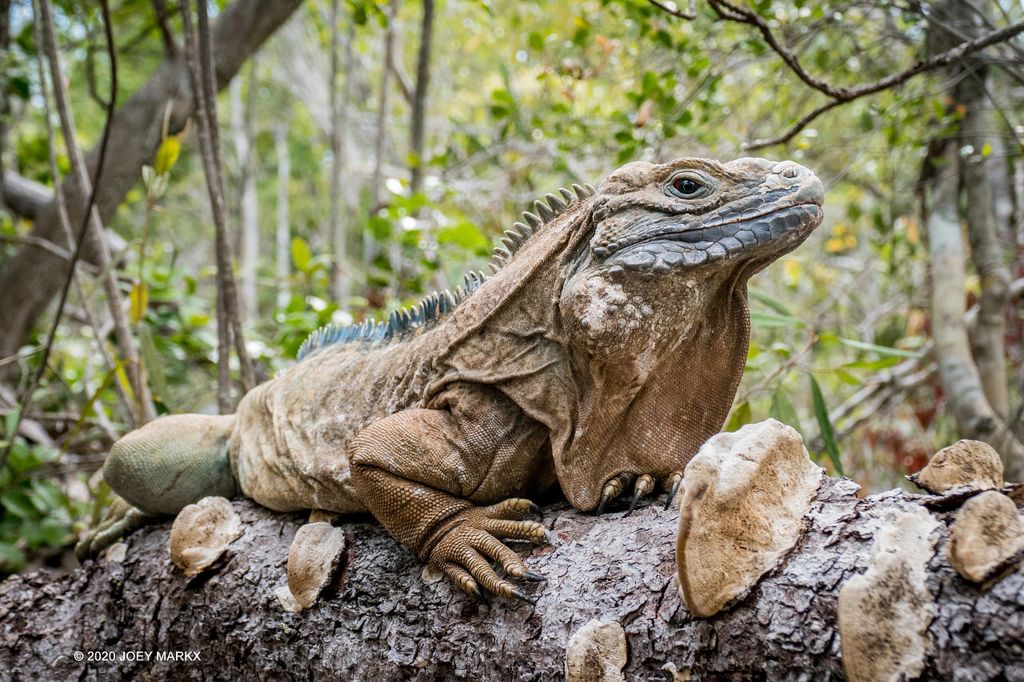
A recent scientific report says that more than one-fifth of the world's reptiles are at risk of dying out. The main threat to reptiles is the loss of their natural homes, as humans take over more and more natural areas.
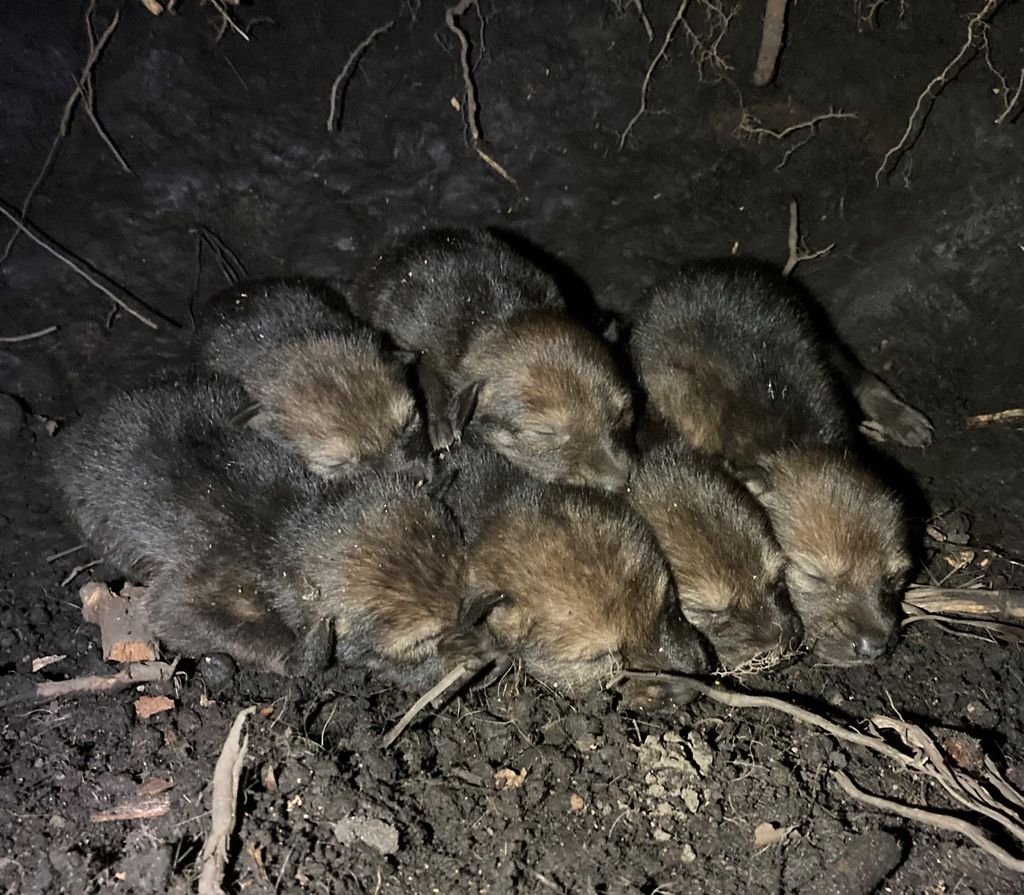
Last Thursday, the US Fish and Wildlife Service announced that six red wolf pups had been born in the wild. That's great news for endangered red wolves, and marks the first time these pups have been born in the wild since 2018.
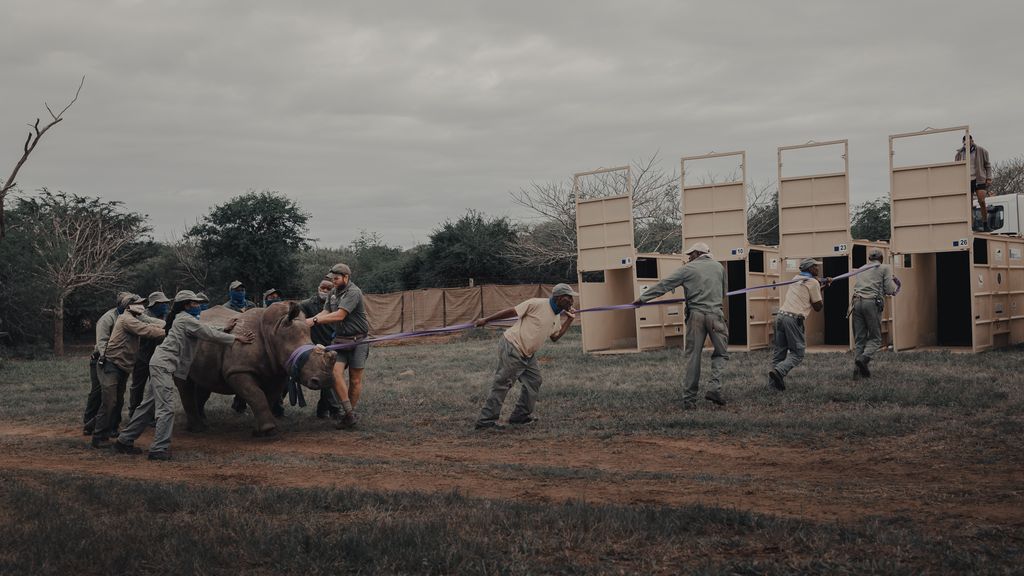
Last Saturday, 30 white rhinos were loaded into an airplane in South Africa and flown to their new home in Rwanda. The organizers of the move hope the rhinos will be able to settle in the new area, and that their numbers will grow.