
The Hague, Netherlands —(Map)
Last Wednesday, the United Nations’ highest court ruled that countries must protect people from the “urgent” threat of the climate crisis. The court said countries which don’t take steps to fight global warming might have to pay for the damage they’ve done. The court’s opinion could lead to more lawsuits over the climate crisis.
In the 2015 Paris agreement, the countries of the world agreed to cut pollution to try to limit global warming to 1.5º Celsius (2.7° Fahrenheit). Scientists say the world needs to meet this limit to avoid the worst effects of the climate emergency.
For years, poorer countries have been asking richer countries to take stronger steps to cut fossil fuel emissions. Richer countries are responsible for most of the pollution that has caused global warming, but poorer countries are often hit hardest by the effects of the climate crisis. Despite years of warnings, many countries have not followed through on their promises.
(Source: International Court of Justice .)
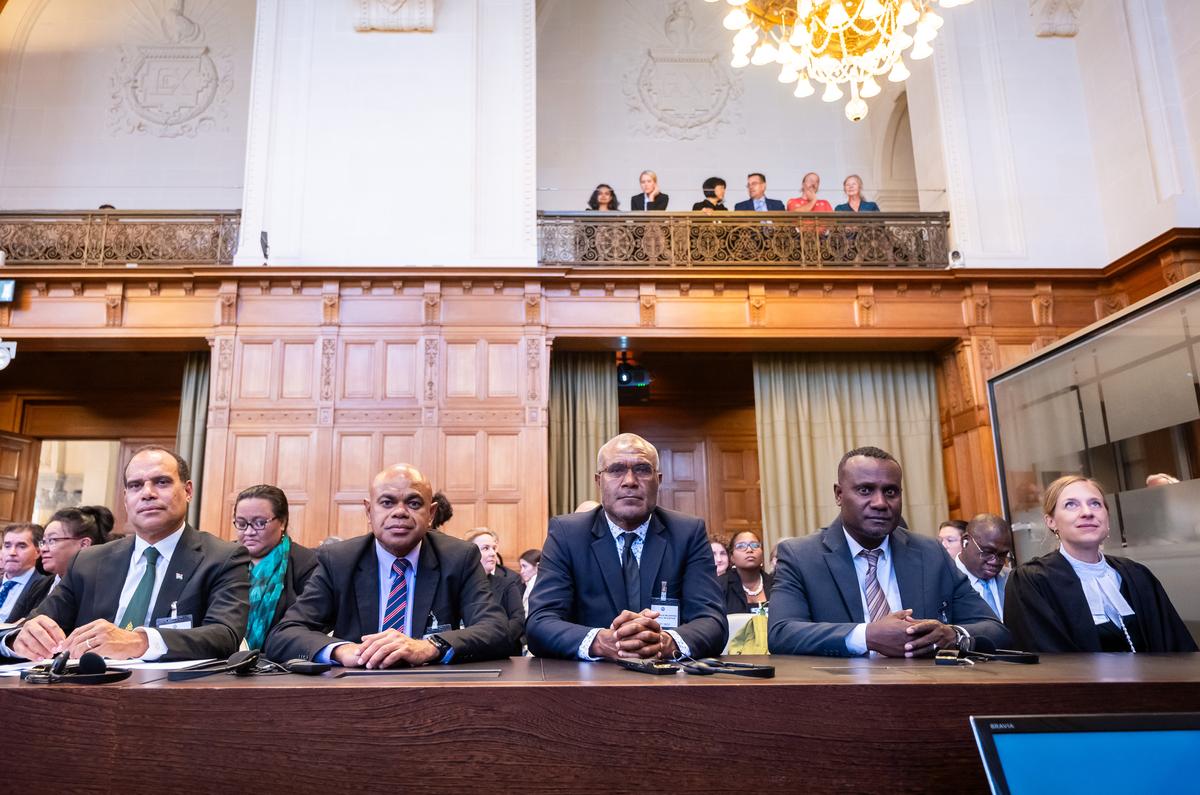
The idea for the court action first came from a group of law students from islands in the South Pacific. They were supported by Vanuatu, a small island nation that, like many others, is struggling to adjust to rising sea levels and other effects of climate change. After years of effort, the group persuaded UN’s General Assembly to ask its highest court to give an opinion on two important questions related to the climate crisis:
- What does the law require countries to do to protect the climate?
- What happens if countries don’t do what they are supposed to do?
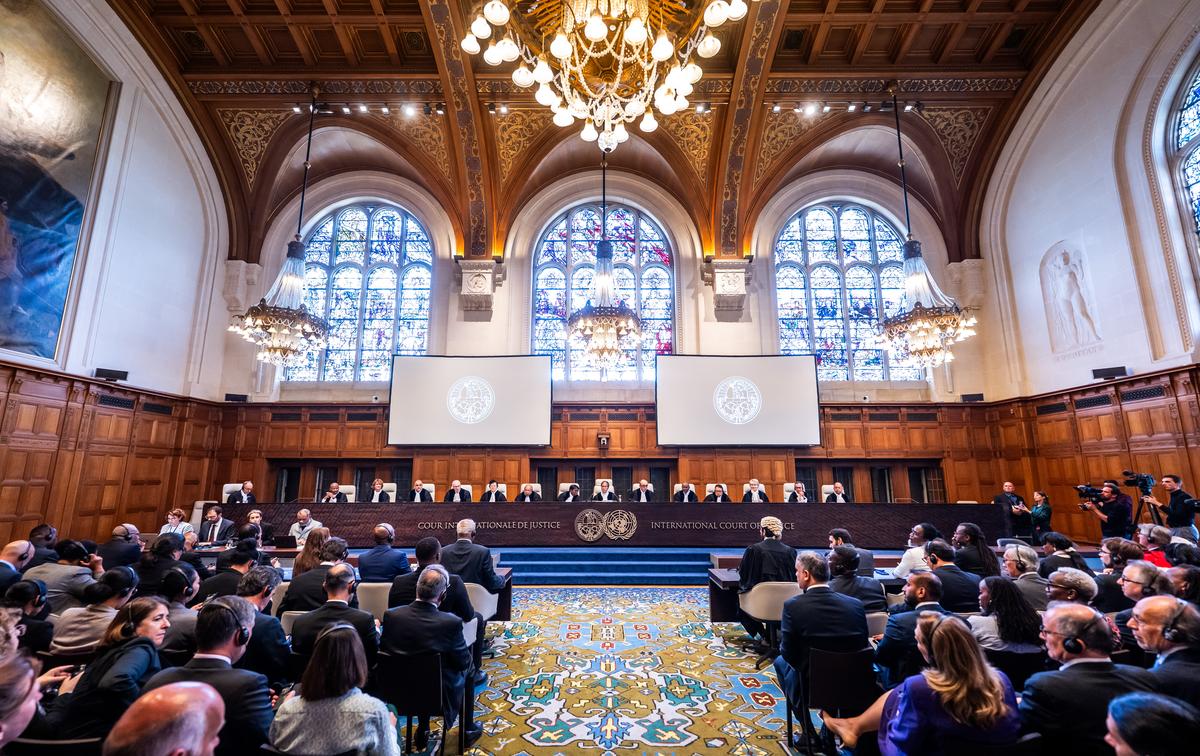
The UN’s International Court of Justice listened to two weeks of arguments last December. The judges heard from over 100 different countries and groups that wanted to share their ideas with the court.
(Source: International Court of Justice .)
Last Wednesday, the court released a strongly-worded opinion, which surprised many people. The opinion was read by court president, Judge Iwasawa Yuji, but all 15 of the court’s judges agreed with the opinion.
The court found that the right to a “clean, healthy and sustainable environment” is a human right. Judge Iwasawa said that climate change threatens “all forms of life”.
The opinion said that countries are required by law to take action against climate change, and that not doing so was a “wrongful act”. The court said that any country that didn’t fight climate change could be forced to pay for the damage its actions caused in other countries.
😕
This image has not been loaded because of your cookie choices. To view the content, you can accept 'Non-necessary' cookies.
The opinion said that countries are required by law to take action against climate change, and that not doing so was a “wrongful act”. The opinion was read by court president, Judge Iwasawa Yuji (above, center), but all 15 of the court’s judges agreed.
The court’s opinion isn’t like a law, and countries aren’t required to follow what it says. But the opinion gives a strong boost to any countries or groups that are hoping to use the courts as a way of making governments take stronger climate action. One expert reports that there are currently over 3,000 climate lawsuits worldwide. The court’s opinion could lead to even more lawsuits.
It’s not clear what steps could actually force governments to take stronger climate action. Currently, the world’s emissions are continuing to rise. And despite clear and dangerous changes in weather patterns caused by climate change, many Western countries are still promoting fossil fuels.
Did You Know…?
The court opinion could wind up heavily affecting the US. The US government, under President Donald Trump, has pulled out of the Paris Agreement. The government has cut support for renewable energy, and is actively promoting fossil fuels. Mr. Trump’s government has also cut scientific programs aimed at measuring and dealing with the climate crisis.
😕
This map has not been loaded because of your cookie choices. To view the content, you can accept 'Non-necessary' cookies.