
Maui & Kauai, Hawaii —(Map)
Birds, Not Mosquitoes (BNM) is a collection of different groups working to protect Hawaii’s native birds. The biggest concerns for these birds is avian malaria, which is spread by mosquitoes. Now BNM has started using drones to drop containers of specially treated male mosquitoes, hoping to lower the numbers of mosquitoes threatening the birds.
Hawaii is home to many unique birds, including a group known as honeycreepers. There used to be over 50 different species of honeycreepers. Now, only 17 species are left – and these are at great risk. There are only a few individual birds of the ‘akikiki left in the wild – and fewer than 100 of the ʻakekeʻe.
There are several threats to these birds. But the biggest one is a disease called avian malaria. Avian malaria is similar to the malaria that humans get, but it only affects birds. The disease is spread by mosquitoes.
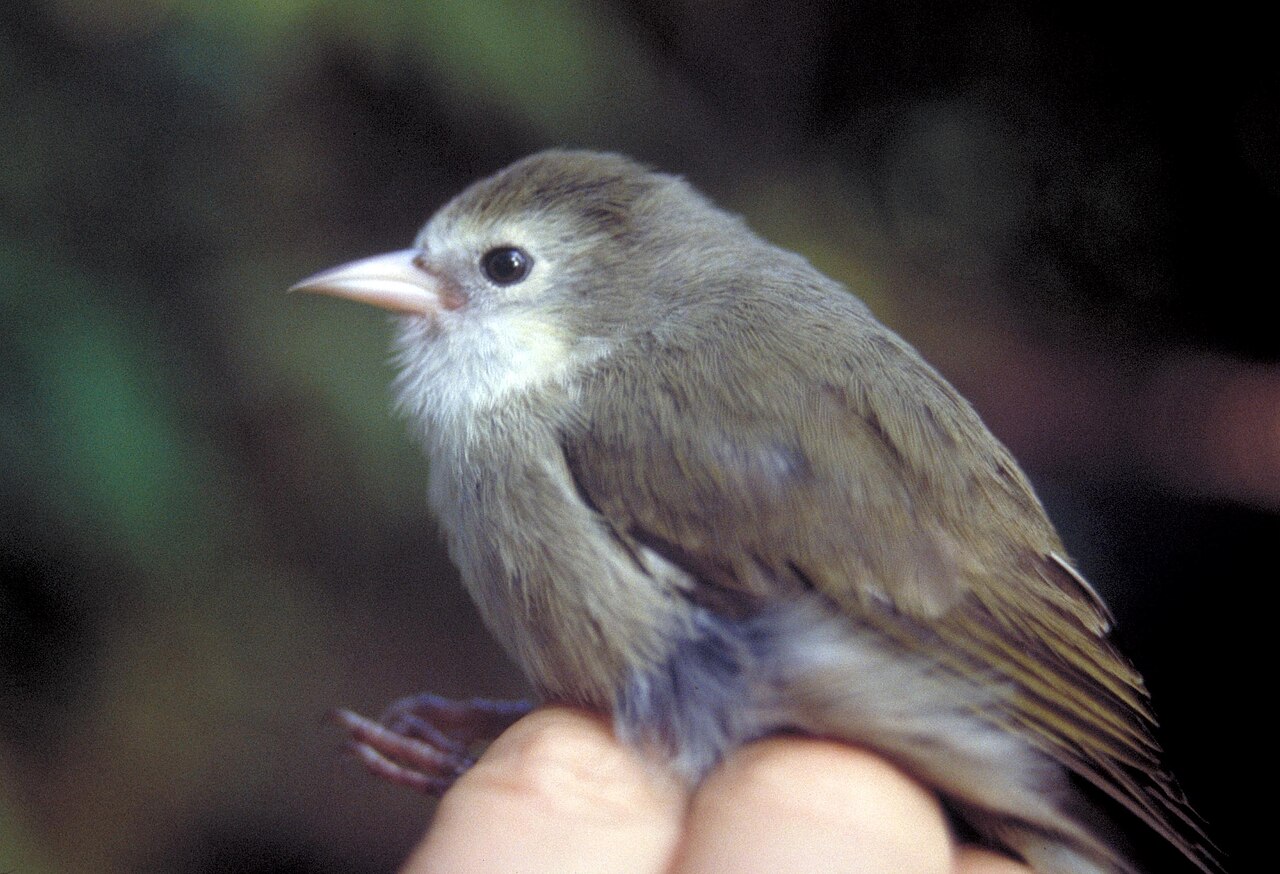
(Source: Carter Atkinson, USGS [Public domain], via Wikimedia Commons.)
Before the 1800s, there were no mosquitoes in Hawaii. But once they arrived, birds had no protection from their bites. Some birds moved higher into Hawaii’s mountains, where it was too cool for mosquitoes. But as the climate has warmed, the insects are even reaching these areas.
In 2016, BNM, along with the American Bird Conservancy and other partners, began a program to lower the numbers of mosquitoes – by releasing more mosquitoes.
That may sound like a bad plan, but there are a couple of tricks involved. First off, they are only releasing male mosquitoes, which don’t bite. Secondly, the mosquitoes they are letting go have been specially treated so that they carry a bacteria called Wolbachia.
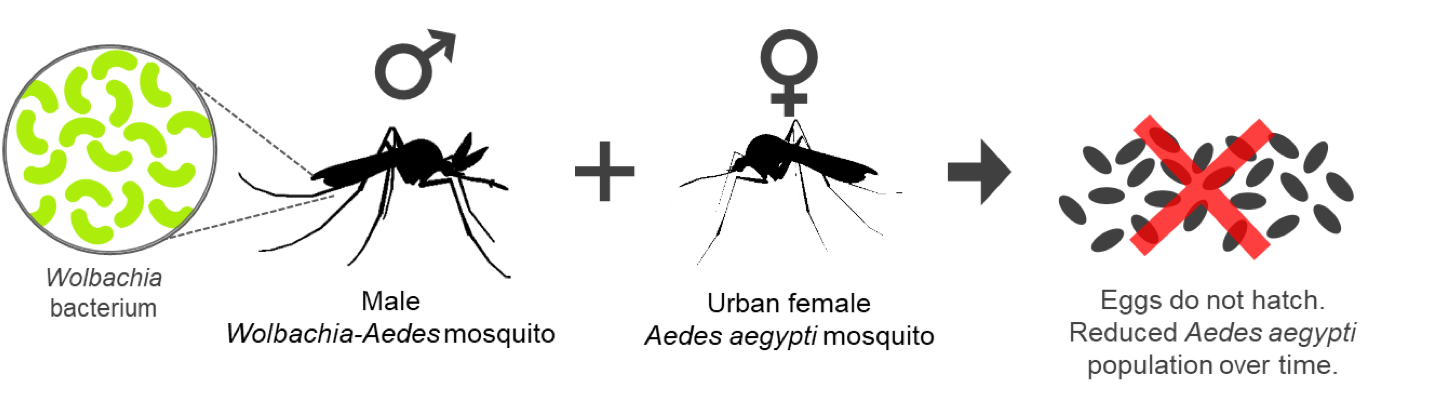
(Source: National Environment Agency of Singapore.)
Wolbachia doesn’t hurt the mosquitoes, but when male mosquitoes with Wolbachia mate with female mosquitoes, the female’s eggs will never hatch. By releasing huge numbers of specially treated males, the group hopes more and more female mosquitoes will lay eggs that don’t hatch. In time, this should bring mosquito numbers down.
But it’s not easy. The birds that need protection are spread out over large areas in the mountains of different Hawaiian islands.
In 2023, the group began using helicopters to release the mosquitoes. The helicopters drop small paper pods (containers), each with around 1,000 male mosquitoes. The pods fall to the ground, where the mosquitoes are released. The helicopters release about 500,000 male mosquitoes every week to remote forests on two different islands.
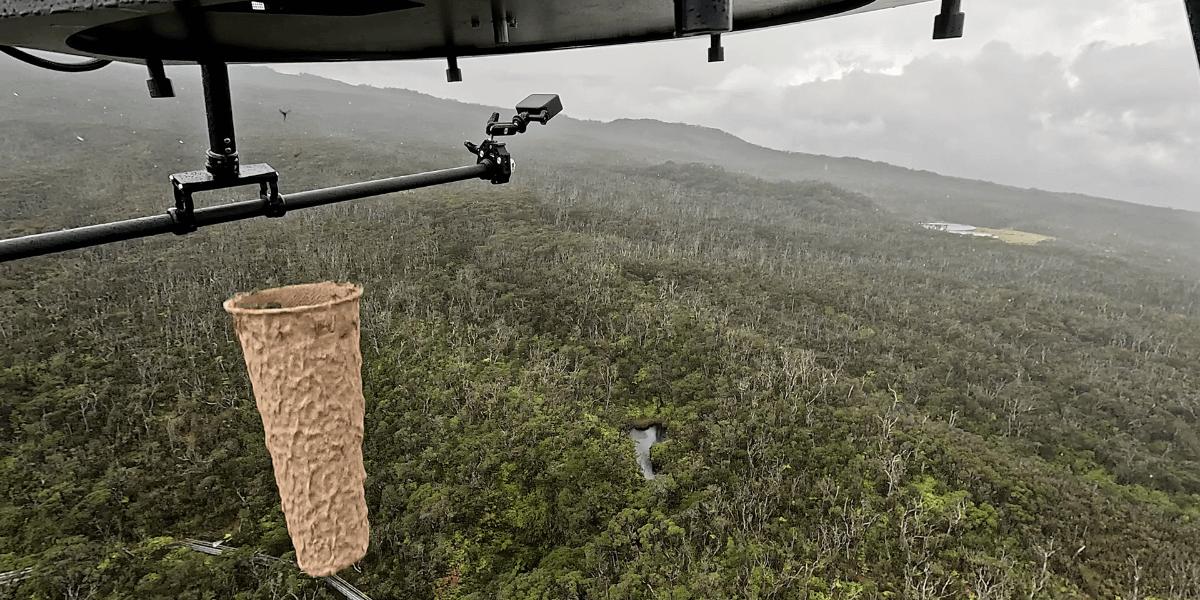
(Source: Adam Knox, via American Bird Conservancy.)
But helicopters are expensive, and they’re also a risk for the pilot and passengers. So now, the group is testing the use of drones to deliver mosquito pods. Drones can reach remote areas safely, and more cheaply than helicopters.
But there were challenges. First, the group needed to figure out how to control the temperature of the pods so that the mosquitoes could survive the trip. They also needed to figure out how to carry and release the pods.
The drones delivered their first mosquitoes in April. Once the tests are complete, the group plans to use the drones regularly. They hope the program will give Hawaii’s birds a chance to recover.
Did You Know…?
The pods that the program is using are made of a special paper that breaks down naturally on the forest floor.
😕
This map has not been loaded because of your cookie choices. To view the content, you can accept 'Non-necessary' cookies.