
Doctors at a hospital in New York have begun a program that will test whether specially designed pig kidneys can be used to replace human kidneys. The results of the trial program could help thousands of people who are waiting for a new kidney.
Kidneys are two bean-shaped organs that help keep the body’s systems in balance. Kidneys help clean the blood, removing unneeded material through urine (pee).
Transplanted Organs
Human life depends on healthy kidneys, just like it depends on other healthy organs like the heart, lungs, or liver. One way to help a patient who has serious trouble with an organ is to replace the organ with a healthy one. This is called a “transplant”.
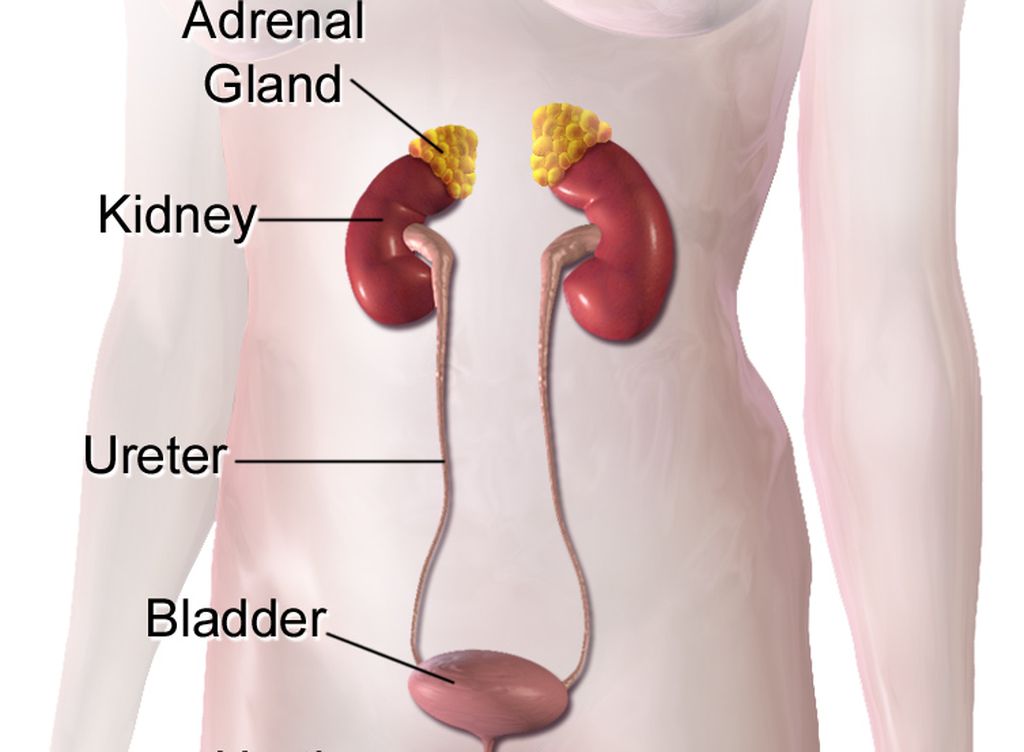
(Source: BruceBlaus [CC BY-SA 4.0], via Wikimedia Commons.)
Transplanted organs usually come from people who have died, but who wanted their organs to be used to help other people live. But there are far more patients with kidney trouble than there are kidneys. Currently, around 100,000 people are waiting for kidney transplants in the United States alone.
People with serious kidney trouble who can’t get a transplant need dialysis to survive. Dialysis involves using a machine to clean the blood. The process is difficult and unpleasant, and must be done often.
For years, scientists have tried to figure out how to transplant organs from other animals into humans. This is hard because the human body almost always rejects (doesn’t accept) something that isn’t its own. More recently, scientists have focused on transplants from pigs. In many ways, pigs’ bodies are similar to humans. It’s fairly easy to raise pigs, and they grow quickly.

(Source: Joe Carrotta NYU Langone Health.)
To prevent pig organs from being rejected by the patient’s body, scientists have been experimenting with “gene editing” to change the pig’s DNA. Scientists have made several changes to the pig’s DNA, and even added some things normally found in human DNA. Some kidneys have come from pigs with as many as 69 changes to their DNA.
In the last few years, these methods have led to greatly improved results. Early pig transplants were successful, but only for a short time. But in 2024, a woman lived with a pig kidney for over four months before going on dialysis again.
Tim Andrews is a 67-year-old man from New Hampshire. In October, he set a new record by living with a pig kidney for nearly nine months before going back on dialysis. Mr. Andrews is still waiting for a human transplant, but his long success with a pig kidney has encouraged many people.

(Source: Kate Flock / Mass General Hospital.)
Now, a company called United Therapeutics has begun a government-approved test of pig kidney transplants. The trial will begin with six patients, but in time, it could involve as many as 50.
The first transplant of the trial was announced in early November. The successful surgery was performed at NYU Langone Health. Another company, called eGenesis, is expected to begin a separate trial soon.
The pig transplant trial program could help scientists answer a lot of questions. It will provide new information about the safety – as well as the challenges – of the process. It will also teach them about which gene edits work best. Most importantly, it could help them discover how to help patients live longer with pig transplants.
The doctors, scientists, and companies involved see the trials as an important step toward helping the tens of thousands of people who are waiting for transplants.