
Canberra, Australia —(Map)
Starting today, children under 16 in Australia will no longer be allowed to have accounts on many popular social media apps. Australia is the first country to take this step. The new law aims to protect children, but it has upset social media companies, as well as many teens.
The new rule is meant to protect kids from the dangers of social media. Social media can be a source of pressure and stress, especially for young people. Many people have serious concerns about how social media can affect young people’s mental health.
Australia’s prime minister, Anthony Albanese, says, “Young people need the space to be able to grow up.” He believes the law will help keep children safe online. Not everyone agrees.
😕
This image has not been loaded because of your cookie choices. To view the content, you can accept 'Non-necessary' cookies.
Starting today, children under 16 in Australia will no longer be allowed to have accounts on many popular social media apps. Australia’s prime minister, Anthony Albanese, shown above speaking in Parliament in November, believes the law will help keep children safe online. Not everyone agrees.
Under the new rules, social media companies like Snapchat, Facebook, TikTok, and YouTube* must block anyone under 16 from having accounts on their apps. The companies are responsible for making sure that users are 16 years old or older, though it’s not clear how the companies will do this.
Though many people are calling the new law a “ban“, those under 16 are still allowed to use these apps – they’re just not allowed to have accounts. Some social media companies say this will make young users less safe. That’s because some services have built-in protections for young account holders.
The government sees the rule as a way to delay kids from developing habits around social media. They hope that by making it harder for kids to join social media services until they are older, fewer will be affected by its negative effects.
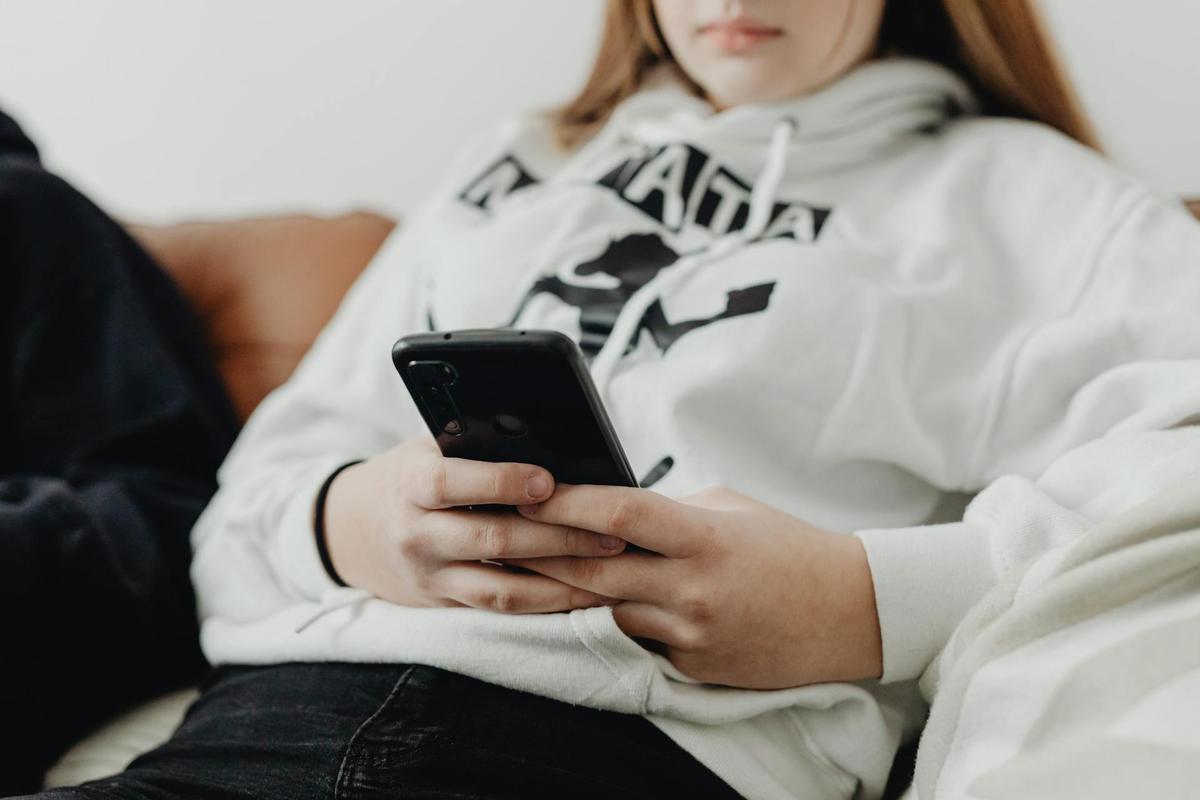
(Source: Karola G, via Pexels.)
But many people disagree. Critics say the law will cut teens off from their friends and support groups online. Some people say that instead of banning kids, it’s better to help them learn to use social media safely.
Other people believe Australia’s plan is simply not well-thought-out. They believe that even if social media can be harmful to young people, the government’s solution isn’t the right way to solve the problem..
One big question is how the companies will figure out who’s old enough and who’s not. Some critics say that since kids can easily lie about their age, the new law won’t stop them from using social media. Many people are also concerned about privacy, since the new law might end up forcing adult users to give social media companies more information about themselves.
😕
This image has not been loaded because of your cookie choices. To view the content, you can accept 'Non-necessary' cookies.
One big question is how the companies will figure out who’s old enough and who’s not. Some critics say that since kids can easily lie about their age, the new law won’t stop them from using social media. Above, a 13-year-old shows a message from Snapchat about his locked account.
Two 15-year-old Australians are working with a group called Digital Freedom Project to sue the Australian government over the law. They say the law limits their freedom to communicate.
The rules of the new law officially start today, December 10. But some social media companies began blocking accounts of users under 16 last week. Other companies may take longer to adjust their systems. Those that fail to block younger users could face big fines.
Australia’s efforts are being watched closely in other parts of the world. Some places, like Malaysia and Indonesia, are already thinking about similar rules. In Europe, several countries are testing a system meant to check if users are over 18.
* The 10 services currently targeted by the law are: Facebook, Instagram, Snapchat, Threads, TikTok, X, YouTube, Reddit, and the streaming services Kick and Twitch.
😕
This map has not been loaded because of your cookie choices. To view the content, you can accept 'Non-necessary' cookies.