
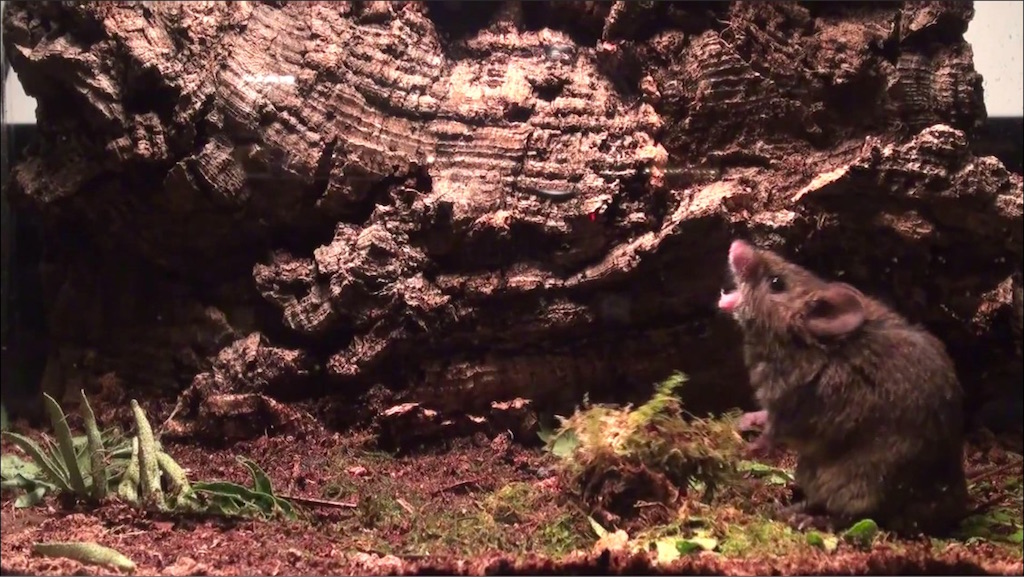
Two different groups of scientists are looking at the way mice talk to each other, but they are doing this in very different ways. Both sets of scientists are learning amazing new information about mice.
Published in “Science”

Last year, French and Australian scientists learned that bees could understand the idea of "zero". Now the same scientists have discovered that bees can add and subtract.

For years Katherine Johnson worked at NASA, doing math that saved lives. It took a long time for her work to get much attention. Now NASA has named two buildings for her.
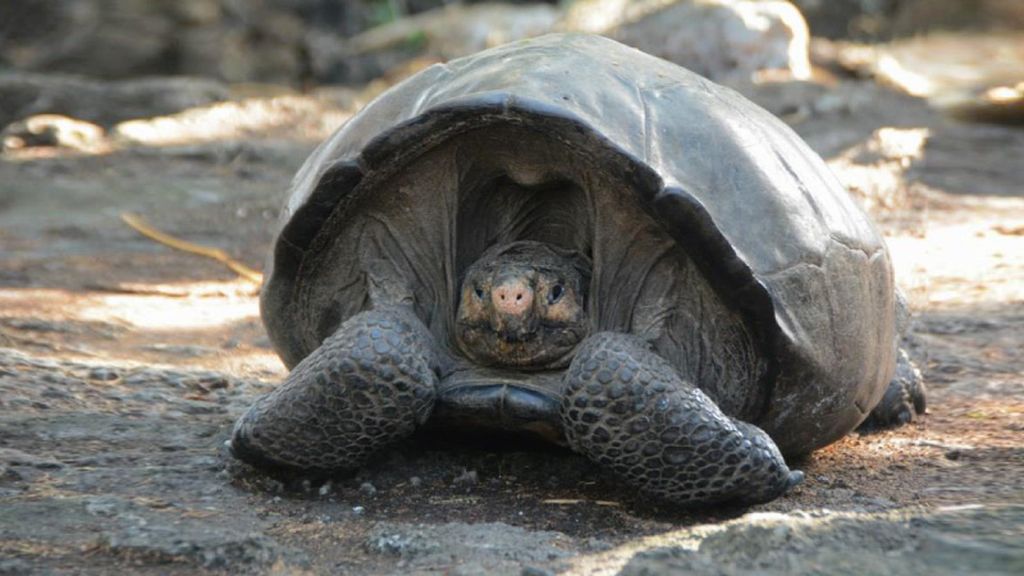
In recent weeks scientists have found two very different animals that have not been seen in dozens of years - a very rare tortoise and the world's largest bee.

As electronic devices get smaller and more complicated, it can be hard to know exactly when something is looking at you or listening to you. Two recent news stories help make that point.
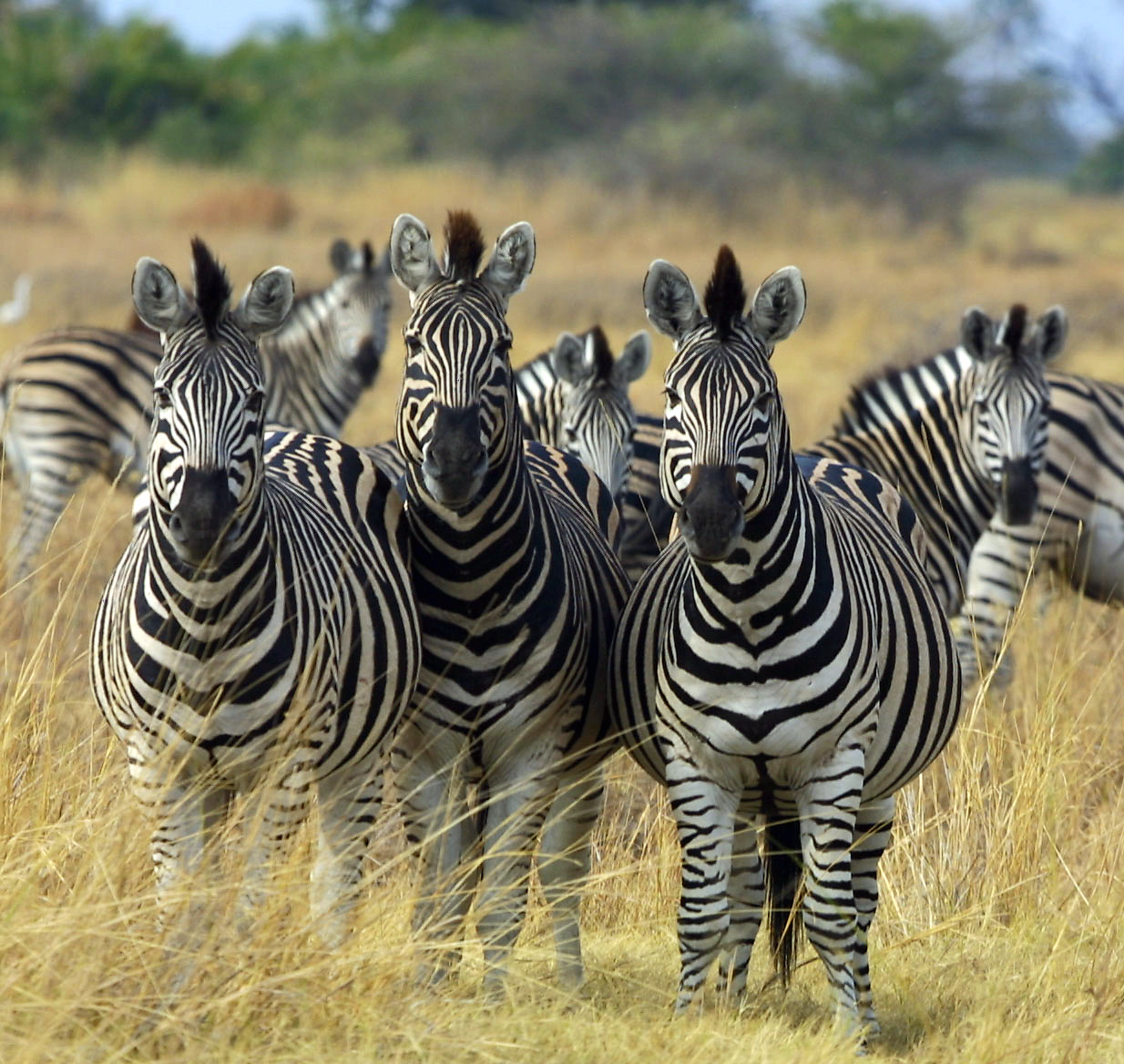
Scientists have long wondered why zebras have stripes. A recent study seems to show an unexpected reason - to confuse flies so that it's hard for them to land.

Scientists are reporting that the world's insects are dying out eight times faster than most other animals. They warn that the loss of these insects will cause big problems for all life on earth.
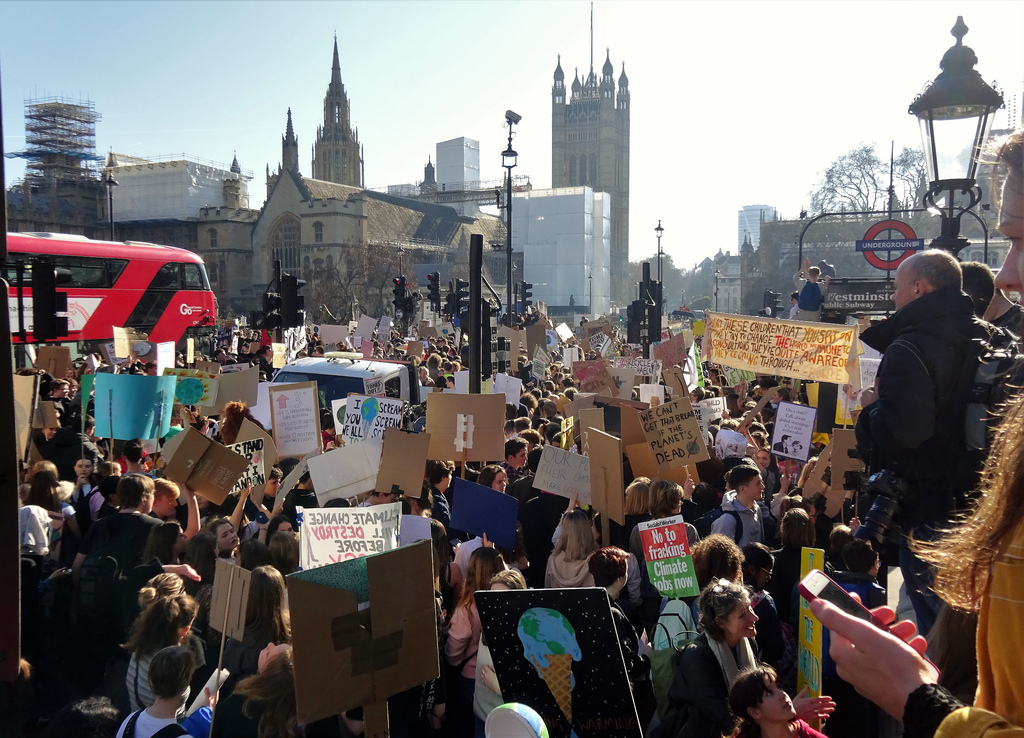
Over 10,000 students across the United Kingdom (UK) skipped school on Friday to take part in a massive protest. The students want their government to take action on climate change.

As smartwatches become more popular around the world, governments and other groups are warning that many smartwatches for children are unsafe.

Four years ago, a brand new island rose up out of the south Pacific Ocean near Tonga. Now scientists have visited the island and made some new discoveries.
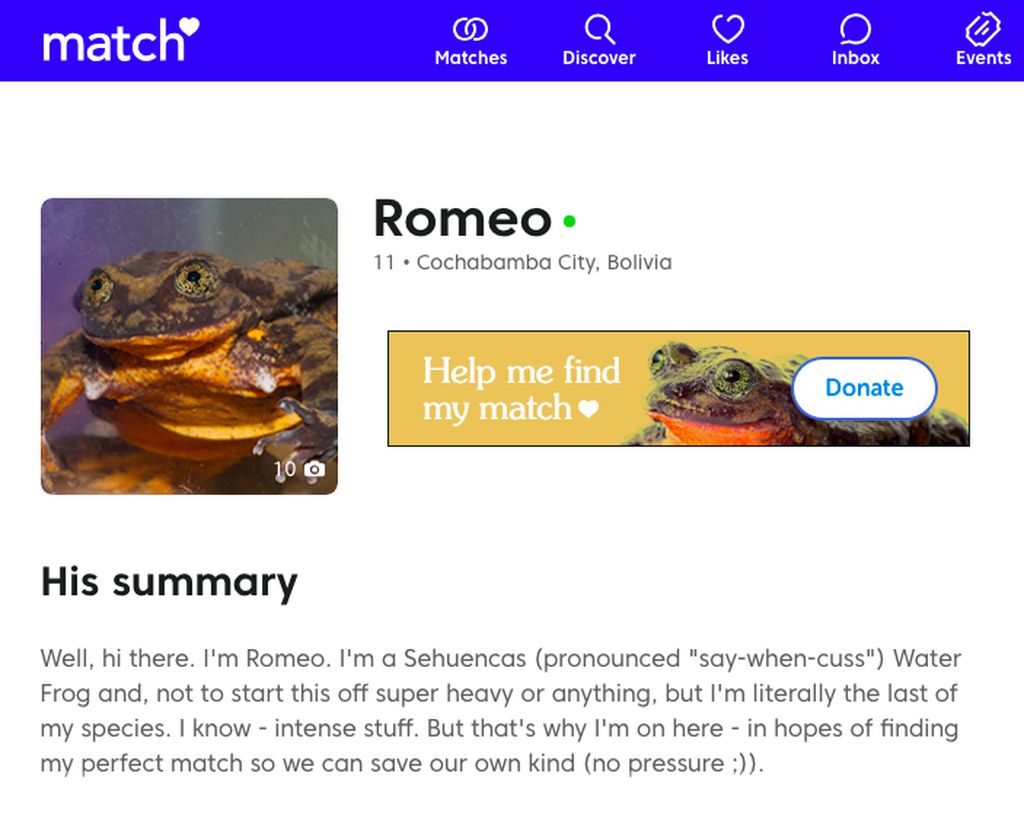
Humans are not the only ones who use dating sites and apps to find a mate. Frogs and cows are also finding partners through creative use of technology.