
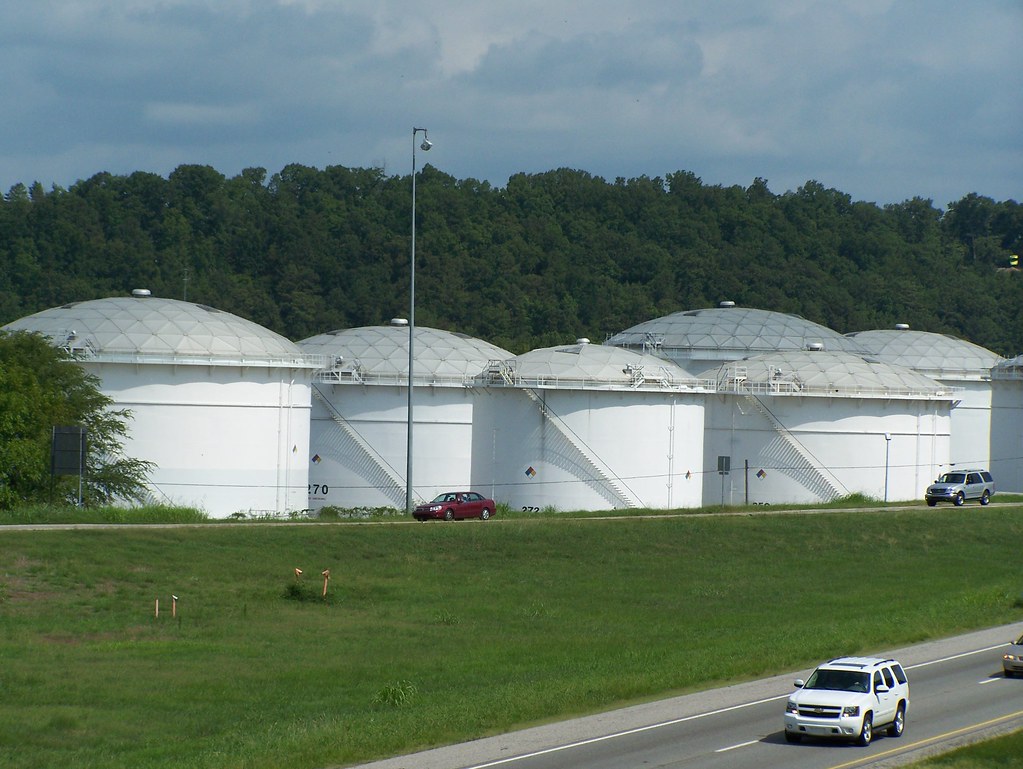
A computer attack has forced one of the largest oil pipelines in the United States to shut down. Colonial Pipeline, which provides 45% of the gasoline and other fuels used by the US East Coast, shut down on Friday following the attack.
Published in “Technology”
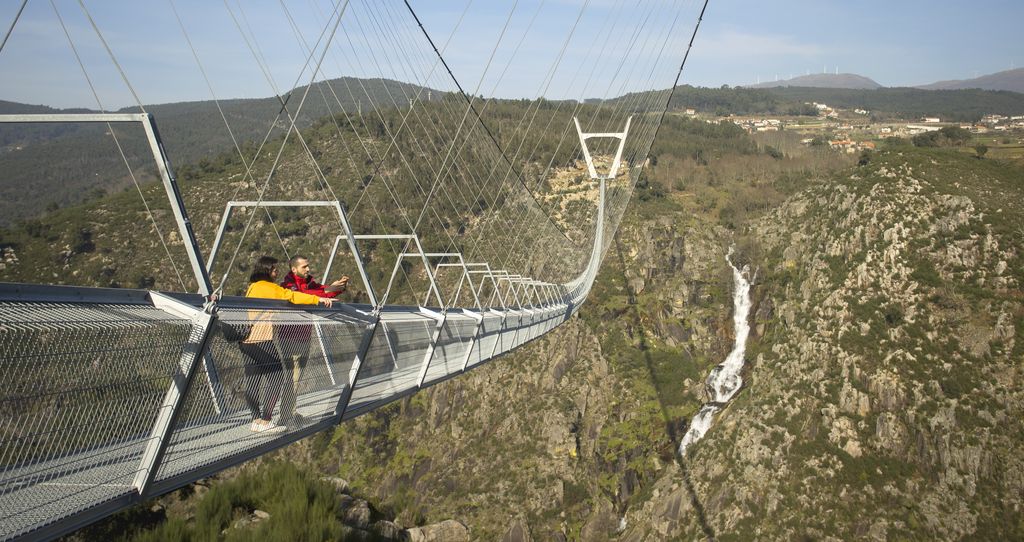
On Monday, a park in Arouca, Portugal opened a record-setting new bridge. Though it's quite high, it's the length of the bridge that has set a record. It's the world's longest hanging bridge for walkers - over five football fields long.
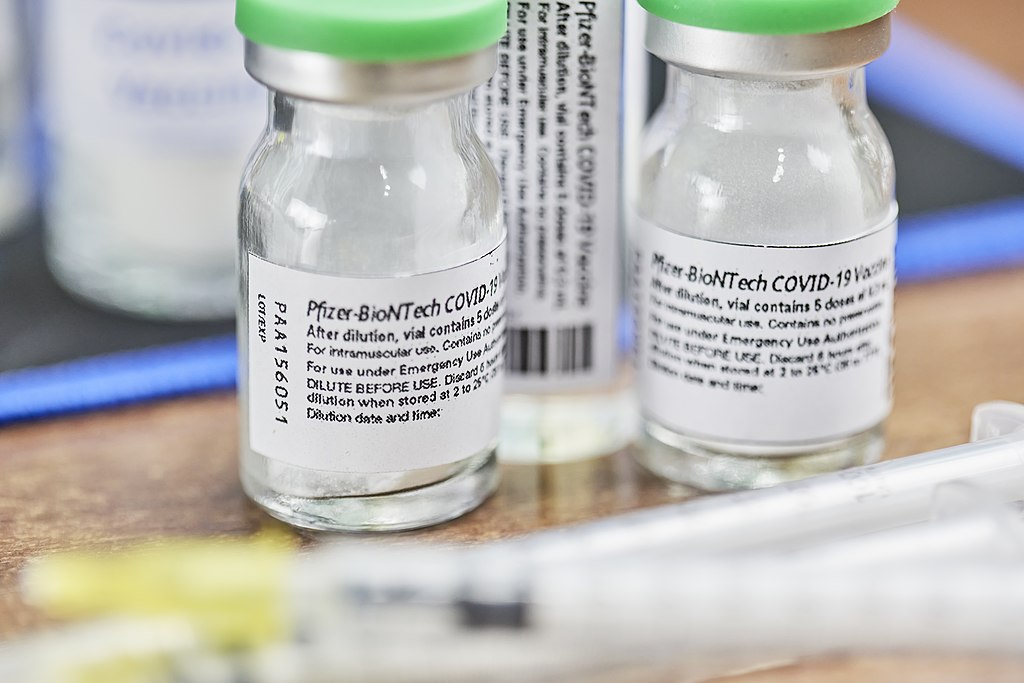
As coronavirus outbreaks in places like India grow worse, many people want drug companies to share the secrets behind their Covid-19 vaccines. So far, several rich countries are fighting efforts to share this information.
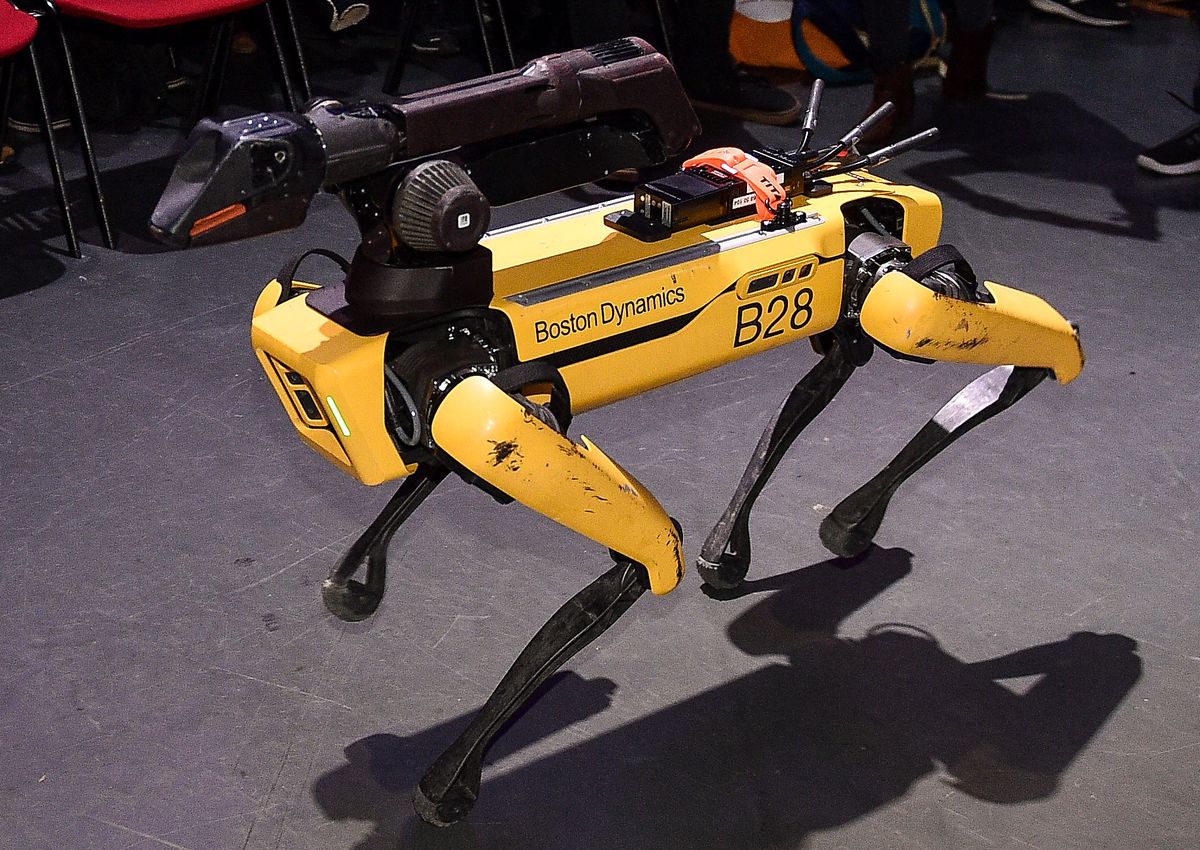
New York City's police department has decided to return a robot dog that it was testing. Though the robot worked well, it upset many people. Some thought it was "creepy". Others worried that it would invade their privacy.

In today's news roundup, Chad's longtime president, Idriss Déby, dies a day after winning the election, police officer Derek Chauvin is found guilty of killing George Floyd, and David, the famous statue by Michelangelo, now has an exact 3D-printed twin.
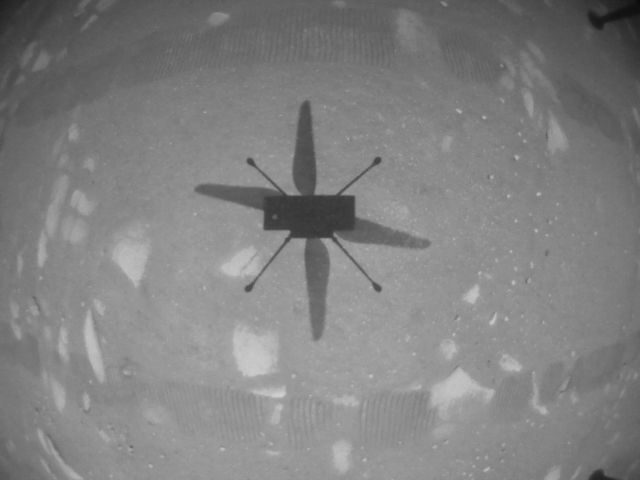
On Monday, NASA's Ingenuity helicopter flew over the surface of Mars. It's the first time a powered aircraft has made a controlled flight on another planet. The helicopter's success will make a big difference in how NASA explores space in the future.

A company called Neuralink has shared a video which appears to show a monkey playing a video game. That's fairly unusual, but what makes the video even stranger is that the monkey is playing the video game with just its mind.
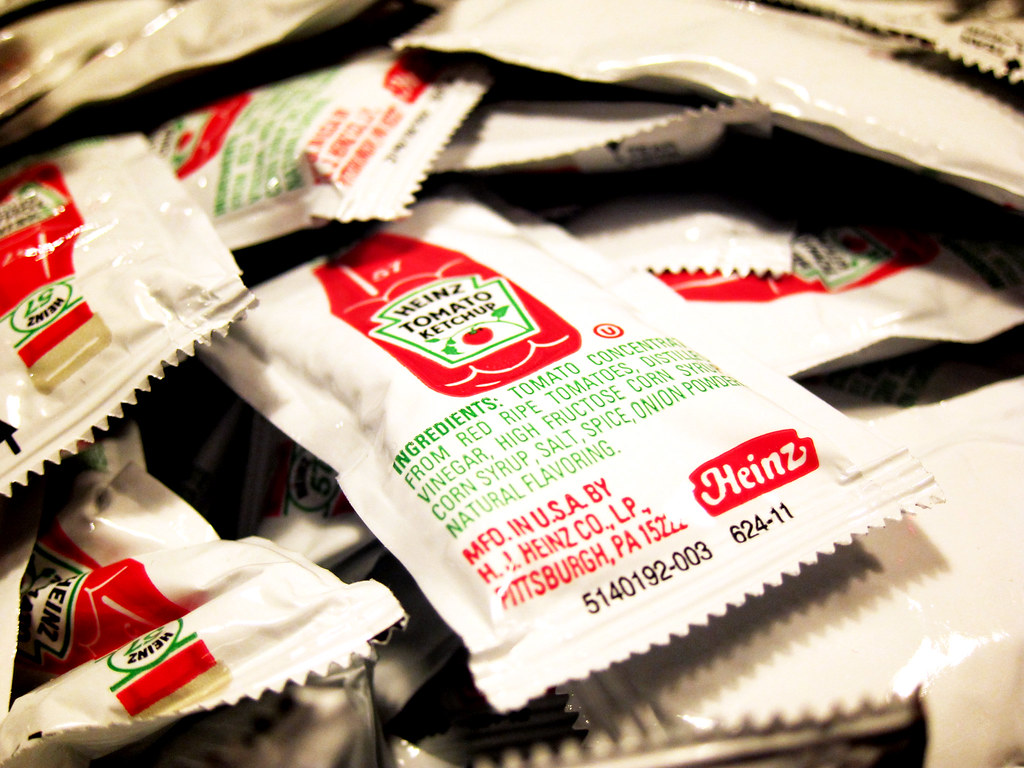
In today's news roundup, an attack causes serious damage to Iran's largest nuclear factory, Hideki Matsuyama becomes the first Japanese man to win a major golf tournament, and the US runs low on ketchup packets.

Zipline, a company which focuses on using drones to deliver medical supplies, is now delivering coronavirus vaccines to remote areas in Ghana. Soon the company will provide similar services in other countries, too.
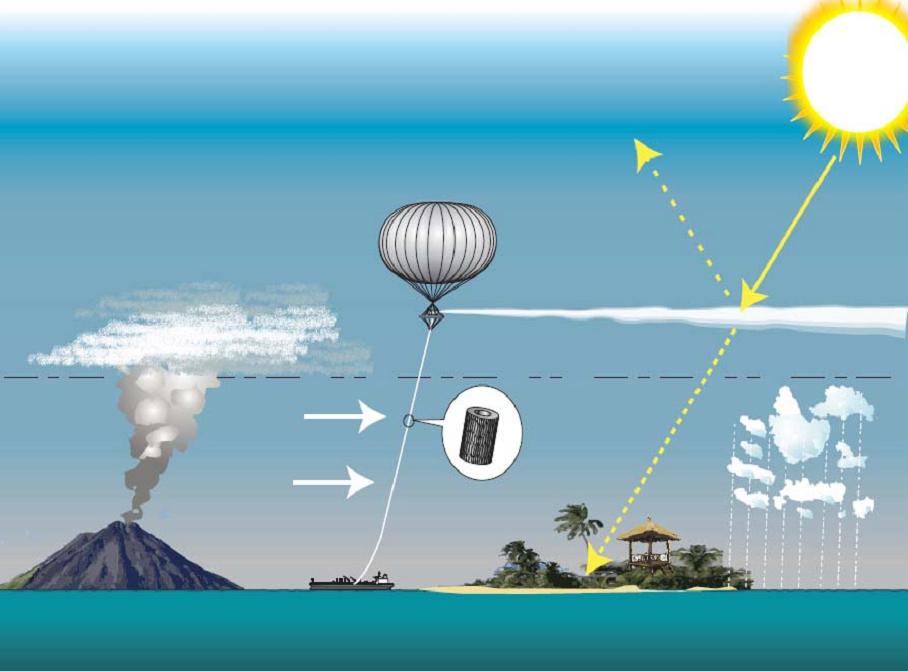
Today, NewsForKids.net takes a look at some recent news stories related to the climate crisis. They include efforts to put a price on pollution, a new US push to tackle the climate crisis, and a suggestion to study dimming the sun.

NFTs are an unusual idea sweeping through the world of electronic art, allowing people to prove that they own the art. Now, digital artworks that can prove they are one-of-a-kind are being sold for huge amounts of money.