

Last week was a tough one for fossil fuel businesses. Large oil producing companies in the Netherlands and the United States had some major defeats. The pattern suggests that fossil fuel companies are facing difficult times ahead.
Published in “Europe”
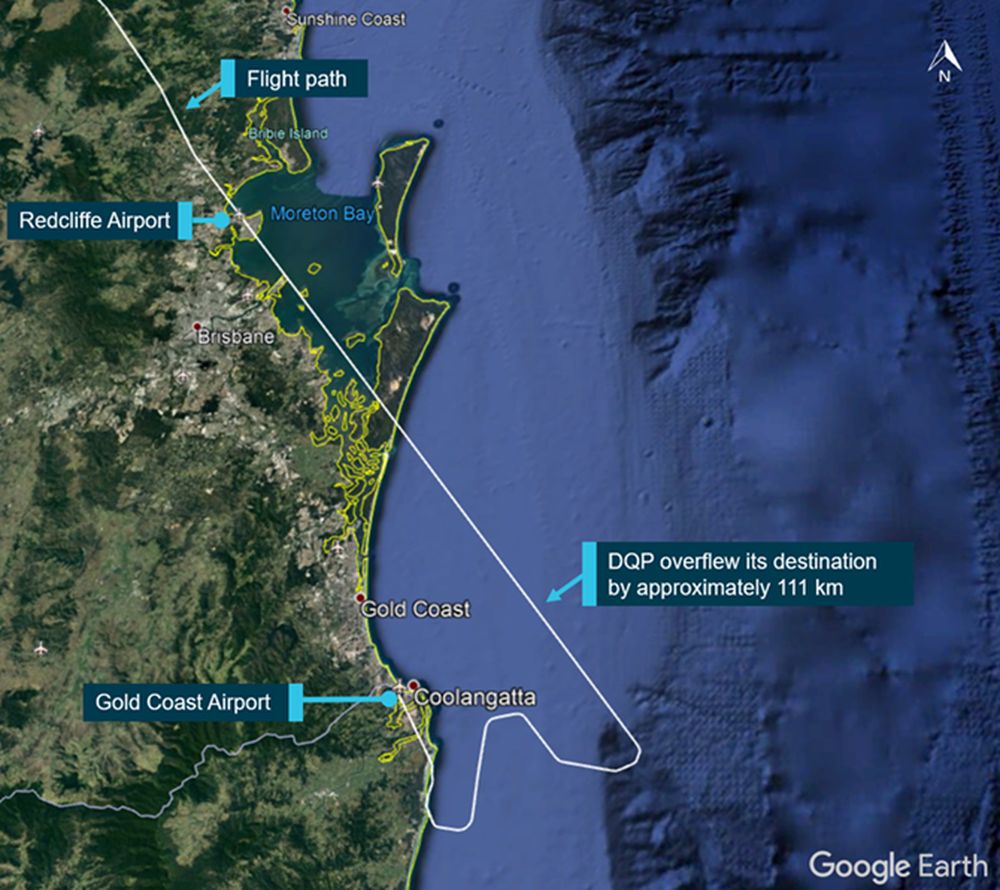
In today's news roundup, Belarus forces a plane to land in order to arrest a reporter, soldiers in Mali remove government leaders for the second time in nine months, and an airplane pilot in Australia falls asleep for 40 minutes while flying.
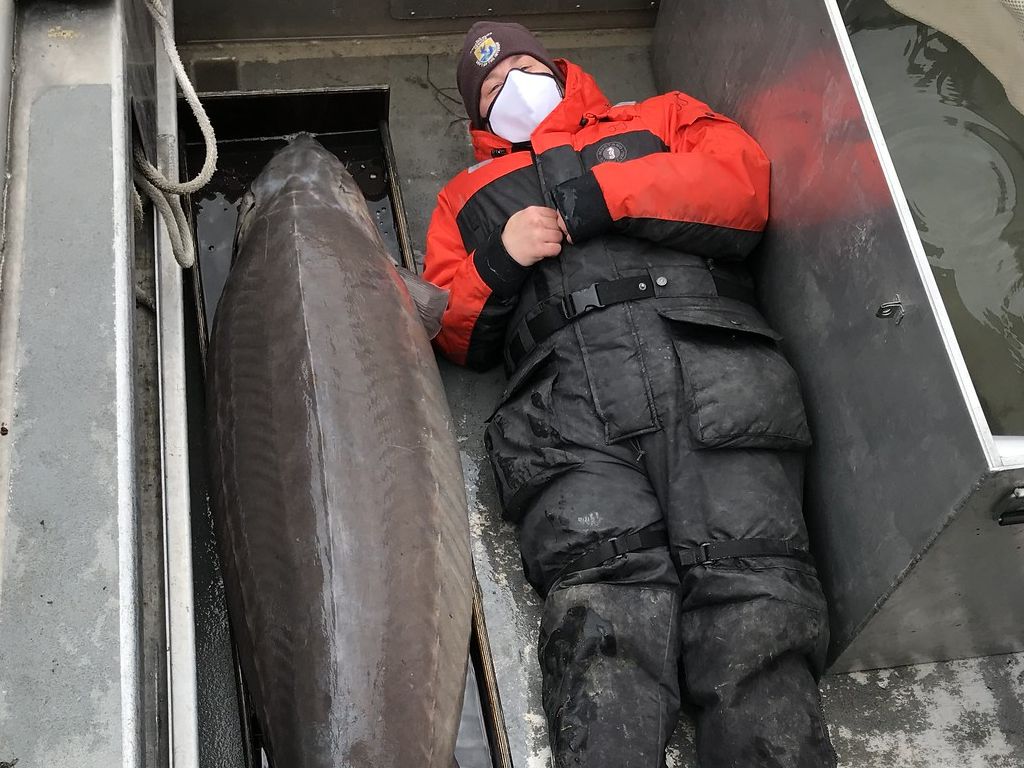
In today's news roundup, Israel and Palestinian militant groups have agreed to stop fighting temporarily, scientists in Michigan find a massive 100-year-old fish, and a machine that makes pizzas while you wait fails to impress people in Italy.
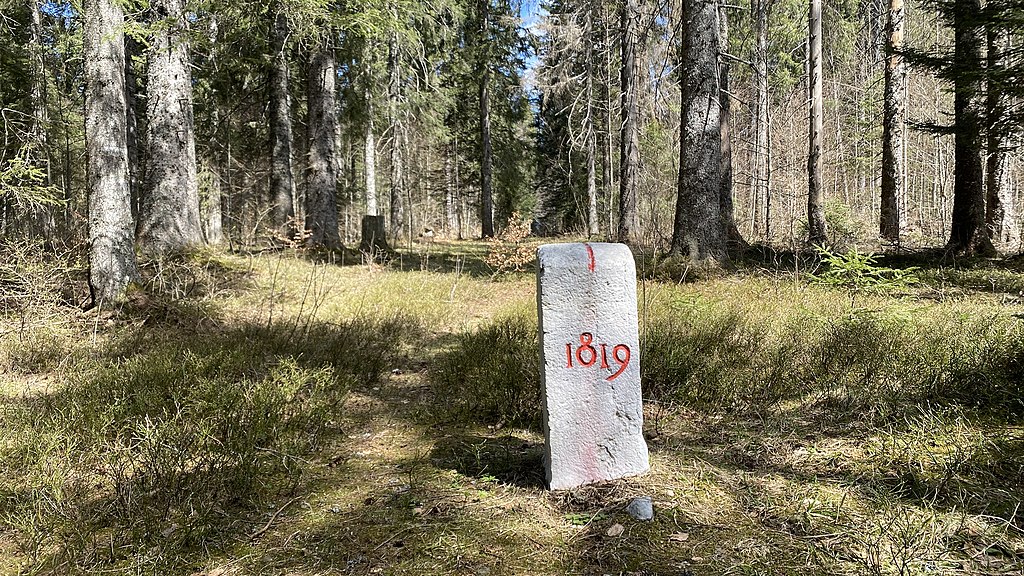
In today's news roundup, Mexico City is still in shock after a deadly train accident on Monday, a woman from Mali who expected seven babies gives birth to nine, and a Belgian farmer moves a stone and changes the border between two countries.
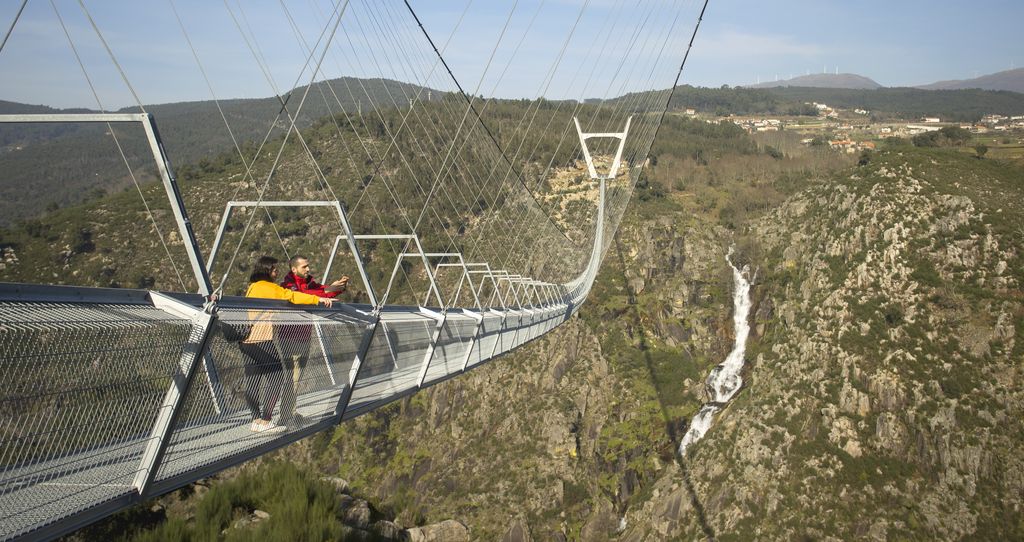
On Monday, a park in Arouca, Portugal opened a record-setting new bridge. Though it's quite high, it's the length of the bridge that has set a record. It's the world's longest hanging bridge for walkers - over five football fields long.
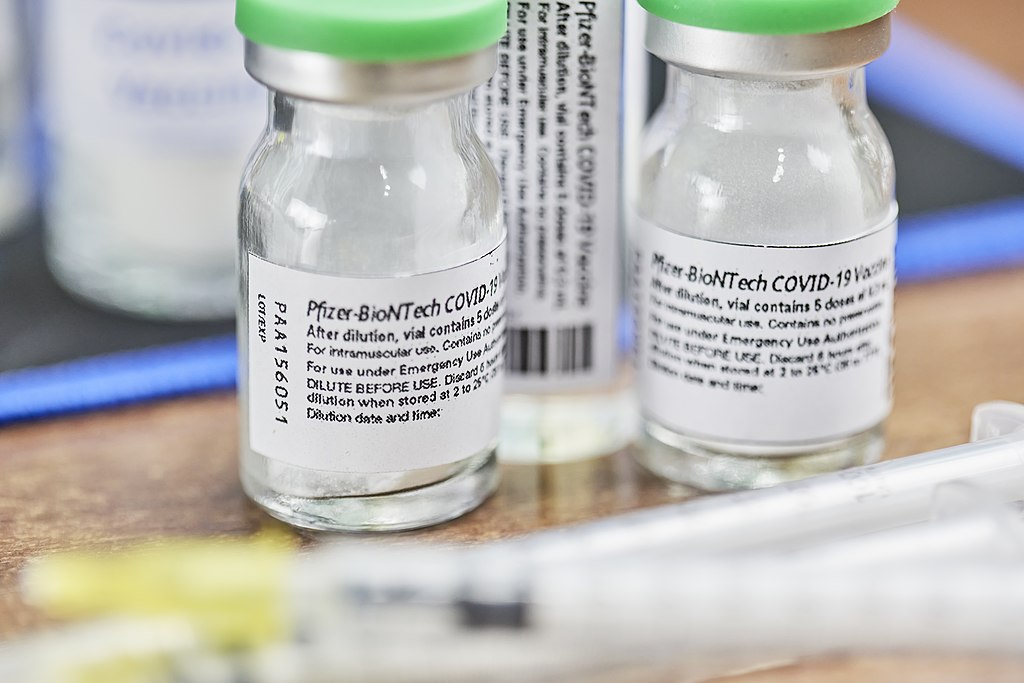
As coronavirus outbreaks in places like India grow worse, many people want drug companies to share the secrets behind their Covid-19 vaccines. So far, several rich countries are fighting efforts to share this information.
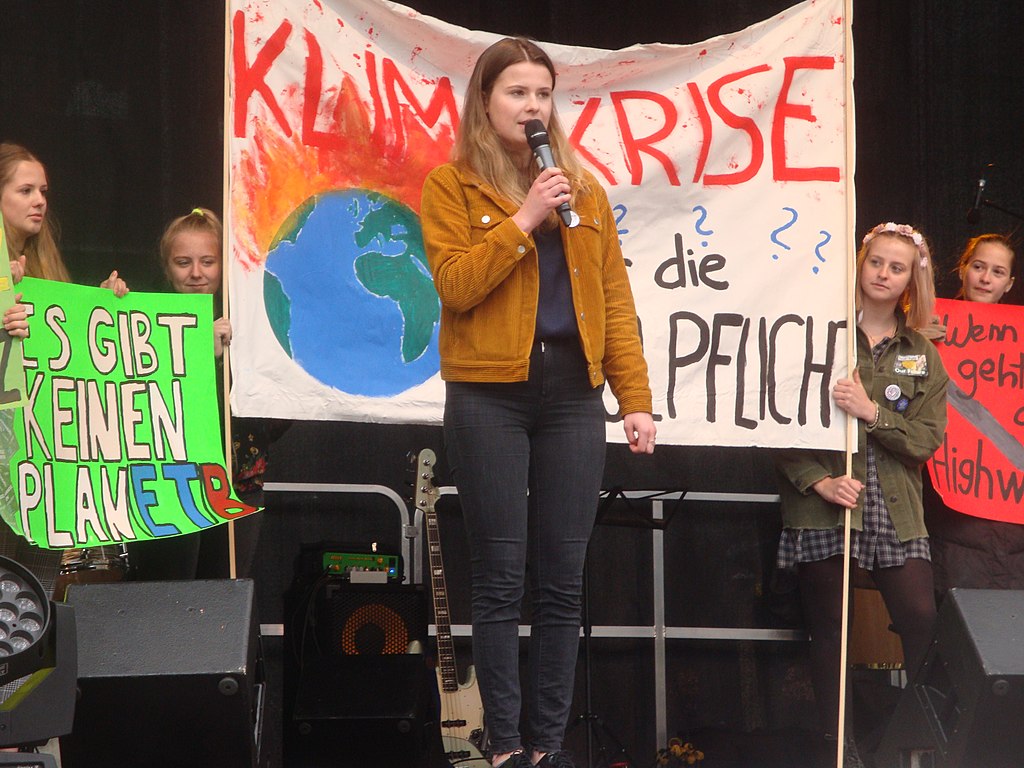
Germany's top court has ruled that parts of the country's 2019 climate action law must be changed because they don't do a good job of protecting young people. The result was a big victory for the nine young people who started the lawsuit.

In today's news roundup, US President Joe Biden presents a big new plan to Congress, Russia works to shut down the biggest critic of President Vladimir Putin, and beavers building a dam take out the internet for town in Canada.
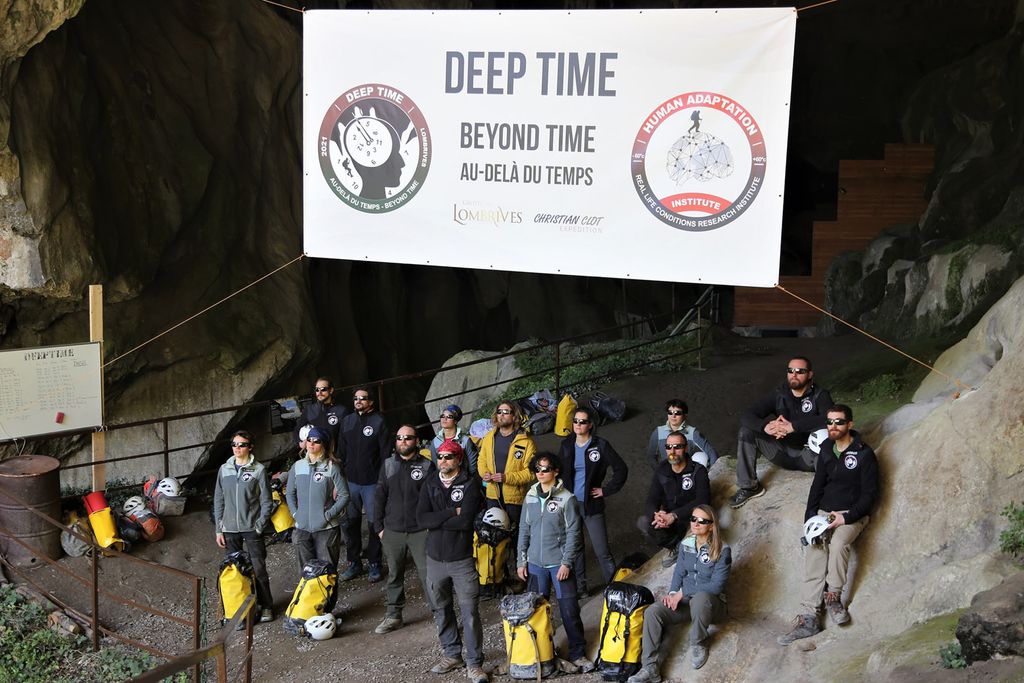
Last Saturday, 15 people stepped out of a cave in France, blinking in the sunlight. As part of an experiment, they had spent the last 40 days underground with no sense of time other than their own sleep patterns.
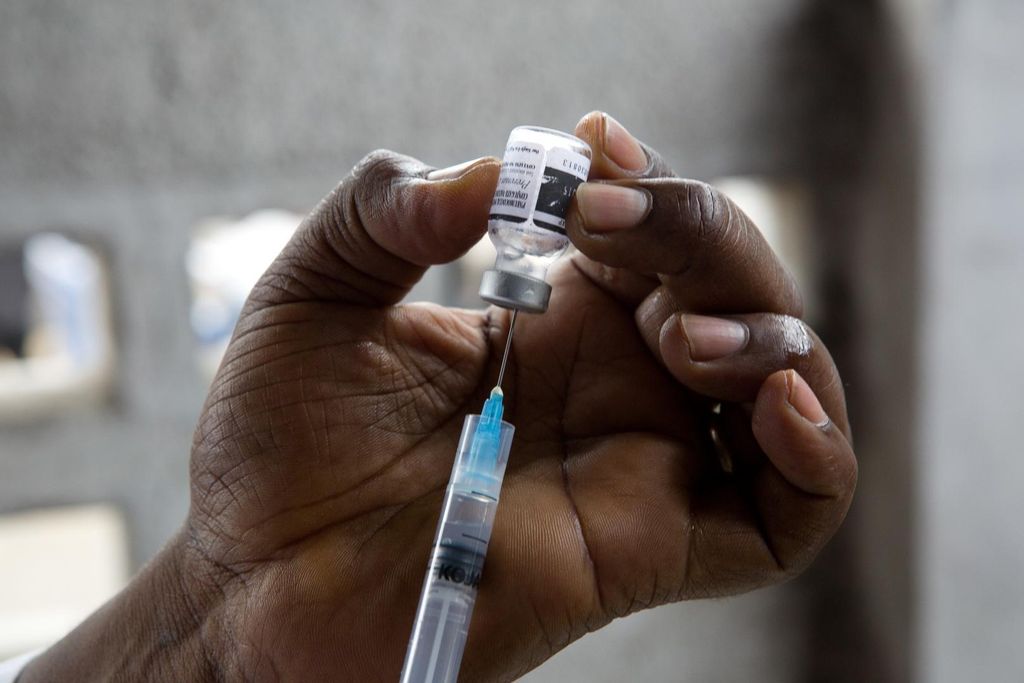
A new vaccine against malaria has shown strong results in early tests in the African nation of Burkina Faso. More tests are needed, but it's possible that the vaccine could wind up saving hundreds of thousands of lives every year.
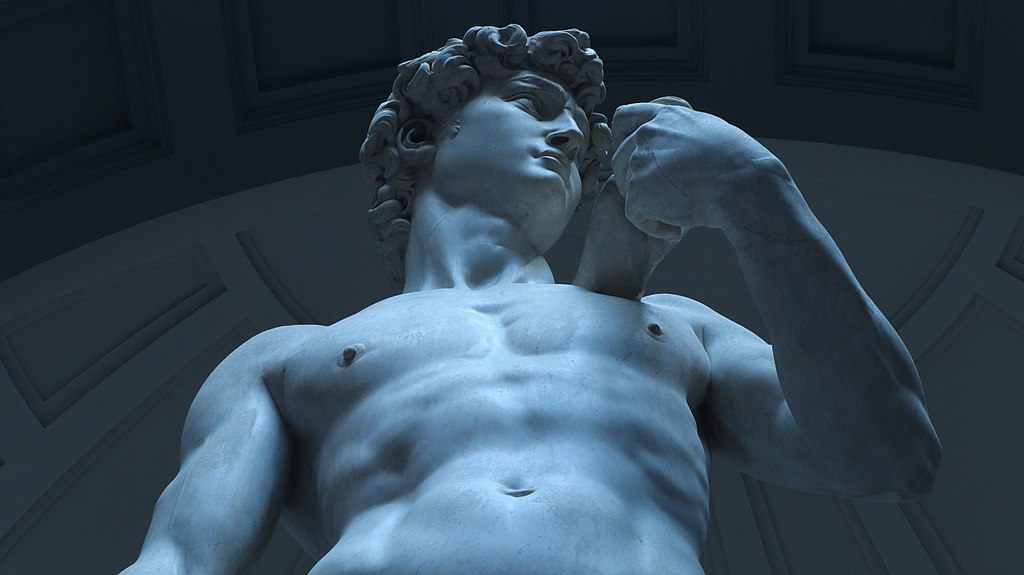
In today's news roundup, Chad's longtime president, Idriss Déby, dies a day after winning the election, police officer Derek Chauvin is found guilty of killing George Floyd, and David, the famous statue by Michelangelo, now has an exact 3D-printed twin.