

The climate crisis is quite serious - scientists believe that humans have around 11 years to get global heating under control. Still, there is some good news that suggests that progress is being made.
Published in “Science”
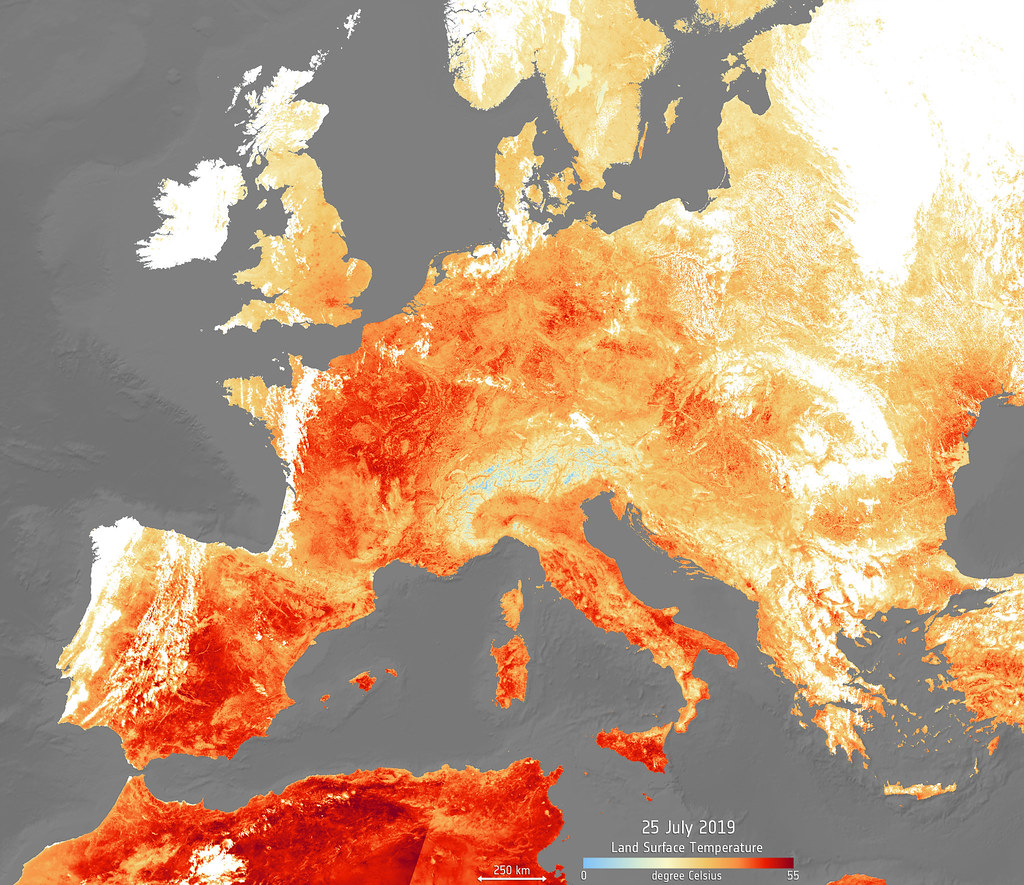
A massive heat wave swept across Europe last week, breaking historical records. The heat wave has now moved north, cooling off much of Europe, but bringing unusual heat and melting to northern areas.

Congo is struggling with deadly outbreaks of Ebola and measles. The country knows how to deal with these diseases, but confusion and violence are making it difficult to get the situation under control.

The Bank of England says it will honor Alan Turing on a new 50-pound banknote. Mr. Turing, a math genius and secret hero of World War II, was mistreated by England near the end of his life.

Heavy rains brought by monsoons are causing flooding and landslides across South Asia. Millions of people have been forced from their homes in Nepal, India, and Bangladesh.

In the past year, 14 of the deer in Japan's famous Nara Park have died. Nine of those deer appear to have been killed by eating plastic. Volunteers are working together to try to end the problem.

As pressure grows worldwide to deal with the climate crisis, the airline KLM has taken the unusual step of suggesting that travelers should think twice before booking a flight with the airline.

In today's news roundup, California is struck by strong earthquakes, Alaska deals with record high temperatures, Guadalajara, Mexico is hit by a strange hail storm, and the US Air Force accidentally drops 3 fake bombs on Florida.
In today's news roundup, Japan struggles with landslides and floods, Chile and Argentina get to see a solar eclipse, a party in the Philippines sends people to the hospital, and President Trump's July 4 event has an unusual history lesson.

If you have an iPod or a phone that plays music, the Sony Walkman may look like ancient history. But when it came out forty years ago, it completely changed how people listened to music.
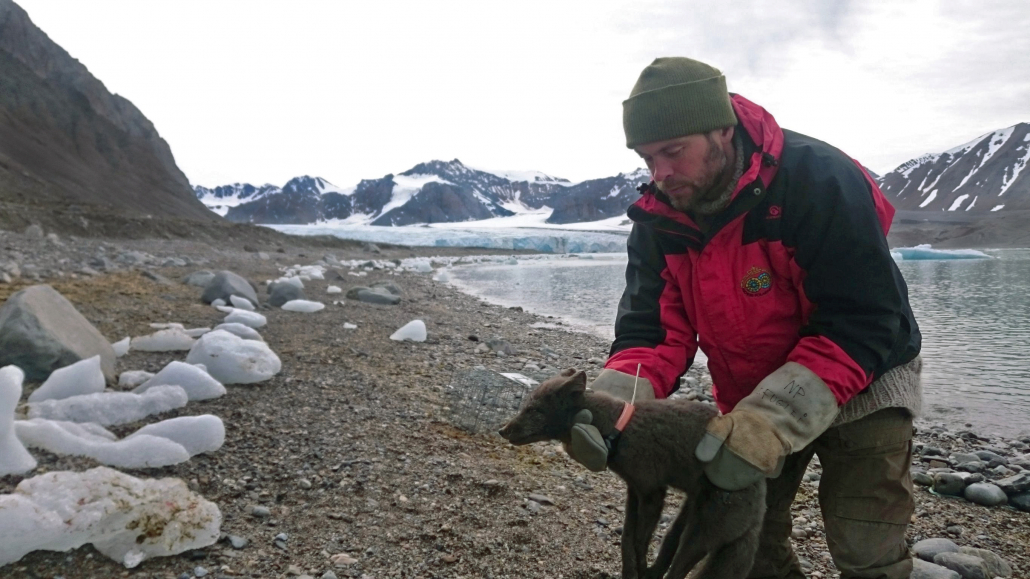
Scientists tracking a young female arctic fox were shocked to watch as the fox travelled over 2,175 miles (3,500 kilometers). The fox left from Norway and wound up in Canada 76 days later.