
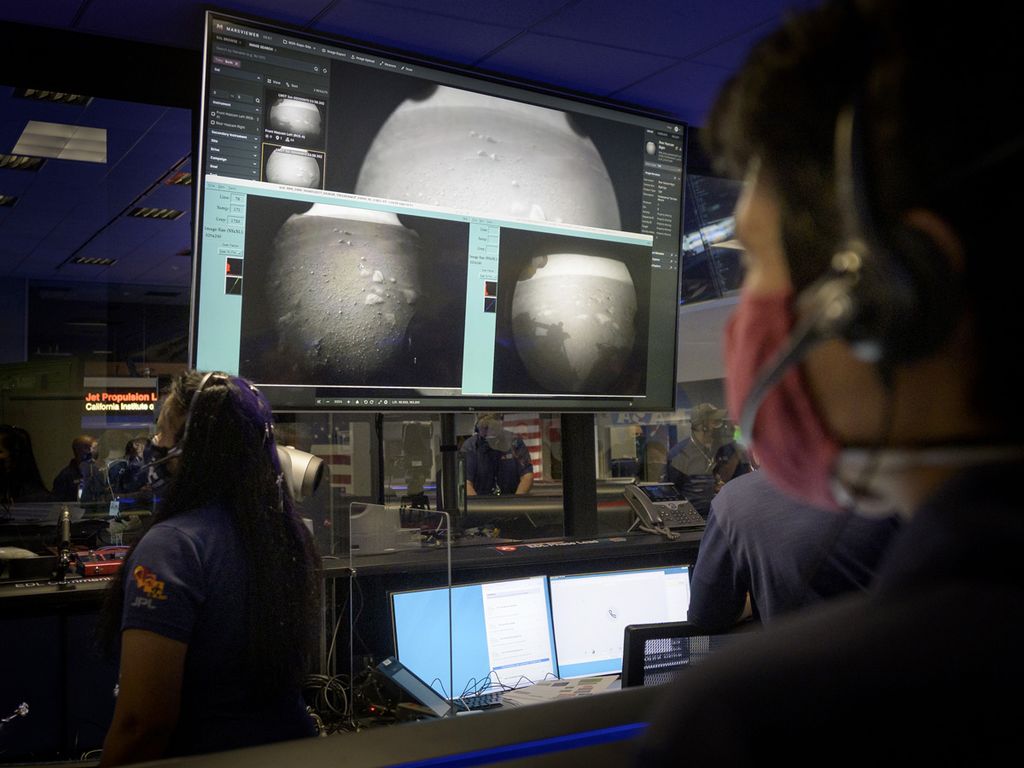
NASA’s Perseverance rover touched ground safely on Mars Yesterday. NASA is now going through tests of the Perseverance to make sure everything is working well.
Published in “North America”
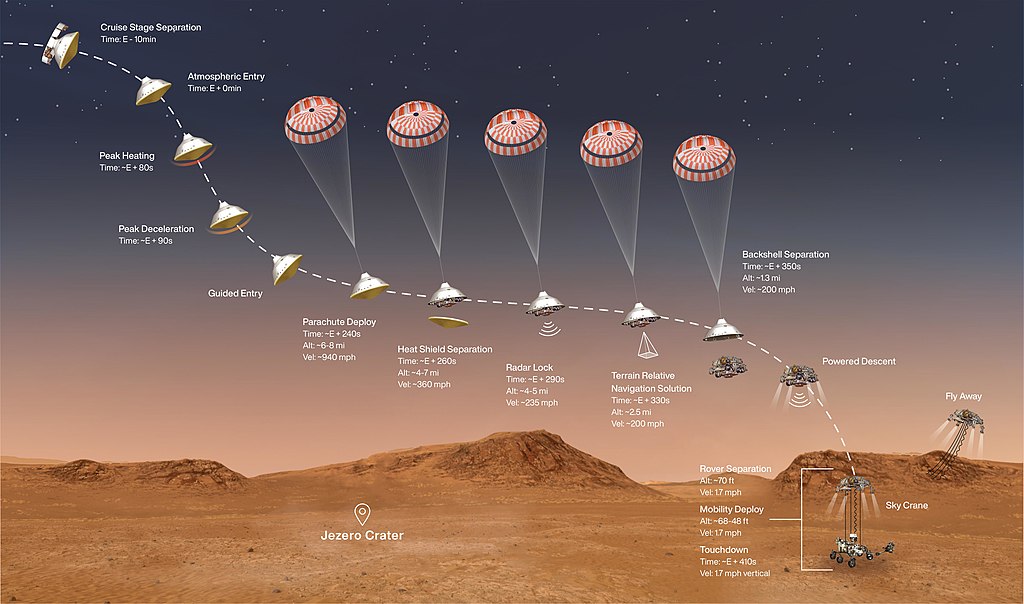
This afternoon, NASA expects its Perseverance spacecraft to land on Mars. Landing safely will be an incredible challenge. But if it goes well, the mission could tell us about possible life on Mars, and test out several new inventions.

Much of the United States is locked in the grip of an unusually large and extremely cold winter storm. The storm has brought bad weather, super-cold temperatures, power cuts, and transportation problems. About half of all Americans are affected.

The second impeachment trial of ex-President Donald Trump ended with him being found "not guilty". Though 57 senators agreed that Mr. Trump was guilty, and only 43 voted not guilty, at least 67 votes were needed to convict him.

In today's news roundup, New Zealand's Parliament decides that male members of Parliament no longer need to wear ties, Major League Baseball changes its baseballs, and a lawyer shows up for a video looking like a kitten.
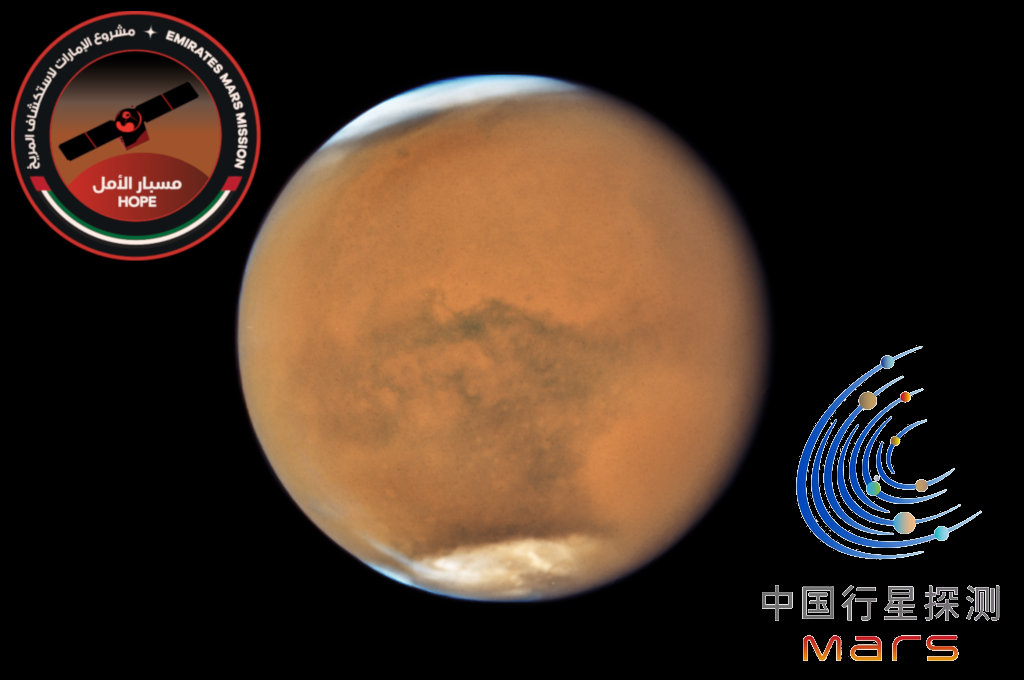
Two spacecraft from Earth reached Mars this week - one from the United Arab Emirates, and the other from China. The missions, which launched last July, take on big, new challenges for their countries. A US spacecraft should arrive on February 18.

Yesterday, the US Senate began the impeachment trial of ex-President Donald Trump for his part in encouraging the rioters who attacked the US Capitol building on January 6. Yesterday's meeting led to a vote allowing the trial to go ahead.

All around the world, there are strong signs that the days of fossil fuels like oil and coal may be coming to an end, as the world shifts to power sources that are easier on the environment.
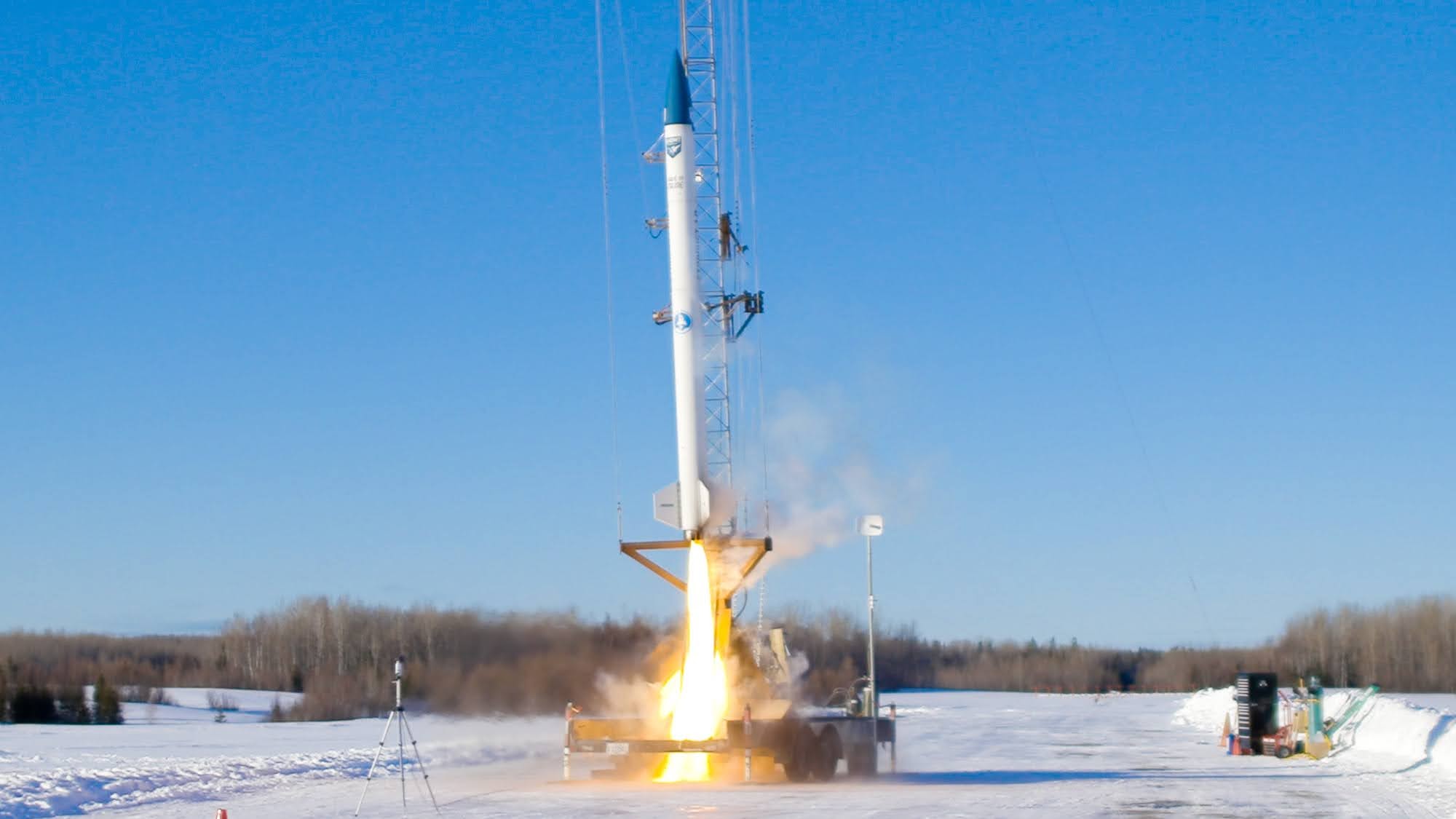
In today's news roundup, Captain Tom, who inspired Britain, has passed away at the age of 100, a company called bluShift has launched a rocket powered by biofuel, and a woman is caught trying to sneak cactuses into New Zealand - by wearing them.
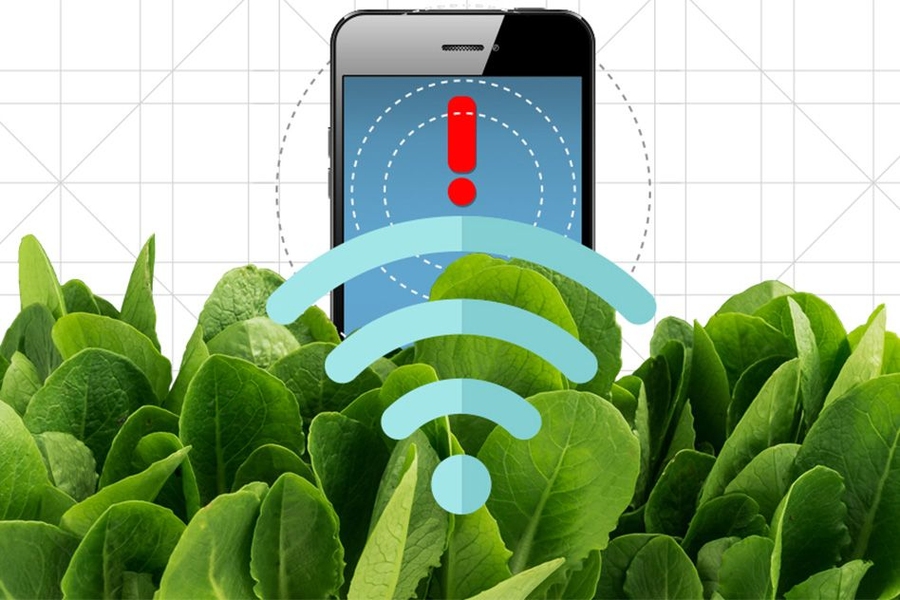
Scientists at MIT have managed to change ordinary spinach plants into natural sensors which can detect chemicals used in bombs. Using a cheap and small computer system, the spinach can even trigger a warning email.
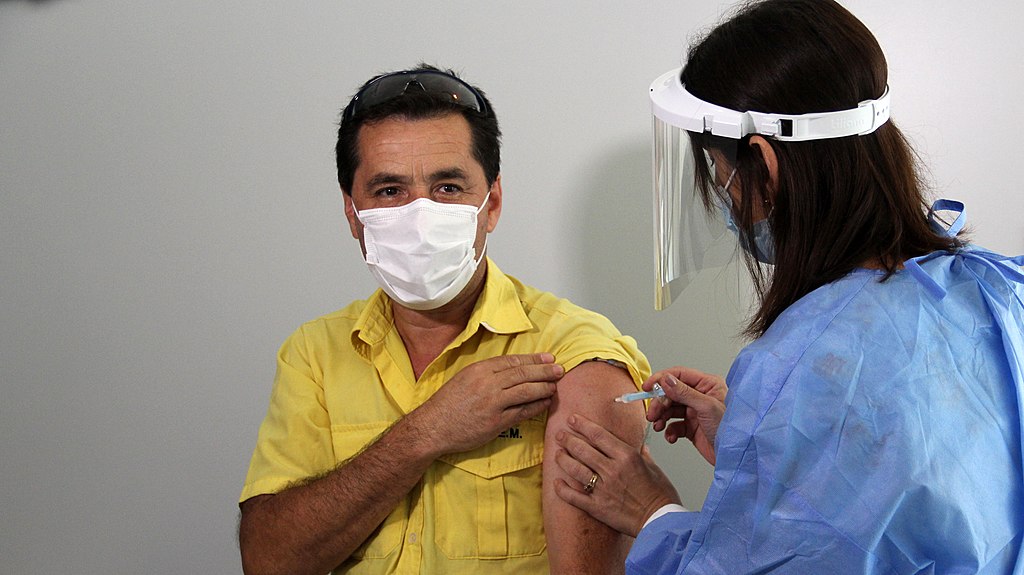
It's been over a year since Covid-19 began spreading around the world. Since then, amazing progress has been made on getting the virus under control. But tackling the coronavirus quickly is still important, since the virus is also changing.