
To recap 2025, NewsForKids.net is taking a look back at some of the most interesting stories we’ve covered this year.
Today we’re looking at some incredible stories from the world of science.
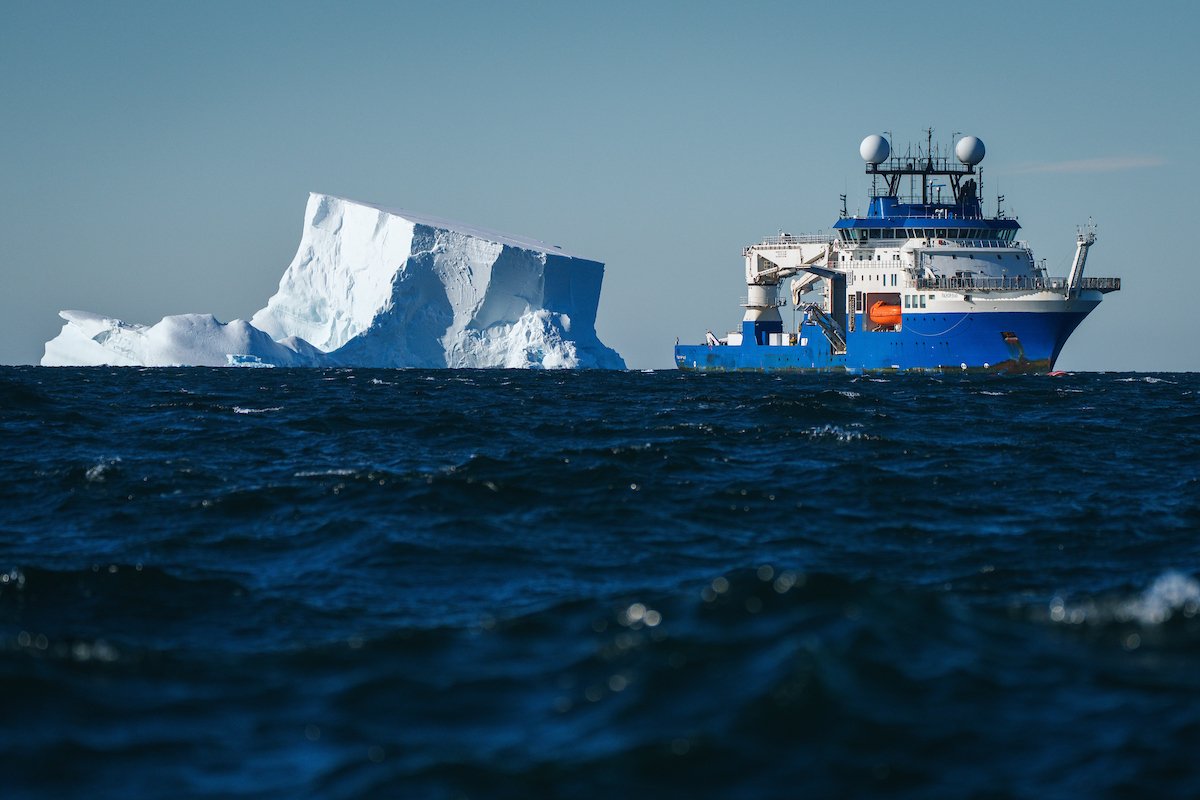
In January, an iceberg as large as Chicago separated from an ice shelf in Antarctica. By chance, a scientific research ship was nearby. The scientists jumped at the rare chance to study an area of the ocean floor that had been covered by ice for thousands of years. What they found surprised them.

Scientists have created the first gene-editing medicine made for a single patient. The patient – a young baby who was sick because of a problem with his DNA – is now greatly improved, and is expected to go home soon.
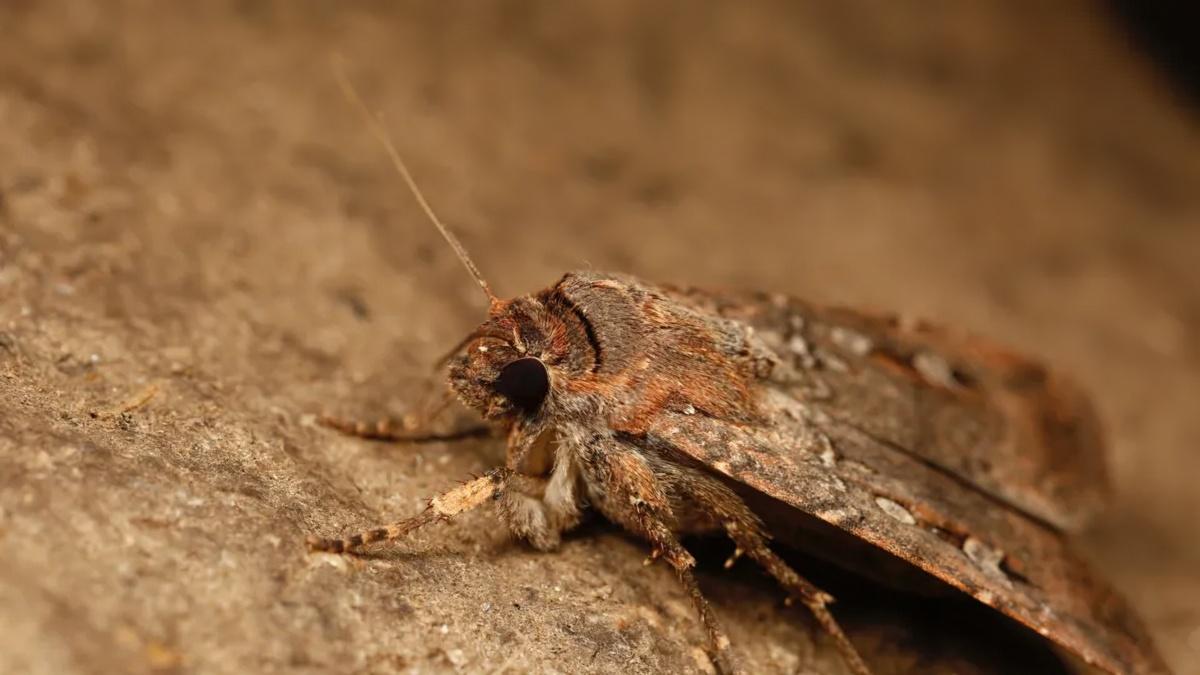
Scientists have made a surprising discovery about one of Australia’s migrating moths – Bogong moths use the stars to help guide them on their long trips across Australia. The moths are the first insects known to use the stars as a guide while migrating.
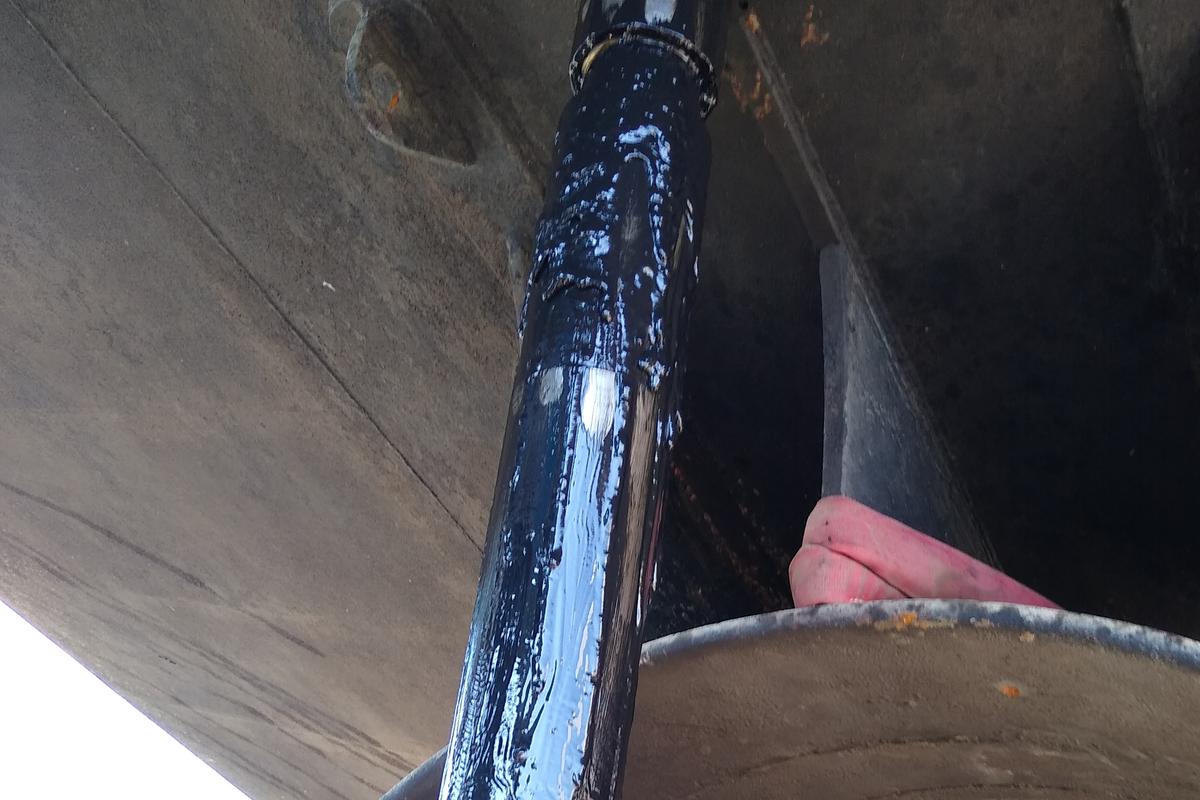
Scientists studying a black “goo” found on a research ship in the Great Lakes have learned that the goo wasn’t just unusual – it actually contained a life form never heard of before. The slime still has scientists puzzling over several mysteries.

If you feel like yesterday just flew by, you’re not wrong. Yesterday was the second shortest day this year – about a thousandth of a second faster than normal. For a number of reasons, the Earth will spin slightly faster on several days this summer.
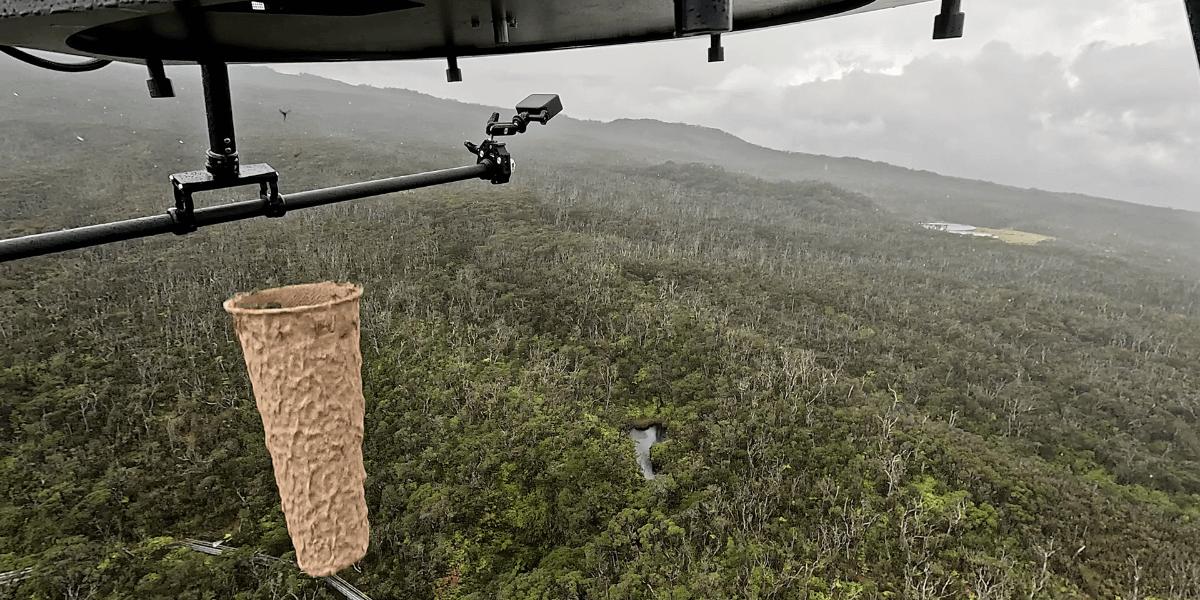
Birds, Not Mosquitoes is a collection of different groups working to protect Hawaii’s native birds. The biggest concerns for these birds is avian malaria, which is spread by mosquitoes. Now BNM has started using drones to drop containers of specially treated male mosquitoes, hoping to lower the numbers of mosquitoes threatening the birds.
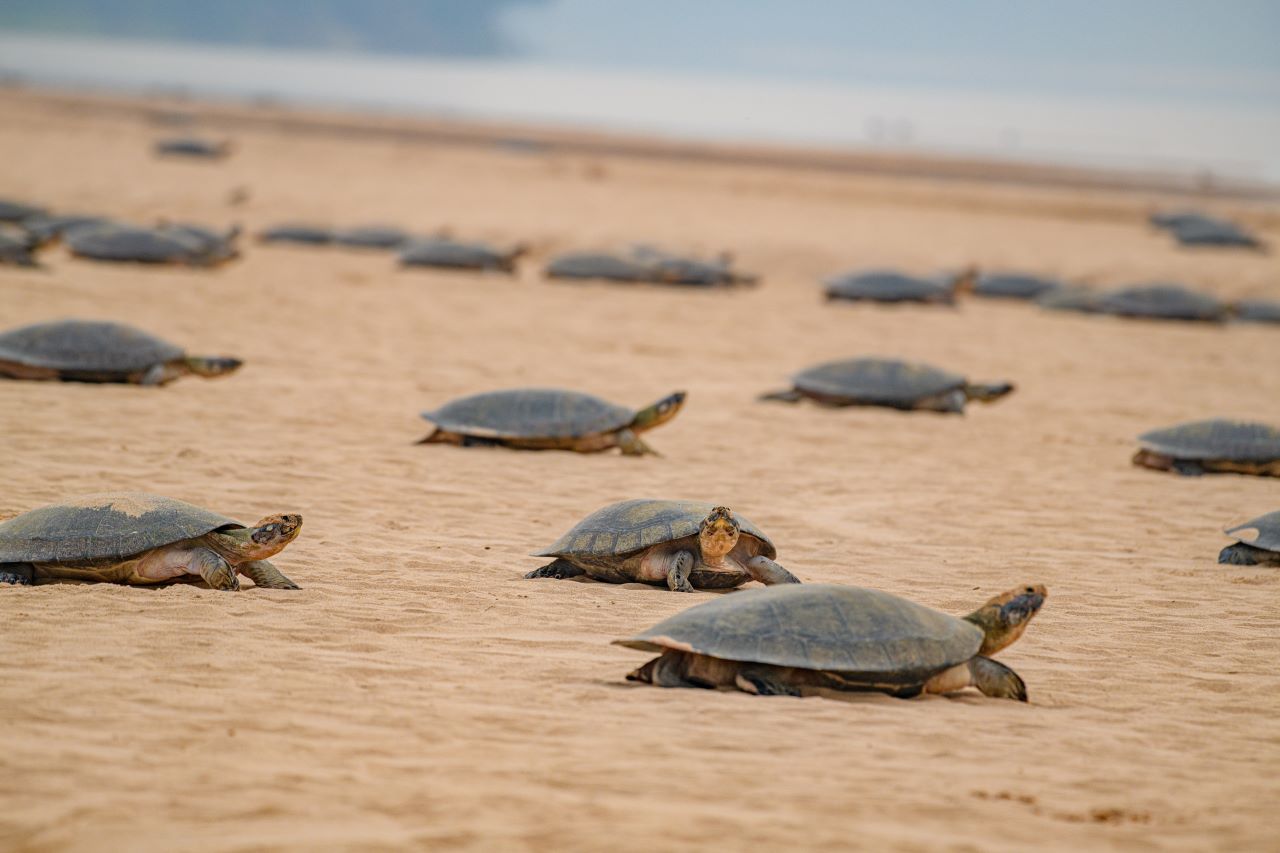
Scientists from the University of Florida have recently reported on the world’s largest nesting site for freshwater turtles. They counted about 41,000 Giant South American River turtles at the site. Just as importantly, they developed a more accurate method of counting the turtles.
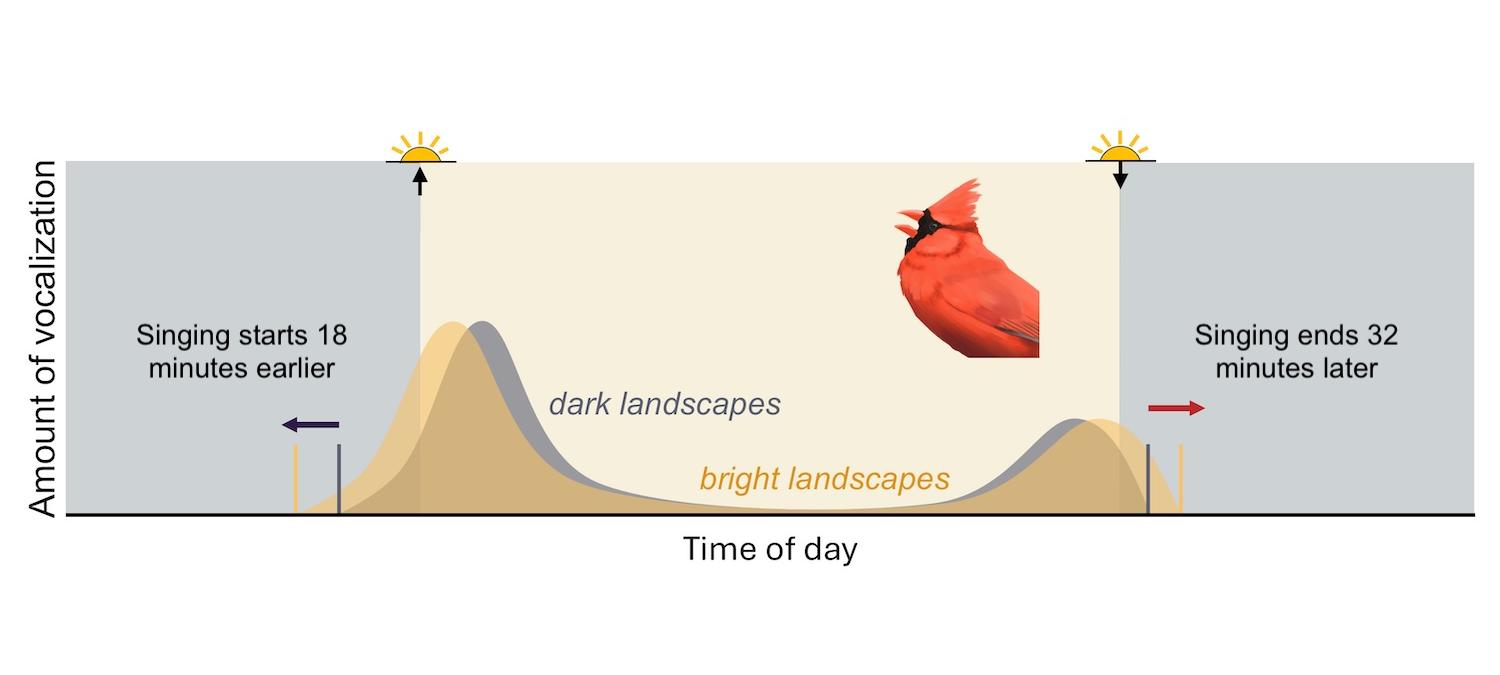
Birds are famous for waking up early. But in a recent study, scientists discovered that light pollution is leading birds to wake even earlier and go to sleep later. Bright lights are costing birds an average of 50 minutes of sleep each night.
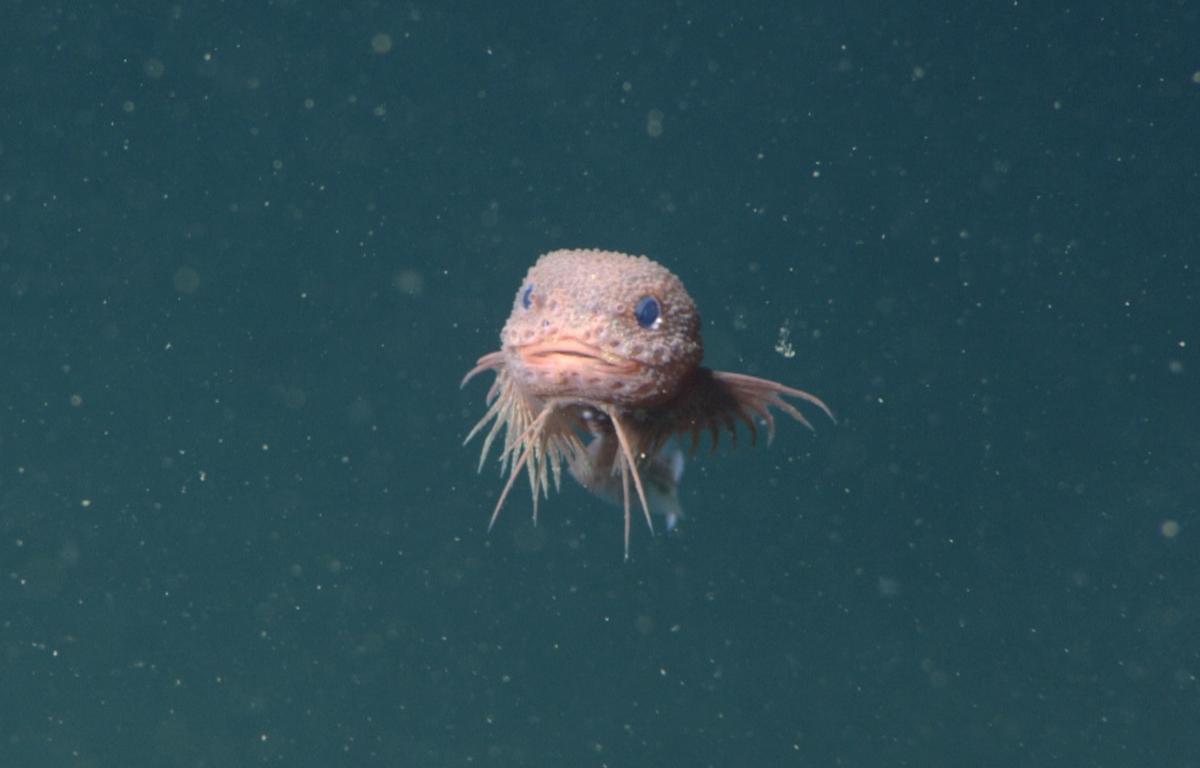
Scientists at the Monterey Bay Aquarium Research Institute have discovered a previously unknown kind of snailfish living over 2 miles (3.27 kilometers) below the surface of the Pacific Ocean. But if you were imagining a large, scary creature – you’d be wrong. One researcher described the fish as “adorable”.

Doctors at a hospital in New York have begun a program that will test whether specially designed pig kidneys can be used to replace human kidneys. The results of the trial program could help thousands of people who are waiting for a new kidney.