
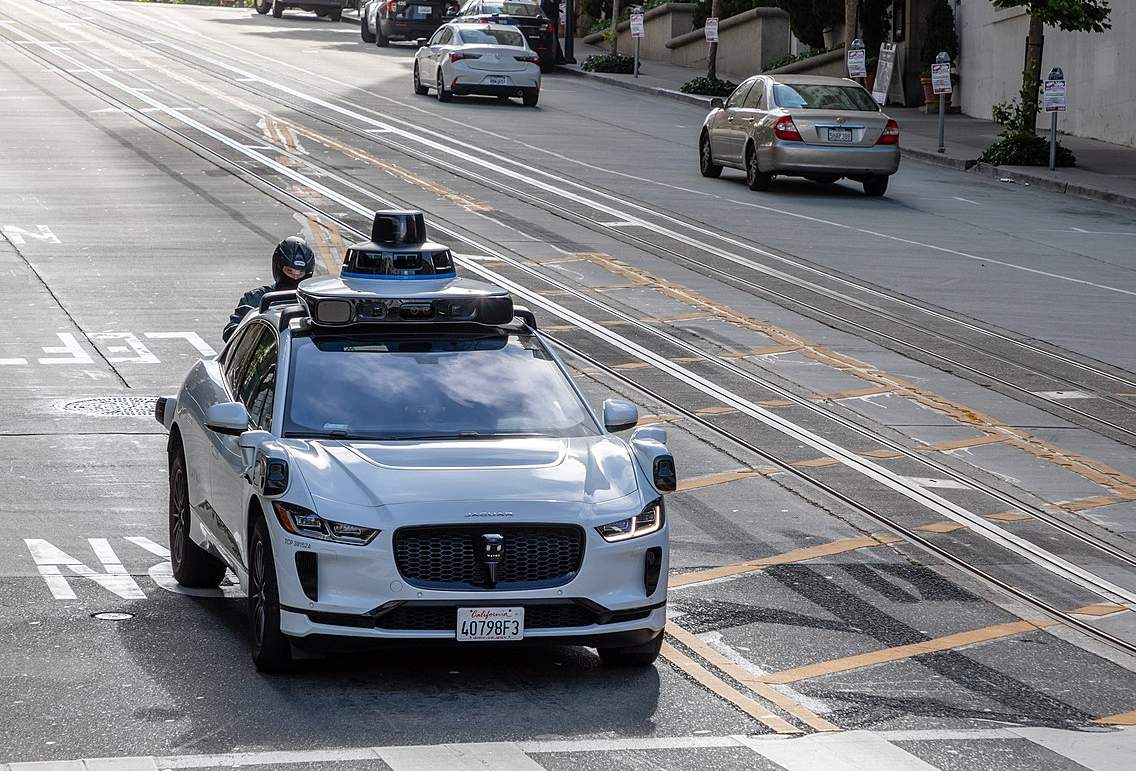
Recently, fans of self-driving cars have gotten some good news, followed by bad news. Two self-driving taxi companies were given permission to expand their work in San Francisco. But a string of accidents has led to new concerns about how safe the cars actually are.
Published in “Technology”
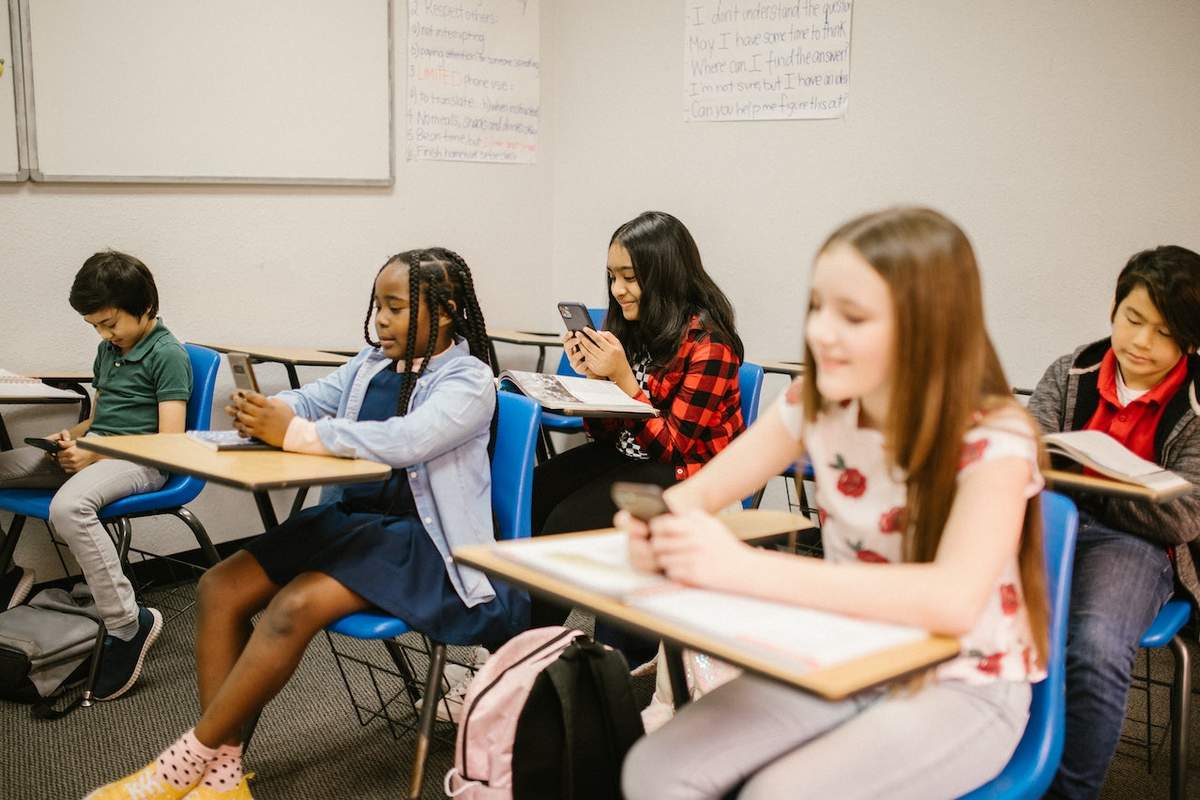
A recent report from a United Nations group warns that using technology in classes may not help as much as many people believe. The report suggests that technology should be used less in schools, and that smartphones should be banned from classrooms.
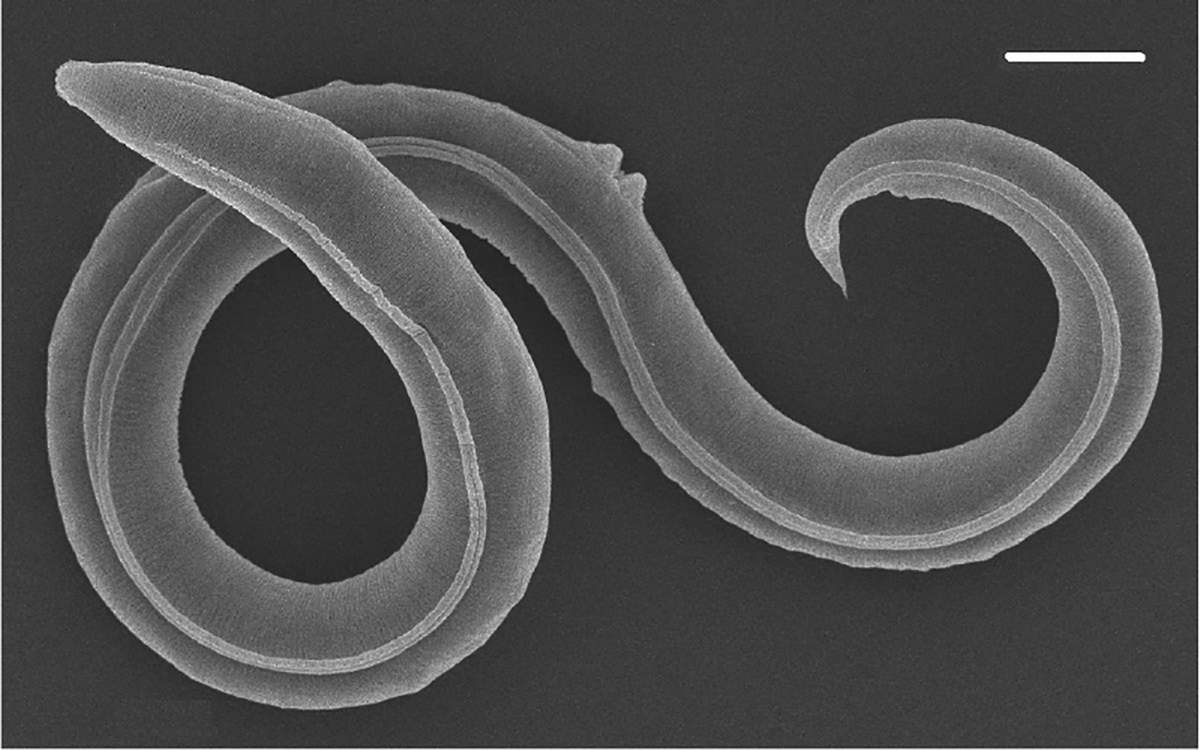
Scientists have brought back to life two tiny worms that had been frozen for 46,000 years. The worms were found in the frozen soil of Siberia. The worms are a new species, and are the oldest living animals ever brought back to life after being frozen.
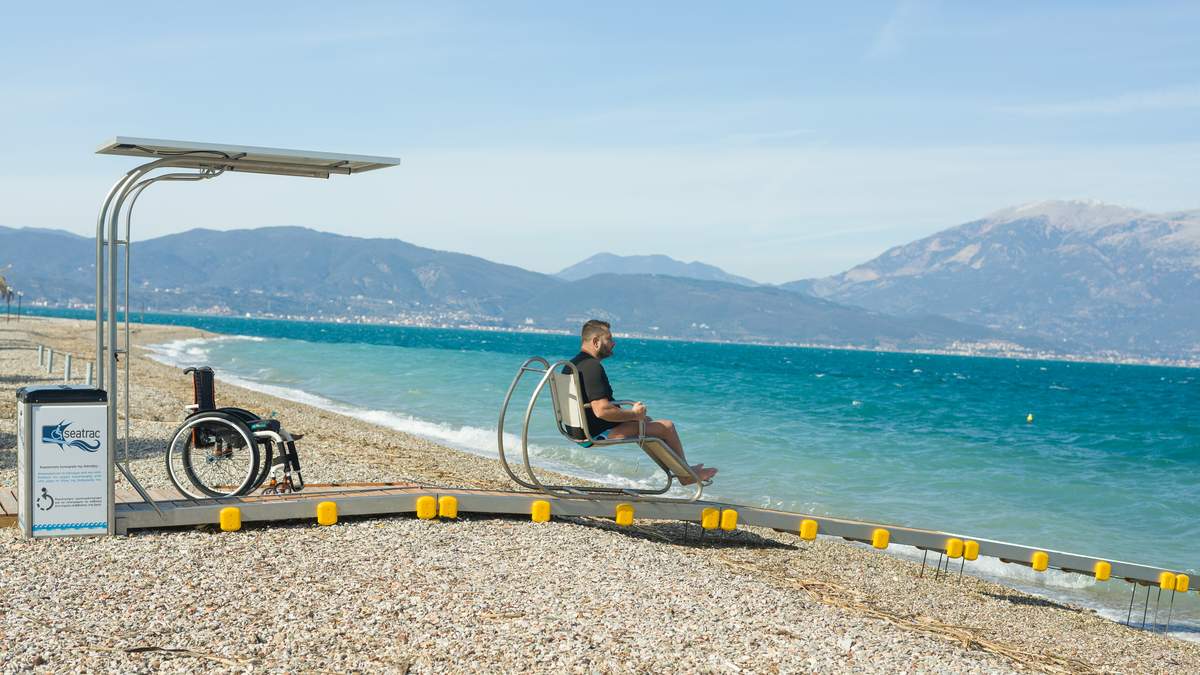
People who have trouble walking or moving around often have a hard time enjoying the beach. But hundreds of beaches in Greece now offer a new way for people in wheelchairs to get into the water by themselves. It's called Seatrac.

In late June, the US government agreed to allow two companies to sell chicken meat that has been grown in a laboratory. That makes the US the second country to approve lab-grown chicken. The companies say they will be serving the chicken in restaurants this summer.
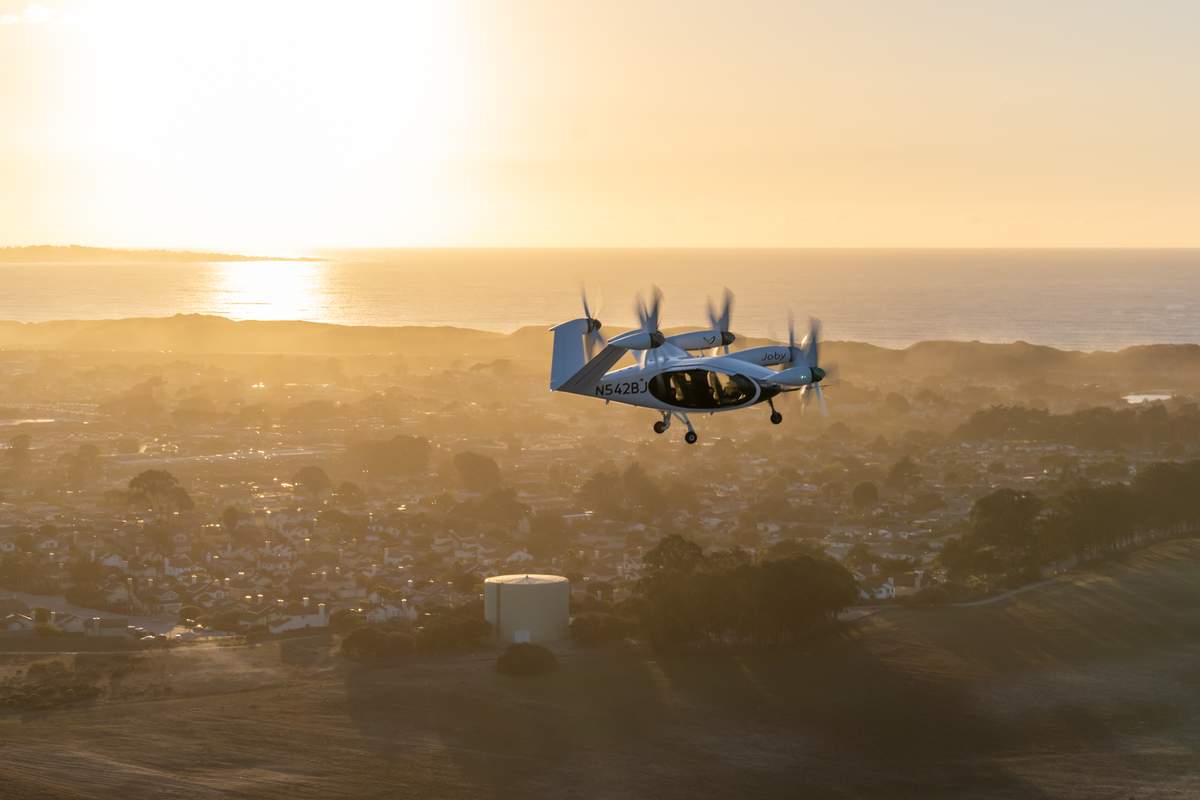
Imagine taking a flying taxi to the airport, or hopping over crowded city streets at rush hour, getting where you want to go far faster than you could in a car. Believe it or not, you might be able to do these things in an electric air taxi sooner than you think.
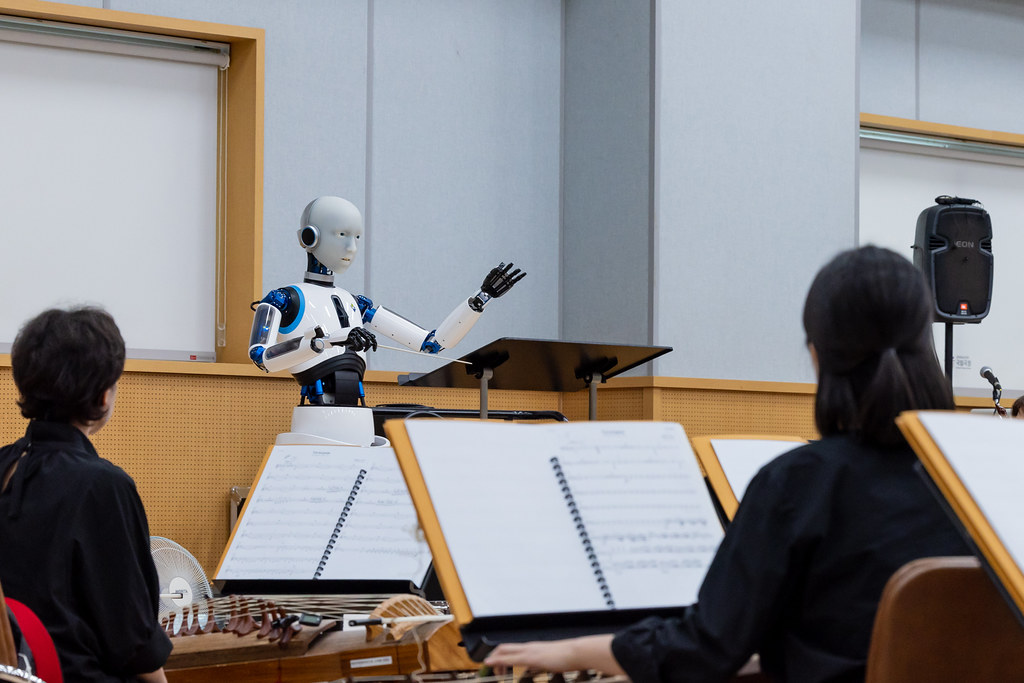
Last Friday, a special event took place at the National Theater of Korea. A robot called EveR 6 led an orchestra in a performance of Korean music. Robots have led orchestras in other countries, but this was the first time ever in Korea.
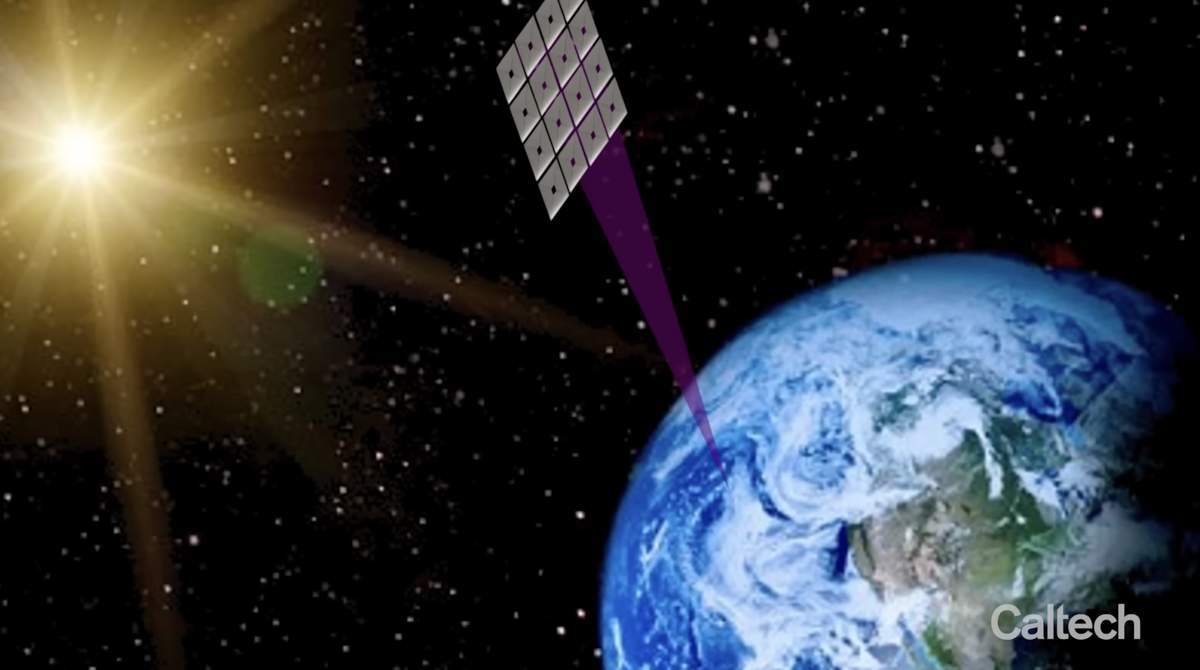
Imagine being able to use energy from the sun all the time, even when it's night. That's the idea that scientists at Caltech are exploring. They're working on collecting sunlight in space and sending its energy to Earth.
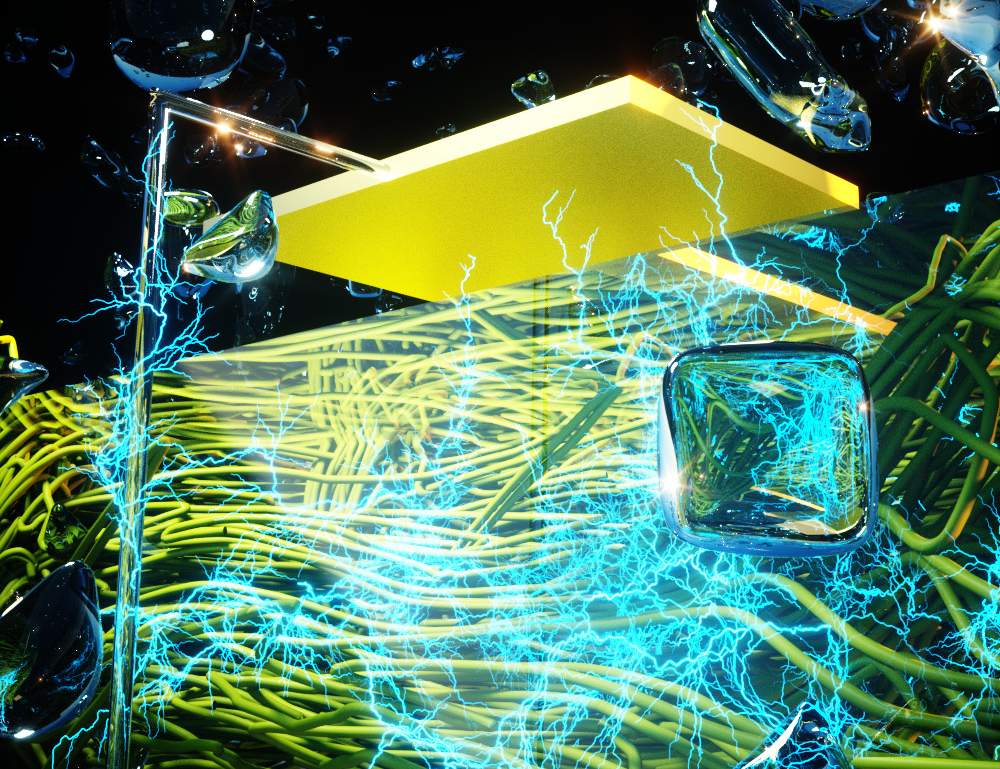
Scientists at the University of Massachusetts Amherst have invented a new way to make electricity. Their method uses super-tiny holes to make electricity from moisture in the air. The scientists hope the method will one day lead to cheap, clean electricity anywhere at any time.
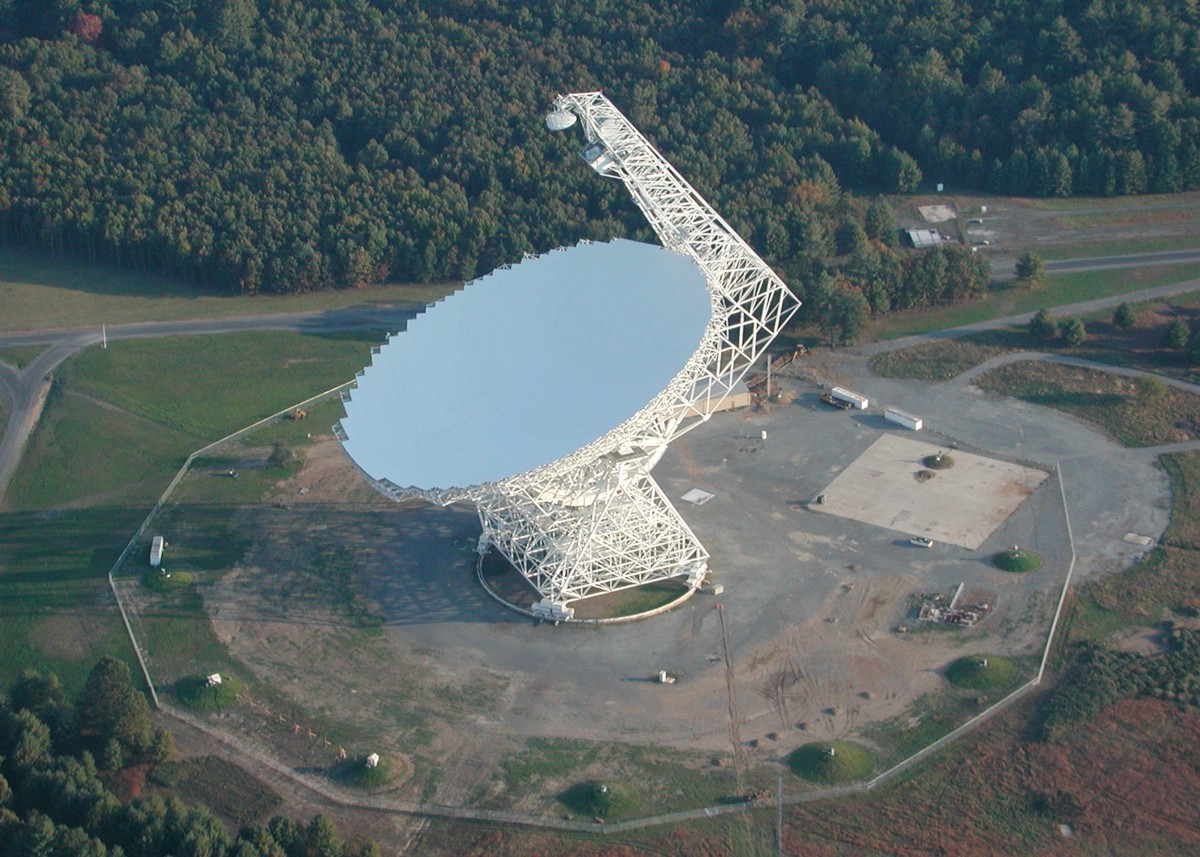
The Earth has just been sent a message from space. Now people around the world are trying to figure out what the message says. But the message wasn't from aliens. Instead, it's part of a project designed to see how humans might react if we did get a message from aliens.
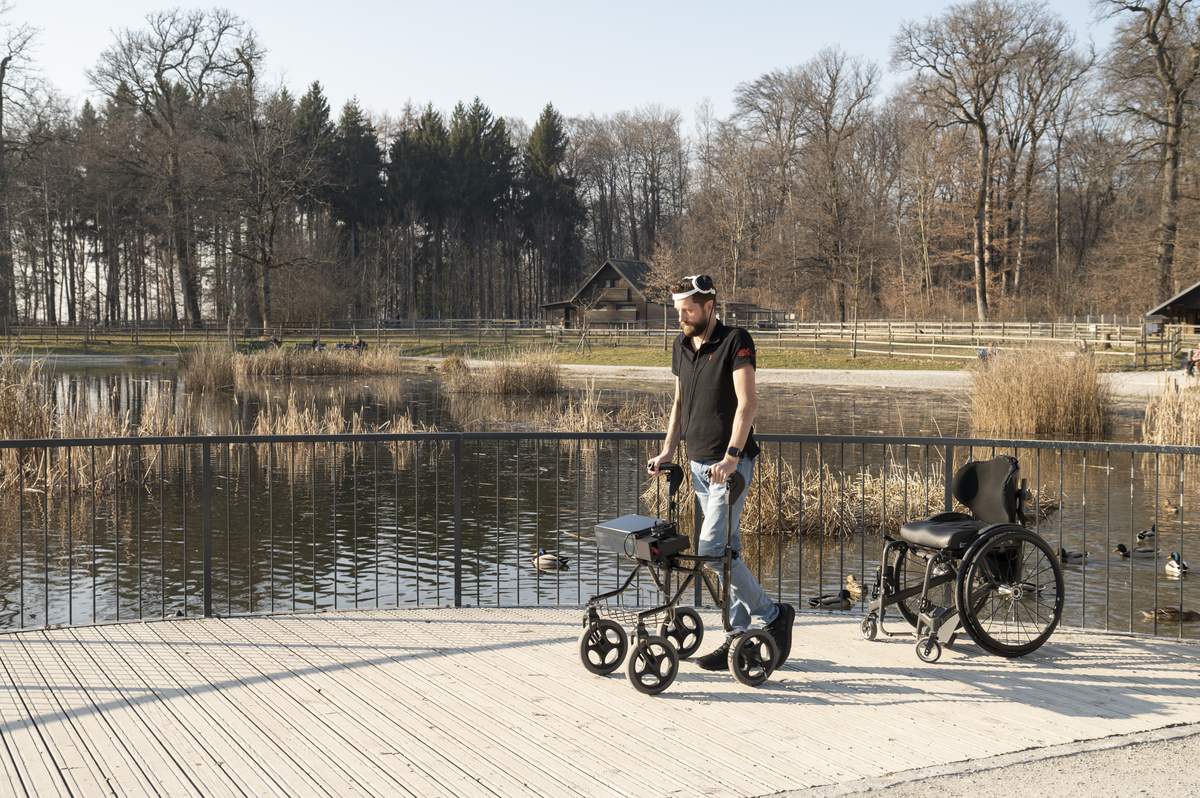
In 2011, Gert-Jan Oskam was in a motorcycle accident that left him paralyzed below his waist. Now, thanks to special electronics in his brain and spinal cord, he can stand and walk, controlling these actions himself.