

In today's news roundup, a plane that crashed in Iran may have been shot down, Travelex's money exchange business has been hit by ransomware, and scientists put 3-D glasses on cuttlefish.
Published in “Europe”

A beautiful small village in Austria is being overrun with tourists, partly because it looks like the village from the movie "Frozen". The town's mayor is actually hoping that many tourists will stay away.

In today's news roundup, a strike by French workers has become France's longest strike in 50 years, Germany cuts long-distance train travel prices, and drivers in Washington state find themselves covered in tumbleweeds.
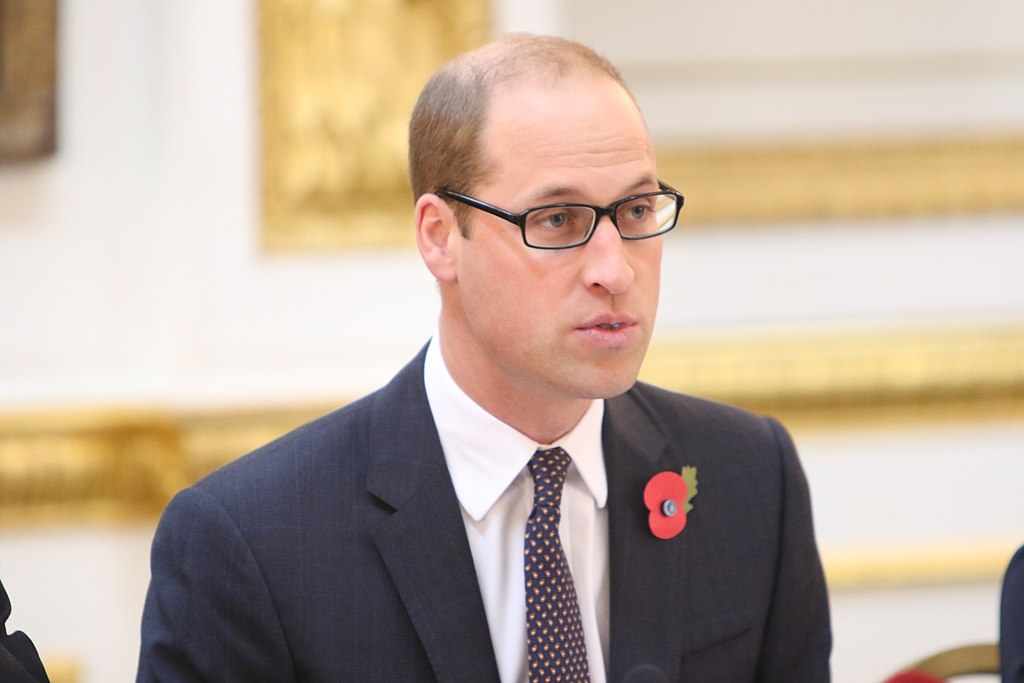
Britain’s Prince William has announced a new award, called the “Earthshot Prize”, which is meant to encourage people to make big, important changes to help deal with the problems facing the Earth today.

In today's news roundup, China responds strongly to negative comments from soccer star Mesut Özil, a Christmas song hits number one 25 years after it was recorded, and the US stops trading with the imaginary country of Wakanda.

In today's news roundup, Australia has record heat as it continues to fight strong bushfires, Italy's "Sardines" pack together to protest, and Fallon Sherrock becomes the first woman to beat a man during the World Darts Championship.

Over the last two weeks, leaders from around 200 countries took part in a United Nations meeting in Madrid, Spain on the climate crisis. The meeting ended Sunday with several important problems not solved.

In today's news roundup, Bougainville clearly votes to leave Papua New Guinea, 34-year-old Sanna Marin becomes prime minister of Finland, and Greta Thunberg is named Person of the Year by Time magazine.

United Kingdom Prime Minister Boris Johnson's Conservative party has won the UK election, taking control of the House of Commons. This clears the path for Mr. Johnson to push through his plan to leave the European Union.

Workers in France are entering into their fifth day of strikes. They are protesting against the government's planned changes to the country's retirement system, which pays people when they stop working.

In today's news roundup, NATO holds a tense meeting marking its 70th year, protests in Colombia continue, and group that formed to protect apostrophes has given up.