
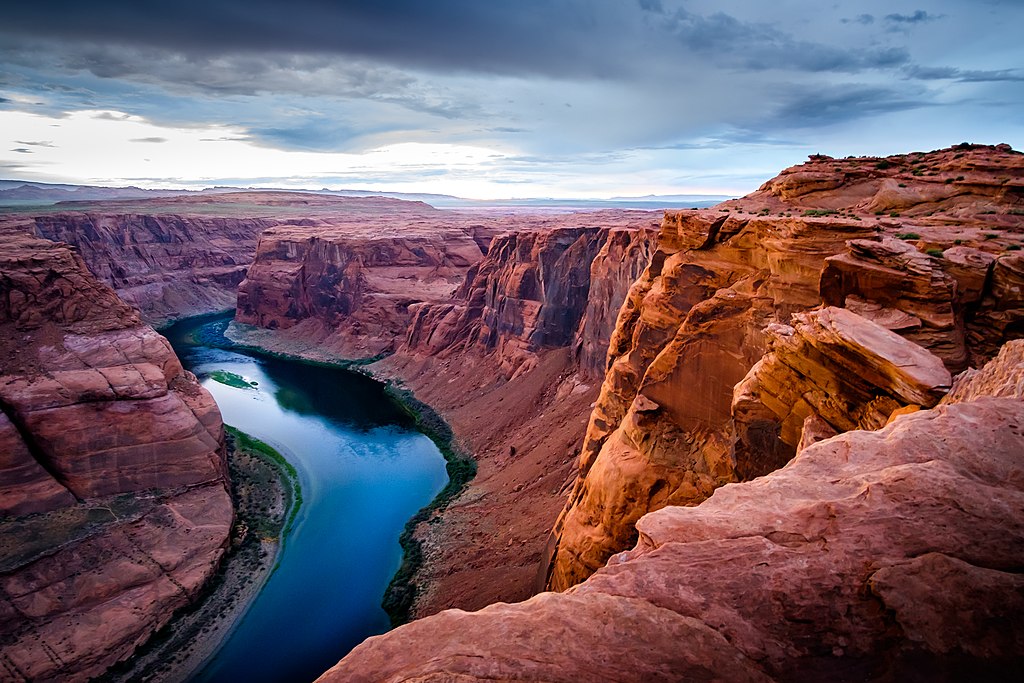
On Monday, California, Arizona, and Nevada reached an agreement to cut back on the amount of water they take from the Colorado River. The plan represents progress in tackling the river's shortage of water. But stronger cuts will be needed to keep this important river from running dry.
Published in “Science”

Canada's western provinces are being hit hard by wildfires. Alberta has been hit especially hard. The fires have forced thousands of people to leave their homes, and heavy smoke from the fires has spread far beyond the region.
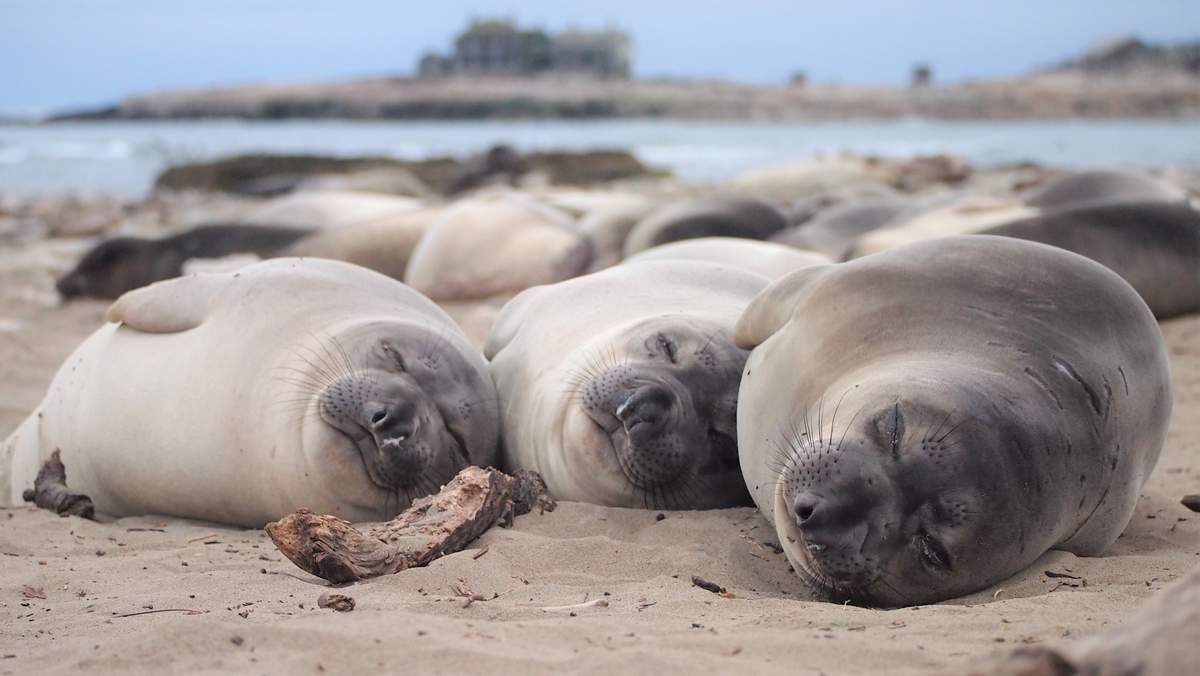
If you've ever seen elephant seals lying on a beach, you might think all they do is sleep. But now scientists have discovered that when elephant seals are in the ocean, they hardly sleep at all. On average, the seals sleep just two hours a day.
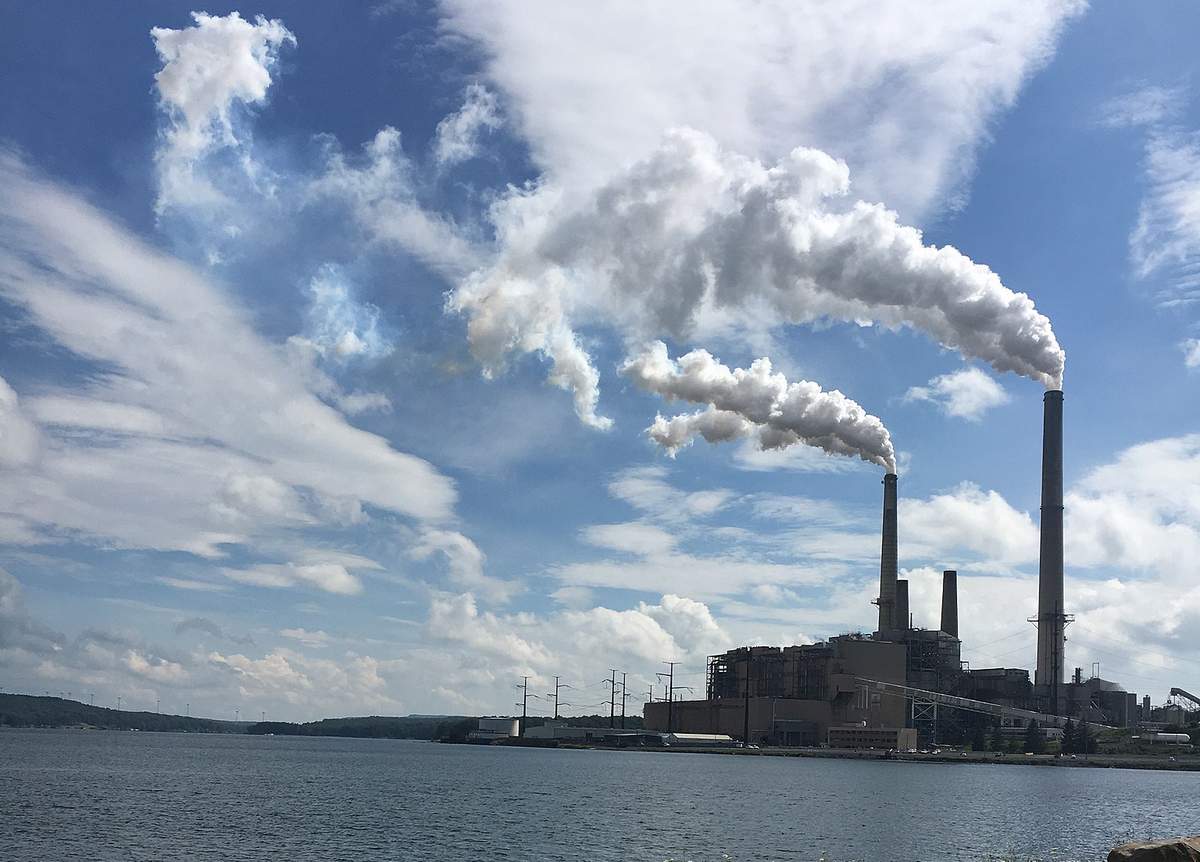
The US Environmental Protection Agency has suggested new rules for limiting the amount of pollution that power plants running on coal and gas can release. The new rules would almost completely end carbon dioxide emissions from these power plants by 2035.

Scientists have created a new tool that can turn people's thoughts into words. It works by using an Artificial Intelligence program to translate brain activity into words. The scientists say the program could help people who can't speak because of a brain injury.

On Friday, the World Health Organization announced that the coronavirus pandemic is not a global emergency anymore. The disease is now spreading much more slowly than before. The WHO says Covid-19 is still a problem, but the hardest part of the pandemic is over.
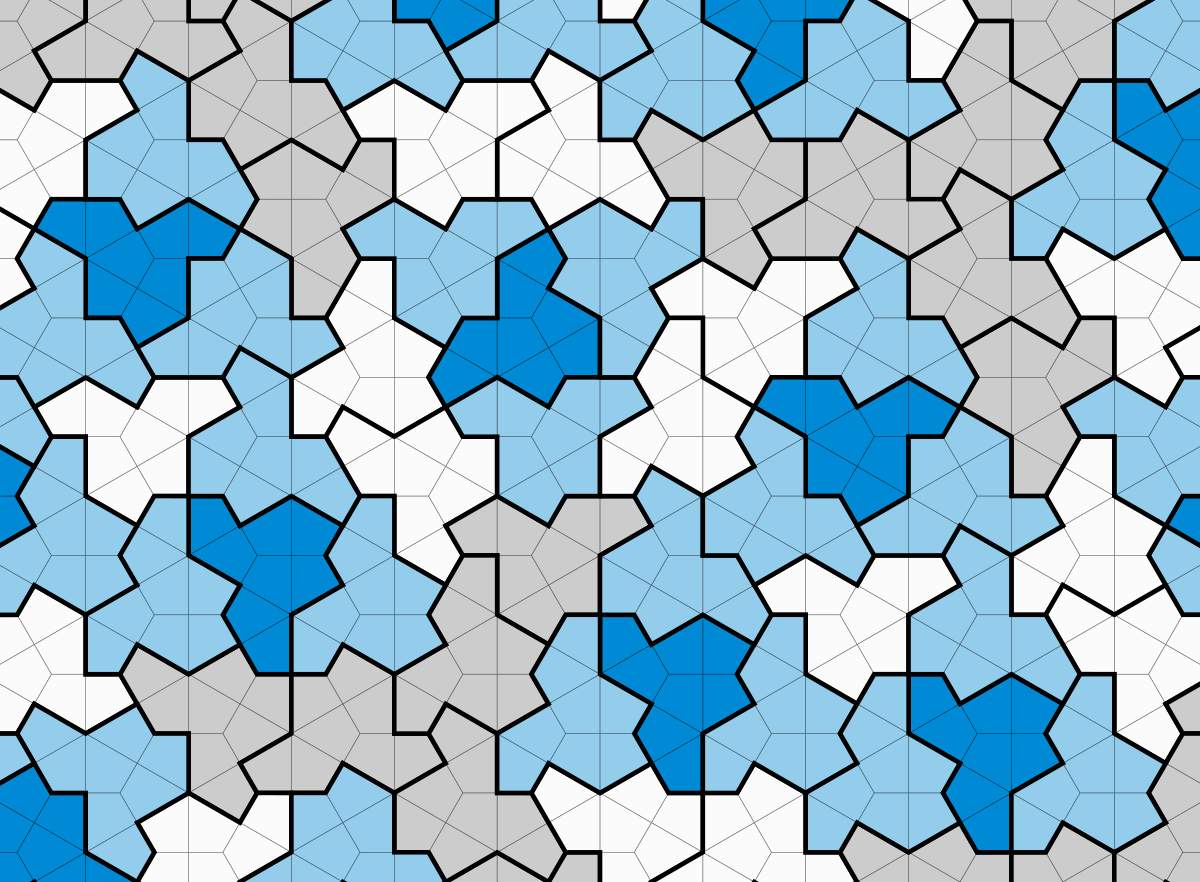
Mathematicians are excited about a new discovery: a 13-sided shape called "the hat". Lots of copies of the shape can be used to cover a flat surface without ever overlapping or leaving any gaps. Importantly, the patterns made with the hat never repeat.
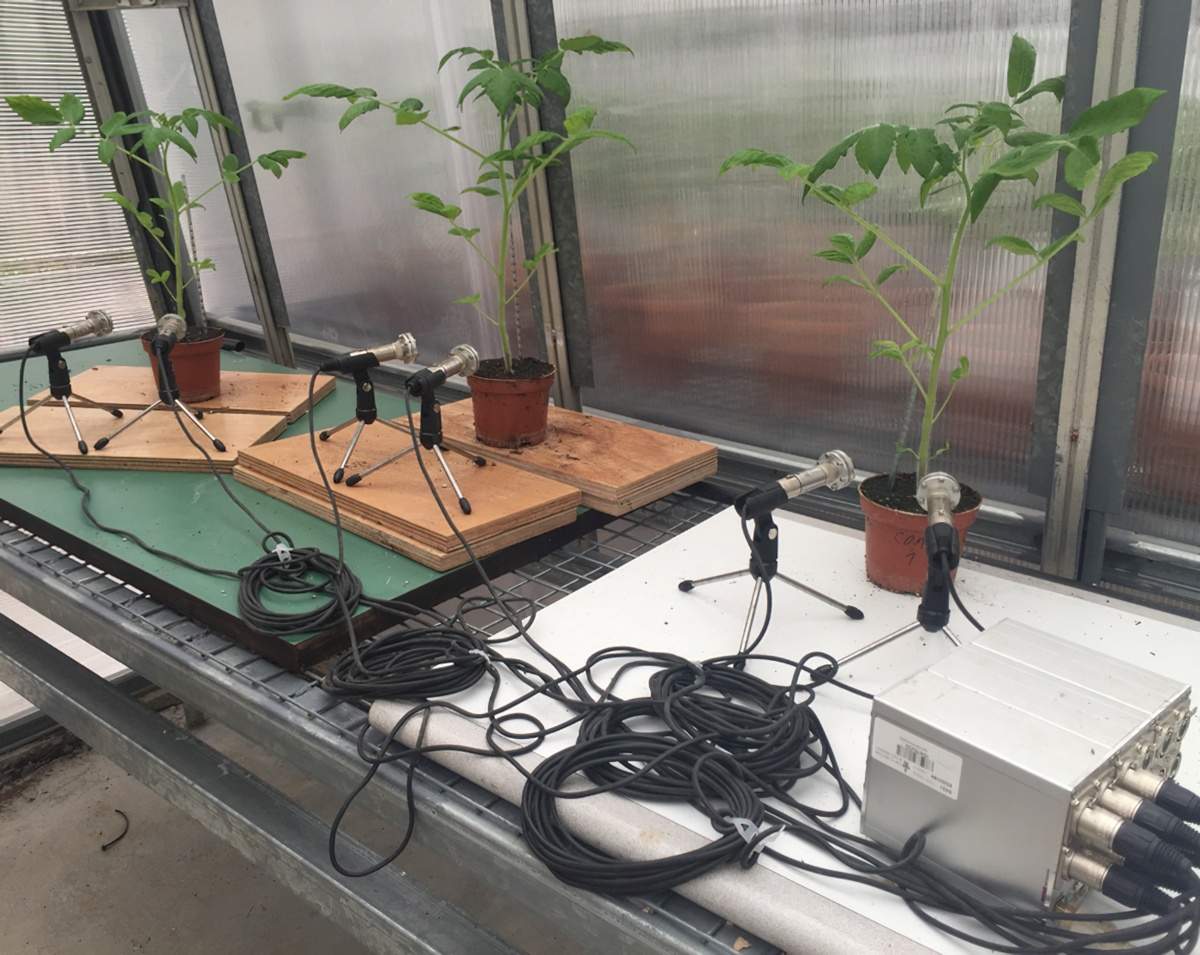
Scientists have known for years that plants respond to sounds around them. For example, flowers make sweeter nectar to the sound of buzzing bees. But now scientists in Israel have shown that plants also seem to be doing some "talking".
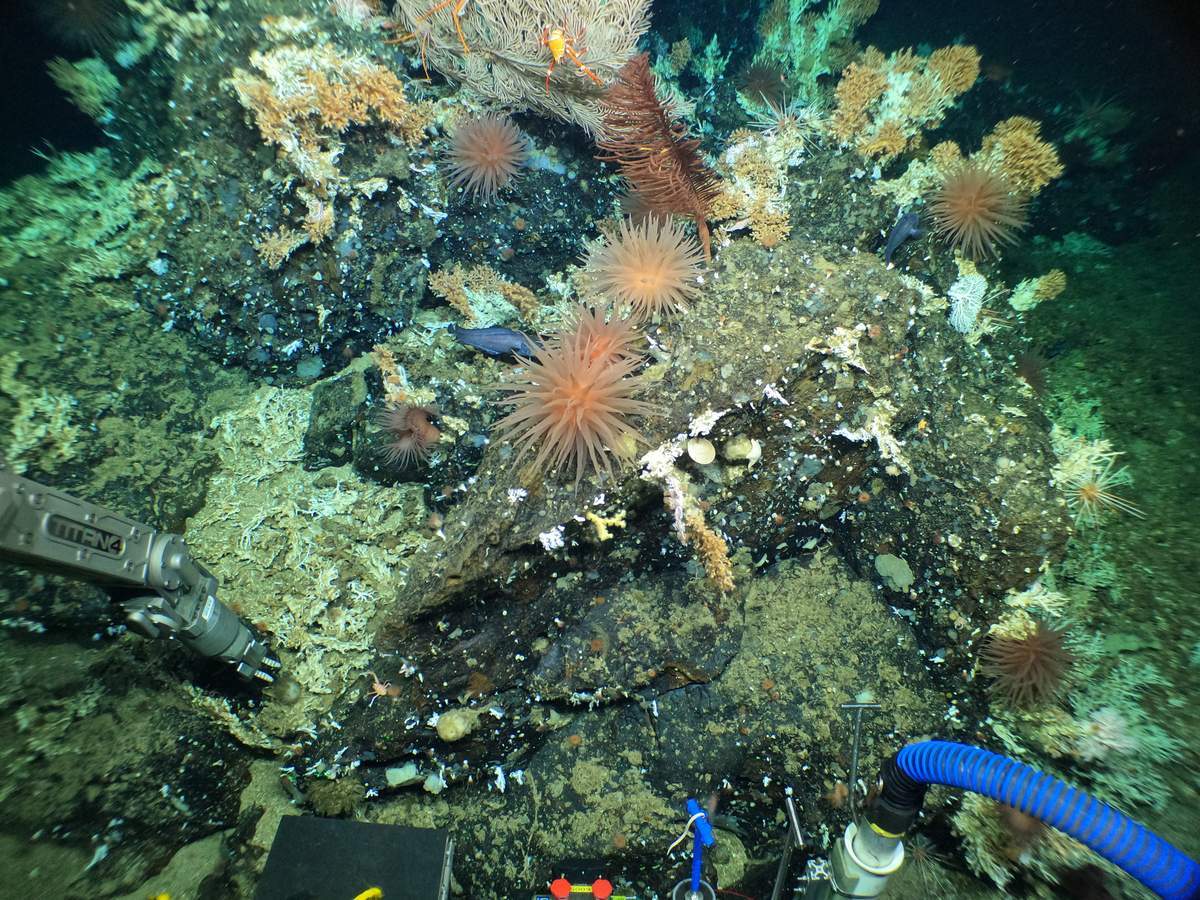
Scientists exploring the ocean around the Galapagos Islands have discovered a healthy, active coral reef, deep below the surface of the sea. The reef is unusual because it is so healthy, and has not been damaged by humans.

Scientists at the University of Central Florida have created a new kind of paint that's super light and super tough. The colors in the new paint aren't at all like those in most paints. Instead, they're more like the colors on a butterfly's wings.
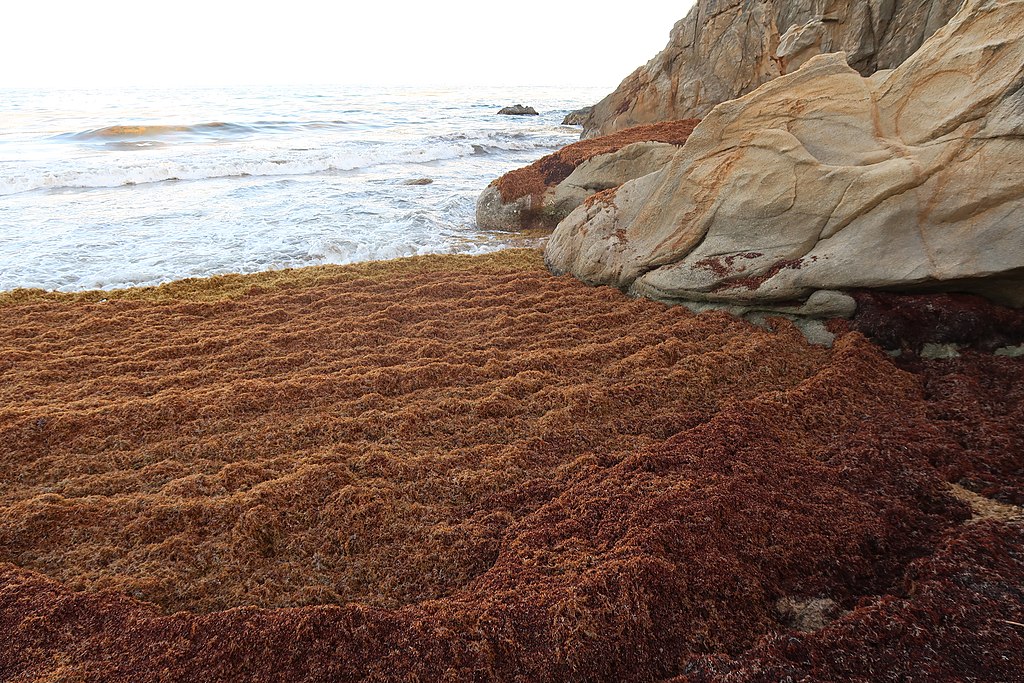
A massive raft of floating seaweed called sargassum is headed toward the coasts of Mexico and the southern United States. Sargassum rafts have been growing in size every year. When they land, they cause big problems.