
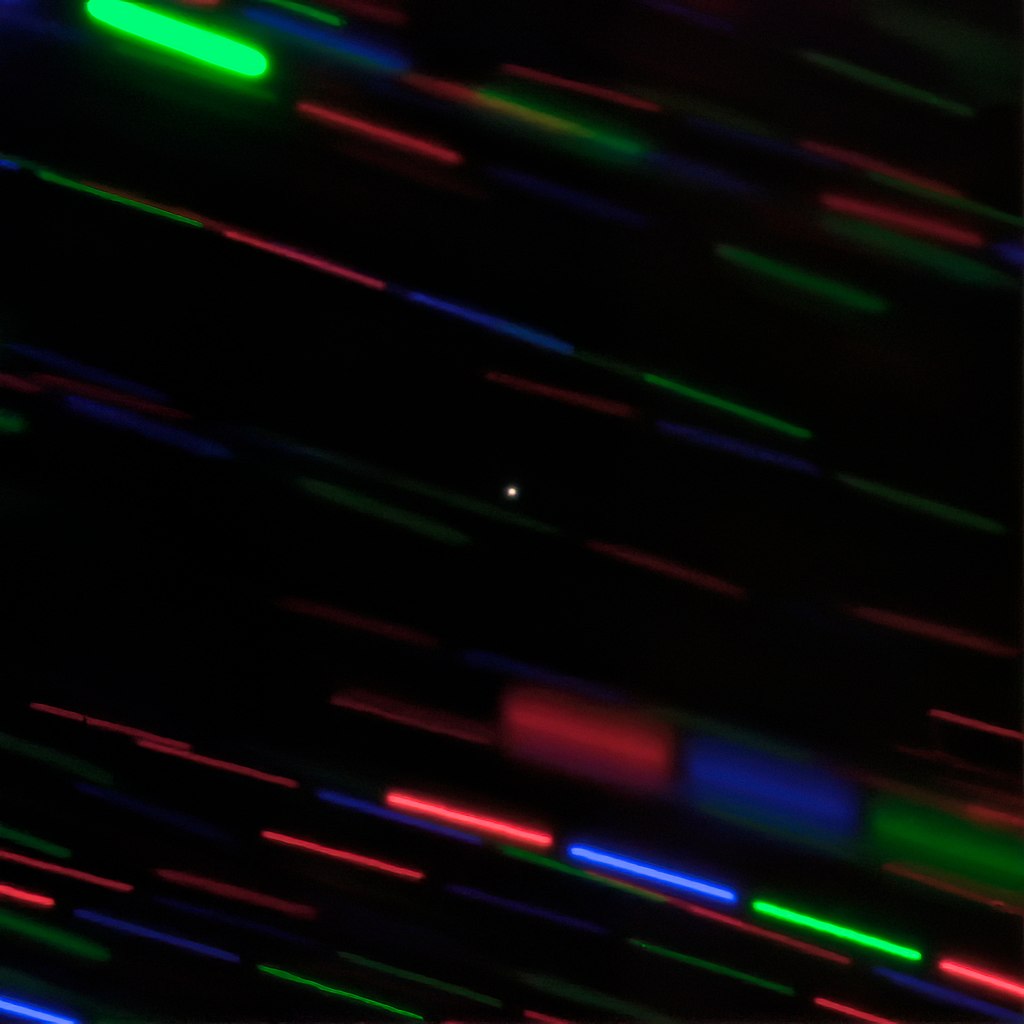
Right now, for a short period of time, the Earth has two moons. One moon is the one you know. The other is a tiny car-sized moon that showed up in the last few years and could leave within the next month.
Posts tagged as “science”
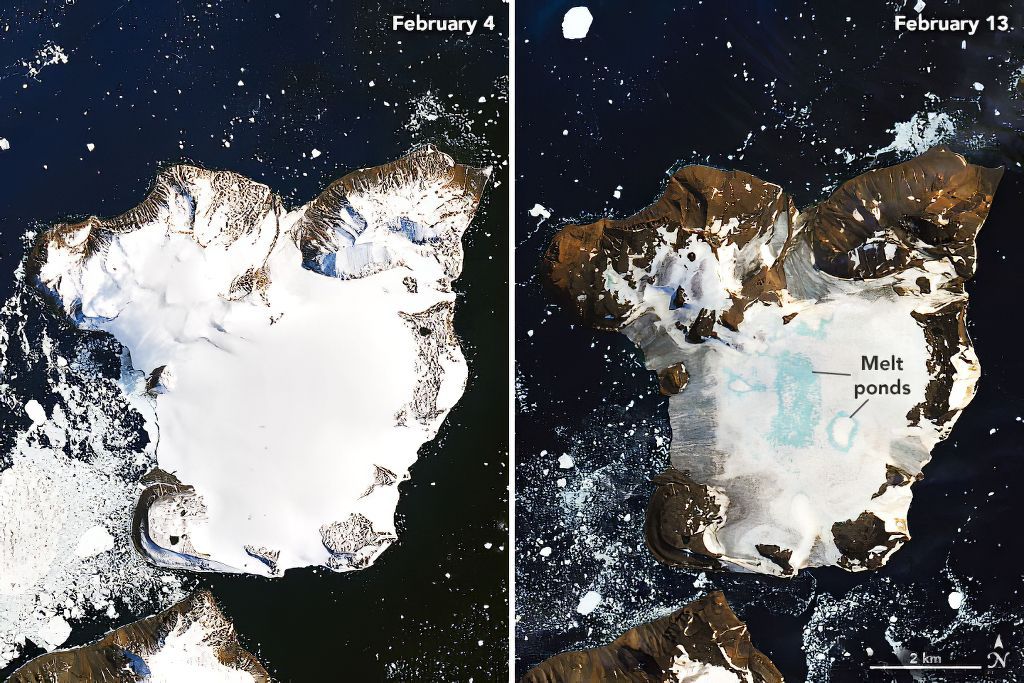
A period of very warm temperatures in Antarctica has caused unusually heavy melting in the most northern areas of the continent. Eagle Island, off the Antarctic peninsula, lost 4 inches (106mm) of snow and ice in just nine days.
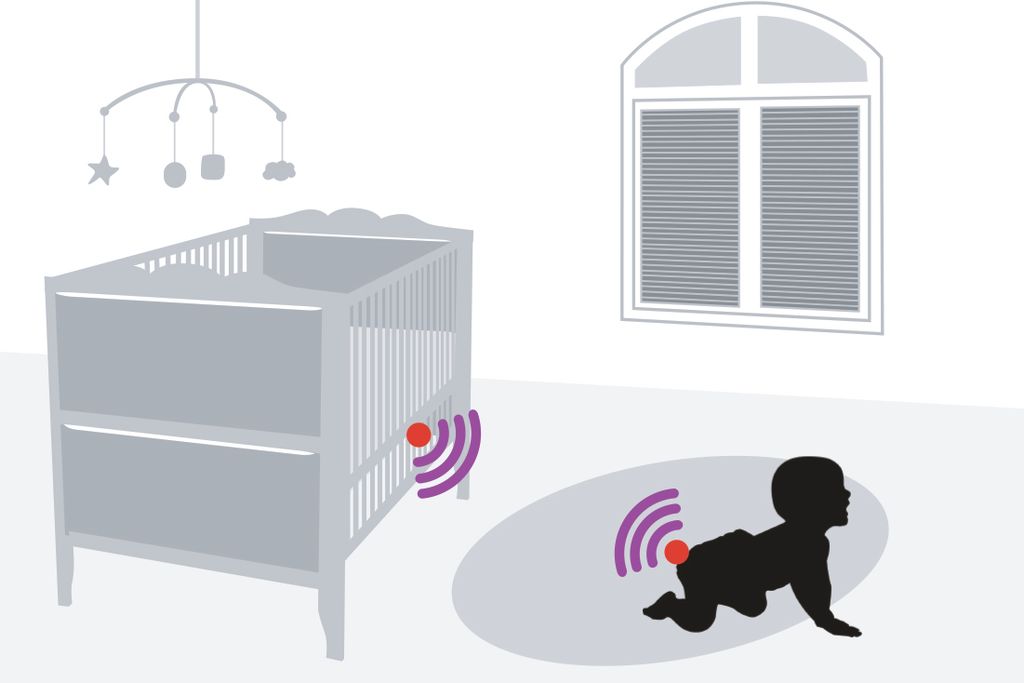
Scientists at MIT have developed a "Smart Diaper" that can call for a change when it's wet. Adding the technology to the diapers wouldn't cost much and could improve both comfort and health care.
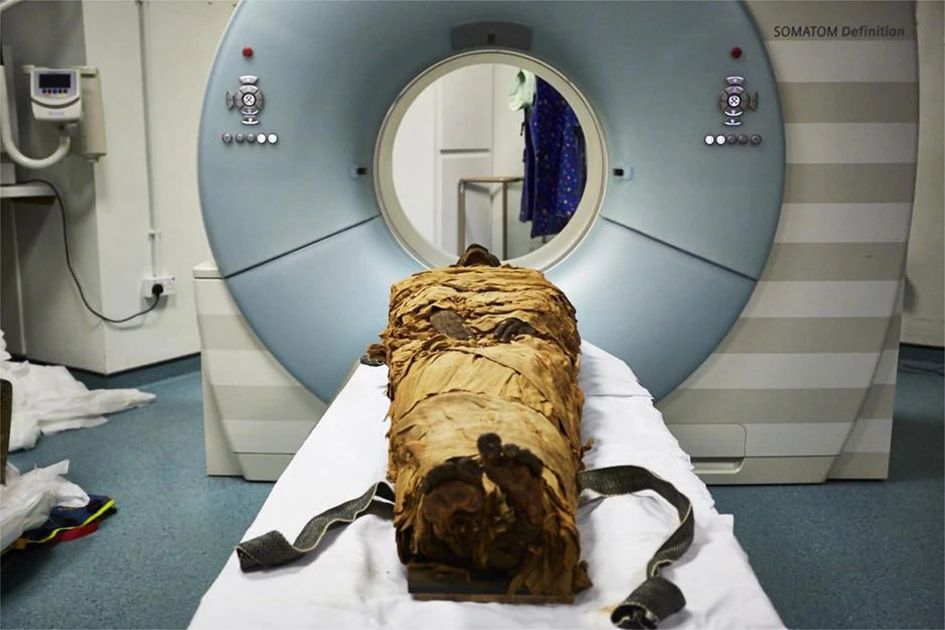
Scientists have used modern technology to recreate the voice of an Egyptian mummy who's been dead for 3,000 years. During his lifetime, the mummy was a priest whose job was to sing and chant.
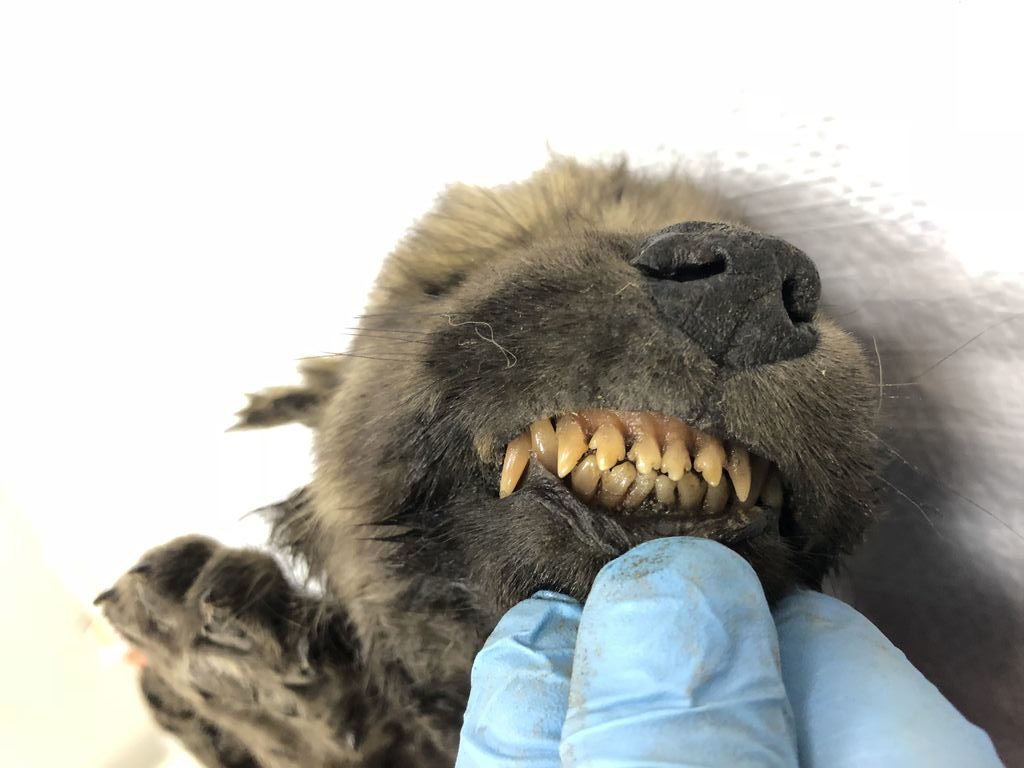
Scientists are puzzled by the body of an 18,000-year-old puppy that was found frozen in the ground in Siberia. In spite of careful testing, scientists still can't tell if the animal is a dog or a wolf.
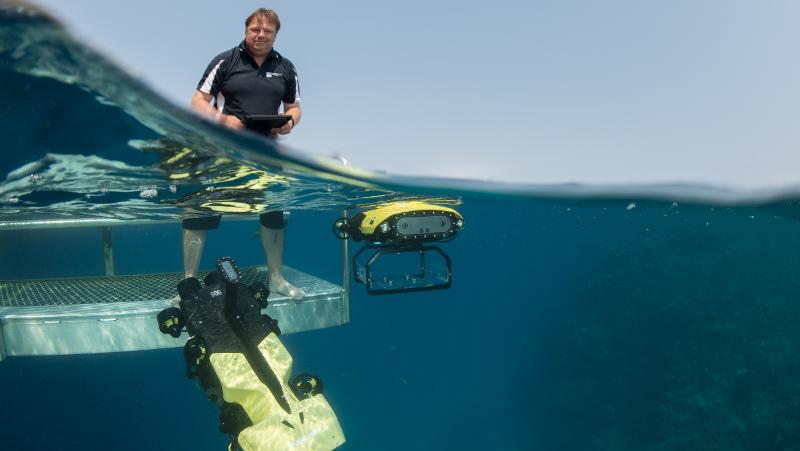
There's new hope for corals in areas of the Great Barrier Reef damaged by warmer waters caused by climate change. Experts are using robots and clever methods to deliver millions of new baby corals.
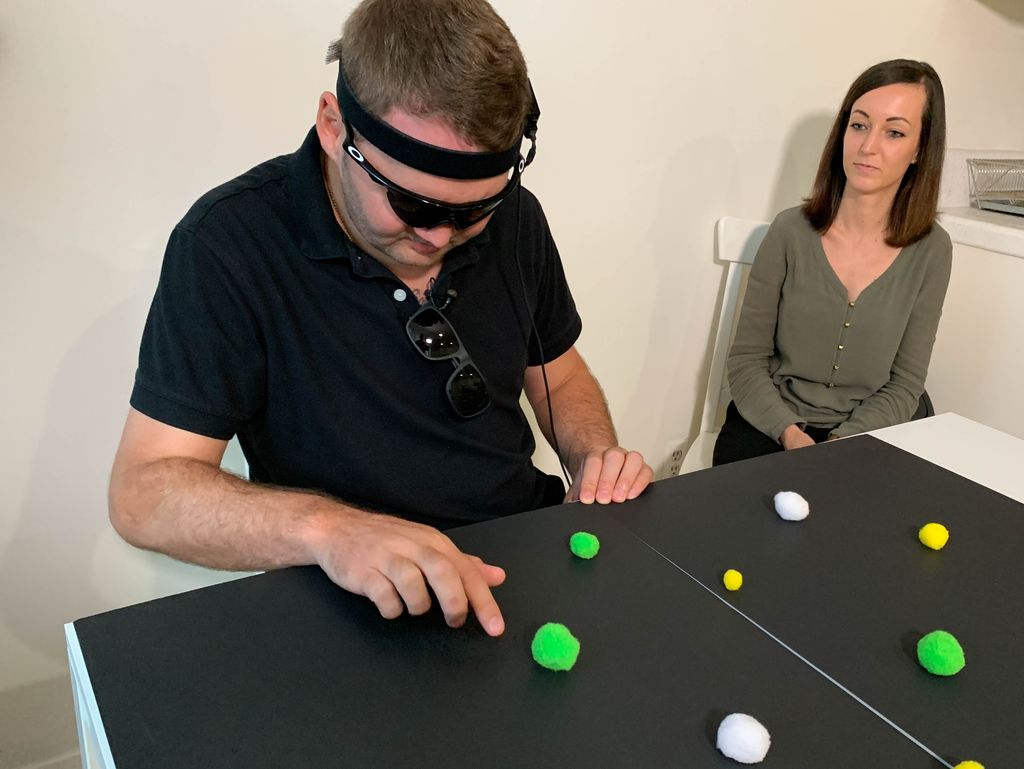
When Jason Esterhuizen was 23, an accident left him blind. Now, eight years later, special glasses and a device inside his brain are allowing him to make out some details of the world around him.

Four years ago, the countries of the world promised to cut pollution in order to fight climate change. Now the United Nations (UN) is warning that instead of going down, global pollution levels are going up.
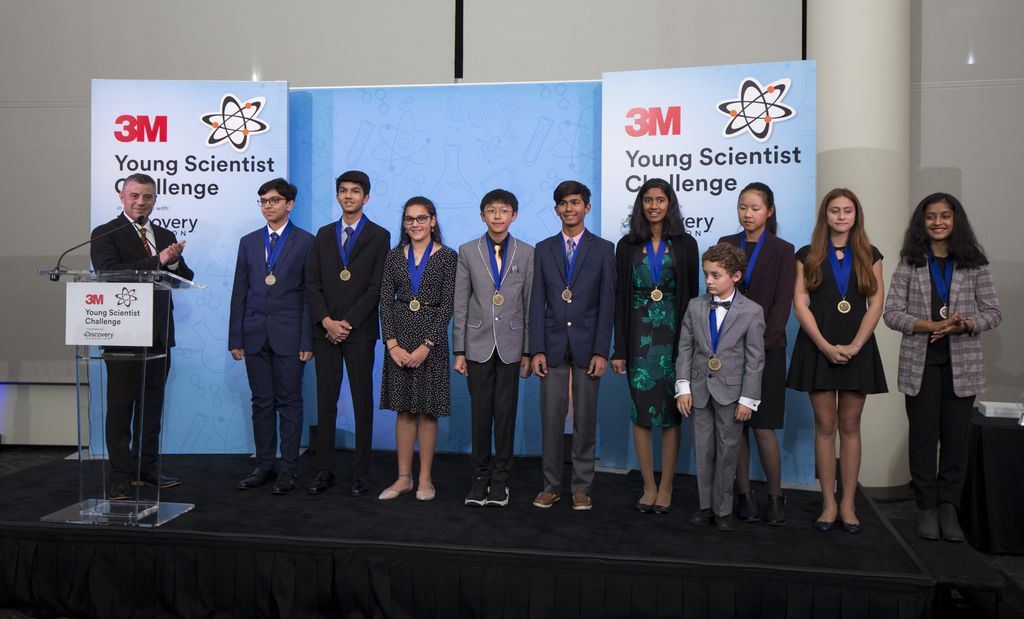
On October 30, 3M announced the results of its 2019 Young Scientist Challenge. 14-year-old Kara Fan's spray-on bandage beat out several other creative solutions to some of the world's biggest problems.
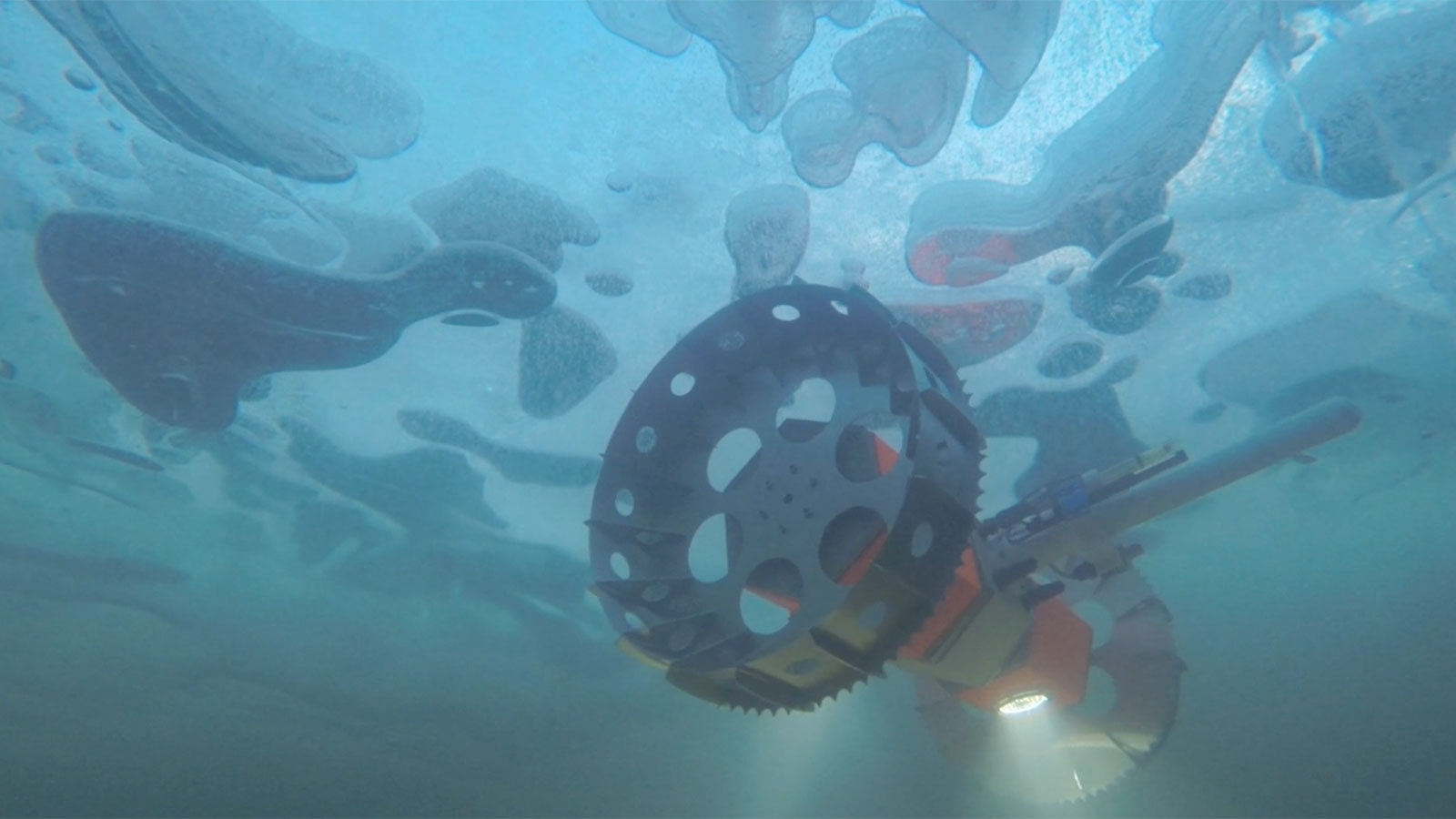
In today's news roundup, the US House's public hearings into President Trump's Ukraine deal end, Shinzo Abe becomes Japan's longest-serving prime minister, and NASA plans to test an underwater ice rover in Antarctica.
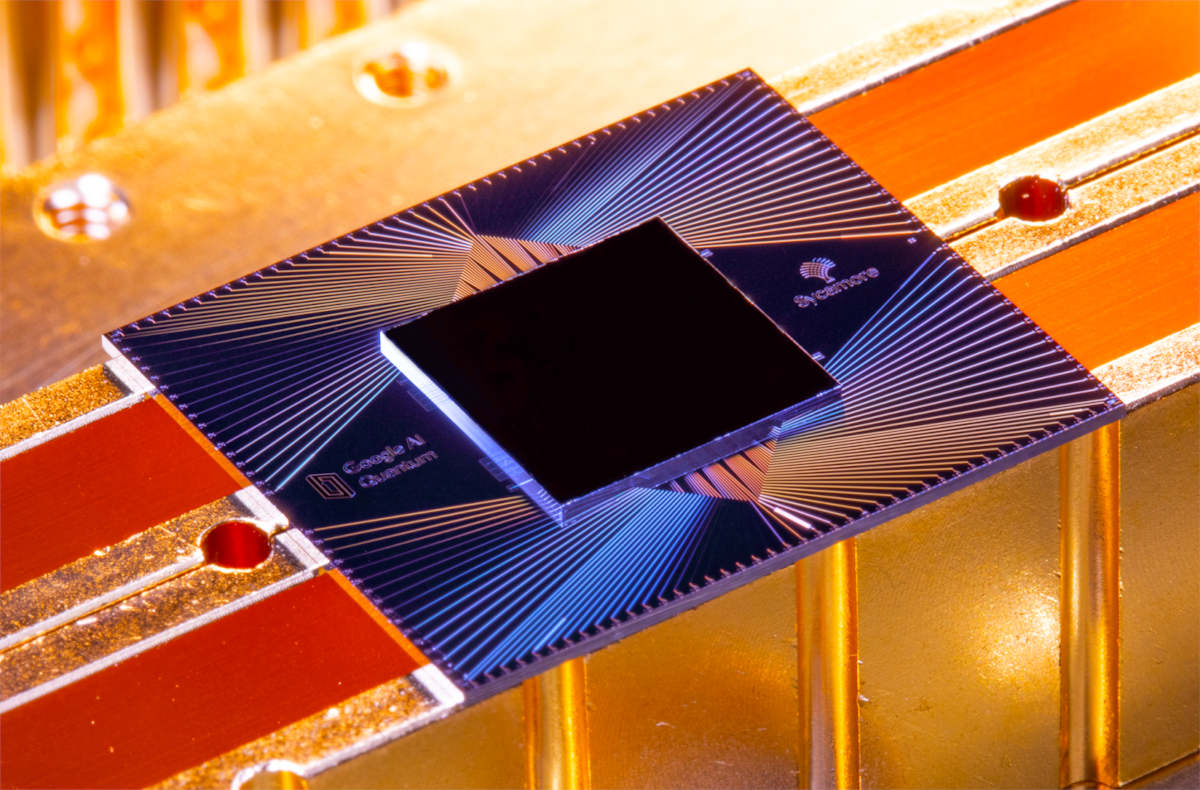
Google scientists say they have used a special "quantum computer" to complete a calculation that would take the fastest computers in the world up to 10,000 years to solve. It took Google's computer 200 seconds.