
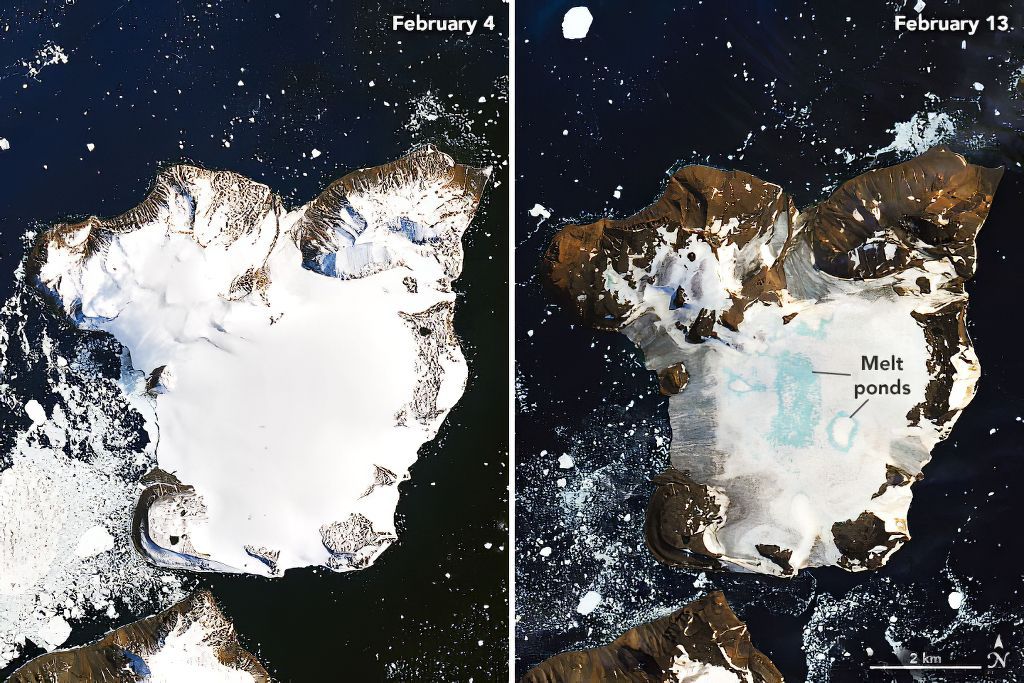
A period of very warm temperatures in Antarctica has caused unusually heavy melting in the most northern areas of the continent. Eagle Island, off the Antarctic peninsula, lost 4 inches (106mm) of snow and ice in just nine days.
Published in “Environment”

In today's news roundup, locusts continue to spread through East Africa, the world's richest man gives $10 billion to fight the climate crisis, and Ontario's new license plates are nearly impossible to read at night.
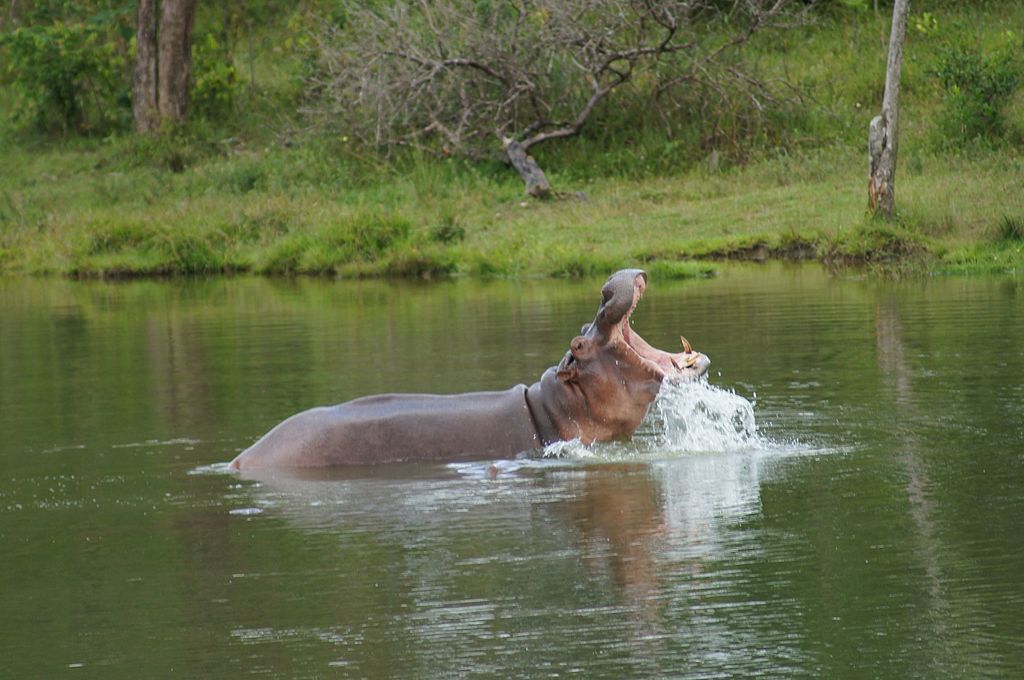
A few hippos that were brought to Colombia for a zoo have been running wild for over 25 years. Their numbers are growing rapidly and causing problems for other animals in the South American country.

As countries around the world work to lower their pollution in order to take on the climate crisis, some unusual groups are joining the effort - the same companies that are causing the most pollution.

In today's news roundup, heavy rains in Australia bring the country's worst bushfires under control, the UK and Northwestern Europe are pounded by strong storms, and 20-year-old Armand Duplantis sets the world pole vault record - twice.
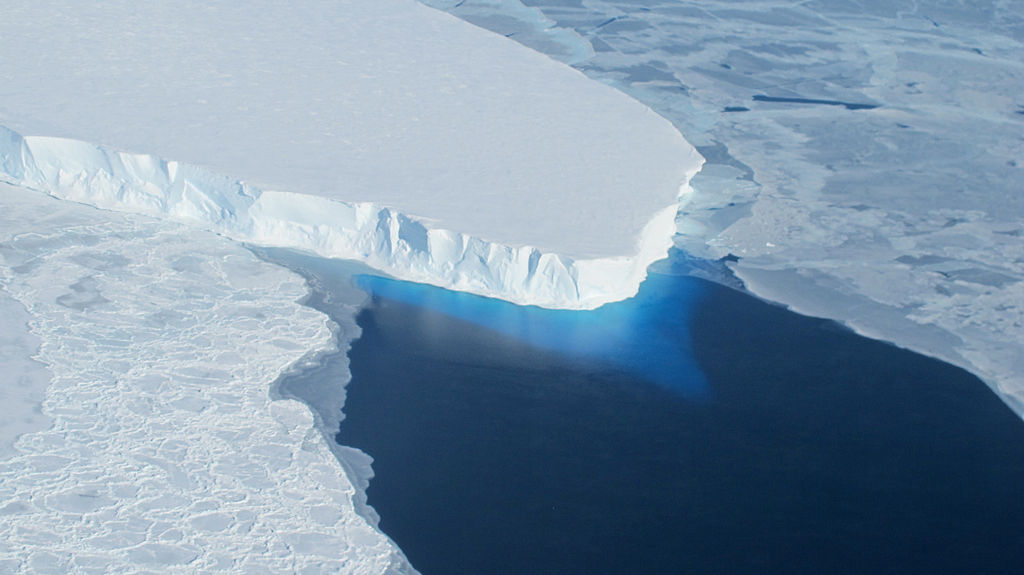
In today's news roundup, Antarctica records its highest temperature ever, Kenya's long time president, Daniel arap Moi, dies, and the owner of a pet food company eats dog food for 30 days.
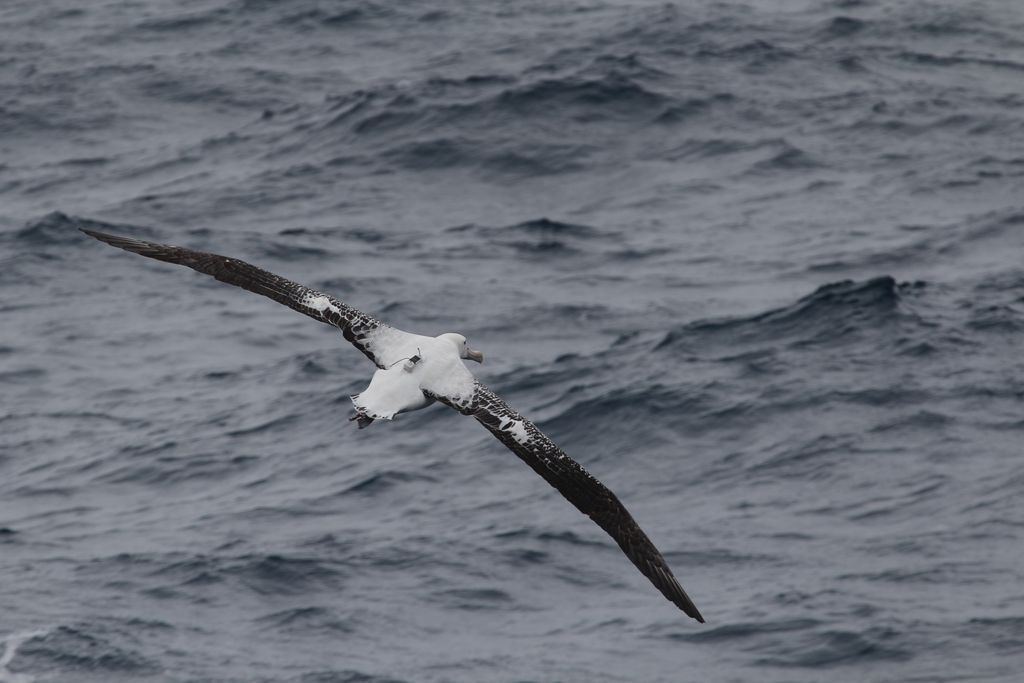
Scientists have turned albatrosses into ocean spies by placing special radar tracking devices on them. The seabirds, which spend weeks at a time over the open ocean, collected information on boats fishing illegally.
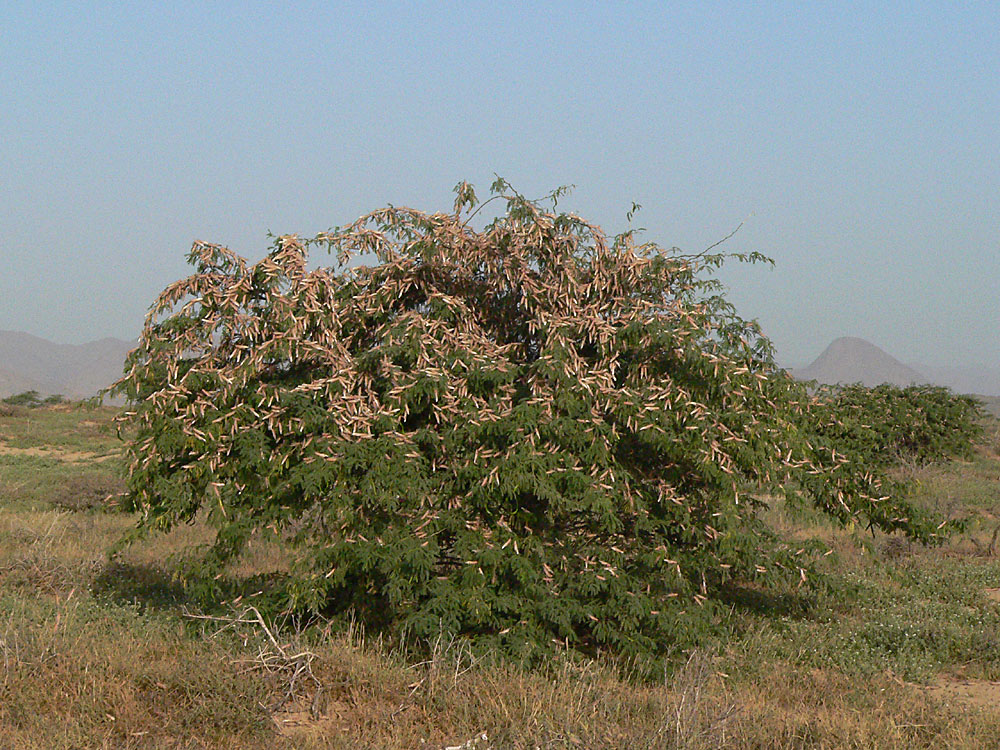
Huge swarms of locusts are attacking farms and fields in the East African countries of Ethiopia, Kenya, and Somalia. Billions of insects are moving through the area, destroying crops in the worst locust invasion in years.

In today's news roundup, a billionaire's offer to pay doctors has ended a four-month strike by Zimbabwe's doctors, Australia struggles with severe weather in addition to bushfires, and Switzerland puts out the smallest gold coin ever.
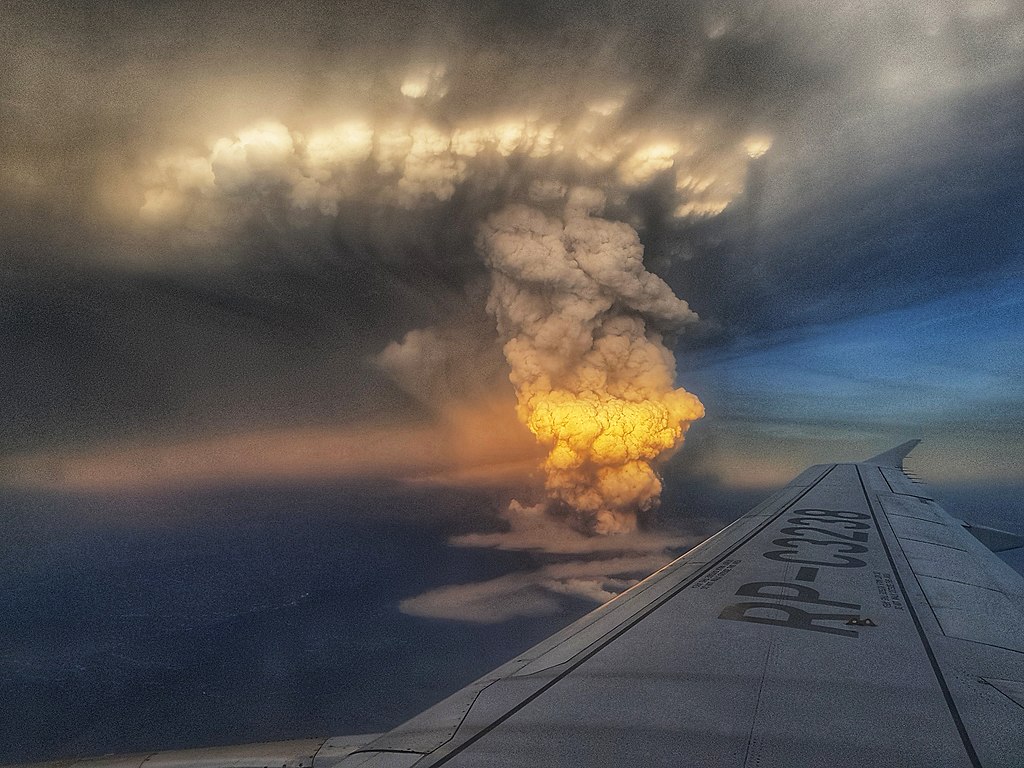
On Sunday, Taal Volcano in the Philippines erupted violently. Over 82,000 people have been forced to leave the area around the volcano. Many are eager to return to care for their farms and the animals they depend on.

The island nation of Palau has made sunscreens with certain chemicals in them against the law. The move is meant to protect its coral reefs, which are one of the main reasons people visit the country.