
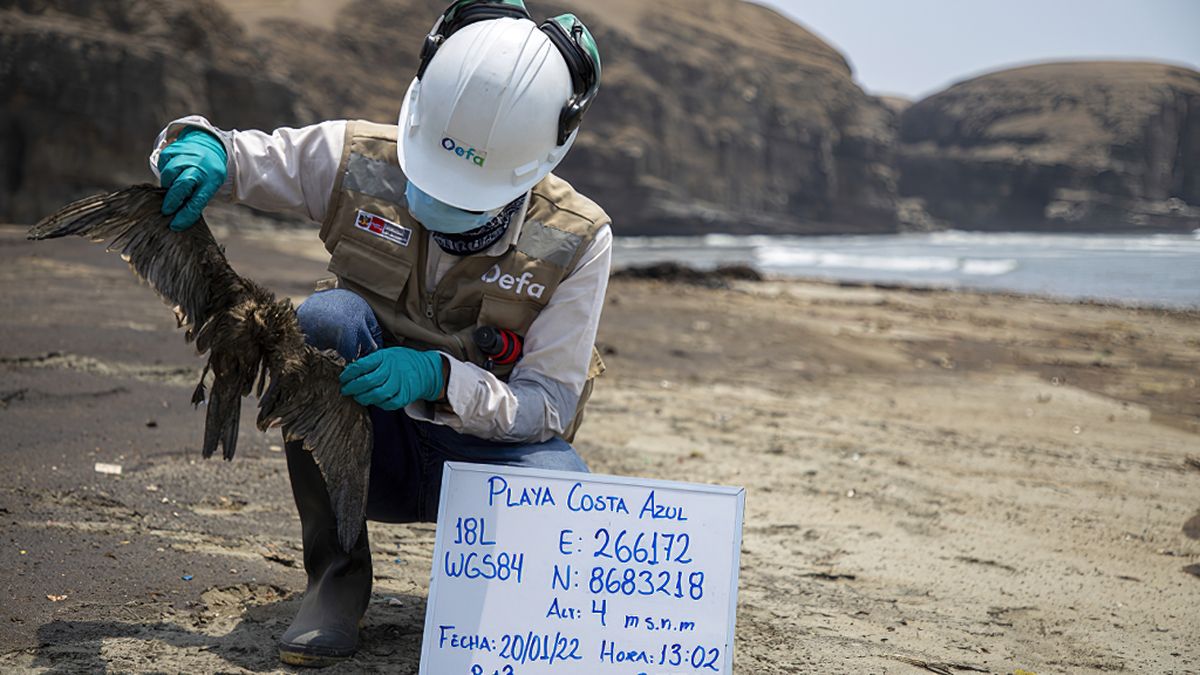
When a volcano in Tonga erupted on January 15, the effects were felt around the world. Peru - all the way across the Pacific Ocean - is now trying to clean up an oil spill caused by the eruption. The spill is killing animals and polluting the area.
Published in “Science”
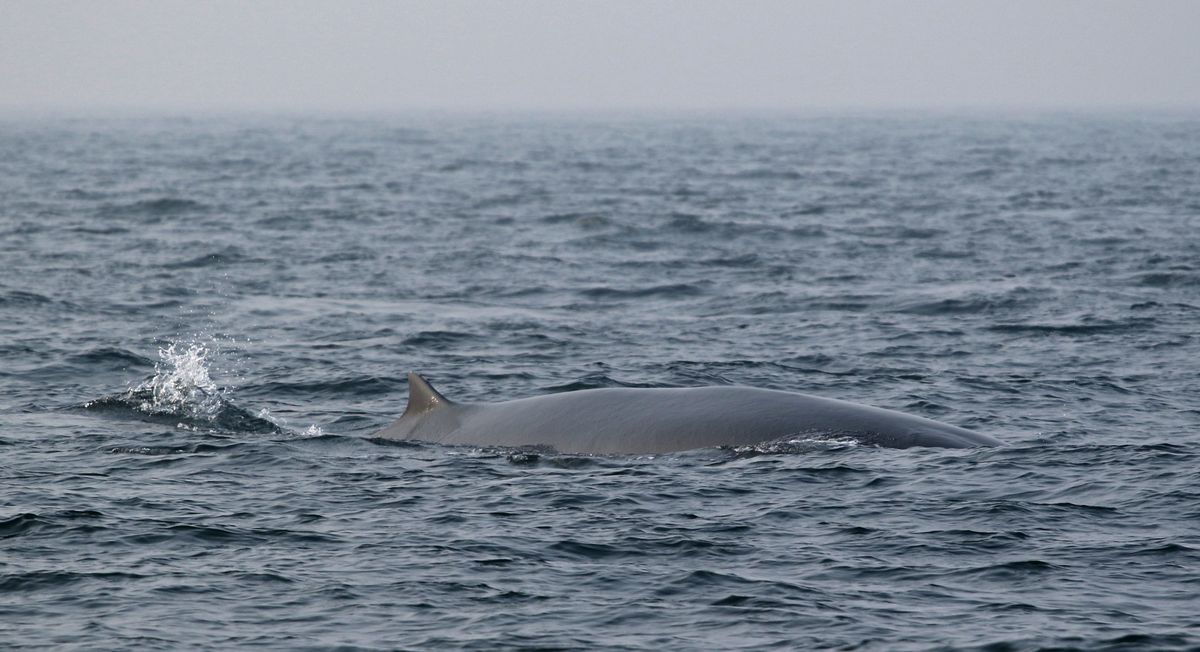
Worldwide, many groups are pushing governments to protect 30% of the world's oceans by 2030. Today, NFK looks at new marine reserves created by Ecuador and Bangladesh in an effort to protect large areas of the oceans near them.
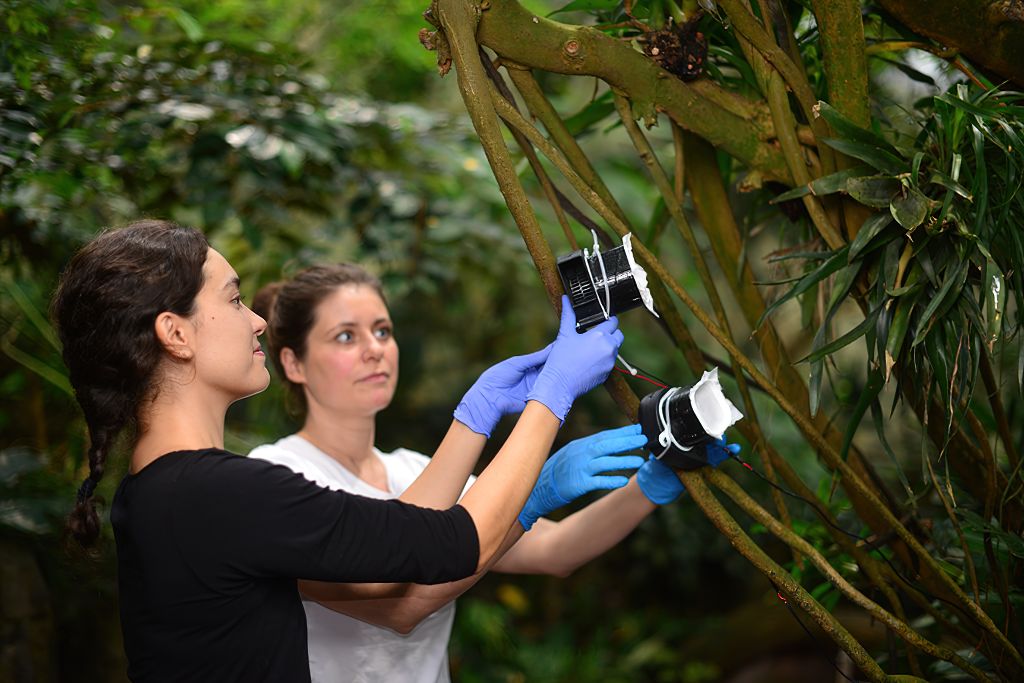
Scientists have come up with a new way of identifying animals in an area - by testing DNA sucked out of the air. The researchers believe their new method could help scientists keep track of animals that are hard to spot, including endangered animals.
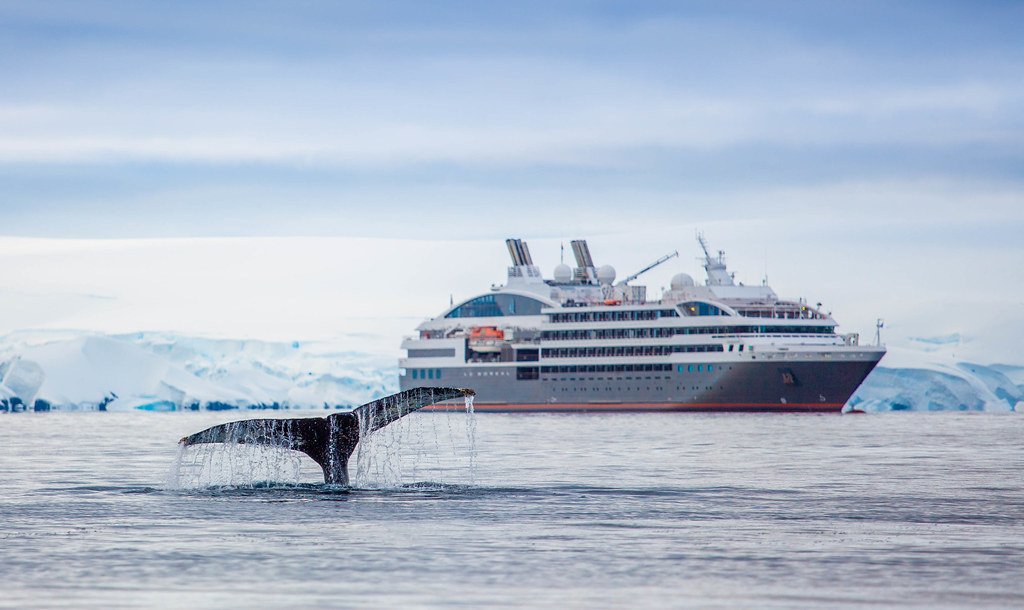
Antarctica is one of the hardest to reach places on Earth. But a recent report reveals that ships going to Antarctica have connections to ports around the world. That greatly raises the chance that plants or animals from outside could invade this protected area.
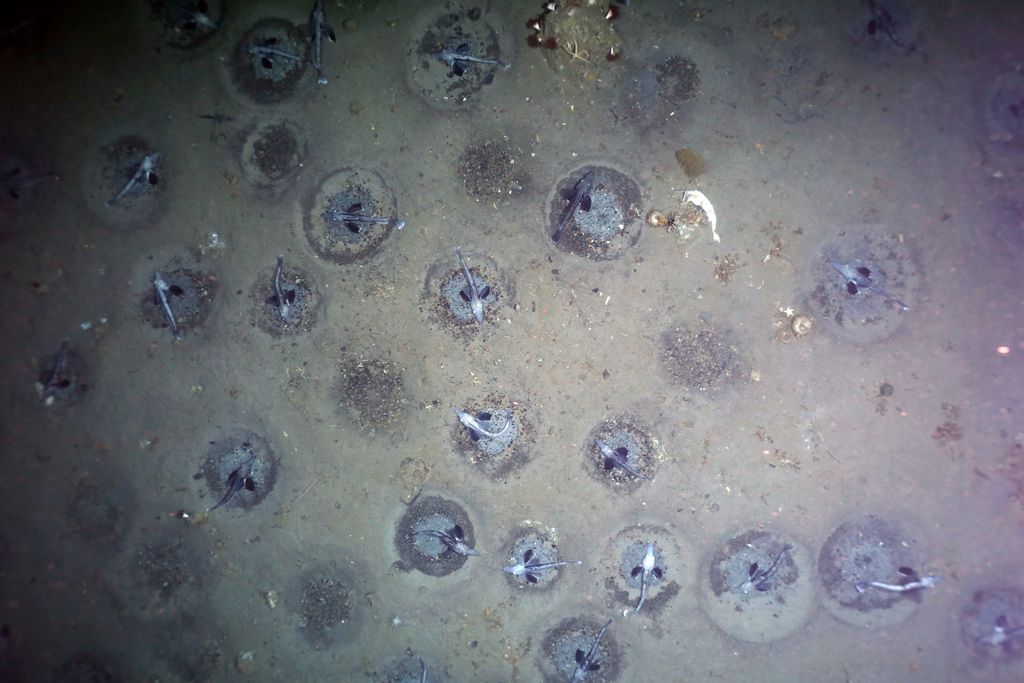
Scientists exploring the ocean floor in Antartica have found the largest group of fish nests ever discovered. The huge area of nests came as a surprise, and will help scientists develop a more complete idea of the ocean food web in the area.
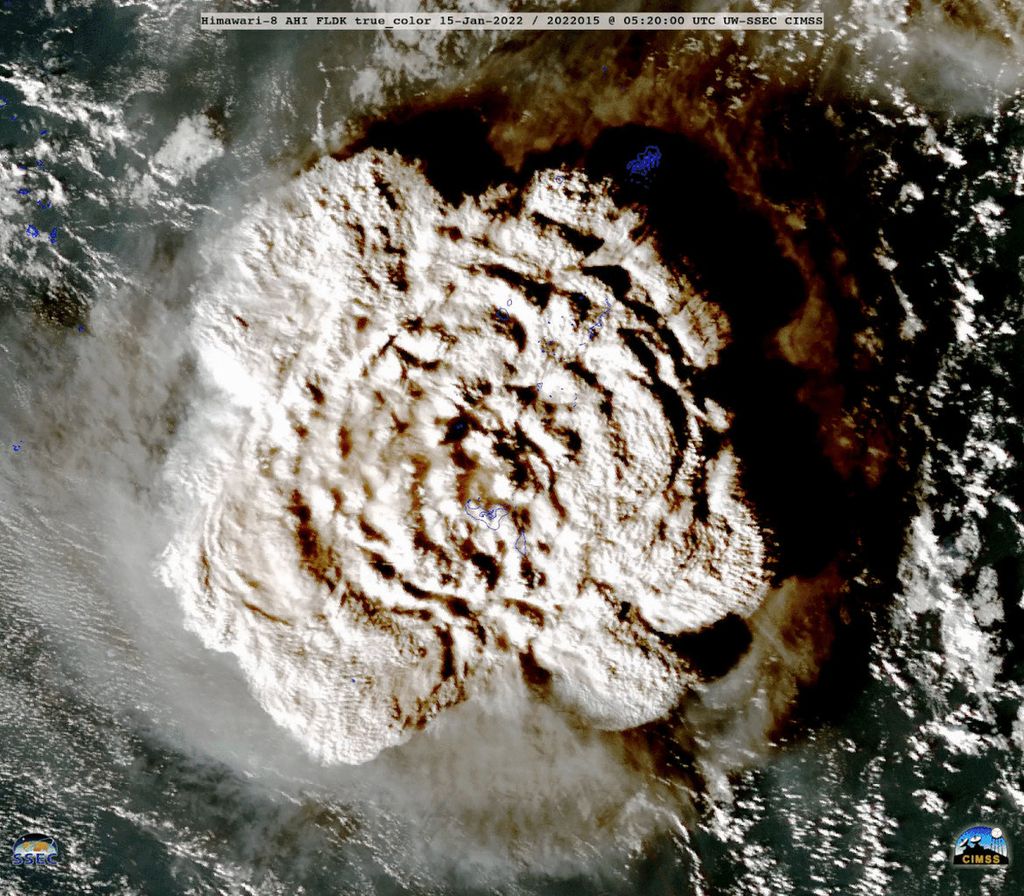
On Saturday, an underwater volcano erupted in the South Pacific Ocean near Tonga. The damage in Tonga isn't fully known yet. But the massive explosion raised concerns of tsunamis all through the Pacific and as far away as the west coast of the United States.
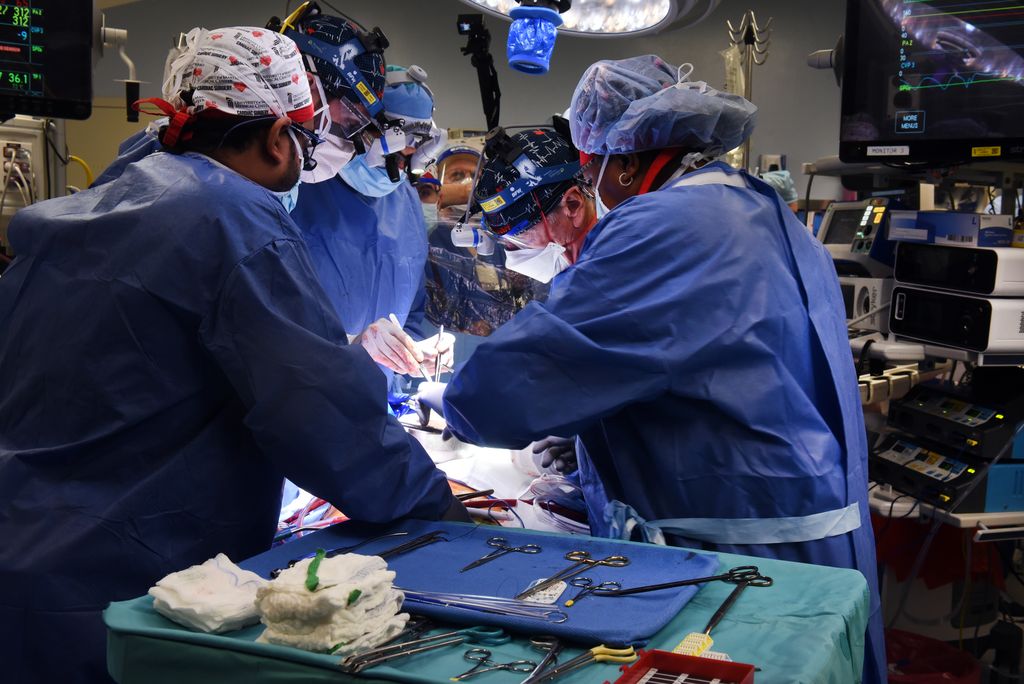
Last Friday, doctors at the University of Maryland Medical Center successfully replaced the heart of a very sick man with a specially-grown pig's heart. It's the first time this surgery has ever been done. After three days, the patient appears to be doing very well.

In today's news roundup, the United States marks one year since its Capitol was attacked by supporters of Donald Trump, five major nuclear powers say a nuclear war should never be fought, and BMW shows off an electric car that can change colors.
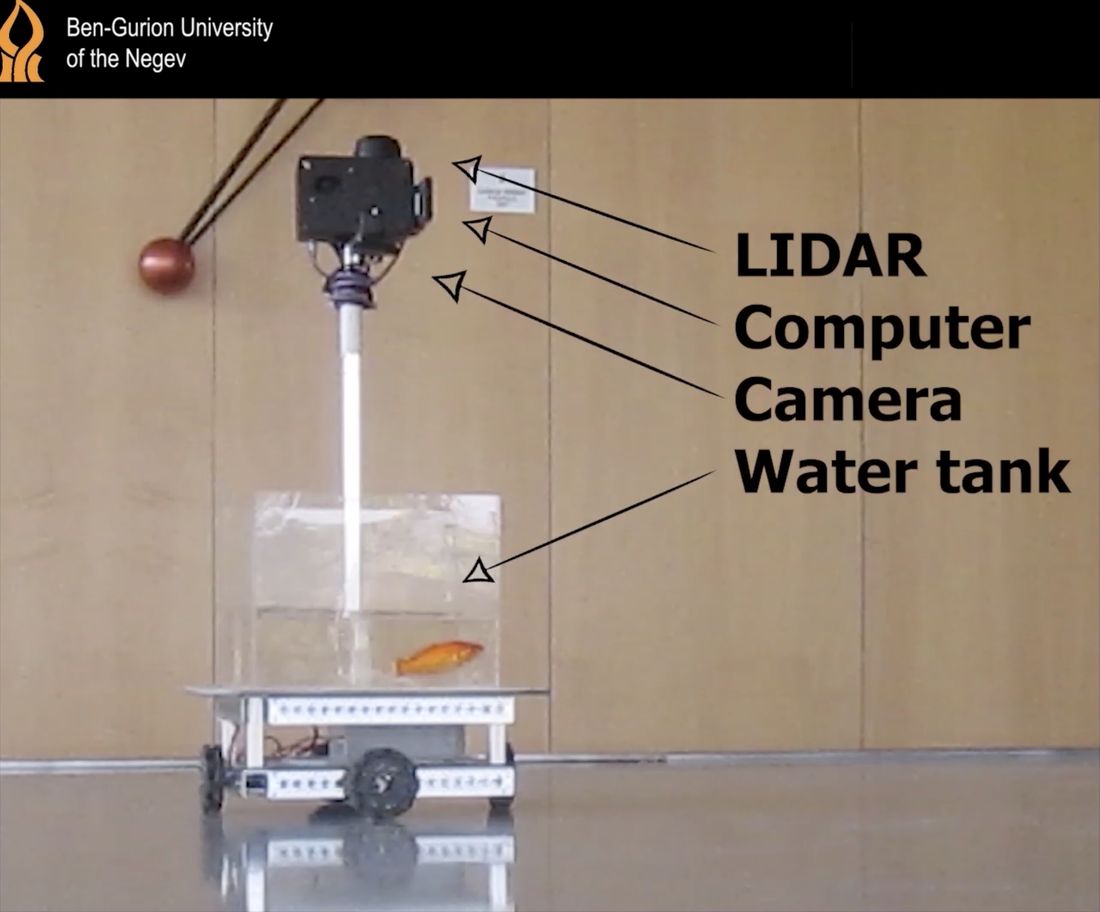
Scientists in Israel have taught goldfish an unusual way to reach a target - by driving a small robotic car on dry land. The experiment was designed to test whether goldfish could find their way in conditions very different from their natural living conditions.
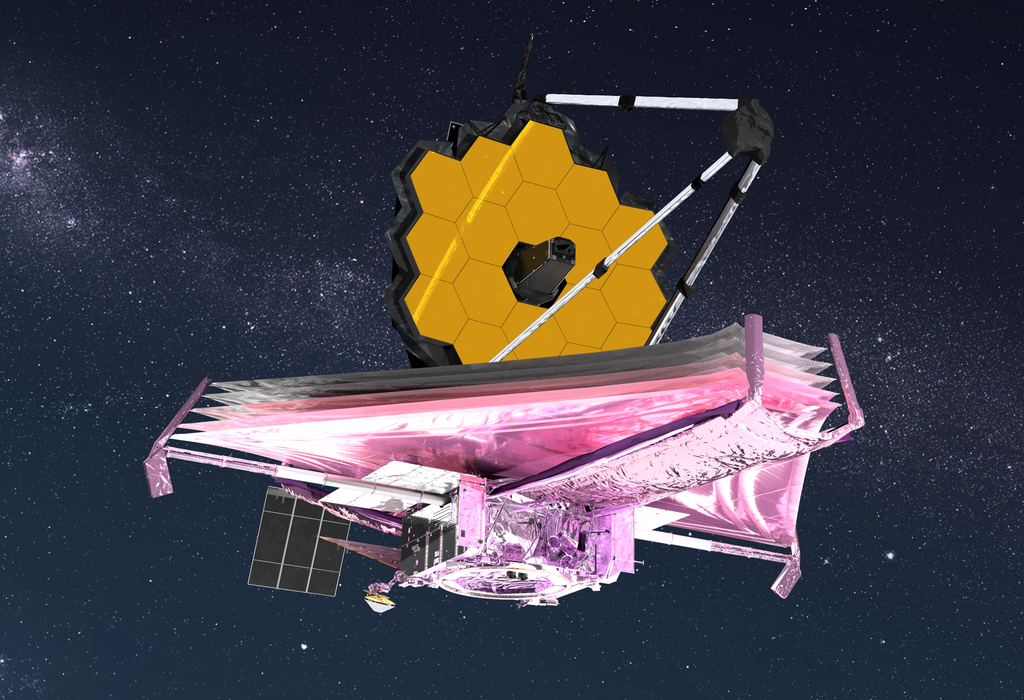
On December 25, the James Webb Space Telescope was launched into space. The telescope is expected to teach scientists much about how stars, galaxies, and systems of planets develop, and could bring new information about the early history of the universe.
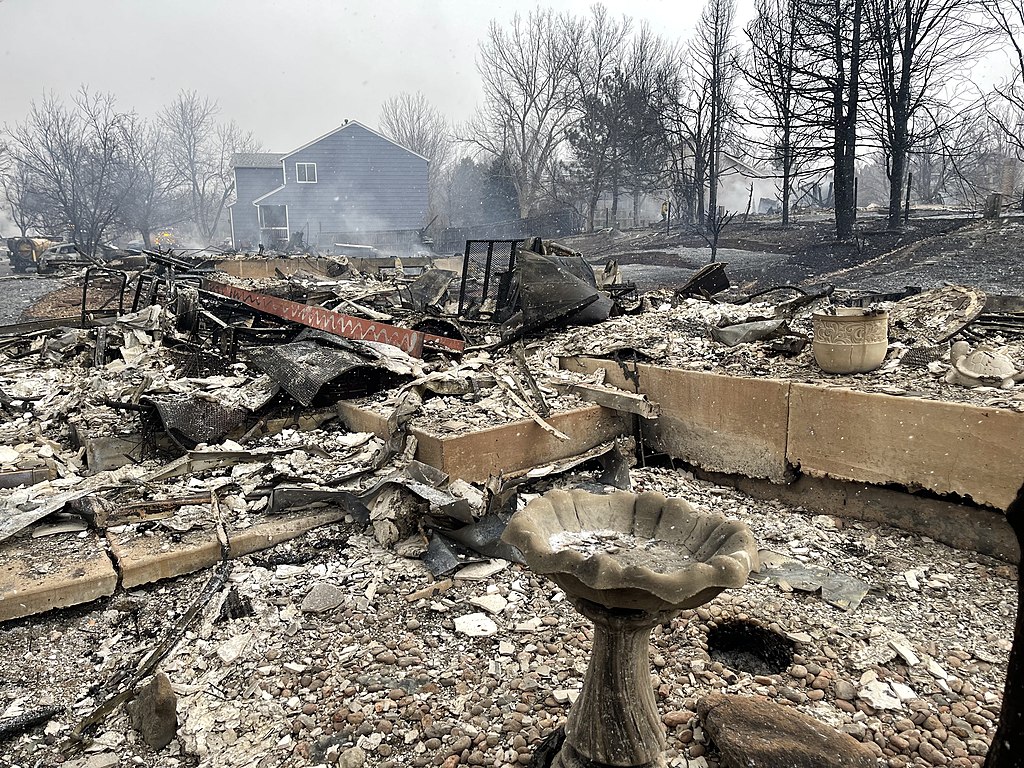
Two towns in Boulder County, Colorado are struggling to recover after terrible wildfires destroyed nearly 1,000 buildings. A snowstorm on Saturday put out the wildfires, but brought new problems as it dumped nearly 10 inches (25 centimeters) of snow in the area.