
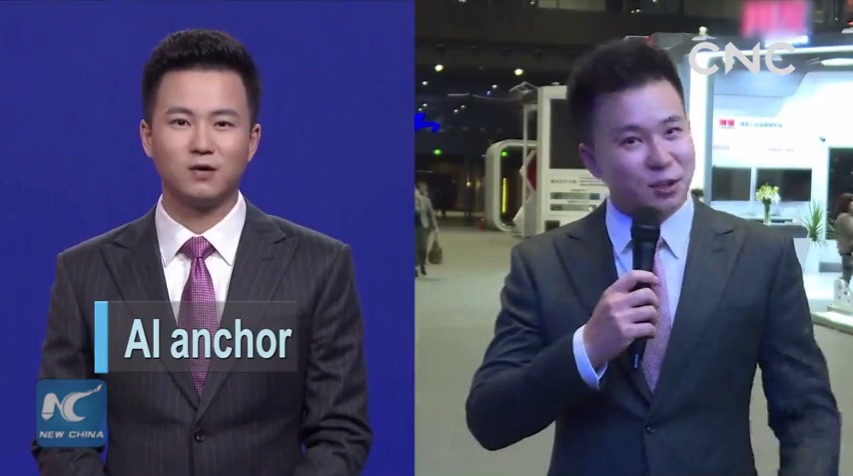
A news company run by the government of China showed off a new tool earlier this month - a computer-created TV host to read the news on TV.
Published in “Technology”
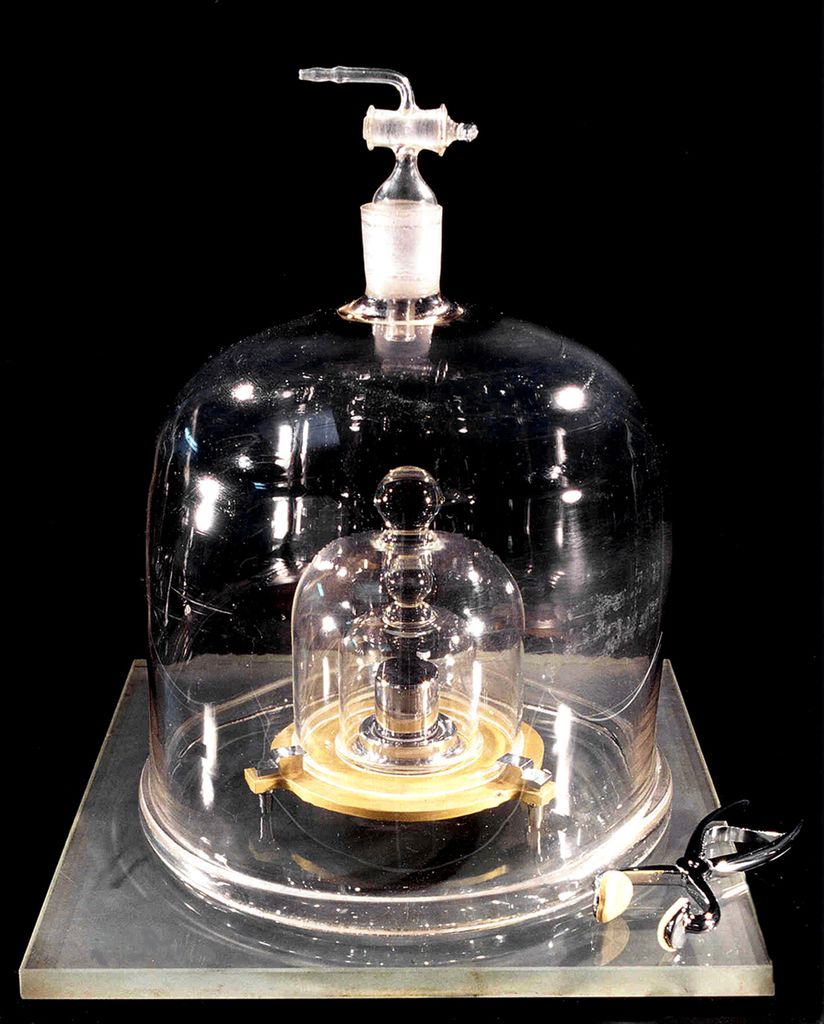
For over 200 years, the world has weighed things in kilograms. And for around 130 years, the weight of a kilogram has been based on one piece of metal. That is about to change.
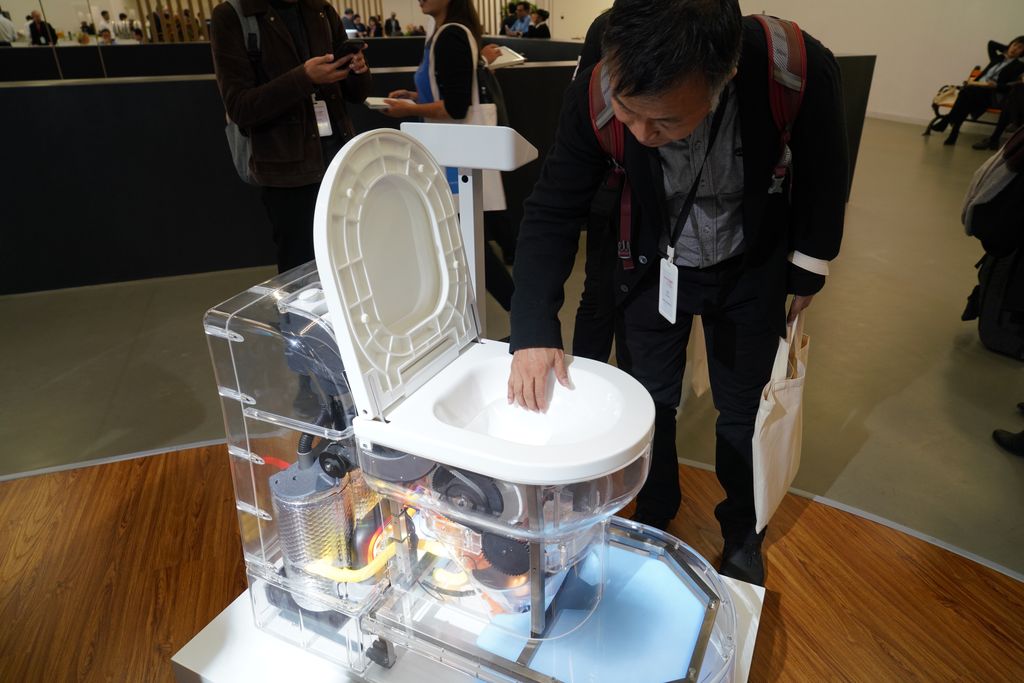
Bill Gates is one of the world's richest men. He and his company, Microsoft, helped make computers cheap and popular. So what's he interested in now? Toilets.

Would you pay thousands of dollars for a painting with a face so blurry you're not sure it's a face? Or a picture by an unknown artist? What if the artist was a computer?
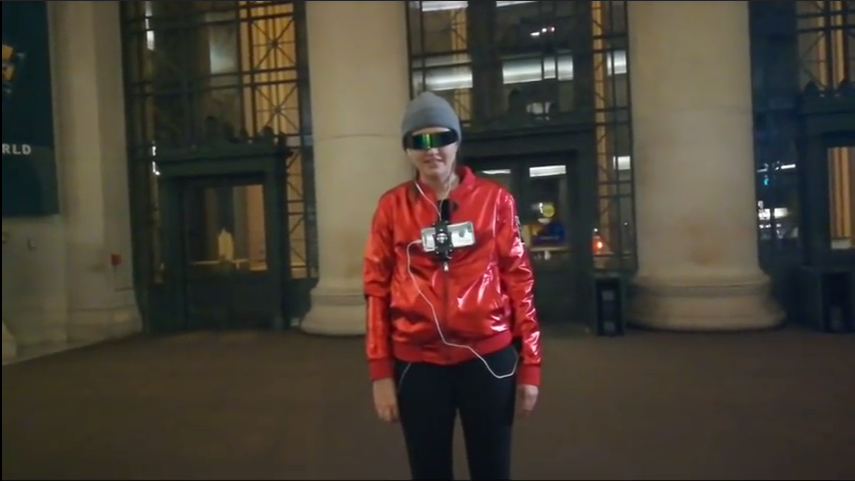
On October 31, Halloween night, the Massachusetts Institute of Technology (MIT) began an unusual experiment. They let the "Internet" control the actions of a real person.
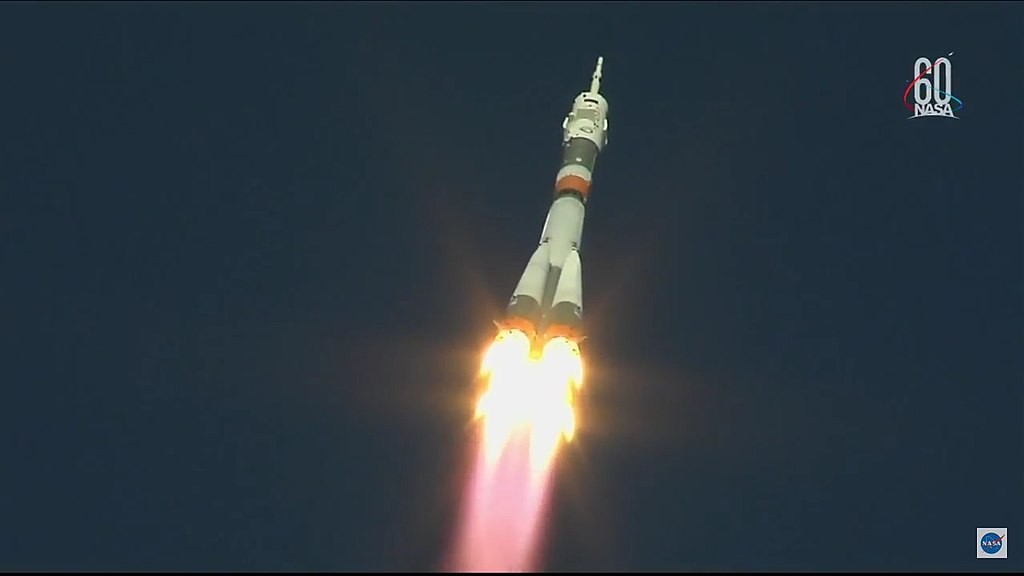
On Thursday a rocket carrying two astronauts to the International Space Station had a major problem two minutes after launching. The astronauts returned to Earth safely in an emergency landing.
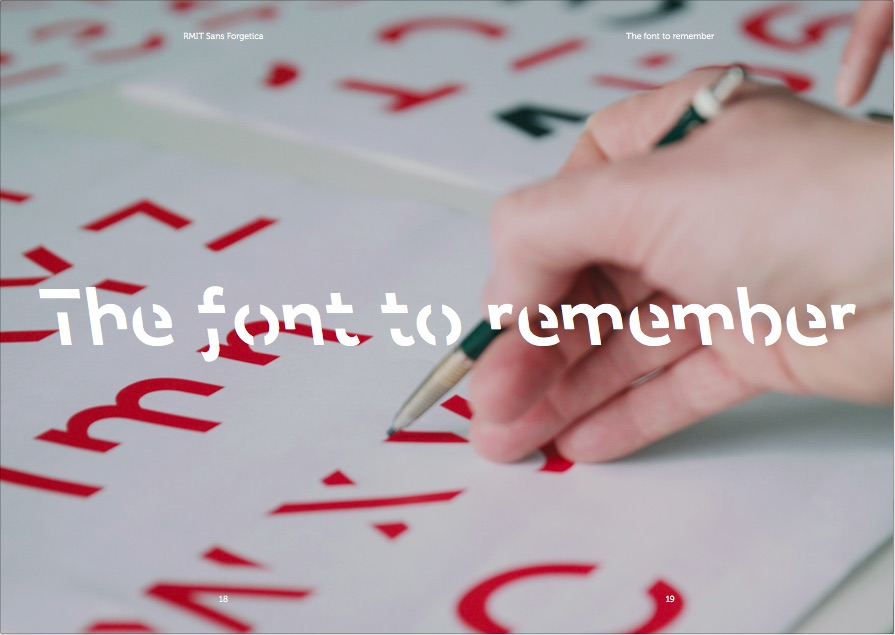
If you have trouble remembering things you read, scientists at RMIT Institute in Australia have come up with a font that can help you remember - by making words harder to read.
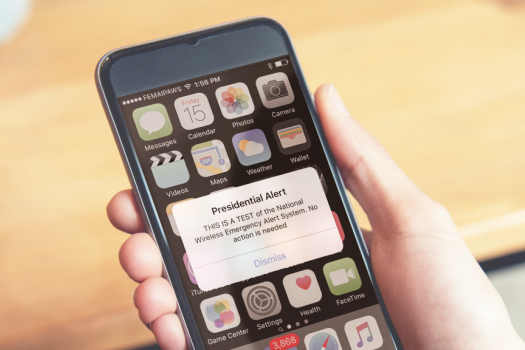
If you've got a cell phone, and you're in the US, you'll probably get a text message from the president today. The US is testing a presidential emergency alert service.

In 2015, two inventors had an unusual idea - what if you recycled plastic, and turned it into a road? The world's first plastic bike path is now testing their idea.
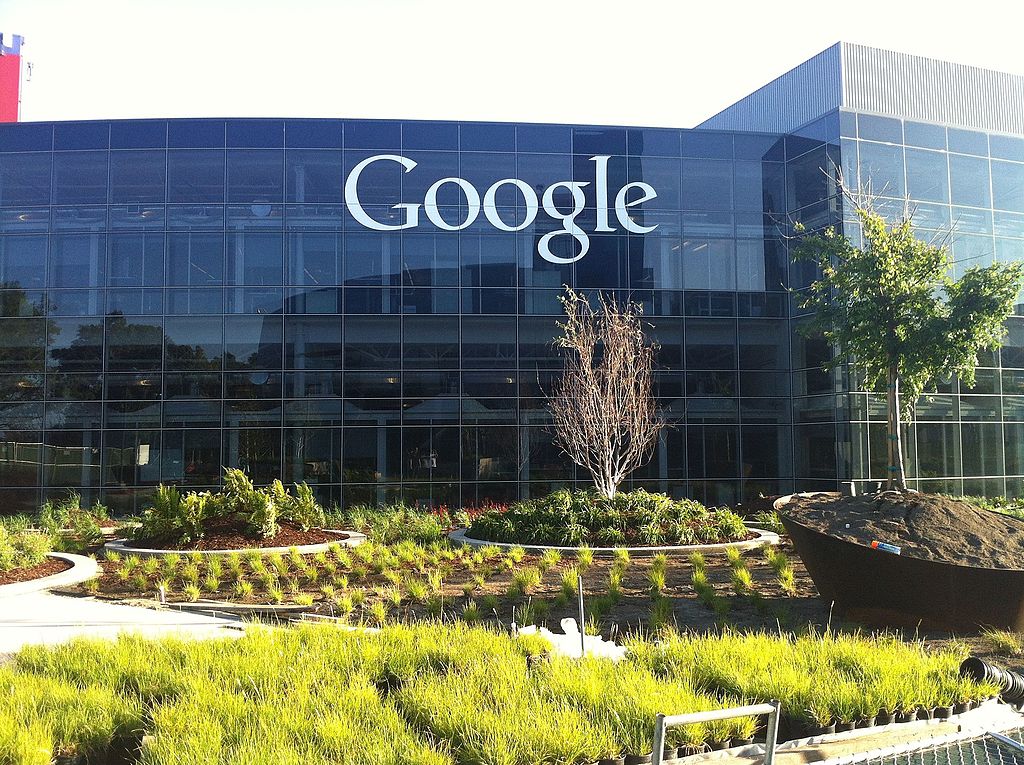
For many people around the world, Google and its businesses affect almost every part their daily lives. Twenty years ago, it didn't even exist. How has it grown so much?
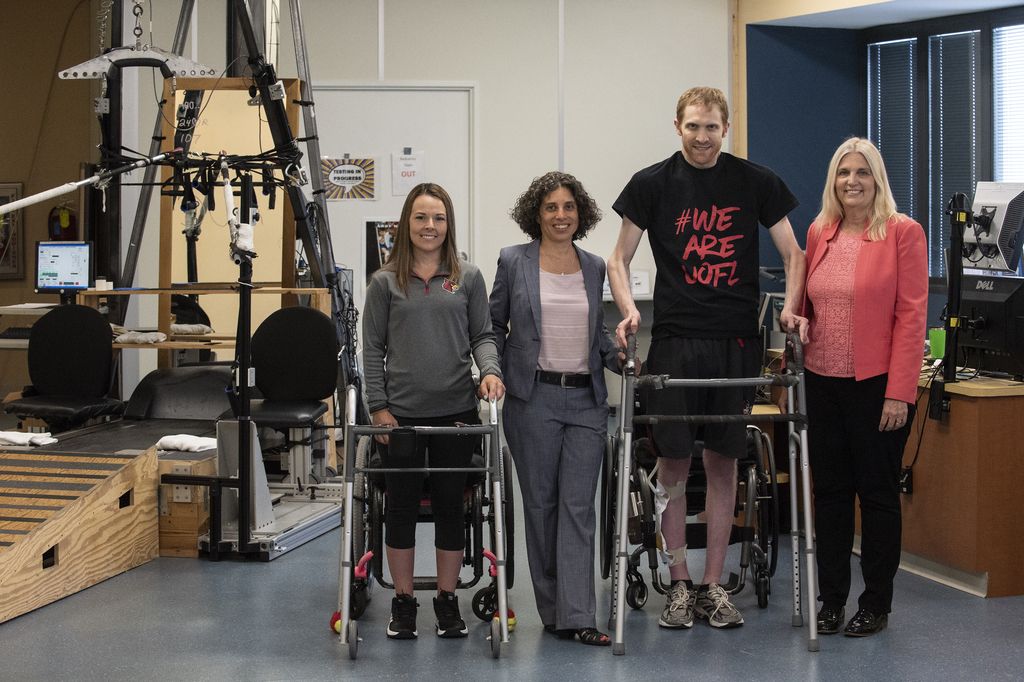
After someone hurts their backbone, they are often unable to walk. Now, scientists have used electrical signals to help people with spine damage begin to take steps again.